 EN
EN


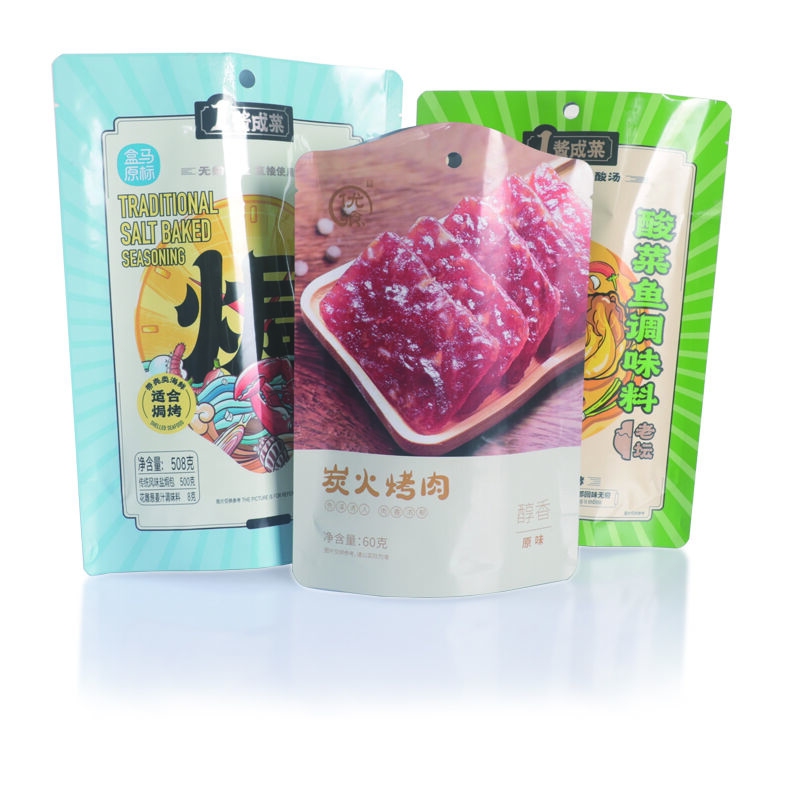
Manufacturing environments today face unprecedented pressure to deliver high-quality decorated products at speeds that meet surging market demand. Automated heat transfer machines have emerged as critical production assets that fundamentally transform how businesses approach mass decoration of textiles, plastics, and composite materials. These systems eliminate manual labor bottlenecks while simultaneously improving consistency, reducing waste, and accelerating throughput in ways that traditional manual or semi-automatic heat transfer methods simply cannot match.
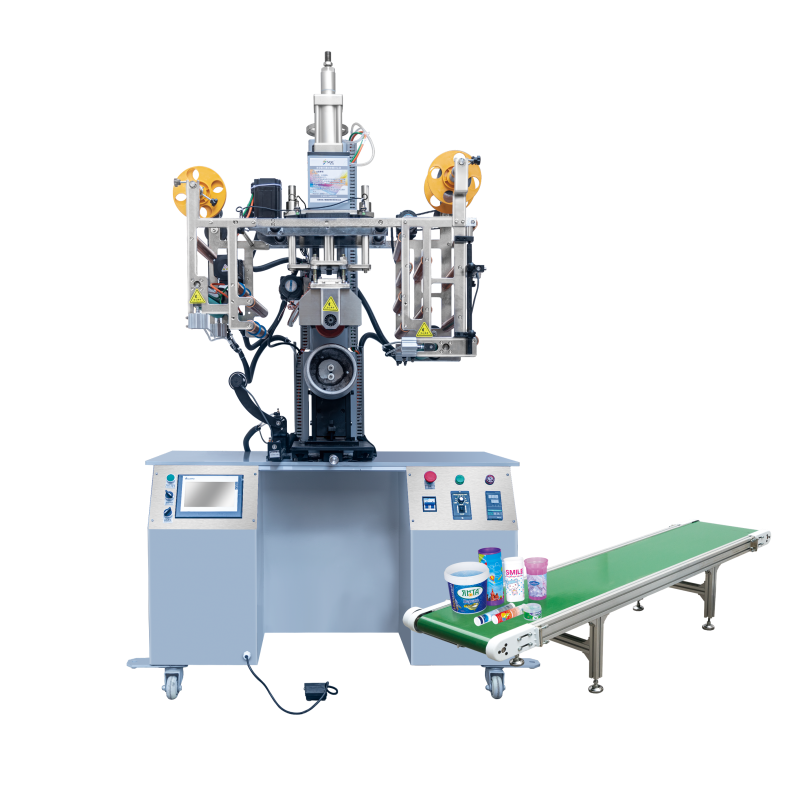
Understanding how automated heat transfer machines boost mass production efficiency requires examining the specific mechanisms through which these systems operate, the workflow optimizations they enable, and the measurable performance improvements they deliver across diverse industrial applications. This article explores the technical pathways, operational strategies, and implementation considerations that allow manufacturers to extract maximum efficiency gains from automated heat transfer technology in high-volume production environments.
The Mechanical Foundation of Automation in Heat Transfer Processing
Continuous Feed Systems and Material Handling Architecture
Automated heat transfer machines achieve production acceleration primarily through continuous or rapid-cycle feeding mechanisms that eliminate the delays inherent in manual substrate placement. Advanced systems incorporate programmable conveyor belts, robotic positioning arms, or pneumatic transfer stations that move substrates through heating zones with precision timing. These feeding architectures ensure that heating plates or rollers maintain near-constant contact with workpieces, dramatically reducing the idle time that consumes productive capacity in manual operations.
The material handling subsystems in sophisticated automated heat transfer machines include optical sensors and alignment guides that verify correct substrate positioning before heat application begins. This pre-processing validation prevents misaligned transfers that would otherwise result in rejected products and wasted materials. By integrating positioning verification directly into the automated workflow, these systems maintain quality standards while operating at production speeds that would make manual quality checks impractical.
Servo-controlled positioning mechanisms represent another critical component of automated heat transfer machines designed for mass production. These electromechanical systems adjust substrate placement with sub-millimeter accuracy across thousands of cycles per shift, ensuring consistent transfer placement that meets strict quality specifications. The repeatability of servo positioning eliminates the variation that naturally occurs with human operators, creating uniform product output even during extended production runs.
Integrated Temperature and Pressure Control Systems
Automated heat transfer machines employ closed-loop thermal management systems that continuously monitor and adjust heating element temperatures to maintain optimal transfer conditions throughout production cycles. These systems use thermocouple arrays and digital controllers to compensate for thermal losses and environmental variations in real time, ensuring that every substrate receives precisely calibrated heat energy. This thermal consistency is essential for achieving uniform adhesion quality across large production batches.
Pressure application in automated systems follows similarly controlled protocols, with hydraulic or pneumatic actuators delivering specified compression forces according to programmable profiles. Advanced automated heat transfer machines can modulate pressure during the dwell phase to accommodate different substrate thicknesses or material properties without operator intervention. This adaptive pressure control prevents both incomplete adhesion from insufficient force and substrate damage from excessive compression.
The synchronization between temperature and pressure parameters in automated heat transfer machines follows precisely timed sequences that optimize thermal energy transfer while minimizing cycle time. Digital control systems coordinate heating element activation, pressure application timing, and cooling phase initiation to maximize throughput without compromising transfer quality. This orchestrated control eliminates the judgment variations that occur when operators manually manage multiple process parameters simultaneously.
Workflow Optimization Through Process Integration
Elimination of Manual Substrate Loading and Unloading
Manual substrate handling represents one of the most significant time-consuming elements in conventional heat transfer operations, with operators spending considerable portions of each cycle positioning materials and removing finished products. Automated heat transfer machines address this bottleneck through integrated loading systems that draw substrates from supply stacks or conveyor feeds without human intervention. These automated loaders can process dozens of substrates per minute, compared to the handful achievable through manual placement.
The unloading phase in automated heat transfer machines similarly benefits from mechanical handling systems that transfer finished products to cooling stations, stacking mechanisms, or downstream processing equipment. Automated unloading prevents the production delays that occur when operators must wait for hot substrates to cool sufficiently for safe handling. By maintaining continuous product flow through the entire thermal transfer cycle, these systems keep heating elements productive rather than idle.
Advanced automated heat transfer machines incorporate buffer zones that decouple upstream material preparation from the core transfer process, allowing continuous operation even when substrate supply requires periodic replenishment. These buffering capabilities prevent the production interruptions that frequently occur in manual operations when material supplies run low or require changeovers between different substrate types or designs.
Reduction of Setup and Changeover Time
Automated heat transfer machines designed for mass production include quick-change fixtures and programmable parameter storage that dramatically reduce the time required to switch between different products or transfer designs. Digital recipe management systems store temperature profiles, pressure settings, and timing parameters for hundreds of different configurations, allowing operators to initiate changeovers through touchscreen interfaces rather than manual adjustments to mechanical controls.
Tool-less or rapid-exchange heating platens represent another efficiency enhancement in modern automated heat transfer machines, enabling production teams to swap between different transfer sizes or shapes in minutes rather than the hours sometimes required with bolted or mechanically fastened systems. These quick-change capabilities are particularly valuable in manufacturing environments that produce multiple product variants or serve markets with frequent design updates.
The integration of automated calibration routines in sophisticated automated heat transfer machines further reduces setup time by eliminating manual temperature verification and pressure testing procedures. These self-calibrating systems perform diagnostic checks and parameter validation automatically during startup sequences, ensuring that production can commence immediately after changeovers without extended warm-up periods or test runs.
Measurable Efficiency Gains in Mass Production Contexts
Throughput Multiplication and Cycle Time Reduction
Industrial implementations of automated heat transfer machines consistently demonstrate throughput increases of three to five times compared to equivalent manual or semi-automatic equipment operating under similar conditions. These productivity multipliers stem from the cumulative effect of faster cycle times, elimination of inter-cycle delays, and continuous operation capabilities that allow production to proceed during shift changes or break periods with minimal supervision.
Cycle time reductions in automated heat transfer machines result from optimized thermal profiles that apply heat more efficiently than manual systems, combined with rapid substrate handling that minimizes non-productive time. Where manual operations might require 30 to 45 seconds per transfer including loading, pressing, and unloading, comparable automated systems complete the same transfer in 12 to 18 seconds through parallel processing of heating and material handling functions.
The compounding effect of these cycle time reductions becomes particularly significant in high-volume production scenarios where even small time savings per unit translate into substantial daily output increases. A manufacturing facility producing 10,000 decorated items per day could potentially increase output to 25,000 or 30,000 units by transitioning from manual to automated heat transfer machines, assuming adequate upstream material supply and downstream processing capacity.
Labor Productivity and Workforce Optimization
Automated heat transfer machines fundamentally alter labor requirements by reducing the number of operators needed per production line while simultaneously decreasing the skill level required for effective operation. Where manual systems might require two or three experienced operators per machine to maintain continuous production, automated systems typically need only one operator per multiple machines for material supply, quality monitoring, and exception handling.
This labor efficiency translates directly into reduced per-unit production costs while also addressing the workforce availability challenges many manufacturers face in tight labor markets. The simplified operation of automated heat transfer machines allows manufacturers to train new operators more quickly and redeploy experienced personnel to higher-value tasks such as quality management, process optimization, or equipment maintenance.
The ergonomic benefits of automated heat transfer machines also contribute to efficiency by reducing operator fatigue and repetitive motion injuries that cause absenteeism and productivity losses. By eliminating the repetitive lifting, positioning, and heat exposure inherent in manual transfer operations, automated systems maintain more consistent operator performance throughout shifts and reduce the indirect costs associated with workplace injuries.
Quality Consistency and Waste Reduction Mechanisms
Process Repeatability and Statistical Quality Control
Automated heat transfer machines deliver superior process repeatability compared to manual operations by executing identical parameter profiles across every production cycle. This consistency eliminates the natural variation in pressure application, dwell time, and temperature exposure that occurs when human operators control transfer processes, resulting in more uniform adhesion quality and appearance across production batches.
The statistical process control capabilities integrated into advanced automated heat transfer machines enable real-time quality monitoring that detects parameter drift or anomalies before they produce defective products. These systems track critical process variables such as actual heating element temperature, applied pressure, and cycle timing, comparing measured values against specification limits and alerting operators when corrective action becomes necessary.
Data logging functions in automated heat transfer machines provide complete production traceability, recording process parameters for every transferred item and creating quality documentation that supports customer requirements or regulatory compliance. This automated record-keeping eliminates the manual data collection burden while providing more detailed and accurate process documentation than paper-based systems can achieve.
Defect Prevention and Material Utilization
The precision control inherent in automated heat transfer machines significantly reduces the scrap rate compared to manual operations by preventing the common defects associated with incorrect pressure, insufficient heat, or misaligned placement. Industry data indicates that well-implemented automated systems can reduce defect rates from typical manual operation levels of 3-5% down to less than 1%, representing substantial material cost savings in high-volume production.
Transfer film utilization improves in automated heat transfer machines through precise material handling systems that minimize registration errors and reduce the trim waste generated during the transfer process. Automated systems can position transfer films with consistent accuracy that maximizes the number of transfers achievable from each roll or sheet, directly reducing material costs per finished unit.
The reduced defect rates achievable with automated heat transfer machines also decrease the indirect costs associated with rework, customer returns, and warranty claims. These quality-related cost savings often prove as significant as the direct labor savings in overall return on investment calculations, particularly in industries where product appearance standards are stringent and customer quality expectations are high.
Implementation Strategies for Maximum Efficiency Gain
Production Flow Analysis and Equipment Sizing
Successful implementation of automated heat transfer machines for mass production efficiency requires careful analysis of existing production workflows to identify bottlenecks and determine optimal equipment capacity. Manufacturers should map current process cycle times, identify constraint operations, and calculate required throughput increases to meet production targets before selecting automation equipment specifications.
Equipment sizing decisions must consider not only the speed capabilities of automated heat transfer machines but also the capacity of upstream material preparation processes and downstream finishing operations. Installing high-speed automated transfer equipment without addressing feeding or output handling constraints will simply shift bottlenecks rather than increasing overall production efficiency.
Production volume forecasting plays a critical role in determining whether single high-capacity automated heat transfer machines or multiple moderate-capacity units provide better efficiency outcomes. Multiple machines offer production flexibility and redundancy that protects against complete line shutdowns during maintenance or equipment failures, while single high-capacity systems may provide lower per-unit costs in truly high-volume scenarios.
Operator Training and Process Standardization
Maximizing efficiency gains from automated heat transfer machines requires comprehensive operator training programs that cover not only basic machine operation but also process parameter adjustment, routine maintenance procedures, and troubleshooting protocols. Well-trained operators can identify and resolve minor issues quickly, preventing small problems from escalating into extended downtime.
Process standardization becomes increasingly important in automated production environments where consistent parameter settings directly determine output quality and throughput. Manufacturing organizations should develop detailed standard operating procedures that specify approved parameter ranges, changeover sequences, and quality verification methods to ensure that all operators follow identical practices regardless of shift or production area.
Continuous improvement initiatives should leverage the data collection capabilities of automated heat transfer machines to identify optimization opportunities and validate process improvements. Regular analysis of cycle time data, downtime causes, and quality metrics enables systematic refinement of operating procedures and parameter settings to progressively increase efficiency over time.
Maintenance Planning and Reliability Management
The high utilization rates achievable with automated heat transfer machines demand rigorous preventive maintenance programs that address wear components before failures occur. Scheduled replacement of heating elements, pressure system seals, and motion control components according to manufacturer recommendations prevents unplanned downtime that erodes the efficiency advantages automation provides.
Predictive maintenance technologies including vibration monitoring, thermal imaging, and electrical current analysis can identify developing problems in automated heat transfer machines before they cause production interruptions. These condition monitoring approaches allow maintenance teams to schedule repairs during planned downtime rather than responding to unexpected failures during production shifts.
Spare parts inventory management becomes critical for automated heat transfer machines in mass production applications where equipment downtime directly translates to lost revenue. Maintaining appropriate stock levels of critical wear components and assemblies with long procurement lead times ensures that maintenance teams can restore equipment to operation quickly when repairs become necessary.
FAQ
What production volume justifies investment in automated heat transfer machines?
Investment in automated heat transfer machines typically becomes economically justified when production volumes exceed 5,000 to 10,000 decorated units per month, depending on product complexity and labor costs. At these volumes, the labor savings and efficiency gains generate return on investment within 18 to 36 months. Lower-volume operations may still benefit from automation if products require exceptional consistency that manual processes cannot reliably deliver, or if labor availability constraints prevent meeting production commitments with manual equipment.
How do automated heat transfer machines handle different substrate materials?
Modern automated heat transfer machines accommodate diverse substrate materials through programmable parameter profiles that adjust temperature, pressure, and dwell time according to material-specific requirements. Digital control systems store multiple recipes that operators select based on the substrate being processed, with the machine automatically configuring all process parameters appropriately. Advanced systems include material recognition capabilities that identify substrate types and load corresponding parameters without manual operator selection, further streamlining production changeovers between different materials.
What maintenance requirements do automated heat transfer machines have?
Automated heat transfer machines require regular preventive maintenance including cleaning of heating surfaces to prevent transfer material buildup, inspection and replacement of pressure system seals, verification of temperature sensor calibration, and lubrication of moving components according to manufacturer specifications. Typical maintenance schedules call for daily cleaning and visual inspections, weekly verification of critical parameters, and monthly comprehensive system checks. Annual maintenance should include complete heating element inspection, control system diagnostics, and replacement of consumable components regardless of apparent condition to prevent unexpected failures.
Can automated heat transfer machines integrate with existing production management systems?
Contemporary automated heat transfer machines typically offer industrial communication protocols including Ethernet/IP, Modbus TCP, or OPC UA that enable integration with manufacturing execution systems, enterprise resource planning software, and production monitoring dashboards. This connectivity allows real-time production tracking, automated quality data collection, and remote equipment monitoring that supports lean manufacturing initiatives. Integration capabilities vary significantly among equipment manufacturers, so organizations planning system-level integration should verify communication protocol compatibility and data format specifications before equipment procurement.
Table of Contents
- The Mechanical Foundation of Automation in Heat Transfer Processing
- Workflow Optimization Through Process Integration
- Measurable Efficiency Gains in Mass Production Contexts
- Quality Consistency and Waste Reduction Mechanisms
- Implementation Strategies for Maximum Efficiency Gain
-
FAQ
- What production volume justifies investment in automated heat transfer machines?
- How do automated heat transfer machines handle different substrate materials?
- What maintenance requirements do automated heat transfer machines have?
- Can automated heat transfer machines integrate with existing production management systems?