 EN
EN



Commercial heat transfer printing has revolutionized the textile and promotional product industry, enabling businesses to create vibrant, durable designs on various materials. A heat transfer machine serves as the cornerstone of this technology, applying precise heat and pressure to bond transfers onto fabrics, ceramics, metals, and other substrates. Whether you're operating a small custom apparel business or managing a large-scale production facility, selecting the right equipment can significantly impact your operational efficiency and product quality. Modern heat transfer machines offer advanced features like digital temperature controls, programmable timers, and automatic pressure adjustments that ensure consistent results across different materials and design complexities.
Understanding Commercial Heat Transfer Technology
Core Principles of Heat Transfer Printing
Heat transfer printing operates on the fundamental principle of applying controlled heat and pressure to activate adhesives or sublimation inks embedded in transfer materials. The process involves placing a pre-printed transfer onto the target substrate and using a heat transfer machine to create the optimal conditions for bonding. Temperature ranges typically vary between 300°F to 400°F depending on the transfer type and substrate material, while pressure settings are adjusted based on material thickness and texture. Timing precision ensures complete adhesion without damaging either the transfer or the base material, making this technology suitable for both simple text applications and complex multi-color designs.
Types of Heat Transfer Applications
Commercial heat transfer machines accommodate various application methods including vinyl transfers, sublimation printing, plastisol transfers, and direct-to-film applications. Vinyl transfers work exceptionally well for single-color designs and text on cotton and cotton-blend fabrics, providing excellent durability and vibrant colors. Sublimation printing excels with polyester materials, creating permanent, wash-resistant designs that maintain their quality through repeated laundering cycles. Plastisol transfers offer superior opacity and color vibrancy on dark fabrics, while direct-to-film technology enables full-color photographic reproduction with exceptional detail resolution. Each application type requires specific temperature, pressure, and timing parameters that quality heat transfer machines can accommodate through programmable settings.
Essential Features in Professional Heat Transfer Equipment
Temperature and Pressure Control Systems
Professional-grade heat transfer machines incorporate advanced temperature control systems featuring digital displays and precise thermostatic regulation. These systems maintain consistent temperatures within ±2°F tolerance, ensuring uniform heat distribution across the entire platen surface. Pressure control mechanisms utilize either manual adjustment systems or pneumatic controls that provide consistent force distribution, eliminating hot spots and ensuring complete transfer adhesion. Many modern units feature pressure gauges that display real-time force measurements, allowing operators to maintain optimal settings for different material combinations. Timer functions with audible alerts prevent over-processing while ensuring adequate dwell time for complete bonding.
Platen Design and Construction
The platen serves as the critical component where heat and pressure converge to create successful transfers. Quality heat transfer machines feature aluminum or steel platens with non-stick coatings that prevent transfer materials from adhering to the machine surface. Platen sizes vary from compact 9x12 inches for small operations to large 16x24 inches for industrial applications, with some specialty units offering even larger working areas. Even heat distribution depends on proper platen design, with better machines incorporating internal heating elements arranged in grid patterns to eliminate temperature variations. Some advanced models include interchangeable platens or attachments for specific applications like cap pressing, mug printing, or plate decoration.
Top Commercial Heat Transfer Machine Recommendations
Entry-Level Professional Solutions
For businesses entering the heat transfer market, entry-level professional machines offer reliable performance without excessive investment costs. These units typically feature manual operation with basic digital temperature controls and mechanical pressure adjustment systems. Most entry-level models include 15x15 inch platens suitable for standard apparel applications, with temperature ranges spanning 300°F to 400°F and timer functions up to 999 seconds. While lacking some advanced features of higher-end models, these machines provide consistent results for vinyl transfers, basic sublimation work, and simple plastisol applications. Build quality emphasizes durability over sophistication, with heavy-duty frames and reliable heating elements designed for moderate daily production volumes.
Mid-Range Production Equipment
Mid-range heat transfer machines bridge the gap between entry-level simplicity and industrial complexity, offering enhanced features that improve efficiency and consistency. These units often incorporate pneumatic pressure systems providing more uniform force distribution and reducing operator fatigue during extended production runs. Digital control panels display precise temperature and time settings with programmable memory functions storing frequently used combinations for different transfer types. Many mid-range models feature automatic opening mechanisms triggered by timer completion, preventing over-processing while allowing operators to prepare subsequent pieces. Enhanced safety features include emergency stop buttons, thermal protection circuits, and warning indicators for high-temperature conditions.
Industrial-Grade High-Volume Systems
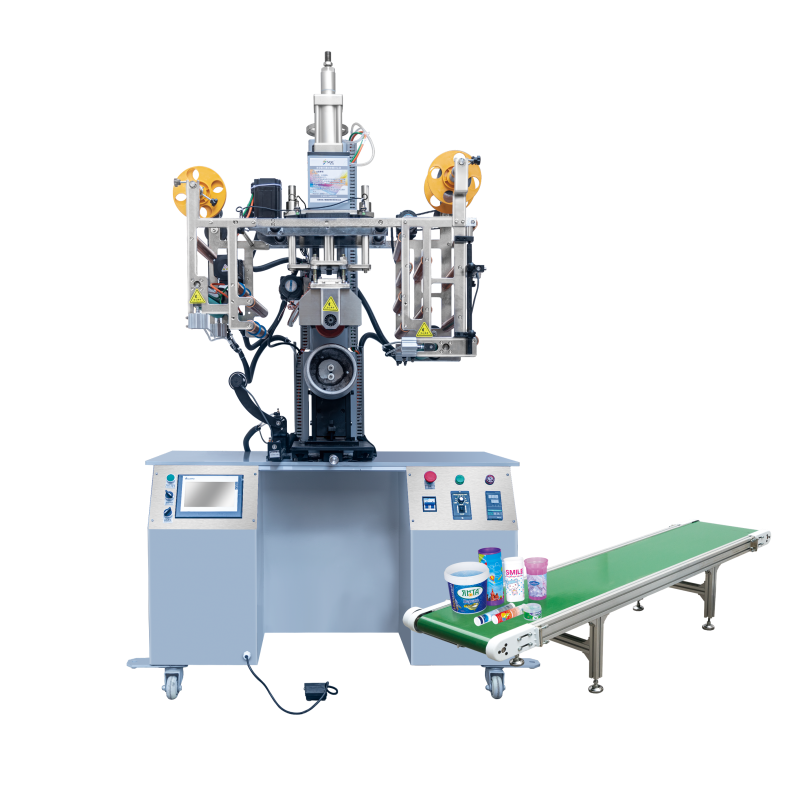
Industrial heat transfer machines designed for high-volume production incorporate sophisticated automation and quality control features that maximize throughput while maintaining consistent results. These systems often include conveyor feeds, automatic loading mechanisms, and integrated quality monitoring systems that track temperature, pressure, and timing parameters for each cycle. Production capacities can exceed 1000 pieces per hour depending on design complexity and transfer type, with some systems featuring multiple stations for simultaneous processing of different products. Advanced models integrate with production management software, providing real-time monitoring, maintenance scheduling, and quality control documentation required for ISO certification and customer compliance requirements.
Operational Considerations and Best Practices
Material Compatibility and Setup Procedures
Successful heat transfer operations depend heavily on proper material selection and machine setup procedures tailored to specific substrate and transfer combinations. Cotton fabrics require different temperature and pressure settings compared to polyester blends, while synthetic materials may need specialized transfer types to achieve optimal adhesion. Pre-treatment processes such as pre-pressing help remove moisture and wrinkles that can interfere with transfer quality, while post-transfer cooling periods ensure proper bonding before handling. Operators must understand how fabric weight, texture, and composition affect transfer parameters, adjusting machine settings accordingly to prevent scorching, incomplete adhesion, or transfer failure during subsequent washing cycles.
Maintenance and Quality Control Protocols
Regular maintenance protocols ensure consistent performance and extend equipment lifespan while preventing costly production interruptions. Daily cleaning procedures include removing transfer residue from platen surfaces using appropriate solvents and non-abrasive materials that won't damage non-stick coatings. Weekly maintenance involves inspecting heating elements, temperature sensors, and pressure mechanisms for signs of wear or calibration drift. Monthly calibration checks using certified thermometers and pressure gauges verify accuracy of control systems, while annual professional servicing addresses internal components, electrical connections, and safety systems. Quality control procedures include test transfers on sample materials before production runs, documentation of settings for different applications, and regular evaluation of finished products to identify potential equipment issues before they affect customer orders.
Return on Investment and Business Impact
Cost Analysis and Profitability Factors
Investing in quality heat transfer machine equipment requires careful analysis of initial costs versus long-term profitability and operational efficiency gains. Purchase prices range from several thousand dollars for entry-level units to tens of thousands for industrial systems, but proper equipment selection can significantly impact profit margins through reduced labor costs, improved quality consistency, and expanded service capabilities. Labor savings result from faster processing times, automated features, and reduced setup requirements between jobs, while quality improvements reduce waste, returns, and reputation damage. Expanded capabilities enable businesses to accept larger orders, offer shorter turnaround times, and serve markets requiring specific transfer types or quality standards.
Scaling Production and Market Expansion
Strategic equipment selection enables businesses to scale production capacity while maintaining quality standards necessary for market expansion and customer retention. Modular system designs allow incremental capacity increases without complete equipment replacement, while standardized procedures ensure consistent results across multiple machines and operators. Market expansion opportunities include serving corporate clients requiring large-volume orders, entering specialty markets like promotional products or industrial applications, and offering premium services commanding higher profit margins. Investment in advanced heat transfer technology often serves as a competitive differentiator, enabling businesses to secure contracts requiring specific quality certifications, production capacities, or technical capabilities that smaller competitors cannot match.
FAQ
What temperature settings work best for different transfer types on a heat transfer machine?
Temperature settings vary significantly based on transfer type and substrate material. Vinyl transfers typically require 300°F to 320°F for cotton fabrics, while sublimation transfers need 380°F to 400°F for polyester materials. Plastisol transfers work best at 330°F to 350°F, and direct-to-film applications usually require 300°F to 320°F. Always consult transfer manufacturer specifications and conduct test runs on sample materials to determine optimal settings for your specific combination of transfer type, substrate, and machine model.
How often should I calibrate my commercial heat transfer machine?
Calibration frequency depends on usage volume and accuracy requirements, but most commercial operations benefit from monthly temperature and pressure calibration checks using certified instruments. High-volume production environments may require weekly calibration verification, while lower-volume shops can extend intervals to quarterly checks. Always recalibrate after any maintenance work, if you notice quality inconsistencies, or when switching between significantly different transfer types. Document calibration results to track equipment performance over time and identify potential issues before they affect production quality.
What safety precautions are essential when operating heat transfer equipment?
Heat transfer machine safety requires proper training, protective equipment, and workspace organization. Operators must wear heat-resistant gloves when handling hot transfers or adjusting heated platens, and safety glasses protect against potential steam or chemical vapors from certain transfer materials. Ensure adequate ventilation to remove fumes, maintain clear workspace areas to prevent accidental contact with hot surfaces, and establish emergency procedures for equipment malfunctions. Install emergency stop switches within easy reach, provide first aid supplies for burn treatment, and train all operators on proper lifting techniques to prevent injury when loading heavy materials.
Can the same heat transfer machine handle multiple substrate types effectively?
Most quality commercial heat transfer machines can accommodate multiple substrate types through adjustable settings and optional accessories, though optimal results require proper setup for each material combination. Cotton, polyester, cotton-blends, ceramics, metals, and specialty fabrics each have specific temperature, pressure, and timing requirements that the machine must accommodate. Some substrates may require specialized transfer materials or pre-treatment processes, while others need specific platen attachments or protective sheets. Success with multiple substrates depends on operator knowledge, proper equipment capabilities, and maintaining detailed setup procedures for each material type to ensure consistent quality across diverse applications.
Table of Contents
- Understanding Commercial Heat Transfer Technology
- Essential Features in Professional Heat Transfer Equipment
- Top Commercial Heat Transfer Machine Recommendations
- Operational Considerations and Best Practices
- Return on Investment and Business Impact
-
FAQ
- What temperature settings work best for different transfer types on a heat transfer machine?
- How often should I calibrate my commercial heat transfer machine?
- What safety precautions are essential when operating heat transfer equipment?
- Can the same heat transfer machine handle multiple substrate types effectively?