 EN
EN


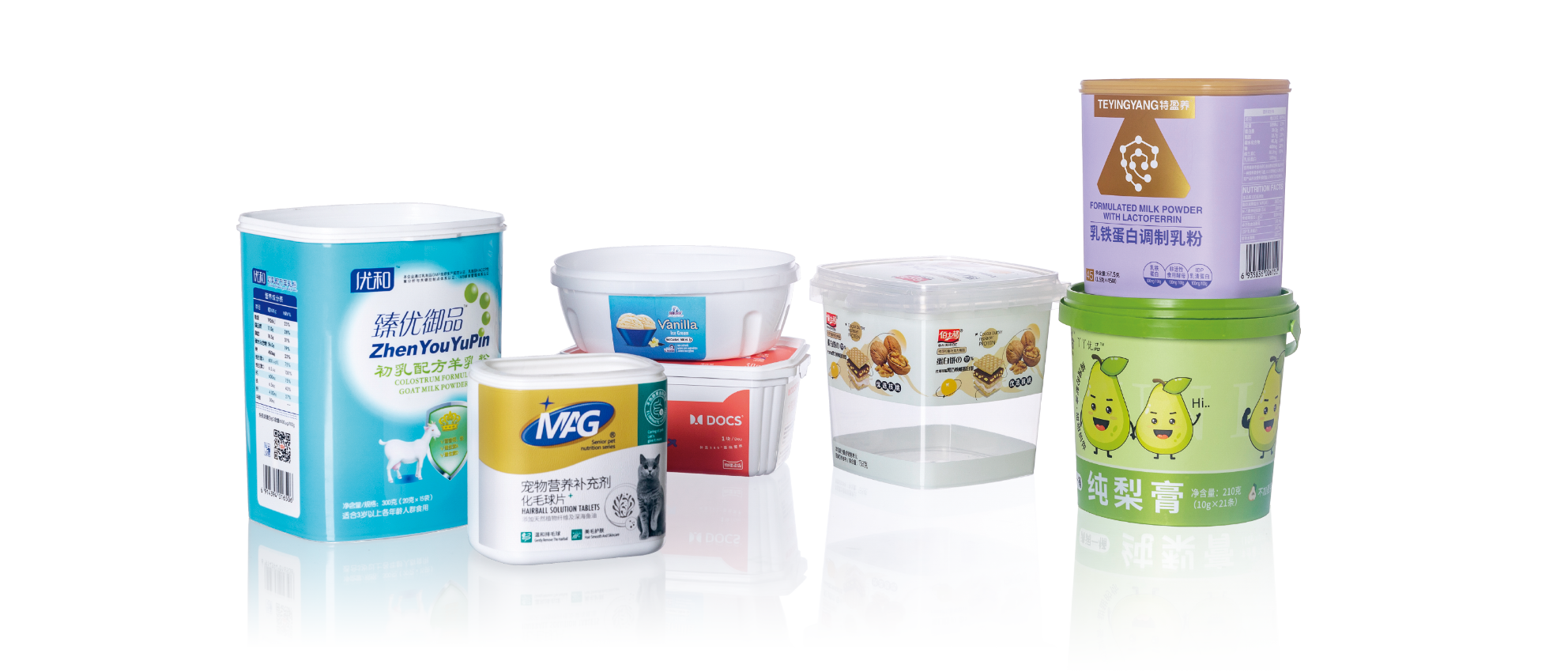
ការបោះពុម្ពដែលផ្អែកលើការផ្ទេរកំដៅ បានក្លាយជាដំណាំផលិតកម្មដែលចាំបាច់យ៉ាងខ្លាំងនៅក្នុងឧស្សាហកម្មអាវទាំងឡាយ ផលិតផលផ្សព្វផ្សាយ និងការតុបតែងឧស្សាហកម្ម។ ភាពជោគជ័យនៃដំណាំផ្ទេរកំដៅណាមួយ អាស្រ័យយ៉ាងសំខាន់លើការសម្រេចបាននូវការរួមបញ្ចូលគ្នាដែលត្រឹមត្រូវរវាងសីតុណ្ហភាព និងសម្ពាធ ដែលត្រូវបានកំណត់ឱ្យសមស្របនឹងប្រភេទសារធាតុដែលប្រើជាក់ស្តែង។ ទោះបីជាប្រតិបត្តិករជាច្រើនយល់ថា ម៉ាស៊ីនផ្ទេរកំដៅប៉ះពាល់កំដៅ និងកម្លាំងទៅលើរូបរាងដើម្បីភ្ជាប់វាទៅនឹងផ្ទៃក៏ដោយ ការយល់ដឹងអំពីចំណុចសំខាន់ៗនៃការកំណត់ប៉ារ៉ាម៉ែត្រឱ្យសមស្របនឹងសារធាតុនីមួយៗ នៅតែមានការយល់ដឹងខ្សះខាត ដែលបណ្តាលឱ្យមានបញ្ហាជាច្រើន ដូចជា ការភ្ជាប់មិនគ្រប់គ្រាន់ ការប៉ះពាល់ដល់ពណ៌ ការខូចខាតសារធាតុដើម និងការខូចខាតមុនពេលគ្រប់គ្រាន់។ គោលការណ៍ណែនទៅនេះ ដែលមានលក្ខណៈទូទៅ បានដោះស្រាយបញ្ហាបច្ចេកទេសដែលស្មុគស្មាញនៃការកំណត់ប៉ារ៉ាម៉ែត្រសម្រាប់ម៉ាស៊ីនផ្ទេរកំដៅ សម្រាប់សារធាតុប្រភេទផ្សេងៗគ្នា ដោយផ្តល់ជាគំរូដែលអាចអនុវត្តបានសម្រាប់អ្នកផលិត និងអ្នកគ្រប់គ្រងផលិតកម្ម ដើម្បីសម្រេចបាននូវលទ្ធផលដែលមានគុណភាពខ្ពស់ និងស្ថេរភាព ដែលឆ្លើយតបទៅនឹងស្តង់ដារសិល្បៈ និងតម្រូវការអំពីភាពធន់នៅក្នុងការប្រើប្រាស់ពាណិជ្ជកម្ម។
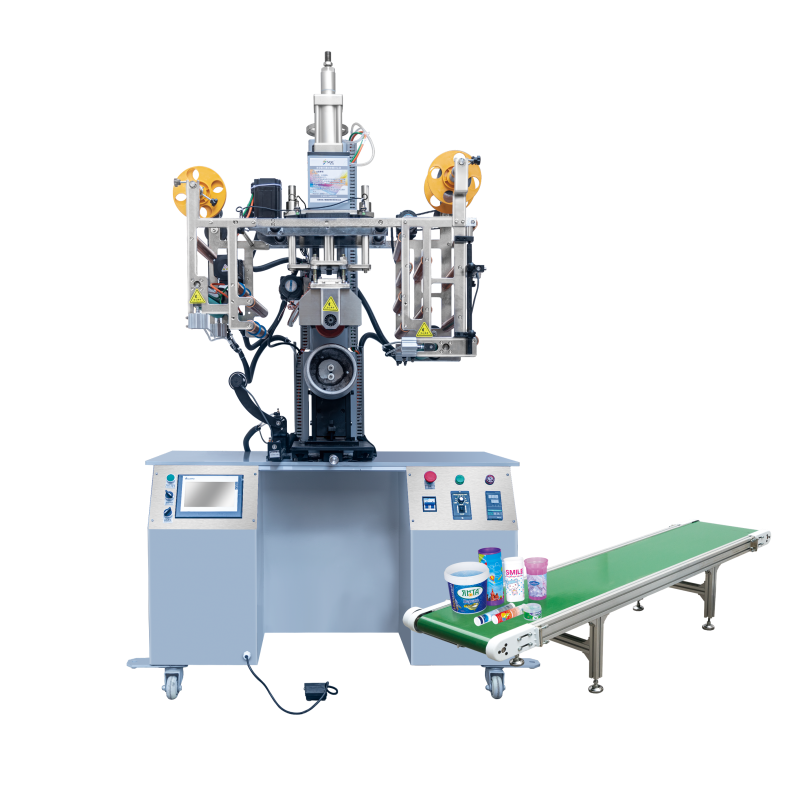
ការយល់ដឹងពីរបៀបដែលសីតុណ្ហភាព និងសម្ពាធមានអន្តរកម្មជាមួយគីមីវិទ្យាសម្ភារៈ បង្កើតជាមូលដ្ឋានសម្រាប់ប្រតិបត្តិការផ្ទេរកំដៅដោយជោគជ័យ។ ប្រភេទស្រទាប់នីមួយៗ — មិនថាសរសៃធម្មជាតិ ប៉ូលីមែរសំយោគ វាយនភណ្ឌលាយ ឬផ្ទៃរឹង — បង្ហាញពីលក្ខណៈឆ្លើយតបកម្ដៅខុសៗគ្នា ចំណុចរលាយ កម្រិតស្ថេរភាពវិមាត្រ និងទម្រង់ភាពឆបគ្នានៃសារធាតុស្អិត។ ប្រតិបត្តិករម៉ាស៊ីនផ្ទេរកំដៅត្រូវតែទទួលស្គាល់ថា សីតុណ្ហភាពគ្រប់គ្រងការធ្វើឱ្យសកម្មនៃសារធាតុស្អិតផ្ទេរ និងការទទួលនៃផ្ទៃស្រទាប់ខាងក្រោម ខណៈពេលដែលសម្ពាធកំណត់ឯកសណ្ឋាននៃទំនាក់ទំនង និងជម្រៅជ្រៀតចូលនៃយន្តការភ្ជាប់។ ការកំណត់មិនត្រឹមត្រូវបង្កើតរបៀបបរាជ័យជាលំដាប់៖ សីតុណ្ហភាពលើសបណ្តាលឱ្យឆេះ ការធ្វើចំណាកស្រុកពណ៌ ឬការខូចទ្រង់ទ្រាយស្រទាប់ខាងក្រោម ខណៈពេលដែលកំដៅមិនគ្រប់គ្រាន់បណ្តាលឱ្យមានភាពស្អិតមិនល្អ និងរបកមុនអាយុ។ ស្រដៀងគ្នានេះដែរ សម្ពាធលើសអាចកំទេចវាយនភាពក្រណាត់ ឬបង្កើតស្នាមគែម ខណៈពេលដែលសម្ពាធមិនគ្រប់គ្រាន់បង្កើតការផ្ទេរមិនពេញលេញជាមួយនឹងចន្លោះប្រហោងដែលអាចមើលឃើញ ឬកម្លាំងភ្ជាប់ខ្សោយដែលបរាជ័យក្នុងពិធីការធ្វើតេស្តបោកគក់បង្កើនល្បឿន។
ការយល់ដឹងអំពីគោលការណ៍មូលដ្ឋាននៃការជ្រើសរើសប៉ារ៉ាម៉ែត្រម៉ាស៊ីនផ្ទេរកំដៅ
តួនាទីនៃសីតុណ្ហភាពក្នុងការធ្វើឱ្យសារធាតុជាប់គ្នាកើតមានសកម្មភាព និងការឆ្លើយតបរបស់សារធាតុ
សីតុណ្ហភាពជាប្រភពថាមពលចម្បងដែលប៉ះពាល់ដល់ការផ្លាស់ប្តូរគីមី និងរូបវិទ្យាដែលចាំបាច់សម្រាប់ការផ្ទេរកំដៅដោយជោគជ័យ។ ប្រព័ន្ធម៉ាស៊ីនផ្ទេរកំដៅទំនើបប្រើសីតុណ្ហភាពដើម្បីធ្វើឱ្យជាប់គ្នាប្រភេទថ្នាំជាប់ដែលមានសារធាតុប៉ូលីម៉ែរ (thermoplastic) ដែលបានបញ្ចូលទៅក្នុងស្រទាប់ផ្ទេរ ឬក្រដាសផ្ទេរ ដែលធ្វើឱ្យសារធាតុទាំងនេះផ្លាស់ប្តូរពីស្ថានភាពរឹងទៅជាស្ថានភាពរាវ ហើយអាចភ្ជាប់គ្នាបាននូវម៉ូលេគុលជាមួយផ្ទៃរបស់សារធាតុដែលគេចង់ផ្ទេរទៅ។ ជួរសីតុណ្ហភាពដែលត្រូវការសម្រាប់ធ្វើឱ្យជាប់គ្នាអាចខុសគ្នាខ្លាំងទៅតាមប្រភេទថ្នាំជាប់ ដែលថ្នាំជាប់ប៉ូលីយូរេថេន (polyurethane) ប្រភេទរាវក្តៅ (hot-melt) ជាទូទៅត្រូវការសីតុណ្ហភាពចន្លោះ ១៦០°C ដល់ ១៨០°C ខណៈដែលថ្នាំជាប់ប្រភេទពិសេសសម្រាប់សីតុណ្ហភាពទាប ត្រូវការសីតុណ្ហភាពចន្លោះ ១២០°C ដល់ ១៤០°C សម្រាប់សារធាតុដែលងាយរងគ្រោះដោយកំដៅ។ ក្រៅពីការធ្វើឱ្យថ្នាំជាប់សកម្ម សីតុណ្ហភាពក៏ប៉ះពាល់ដោយផ្ទាល់ដល់លក្ខណៈរបស់សារធាតុដែលគេចង់ផ្ទេរទៅ ដោយបណ្តាលឱ្យសារធាតុសរសៃ (fiber) រលាយចេញក្នុងសម្លៀកប៉ាក់ ដែលជួយឱ្យថ្នាំបាក់ ឬថ្នាំប៉ែនឆ្លាក់ចូលទៅក្នុងសារធាតុបានល្អជាងមុន ក៏ដូចជាបណ្តាលឱ្យមានការផ្លាស់ប្តូរថាមពលផ្ទៃនៅលើសារធាតុសំយោគ ដែលជួយឱ្យសារធាតុរាវរាយបានល្អជាងមុន ហើយក្នុងករណីខ្លះ ក៏បណ្តាលឱ្យសារធាតុសរសៃប៉ូលីម៉ែរ (thermoplastic fibers) រលាយផ្នែកមួយ ដែលបង្កើតបាននូវការភ្ជាប់គ្នាដោយមេកានិកជាមួយស្រទាប់ផ្ទេរ។
សមត្ថភាពក្នុងការបញ្ជូនកំដៅ និងសមត្ថភាពផ្ទុកកំដៅរបស់វត្ថុធាតុផ្សេងៗគ្នាបណ្តាលឱ្យមានភាពខុសគ្នាយ៉ាងច្បាស់លាស់ទៅនឹងល្បឿនដែលផ្ទៃដែលត្រូវភ្ជាប់ឈានដល់សីតុណ្ហភាពគោលដៅក្នុងអំឡុងពេលដំណើរការម៉ាស៊ីនបញ្ជូនកំដៅ។ វត្ថុធាតុដែលមានសារធាតុដង់ស៊ីតេខ្ពស់ ដូចជាប៉ាក់សេតេរ៍ដែលមានការសាងសង់យ៉ាងជិតស្និត ត្រូវការពេលវេលាកាន់តែយូរដើម្បីឈានដល់សីតុណ្ហភាពសមតុល្យ ប្រៀបធៀបទៅនឹងការសាងសង់ប៉ាក់ស៊ីតេដែលមានរចនាសម្ព័ន្ធបើកចំហ ដែលត្រូវការពេលវេលាដែលគង់នៅ (dwell time) យូរជាង ឬសីតុណ្ហភាពផ្ទៃប៉ាតេនខ្ពស់ជាង ដើម្បីបំពេញប៉ះទង្គិល។ ដូចគ្នាដែរ វត្ថុធាតុដែលមានការផ្ទុកសំណើមខ្ពស់ ត្រូវការថាមពលកំដៅបន្ថែមដើម្បីបំបាត់សំណើមក្រោមទម្រង់អំពើល មុនពេលដែលការភ្ជាប់អាចប្រព្រឹត្តទៅបានយ៉ាងមានប្រសិទ្ធិភាព ដែលបណ្តាលឱ្យត្រូវការការកំដៅជាមុន (pre-heating protocols) ឬការកែសម្រួលសីតុណ្ហភាព។ អ្នកប្រើប្រាស់ត្រូវយល់ច្បាស់ថា សីតុណ្ហភាពដែលបង្ហាញនៅលើការគ្រប់គ្រងម៉ាស៊ីនបញ្ជូនកំដៅ គឺជាសីតុណ្ហភាពផ្ទៃប៉ាតេន មិនមែនជាសីតុណ្ហភាពពិតប្រាកដនៅចំណុចប៉ះទង្គិលរវាងមធ្យោបាយបញ្ជូន និងផ្ទៃដែលត្រូវភ្ជាប់ទេ ដែលអាចខុសគ្នាបានចាប់ពី ១០°C ដល់ ៣០°C អាស្រ័យលើស្រទាប់ក្រដាសបញ្ជូន ស្រទាប់ការពារដែលប្រើ និងលក្ខណៈកំដៅរបស់ផ្ទៃដែលត្រូវភ្ជាប់។ ភាពខុសគ្នានៃសីតុណ្ហភាពនេះ ពន្យល់ពីមូលហេតុដែលការកំណត់សីតុណ្ហភាពដូចគ្នានៅលើការគ្រប់គ្រង បណ្តាលឱ្យបានលទ្ធផលខុសគ្នាលើវត្ថុធាតុផ្សេងៗគ្នា ហើយការសាកល្បងតាមបទពិសោធន៍នៅតែជាការចាំបាច់យ៉ាងខ្លាំងសម្រាប់ការប៉ះទង្គិលប៉ារ៉ាម៉ែត្រឱ្យបានល្អបំផុត។
យន្តការចែកចាយសម្ពាធ និងតម្រូវការគុណភាពទំនាក់ទំនង
ការអនុវត្តសម្ពាធក្នុងដំណើរការម៉ាស៊ីនផ្ទេរកំដៅ មានមុខងារសំខាន់ៗជាច្រើនលើសពីការទប់ទល់វត្ថុឱ្យនៅជាប់គ្នាប៉ុណ្ណោះក្នុងដំណាក់កាលកំដៅ។ សម្ពាធគ្រប់គ្រាន់ធានាបាននូវការប៉ះទង្គិចយ៉ាងជិតស្និតរវាងប្រព័ន្ធផ្ទេរកំដៅ និងផ្ទៃដែលត្រូវផ្ទេរទាំងមូល ដែលជៀសវាងចន្លោះខ្យល់ ដែលអាចប៉ះពាល់ដល់ការផ្ទេរកំដៅ និងការរាបសាបនៃសារធាតុជាប់។ សម្ពាធបង្ហាប់លក្ខណៈផ្ទៃនៃសារធាតុសំពាធប៉ះ និងភាពមិនស្មើគ្នានៃផ្ទៃ ដែលបង្កើតបាននូវផ្ទៃស្មើបណ្តះអាសន្ន ដើម្បីបង្កើនភាពត្រឹមត្រូវនៃការផ្ទេរឱ្យបានច្រើនបំផុត ហើយការពារបាននូវផលប៉ះពាល់ប៉ះពាល់ដូចជា «ផ្ទៃរ៉ាស្មី» (halo effects) ឬផ្នែកដែលមិនបានផ្ទេរគ្រប់គ្រាន់ ដែលជាបញ្ហាទូទៅនៅពេលសម្ពាធមិនគ្រប់គ្រាន់។ ចំពោះសារធាតុដែលមានរន្ធឬផ្ទៃមិនស្មើគ្នា សម្ពាធជួយឱ្យសារធាតុជាប់ដែលបានរាវចូលទៅក្នុងជ្រុះផ្ទៃ និងចន្លោះសារធាតុសំពាធប៉ះ ដែលបង្កើតបាននូវការចាក់ចូលយ៉ាងរឹងមាំ ដែលបង្កើនភាពរឹងមាំនៃការភ្ជាប់ឱ្យលើសពីការភ្ជាប់តែលើផ្ទៃប៉ុណ្ណោះ។ ការចែកចាយសម្ពាធឱ្យបានស្មើគ្នាលើតំបន់ធំៗ បង្កើតបាននូវបញ្ហាបច្ចេកទេស ព្រោះការរចនាផ្ទៃប៉ះនៃម៉ាស៊ីនផ្ទេរកំដៅ សម្ភារៈការពារការរំញ័រ និងការដាក់សារធាតុសំពាធប៉ះ ទាំងអស់នេះប៉ះពាល់ដល់ការប៉ះពាល់រវាងការកំណត់សម្ពាធដែលបានបញ្ជាក់ និងសម្ពាធពិតប្រាកដដែលបានអនុវត្តនៅគ្រប់ចំណុចនៅលើតំបន់ផ្ទេរ។
តម្រូវការសម្ពាធមានការប្រែប្រួលមិនគូសបន្ទាត់ដោយផ្អែកលើលក្ខណៈរបស់សម្ភារៈ ជាពិសេសការអាចបង្ហាប់បាននៃស្រទាប់គ្រឹះ និងជម្រៅនៃភាពមិនរាបសាកនៅលើផ្ទៃ។ ស្រទាប់គ្រឹះដែលមានសណ្ឋានរឹងដូចជាលោហៈដែលបានគ្រាប់ឬប្លាស្ទិករឹង ត្រូវការសម្ពាធអប្បបរមា ព្រោះផ្ទៃដែលមានស្ថេរភាពទំហំរបស់វា ផ្តល់នូវការប៉ះគ្រប់គ្រាន់ដោយធម្មជាតិ ដែលការកំណត់ធម្មតាចាប់ពី ២ ដល់ ៤ បារ គឺគ្រប់គ្រាន់។ ផ្ទុយទៅវិញ សម្ភារៈដែលអាចបង្ហាប់បានខ្លាំងដូចជាក្រណាត់ផ្សេងៗ ក្រណាត់ទេរី ឬក្រណាត់ដែលមានស្រទាប់ផ្សេងបន្ថែមដោយផូម ប្រហែលត្រូវការសម្ពាធចាប់ពី ៥ ដល់ ៧ បារ ដើម្បីឱ្យបានការបង្ហាប់ និងគុណភាពនៃការប៉ះគ្រប់គ្រាន់នៅទូទាំងតំបន់ដែលធ្វើការផ្ទេរ។ ការ ម៉ាស៊ីនផ្ទេរកំដៅ ប្រព័ន្ធសម្ពាធ ត្រូវតែគិតគូរដល់ការស្តាយខ្លួនឡើងវិញដោយសារភាពអាចបត់បែនបានរបស់សារធាតុដែលបានបង្ហាប់ ដើម្បីរក្សាកម្លាំងដែលស្មើគ្នាបន្តទៅក្នុងដំណាក់កាលកំដៅ និងត្រជាក់ ដើម្បីការពារការបែកចេញមុនពេលវេលាដែលនឹងប៉ះពាល់ដល់ដំណើរការភ្ជាប់។ ប្រព័ន្ធកម្រិតខ្ពស់ៗ បានបញ្ចូលសមត្ថភាពកំណត់គំរូសម្ពាធ ដែលអនុញ្ញាតឱ្យអនុវត្តសម្ពាធជាជំហានៗ ដោយចាប់ផ្តើមពីសម្ពាធដំបូងទាបក្នុងដំណាក់កាលកំដៅ ដើម្បីការពារការផ្លាស់ទីរបស់សារធាតុគ្រឹះ បន្ទាប់មកកើនឡើងទៅកម្រិតអតិបរមាក្នុងដំណាក់កាលភ្ជាប់នៅសីតុណ្ហភាពខ្ពស់បំផុត ហើយប្រហែលជាលាតសន្ធឹងចុះក្នុងដំណាក់កាលត្រជាក់ ដើម្បីកាត់បន្ថយការប៉ះពាល់ដល់រចនាសម្ព័ន្ធប៉ះពាល់លើសារធាតុដែលមានភាពប៉ះពាល់យ៉ាងខ្លាំង។
ទំនាក់ទំនងគ្នារវាងអថេរពេលវេលា សីតុណ្ហភាព និងសម្ពាធ
ការប្រតិបត្តិការនៃម៉ាស៊ីនផ្ទេរកំដៅពាក់ព័ន្ធនឹងអថេរបីយ៉ាងសំខាន់ៗ គឺ សីតុណ្ហភាព សម្ពាធ និងពេលវេលា ដែលដំណើរការជាប្រព័ន្ធដែលពាក់ព័ន្ធគ្នាយ៉ាងជិតស្និត ជាជាងជាអថេរដែលដំណើរការដាច់ដោយឡែកពីគ្នា។ ការកើនឡើងនៃសីតុណ្ហភាពអនុញ្ញាតឱ្យប្រើពេលវេលាដែលខ្លីជាងមុនដើម្បីសម្រេចបាននូវការធ្វើឱ្យសារធាតុជាប់គ្នាមានសកម្មភាព និងការភ្ជាប់គ្នាដែលស្មើគ្នា ខណៈដែលសម្ពាធខ្ពស់ជាងនេះអាចជំនួសផ្នែកមួយនៃសីតុណ្ហភាពទាបជាងបន្តិចដោយធ្វើឱ្យប្រសើរឡើងនូវប្រសិទ្ធភាពនៃការប៉ះផ្ទាល់កំដៅ និងការហូរចូលរបស់សារធាតុជាប់គ្នាទៅក្នុងផ្ទៃនៃសារធាតុដែលបានប្រើជាមូលដ្ឋាន។ ការពាក់ព័ន្ធគ្នាយ៉ាងជិតស្និតនេះបង្កើតឱ្យមានឱកាសសម្រាប់ការប៉ះប៉ើង ដែលអ្នកប្រតិបត្តិការអាចកែសម្រួលសមាមាត្ររវាងប៉ារ៉ាម៉ែត្រទាំងនេះ ដើម្បីសម្របសម្រួលទៅនឹងការកំណត់ផលិតកម្មជាក់ស្តែង ឬភាពរំភើសរបស់សារធាតុ។ ឧទាហរណ៍ សារធាតុដែលរំភើសកំដៅ ដែលមិនអាចទ្រាំនឹងសីតុណ្ហភាពខ្ពស់បាន អាចសម្រេចលទ្ធផលដែលគ្រប់គ្រាន់តាមរយៈការប្រើពេលវេលាដែលវែងជាងមុន នៅសីតុណ្ហភាពទាបជាង រួមជាមួយនឹងការកើនសម្ពាធ ដើម្បីរក្សាអត្រាផ្ទេរកំដៅឱ្យគ្រប់គ្រាន់ និងការចូលបាននូវសារធាតុជាប់គ្នាទៅក្នុងសារធាតុដែលបានប្រើជាមូលដ្ឋាន។
ទំនាក់ទំនងរវាងអថេរទាំងនេះផ្លាស់ប្តូរទៅតាមប្រភេទសម្ភារៈ និងប្រភេទស្ប៉ាយលេខ (transfer film) ផ្សេងៗគ្នា ដែលទាមទារឱ្យអ្នកប្រើប្រាស់យល់ពីដែនកំណត់ជាក់ស្តែង ដែលការប៉ះទង្គិលប៉ារ៉ាម៉ែត្រនៅតែមានប្រសិទ្ធភាព។ លើសពីដែនកំណត់ជាក់លាក់មួយ ការបន្ថយសីតុណ្ហភាពមិនអាចប៉ះទង្គិលបានគ្រប់គ្រាន់ដោយការកើនពេល ឬសម្ពាធ ព្រោះការធ្វើឱ្យសារធាតុជាប់គ្នាកើតឡើងតាមច្បាប់គីមី ដែលតម្រូវឱ្យមានថាមពលអប្បបរមាមួយ ដោយមិនគិតពីរយៈពេលទាំងមូល។ ដូចគ្នាដែរ សម្ពាធ៥ខ្ពស់ហួសប្រមាណមិនអាចប៉ះទង្គិលការខ្វះសីតុណ្ហភាពបានទេ ព្រោះសារធាតុជាប់គ្នានៅតែមានសារធាតុរាវខ្ពស់ពេក ដែលធ្វើឱ្យមិនអាចហូរ និងគ្របដណ្តប់បានល្អ ហើយការបន្លាយពេលយ៉ាងខ្លាំងនៅសីតុណ្ហភាពដែលមានកម្រិតទាបពេក អាចបណ្តាលឱ្យសម្ភារៈគ្រឹះខូចខាតដោយសារការប៉ះទង្គិលកំដៅយូរពេក ទោះបីជាសីតុណ្ហភាពនីមួយៗនៅតែស្ថិតក្នុងដែនកំណត់សុវត្ថិភាពក៏ដោយ។ ដូច្នេះ ការអភិវឌ្ឍប៉ារ៉ាម៉ែត្រសម្រាប់ម៉ាស៊ីនផ្ទេរកំដៅដែលជោគជ័យ ទាមទារឱ្យមានការសាកល្បងប្រក្បដោយប្រព័ន្ធដែលស្វែងយល់ពីជួរដែលអាចទទួលយកបានសម្រាប់អថេរនីមួយៗ ដោយរក្សាអថេរដទៃទៀតឱ្យនៅថេរ ដើម្បីគំនូសបង្ហាញពីដែនប្រតិបត្តិការ ដែលគុណភាពត្រូវបានគោរពយ៉ាងស៊ីស្ប៉ាំ ហើយបន្ទាប់មកជ្រើសរើសការកំណត់ដែលផ្តល់នូវសុវត្ថិភាពដំណាំ និងប្រសិទ្ធភាពផលិតកម្មខ្ពស់បំផុតក្នុងដែនប្រតិបត្តិការនោះ។
ការកំណត់សីតុណ្ហភាព និងសម្ពាធ សម្រាប់វត្ថុធាតុដែលផលិតពីសរសៃធម្មជាតិ
ការកំណត់រចនាសម្ព័ន្ធប៉ាក់ប៉ាក់បាក់ និងប៉ាក់ប៉ាក់បាក់ដែលផ្សំជាមួយបាក់ប៉ាក់បាក់
សារធាតុប៉ាក់ (Cotton) នៅតែជាប្រភេទសារធាតុដែលគេប្រើច្រើនបំផុតសម្រាប់ការអនុវត្តការផ្ទេរកំដៅក្នុងវិស័យសម្លៀកប៉ាក់ និងវិស័យសម្ភារៈផ្សព្វផ្សាយដែលផ្អែកលើសម្ភារៈសារធាតុសម្រាប់ស្លៀកពាក់ ដោយផ្តល់នូវសមត្ថភាពទប់ទល់នឹងកំដៅបានល្អណាស់ និងគុណសម្បត្តិគីមីនៅផ្ទៃដែលសមស្របសម្រាប់ការភ្ជាប់ដោយប្រើសារធាតុជាប់។ សម្ភារៈសារធាតុប៉ាក់សុទ្ធ ជាទូទៅដំណាំបានល្អបំផុតនៅពេលប្រើប្រាស់ក្នុងម៉ាស៊ីនផ្ទេរកំដៅដែលមានសីតុណ្ហភាពចន្លោះ ១៨០°C ដល់ ១៩០°C ដែលផ្តល់ថាមពលគ្រប់គ្រាន់ដើម្បីធ្វើឱ្យសារធាតុជាប់ប៉ូលីយូរេថេន (polyurethane adhesives) ដែលប្រើជាទូទៅ មានសកម្មភាពពេញលេញ ខណៈពេលដែលសីតុណ្ហភាពនៅតែទាបជាងសីតុណ្ហភាពដែលប៉ាក់ចាប់ផ្តើមរលាយ (degradation temperature) ដែលមានប្រហែល ២១០°C យ៉ាងច្បាស់។ សីតុណ្ហភាពប្រកបដោយប្រសិទ្ធភាពខ្ពស់សម្រាប់ប៉ាក់ កើតឡើងដោយសារធម្មជាតិរបស់វាដែលទាក់ទាញទឹក (hydrophilic nature) និងការមានទឹកក្នុងសម្ភារៈប្រហែល ៦% ដល់ ៨% នៅក្នុងលក្ខខណ្ឌធម្មតា ដែលតម្រូវឱ្យមានថាមពលកំដៅច្រើនដើម្បីប៉ះពាល់ និងប៉ះទាក់ទឹកដែលនៅសល់ មុនពេលការភ្ជាប់ដែលមានប្រសិទ្ធភាពអាចកើតឡើង។ សមត្ថភាពប្រព័ន្ធផ្ទេរកំដៅ (thermal conductivity) មធ្យម និងសមត្ថភាពកំដៅចំណាយ (specific heat capacity) ខ្ពស់របស់ប៉ាក់ បង្ហាញថា វាដំណាំបានដូចជាកន្លែងផ្ទុកកំដៅ (thermal sink) ដែលស្រូបយកថាមពលច្រើនមុនពេលឈានដល់សីតុណ្ហភាពគោលដៅសម្រាប់ការភ្ជាប់នៅផ្ទៃផ្ទេរ ដែលបណ្តាលឱ្យត្រូវការការកំណត់សីតុណ្ហភាពផ្ទៃប៉ះ (platen temperatures) ខ្ពស់ជាង ឬពេលវេលាដែលទុកឱ្យស្ថិតនៅក្នុងស្ថានភាពស្ថិតស្ថេរ (dwell times) វែងជាង ប្រៀបធៀបទៅនឹងសម្ភារៈសំយោគ។
ការកំណត់សម្ពាធ សម្រាប់សារធាតុប៉ាក់ (cotton) នៅក្នុងការអនុវត្តម៉ាស៊ីនផ្ទេរកំដៅ ជាទូទៅមានជួរចាប់ពី ៤ ដល់ ៥ បារ សម្រាប់សារធាតុប៉ាក់ប្រភេទ jersey knits និងសារធាតុប៉ាក់ប្រភេទ woven fabrics ធម្មតា ហើយកើនឡើងទៅ ៥ ដល់ ៦ បារ សម្រាប់សារធាតុប៉ាក់ប្រភេទ canvas ឬ duck cloth ដែលមានទម្ងន់ច្រើន។ សារធាតុប៉ាក់មានលក្ខណៈអាចបង្ហាប់បានមួយរ៉ឺក ដែលទាមទារសម្ពាធ គ្រប់គ្រាន់ដើម្បីធ្វើឱ្យខ្សែសារធាតុរាបស្មើ និងធានាការប៉ះទង្គិលគ្រប់គ្រាន់លើតំបន់ដែលបានបោះពុម្ព ជាពិសេសសម្រាប់គំរូដែលមានលម្អិតប៉ះពាល់ ឬគ្របដណ្តប់ទាំងមូល ដែលគ្រប់ចន្លោះប៉ះទង្គិលណាមួយអាចបង្កឱ្យមានគំរូខូចដែលមើលឃើញបាន។ សារធាតុប៉ាក់-ប៉ូលីអេស្ទ័រ (cotton-polyester blends) ផ្លាស់ប្តូរប៉ារ៉ាម៉ែត្រដើមទាំងនេះ ដោយផ្អែកលើសមាមាត្ររបស់វា ដែលសារធាតុដែលមានប៉ូលីអេស្ទ័រច្រើន ត្រូវការកាត់បន្ថយសីតុណ្ហភាព ៥°C ដល់ ១០°C ដើម្បីការពារការខូចខាតដែលបណ្តាលមកពីសូត្រសារធាតុសំយោគ ខណៈដែលសម្ពាធ ជាទូទៅនៅតែរក្សាបានដូចគ្នា។ ស្ថានភាពនៃការប្រតិបត្តិការមុន (pre-treatment status) មានឥទ្ធិពលយ៉ាងខ្លាំងលើការកំណត់ប៉ារ៉ាម៉ែត្រដែលល្អបំផុត ព្រោះសារធាតុដែលបានឆ្លងកាត់ការប្រតិបត្តិការមុន ដូចជា sizing, softening ឬ water-repellent finishes ប្រហែលត្រូវការការកើនសីតុណ្ហភាព ៥°C ដល់ ១៥°C ដើម្បីប៉ះទង្គិលរាងកាយនៃរាងកាយគីមីដែលរារាំងការភ្ជាប់គ្នាដោយសារ adhesive ខណៈដែលសម្ពាធ ប្រហែលត្រូវការការកែសម្រួល ដើម្បីប៉ះទង្គិលលក្ខណៈផ្ទៃ និងលក្ខណៈអាចបង្ហាប់បានដែលបានផ្លាស់ប្តូរ។
សំពត់ប្រក្បដោយប្រសិទ្ធភាព និងសំពត់បច្ចេកទេស
សំពត់ប្រក្បដោយប្រសិទ្ធភាពដែលមានការរៀបចំជាមួយការព្យាបាលដើម្បីជូតសំណើម ការប៉ះពាល់ដោយសារបាក់តេរី ឬការលាយគ្រឿងផ្សំបច្ចេកទេស បង្ហាញពីបញ្ហាដែលមានលក្ខណៈពិសេសសម្រាប់ការជ្រើសរើសប៉ារ៉ាម៉ែត្រនៃម៉ាស៊ីនផ្ទេរកំដៅ ដោយសារការព្យាបាលគីមីពិសេសរបស់វា និងភាពធន់នឹងកំដៅទាបជាងដែលជាទូទៅកើតឡើងនៅលើសំពត់ធម្មជាតិដែលមិនបានរៀបចំ។ សំពត់ដែលមានសមត្ថភាពគ្រប់គ្រងសំណើម ដែលមានការប៉ះពាល់សរសៃដែលមិនស្រូបទឹក ឬការរៀបចំសំពត់ដែលបានបង្កើតឡើងដើម្បីបង្ហាញពីការផ្ទេរអំពើហ្វូម ត្រូវការការគ្រប់គ្រងសីតុណ្ហភាពដោយប្រុងប្រយ័ត្ន ជាទូទៅដំណើរការនៅចន្លោះ ១៦៥°C ដល់ ១៧៥°C ដើម្បីជៀសវាងការខូចខាតដល់ការព្យាបាលដែលមានប្រសិទ្ធភាព ខណៈពេលដែលនៅតែអាចសម្រេចបាននូវការផ្ទេរដែលមានភាពជាប់គ្នាដែលគ្រប់គ្រាន់។ ការប៉ះពាល់គីមីដែលជាទូទៅកើតឡើងនៅលើសំពត់ប្រក្បដោយប្រសិទ្ធភាព អាចរារាំងការស្រូបចូល និងការភ្ជាប់គ្នារវាងសារធាតុជាប់ ហេតុនេះជាញឹកញាប់តម្រូវឱ្យមានពេលវេលាដែលស្ថិតនៅក្នុងស្ថានភាពស្ថិតស្ថេរ (dwell time) យូរជាង ១៥ ទៅ ២០ វិនាទី ជាជាង ១០ ទៅ ១២ វិនាទីដែលជាទូទៅប្រើសម្រាប់សំពត់បាវដែលមិនបានរៀបចំ ដើម្បីផ្តល់ពេលវេលាដែលគ្រប់គ្រាន់សម្រាប់ការកាត់បន្ថយរារាំងដែលបណ្តាលមកពីថាមពលផ្ទៃដែលបង្កើតឡើងដោយការប៉ះពាល់ដែលមិនស្រូបទឹក។
សារធាតុដែលប្រើជាប៉ាក់សារធាតុបច្ចេកទេស ដែលត្រូវបានប្រើក្នុងការអនុវត្តន៍ផ្នែកឧស្សាហកម្ម សម្ភារៈសម្រាប់ការប្រើប្រាស់នៅខាងក្រៅ និងសម្លៀកប៉ាក់សម្រាប់ការងារវិជ្ជាជីវៈ ជាញឹកញាប់រួមបញ្ចូលគ្នានូវរចនាសម្ព័ន្ធដែលមានលក្ខណៈ «រីបស្ទប់» (ripstop) ការប្រែប្រួលពិសេសនៃការប៉ះគ្នានៃខ្សែ ឬរចនាសម្ព័ន្ធដែលបានប៉ះគ្នាជាមួយស្រទាប់ផ្សេងៗគ្នា ដែលបង្កើតបញ្ហាប្រកបដោយភាពស្មុគស្មាញជាពិសេសសម្រាប់ម៉ាស៊ីនផ្ទេរកំដៅ។ សារធាតុរីបស្ទប់ ដែលមានរចនាសម្ព័ន្ធបណ្តាញជាប់គ្នាដែលជាលក្ខណៈសំខាន់របស់វា ត្រូវការការគ្រប់គ្រងសម្ពាធ (pressure) ដោយប្រុងប្រយ័ត្ន ដើម្បីការពារការបង្កើតស្រមោលសម្ពាធ (pressure shadows) ដែលបណ្តាលមកពីខ្សែប៉ះគ្នាដែលមានភាពក្បាត់ជាង ហើយដែលអាចបណ្តាលឱ្យការផ្ទេរកំដៅមិនពេញលេញនៅតាមតំបន់សារធាតុដែលមានភាពប្រើប្រាស់បានតិចជាងនៅជិតគ្នា ដែលជាញឹកញាប់ទទួលបានប្រយោជន៍ពីស្រទាប់ការពារដែលផលិតពីស៊ីលីកុន ដែលអាចប៉ះពាល់បានល្អជាងទៅនឹងការប្រែប្រួលនៃរូបរាងផ្ទៃ។ សារធាតុដែលបានប៉ះគ្នាជាមួយស្រទាប់ផ្សេងៗគ្នា ដែលរួមបញ្ចូលសារធាតុផ្ទៃខាងក្រៅជាមួយស្រទាប់ខាងក្រោយដូចជា ស្រទាប់រ៉ូយ (fleece) ស្រទាប់ប៉ូលីយូរ៉េថេន (foam) ឬស្រទាប់រារាំងដែលផលិតពីមេមប្រែន (membrane barriers) ត្រូវការការជ្រើសរើសសីតុណ្ហភាពដែលផ្អែកលើសារធាតុដែលមានភាពរ៉ាំរ៉ៃចំពោះកំដៅជាងគេបំផុត ដែលជាញឹកញាប់បង្កើតឱ្យមានការបន្ថយសីតុណ្ហភាពទៅ ១៥០°C ដល់ ១៦៥°C ជាមួយនឹងពេលវេលាដែលត្រូវបានបន្លាយយូរជាងធម្មតា ខណៈដែលសម្ពាធ (pressure) ត្រូវបានគ្រប់គ្រងដោយប្រុងប្រយ័ត្ន ដើម្បីជៀសវាងការប៉ះគ្នាដែលបាក់បែក (delamination) ឬការប៉ះគ្នាដែលបណ្តាលឱ្យស្រទាប់ប៉ូលីយូរ៉េថេន (foam layers) បាក់បែក ទោះបីជាការប៉ះគ្នាដែលមានសម្ពាធ (contact pressure) គ្រប់គ្រាន់នៅលើផ្ទៃដែលត្រូវបានតុបតែងក៏ដោយ។
ការប៉ះពាល់ដល់ការកំណត់ម៉ាស៊ីនដើម្បីបង្កើនប្រសិទ្ធភាពនៃការផ្ទេរកំដៅសម្រាប់វត្ថុធាតុសំយោគ
ការកំណត់សារធាតុប៉ូលីអេស្ទ័រ និងការពិចារណាស្តីពីការរំលាយ
សំពត់ប៉ូលីអេស្ទ័រគ្របដណ្តប់ទីផ្សារសម្លៀកប៉ាក់សម្រាប់ប្រកួតប្រជែង សម្លៀកប៉ាក់សម្រាប់ការហាត់ប្រាណ និងសំពត់បច្ចេកទេស ប៉ុន្តែធម្មជាតិថេរម៉ូប្លាស្ទិចរបស់វាតម្រូវឱ្យមានការគ្រប់គ្រងសីតុណ្ហភាពយ៉ាងត្រឹមត្រូវនៅលើម៉ាស៊ីនផ្ទេរកំដៅ ដើម្បីជៀសវាងការខូចខាតដល់សារធាតុដែលផ្ទេរលើ ខណៈពេលដែលទទួលបានលទ្ធផលផ្ទេរដែលល្អបំផុត។ សំពត់ប៉ូលីអេស្ទ័រធម្មតាជាទូទៅអាចដំណាំបានដោយជោគជ័យនៅសីតុណ្ហភាពរវាង ១៧០°C និង ១៨០°C ដែលទាបជាងសំពត់បាក់កាសយ៉ាងច្បាស់ ដោយសារតែចំណុចរលាយរបស់ប៉ូលីអេស្ទ័រមានតម្លៃប្រហែល ២៥៥°C ហើយការរលាយផ្ទៃដែលកើតឡើងនៅតំបន់ជាក់លាក់អាចចាប់ផ្តើមនៅសីតុណ្ហភាពទាបដូចជា ១៩០°C ដល់ ២០០°C ក្រ under សម្ពាធ។ ការទាមទារសីតុណ្ហភាពទាបជាងមុនសម្រាប់ប៉ូលីអេស្ទ័រកើតឡើងដោយសារតែសមត្ថភាពរបស់វាក្នុងការបញ្ជូនកំដៅបានល្អជាងសំពត់ធម្មជាតិ និងការសម្របសម្រួលកំដៅយ៉ាងឆាប់រហ័សដែលកើតឡើងនៅលើសំពត់សំយោគ ដែលអនុញ្ញាតឱ្យសីតុណ្ហភាពគោលដៅសម្រាប់ការភ្ជាប់បានឈានដល់យ៉ាងឆាប់រហ័ស ដោយគ្មានការបញ្ជូនកំដៅលើស។ អ្នកប្រើប្រាស់ត្រូវតែយល់ថា ភាពរសើបរបស់ប៉ូលីអេស្ទ័រចំពោះកំដៅបង្កើតបានជាប្រអប់ប្រតិបត្តិការសុវត្ថិភាពដែលមានជួរទទឹងតិច ដែលសីតុណ្ហភាពលើសពី ១៨៥°C អាចបណ្តាលឱ្យមានគ្រាប់ភ្លឺ ការប៉ះពាល់លើផ្ទៃ ឬការរលាយពិតប្រាកដ ដែលបណ្តាលឱ្យខូចខាតដល់រូបរាង និងអារម្មណ៍នៅពេលប៉ះផ្ទៃសំពត់យ៉ាងអចិន្ត្រៃយ៍។
ការធ្វើឱ្យរួមបញ្ចូលគ្នានៃថ្នាំពណ៌ដែលប្រើបច្ចេកទេស Sublimation គឺជាបញ្ហាសំខាន់ណាស់នៅពេលដំណាំសារធាតុ polyester ដោយប្រើឧបករណ៍ផ្ទៈក្តាមក្តៅ ជាពិសេសសម្រាប់សម្លៀកប៉ាក់ពណ៌ស ឬពណ៌ស្រាល ដែលអាចមានថ្នាំពណ៌សល់ ឬសារធាតុបំភាយពន្លឺ (optical brighteners)។ ការរួមបញ្ចូលគ្នានៃកំដៅ និងសម្ពាធ ដែលជួយឱ្យការផ្ទៈក្តាមក្តៅជាប់ល្អ ក៏ប៉ះពាល់ដល់ដំណាំថ្នាំពណ៌នៅក្នុងសារធាតុ polyester តាមរយៈបាក់សារធាតុ sublimation ផងដែរ ដែលអាចបណ្តាលឱ្យមានការប៉ះពាល់ពណ៌លើការរចនាផ្ទៈក្តាមក្តៅពណ៌ស ឬធ្វើឱ្យសម្លៀកប៉ាក់ពណ៌ស្រាលទាំងមូលមានពណ៌លឿង។ វិធីសាស្ត្របន្ថយគ្រោះថ្នាក់រួមមានការបន្ថយកំដៅទៅកម្រិតទាបបំផុតដែលនៅតែមានប្រសិទ្ធភាពសម្រាប់ស្រទាប់ផ្ទៈក្តាមក្តៅជាក់លាក់ ដែលជាទូទៅគឺ ១៦៥°C ដល់ ១៧០°C សម្រាប់សំណាញ់សារធាតុបិទជាប់ដែលមានកំដៅទាប និងការបន្ថយពេលផ្ទៈក្តាមក្តៅទៅ ៨–១០ វិនាទី ជំន взវ៉ាន់ពេលផ្ទៈក្តាមក្តៅយូរពេក ដែលអាចបង្កើនឱកាសនៃការបាក់សារធាតុ sublimation។ ការកំណត់សម្ពាធសម្រាប់សារធាតុ polyester ជាទូទៅមានចន្លោះពី ៣ ដល់ ៤ បារ ដែលទាបជាងតម្រូវការសម្រាប់សារធាតុ cotton ដោយសារតែស្ថេរភាពរាងកាយ និងលក្ខណៈផ្ទៃរាបស្មើរបស់ polyester ដែលផ្តល់ការប៉ះពាល់ល្អដោយឯករាជ្យ ទោះយ៉ាងណាក៏ដោយ គួរប្រុងប្រយ័ត្នកុំឱ្យប្រើសម្ពាធខ្ពស់ពេក ដែលអាចជំរុញឱ្យថ្នាំពណ៌រួមបញ្ចូលគ្នាតាមរយៈឥទ្ធិពលនៃការប៉ះពាល់យន្តការ។
ការគ្រប់គ្រងសម្ភារៈណាយឡុន ស្ប៉ាណេក និងអេឡាស្ទូម៉ែរ
សារធាតុណាយឡុនត្រូវការការកំណត់សីតុណ្ហភាពម៉ាស៊ីនផ្ទេរកំដៅដោយប្រុងប្រយ័ត្ន ដោយសារតែចំណុចរលាយរបស់វាមានទាបជាងសារធាតុប៉ូលីអេស្ទ័រ ហើយសារធាតុណាយឡុនភាគច្រើនចាប់ផ្តើមរលាយនៅជុំវិញ ១៦០°C ដល់ ១៨០°C អាស្រ័យលើប្រភេទប៉ូលីម៉ែរជាក់លាក់។ ការផ្ទេរកំដៅលើសារធាតុណាយឡុនជាទូទៅប្រើសីតុណ្ហភាព ១៥០°C ដល់ ១៦០°C ដោយទទួលយកការចាំបាច់នៃពេលវេលាដែលគង់នៅយូរជាង ១៥ ដល់ ១៨ វិនាទី ដើម្បីប៉ះទង្គិចនឹងការថយចុះនៃថាមពលកំដៅដែលបានផ្តល់ ខណៈពេលដែលការពារការខូចខាតដល់សារធាតុដើម។ ការរួមបញ្ចូលគ្នារវាងសមត្ថភាពប្រព័ន្ធផ្ទេរកំដៅដ៏ល្អរបស់សារធាតុណាយឡុន និងសមត្ថភាពផ្ទុកកំដៅទាបធ្វើឱ្យសារធាតុនេះឈានដល់សីតុណ្ហភាពសមតុល្យយ៉ាងឆាប់រហ័ស ដែលធ្វើឱ្យការគ្រប់គ្រងសីតុណ្ហភាពដោយច្បាស់លាស់មានសារៈសំខាន់ខ្លាំង ព្រោះសូម្បីតែការលើសសីតុណ្ហភាពបន្តិចបន្តួចក៏អាចបណ្តាលឱ្យមានការខូចខាតដែលមើលឃើញបានភ្លាមៗ។ រូបរាងផ្ទៃរាបស្មើ និងស្ថេរភាពរាងរបស់សារធាតុណាយឡុនអនុញ្ញាតឱ្យអនុវត្តការផ្ទេរបានជោគជ័យនៅសម្ពាធទាបគ្រប់គ្រាន់ ៣ ដល់ ៤ បារ ទោះបីជាសារធាតុរួមដែលមានខ្សែណាយឡុនមានរូបរាងមិនស្មើគ្នាក៏ដោយ អាចត្រូវការការកើនសម្ពាធបន្តិចបន្តួចដើម្បីធានាថា មានការប៉ះទង្គិចគ្រប់គ្រាន់លើគ្រប់ចំណុចមិនស្មើគ្នារបស់ខ្សែ។
សម្ភារៈអេឡាស្ទូមេរីក រួមទាំងស្បែកស្ព័ន (spandex), លីក្រា (lycra) និងការផ្សំអេឡាស្ទិន (elastane) បង្កើតបញ្ហាដែលពិបាកជាងធម្មតាក្នុងការផ្ទេរកំដៅ ដោយសារតែលក្ខណៈការយ៉ាងខ្លាំងនៃការយ៉ាងចេញ និងភាពប្រណាញ់ចំពោះការខូចខាតដែលបណ្តាលមកពីកំដៅ ដែលអាចធ្វើឱ្យបាត់បង់លក្ខណៈស្តាយត្រឡប់វិញរបស់វាដោយអចិន្ត្រៃយ៍។ សំពត់ដែលមានសមាសធាតុអេឡាស្ទូមេរីកច្រើន ជាទូទៅចន្លោះ ៥% ដល់ ២០% ក្នុងសំលៀកប៉ាក់កីឡាប្រកបដោយប្រសិទ្ធិភាព ត្រូវការកាត់បន្ថយសីតុណ្ហភាពឱ្យនៅចន្លោះ ១៤០°C ដល់ ១៥៥°C ដើម្បីការពារការធ្លាក់ចុះគុណភាពនៃសូត្រអេឡាស្ទិន ដែលអាចបាត់បង់លក្ខណៈស្តាយត្រឡប់វិញ នៅពេលបានប៉ះទង្វើដោយកំដៅច្រើនពេក ទោះបីជាមិនមានការខូចខាតដែលមើលឃើញក៏ដោយ។ លក្ខណៈយ៉ាងចេញនៃសំពត់ទាំងនេះបង្កើតបញ្ហាជាពិសេសក្នុងការអនុវត្តសម្ពាធ ព្រោះសម្ពាធ ច្រើនពេកអាចធ្វើឱ្យសំពត់យ៉ាងចេញហួសហេតុក្នុងពេលផ្ទេរ បណ្តាលឱ្យមានការប៉ះពាល់ដល់ទំហំ ដែលក្លាយទៅជាអចិន្ត្រៃយ៍នៅពេលសំពត់ត្រជាក់ក្រោមសម្ពាធ។ អ្នកប្រើប្រាស់ម៉ាស៊ីនផ្ទេរកំដៅគួរកាត់បន្ថយសម្ពាធ ទៅ ២ ដល់ ៣ បារ សម្រាប់សំពត់ដែលមានអេឡាស្ទិនខ្ពស់ ហើយត្រូវប្រាកដថា ការដាក់សំពត់មិនមានសម្ពាធ ឬការយ៉ាងចេញណាមួយមុនពេលបិទផ្ទៃបិទ (platen) ដើម្បីឱ្យសំពត់ស្ថិតនៅក្នុងស្ថានភាពធម្មតារបស់វាក្នុងពេលផ្ទេរ ដើម្បីការពារការប៉ះពាល់ដល់ទំហំ និងការខូចខាតសូត្រអេឡាស្ទិន ដែលអាចបង្ហាញខ្លួនជាការផ្ទេរដែលធ្លាក់ចុះ ឬមានជ្រីវ៉ែង ឬការស្លៀកពាក់ដែលមិនសមស្របបន្ទាប់ពីដំណាំ។
ប្រភេទសារធាតុគាំទ្រពិសេស និងការពិចារណាលើសម្ភារៈកម្រិតខ្ពស់
ដំណាំសារធាតុគាំទ្ររឹង រួមទាំងលោហៈ ប្លាស្ទិក និងសម្ភារៈផ្សំ
សារធាតុដែលមានសណ្ឋាប៊ីរឹង រួមទាំងផ្ទៃដែលបានគ្របដោយជាតិផ្សែង (powder-coated) ដូចជាលោហៈ ប្លាស្ទិកដែលបានដំណាំ និងផ្ទៃសមាស (composite panels) តម្រូវឱ្យមានវិធីសាស្ត្រកំណត់ប៉ារ៉ាម៉ែត្រនៃម៉ាស៊ីនផ្ទេរកំដៅខុសគ្នាដាច់ខាត បើធៀបទៅនឹងសារធាតុអាវ៉ាក់ (textile) ដែលអាចបត់ប៉ែនបាន។ សារធាតុលោហៈដែលបានគ្របដោយជាតិផ្សែង polyester ដែលជាទូទៅប្រើក្នុងការផលិតសញ្ញាបញ្ជាក់ ផលិតផលផ្សព្វផ្សាយ និងការកំណត់អត្តសញ្ញាណក្នុងឧស្សាហកម្ម ជាទូទៅត្រូវបានដំណាំនៅសីតុណ្ហភាពចន្លោះ ១៨០°C ដល់ ២០០°C ដែលខ្ពស់ជាងសារធាតុអាវ៉ាក់ជាច្រើន ដោយសារតែលោហៈមានសមត្ថភាពបញ្ជូនកំដៅបានល្អ ដែលធ្វើឱ្យកំដៅរាយចាកចេញពីផ្ទៃដែលផ្ទេរកំដៅយ៉ាងឆាប់រហ័ស។ ម៉ាស៊ីនកំដៅដែលមានម៉ាស៊ីនធ្ងន់ខ្ពស់ បណ្តាលឱ្យត្រូវការពេលវេលាដែលគង់នៅយូរ (dwell times) ចន្លោះ ២៥ ទៅ ៤០ វិនាទី ដើម្បីឱ្យកំដៅឆ្លងកាត់បានគ្រប់គ្រាន់ទាំងប្រវែងនៃសារធាតុ និងឱ្យសីតុណ្ហភាពស្ថិរភាពនៅលើផ្ទៃដែលបានគ្របដោយជាតិផ្សែង ដែលជាកន្លែងដែលការភ្ជាប់កើតឡើង។ សម្ពាធ (pressure) ដែលត្រូវការសម្រាប់សារធាតុដែលមានសណ្ឋាប៊ីរឹង មានតម្លៃទាបណាស់ ជាទូទៅគឺ ១ ទៅ ២ បារ (bar) ព្រោះផ្ទៃដែលមានស្ថេរភាពវិមាត្រផ្តល់នូវការប៉ះទង្គិលល្អដោយធម្មជាតិ ហើយត្រូវការកម្លាំងតែប៉ុណ្ណោះដើម្បីរក្សាទីតាំងឱ្យនៅស្ថិរស្ថេរក្នុងអំឡុងពេលដំណាំ។
សារធាតុដែលមានលក្ខណៈរឹង ហើយអាចប៉ះពាល់ដោយកំដៅ (Thermoplastic) រួមទាំងផ្ទៃ ABS, ប៉ូលីផ្លូប្រ៊ីលេន និងផ្ទៃប៉ូលីកាបូណេត បង្ហាញពីភាពអាចរងផលប៉ះពាល់ដោយកំដៅបានយ៉ាងខ្លាំង ដូចគ្នានឹងសារធាតុសិប្បនិម្មិត ប៉ុន្តែកាន់តែខ្លាំងជាងមុនដោយសារតែសារធាតុប្លាស្ទិកមានលក្ខណៈស្មើគ្នាទាំងមូលតាមជម្រៅផ្ទៃ។ សីតុណ្ហភាពនៃម៉ាស៊ីនផ្ទេរកំដៅសម្រាប់ផ្ទៃប្លាស្ទិក ត្រូវតែបានជ្រើសរើសដោយប្រុងប្រយ័ត្ន ដែលផ្អែកលើសីតុណ្ហភាពដែលប៉ះពាល់ដល់ការប៉ះពាល់ដោយកំដៅ (heat deflection temperature) របស់ប៉ូលីម៉ែរជាក់លាក់នោះ ដែលជាទូទៅមានជួរចាប់ពី ១៣០°C ដល់ ១៦០°C សម្រាប់ប្លាស្ទិកធម្មតាដែលប្រើក្នុងផលិតផលប្រើប្រាស់ប្រចាំថ្ងៃ និងផ្នែកឧស្សាហកម្ម។ គ្រោះថ្នាក់នៃការប៉ះពាល់ដោយកំដៅដែលបណ្តាលមកពីការប៉ះពាល់ដោយកំដៅ ការផ្លាស់ប្តូរលក្ខណៈផ្ទៃ ឬការប៉ះពាល់ដោយកំដៅដែលបណ្តាលមកពីការផ្លាស់ប្តូរទំហំ ទាមទារឱ្យមានការជ្រើសរើសសីតុណ្ហភាពដែលមានការប្រុងប្រយ័ត្ន និងការធ្វើតេស្តឱ្យបានគ្រប់គ្រាន់ក្រោមលក្ខខណ្ឌផលិតកម្ម ព្រោះសមត្ថភាពទប់ទល់នឹងកំដៅរបស់ប្លាស្ទិកមានភាពខុសគ្នាយ៉ាងខ្លាំង អាស្រ័យលើថ្នាក់សារធាតុ ការមានប្រេងប៉ះពាល់ (plasticizer content) និងសារធាតុបំពេញ (reinforcement additives)។ សារធាតុផ្សំដែលរួមបញ្ចូលសារធាតុផ្សេងៗគ្នាក្នុងរចនាសម្ព័ន្ធប្រកបដោយស្រទាប់ ត្រូវការការជ្រើសរើសសីតុណ្ហភាពដែលផ្អែកលើសារធាតុដែលមានភាពអាចរងផលប៉ះពាល់ដោយកំដៅបានខ្លាំងជាងគេ ដែលជាទូទៅបណ្តាលឱ្យត្រូវការពេលវេលាដែលយូរជាងធម្មតា នៅសីតុណ្ហភាពទាបជាងធម្មតា ដើម្បីឱ្យបានការភ្ជាប់គ្រប់គ្រាន់ ដោយមិនប៉ះពាល់ដល់ស្រទាប់ណាមួយនៅក្នុងរចនាសម្ព័ន្ធផ្សំ ខណៈពេលដែលសម្ពាធ (pressure) ត្រូវតែគ្រប់គ្រងយ៉ាងប្រុងប្រយ័ត្ន ដើម្បីជៀសវាងការបែកចេញ (delamination) នៃផ្ទៃផ្សំដែលមិនបានភ្ជាប់គ្រប់គ្រាន់។
សំពត់ធ្វើពីសាច់សត្វ សំពត់ធ្វើពីសាច់សត្វក្លែង និងសំពត់ដែលបានគ្របដណ្តប់
សារធាតុដែលផលិតពីស្បែកពិតប្រាកដតម្រូវឱ្យកំណត់សីតុណ្ហភាពនៃម៉ាស៊ីនផ្ទេរកំដៅឱ្យមានលក្ខណៈសមរម្យ ដោយសារតែធម្មជាតិអាស្រ័យលើសារធាតុអុរ្គានិក និងភាពងាយរងគ្រោះដែលបណ្តាលមកពីកំដៅ ដូចជាការផ្លាស់ប្តូរពណ៌ ការផ្លាស់ប្តូរស្ថានភាពផ្ទៃ និងការធ្លាក់ចុះនៃស្ថេរភាពរចនាសម្ព័ន្ធ។ ស្បែកដែលបានបញ្ចប់ការផលិតជាទូទៅអាចដំណាំបានដោយជោគជ័យនៅសីតុណ្ហភាពចន្លោះ ១៤០°C ដល់ ១៦០°C ដែលអាចប្រែប្រួលបានអាស្រ័យលើប្រភេទស្បែក វិធីសាស្ត្រដំណាំ និងលក្ខណៈនៃស្រទាប់ប៉ុប៉ូត។ ស្បែកដែលបានដំណាំដោយប្រើវ៉ាស៊ីន (vegetable-tanned leathers) ជាទូទៅអាចទ្រាំនឹងកំដៅបានល្អជាងស្បែកដែលបានដំណាំដោយប្រើក្រូម (chrome-tanned varieties) ខណៈដែលស្បែកដែលបានប៉ុប៉ូតយ៉ាងខ្លាំង ឬស្បែកដែលមានពណ៌ច្រើន តម្រូវឱ្យធ្វើការសាកល្បងដោយប្រុងប្រយ័ត្ន ព្រោះស្រទាប់ផ្ទៃអាចមានភាពរងគ្រោះដោយកំដៅ ឬមានភាពមិនឆបគ្នាជាមួយសារធាតុជាប់ផ្ទេរ (transfer adhesives) ដែលមានលក្ខណៈគីមី។ ការប្រែប្រួលនៃកម្រាស់ និងសារធាតុដង់ស៊ីតេនៃស្បែកបណ្តាលឱ្យការកំដៅមិនស្មើគ្នា ហើយជាទូទៅអាចទទួលបានប្រសិទ្ធភាពល្អបំផុតដោយការបន្ថយពេលវេលានៃការទប់ទល់ (dwell time) ចន្លោះ ២០ ទៅ ៣០ វិនាទី ដើម្បីធានាថា កំដៅអាចឆ្លងចូលបានគ្រប់គ្រាន់នៅតំបន់ដែលមានកម្រាស់ច្រើន ដោយមិនធ្វើឱ្យកំដៅលើសនៅតំបន់ដែលមានកម្រាស់តិច ហើយការកំណត់សម្ពាធ ៣ ទៅ ៤ បារ អាចផ្តល់នូវការបង្ហាប់គ្រប់គ្រាន់ ដោយមិនធ្វើឱ្យរលំរាយគុណភាពរចនាសម្ព័ន្ធផ្ទៃធម្មជាតិដែលបង្ហាញពីគុណភាពខ្ពស់របស់ស្បែក។
សារធាតុសំយោគ និងក្រណាត់ដែលបានគ្របដណ្តប់ដោយប៉ូលីយូរ៉េថេន គ្រប់គ្រងការប្រើប្រាស់ក្នុងការអនុវត្តដែលមានភាពរស់រវល់ចំពោះថ្លៃដូចជា គ្រឿងសង្ហារឹម ផ្នែកខាងក្នុងរបស់យានយន្ត និងគ្រឿងបន្លាស់សម្លៀកប៉ាក់ ដែលផ្តល់នូវភាពងាយស្រួលក្នុងការដំណាំដោយម៉ាស៊ីនផ្ទៈក្តៅ ជាងសារធាតុធម្មជាតិ ប៉ុន្តែត្រូវការការយកចិត្តទុកដាក់ចំពោះសមាសភាពនៃស្រទាប់គ្រប និងសមត្ថភាពទ្រាំនឹងក្តៅ។ ក្រណាត់ដែលបានគ្របដណ្តប់ដោយ PU ជាទូទៅត្រូវបានដំណាំនៅសីតុណ្ហភាព ១៥០°C ដល់ ១៧០°C អាស្រ័យលើស្រទាប់គ្រប និងសមាសភាពនៃក្រណាត់មូលដ្ឋាន ដែលស្រទាប់គ្របក្បែរត្រូវការសីតុណ្ហភាពខ្ពស់ជាងដើម្បីបញ្ជូនកំដៅឆ្លងកាត់ទៅកាន់ផ្ទៃប៉ះជាមួយសារធាតុបិទ ខណៈដែលស្រទាប់គ្របបានបានប៉ះទង្វាត់អាចបាក់បែកបាននៅពេលសីតុណ្ហភាពខ្ពស់ពេក។ សម្ភារៈដែលបានគ្របដណ្តប់ដោយវីនីល និង PVC បង្ហាញពីបញ្ហាជាពិសេសដោយសារតែគ្រោះថ្នាក់នៃការធ្វើចលនានៃសារធាតុបន្ថែម (plasticizer migration) ដែលកំដៅអាចបណ្តាលឱ្យសារធាតុបន្ថែមដែលអាចហៀរបាន ធ្លាក់ចេញពីសារធាតុមូលដ្ឋាន ហើយប៉ះពាល់ដល់សារធាតុបិទផ្ទៈក្តៅ បណ្តាលឱ្យមានបញ្ហាអំពីការភ្ជាប់មិនបានល្អ ឬការផ្លាស់ប្តូរពណ៌ ដែលអាចកើតឡើងបានក្រោយពេលផលិតកម្មរយៈពេលប៉ុន្មានថ្ងៃ ឬប៉ុន្មានសប្តាហ៍។ ការជ្រើសរើសសីតុណ្ហភាពដែលមានការប្រុងប្រយ័ត្ន នៅចុងទាបនៃជួរសីតុណ្ហភាពដែលមានប្រសិទ្ធិភាព រួមជាមួយនឹងការកាត់បន្ថយពេលវេលានៃការផ្ទៈក្តៅ និងការប្រើប្រាស់វិធីសាស្ត្របន្ទាបសីតុណ្ហភាពបន្ទាប់ពីផ្ទៈក្តៅ ជួយកាត់បន្ថយការធ្វើចលនានៃសារធាតុបន្ថែម ខណៈដែលនៅតែអាចទទួលបានកម្លាំងភ្ជាប់ដែលអាចទទួលយកបានសម្រាប់ការប្រើប្រាស់សារធាតុសំយោគជាច្រើនក្នុងបរិស្ថានផលិតកម្មពាណិជ្ជកម្ម។
យុទ្ធសាស្ត្រអនុវត្តន៍ជាក់ស្ដែង និងប្រូតូកូលធានាគុណភាព
ការអភិវឌ្ឍបណ្ណសារប៉ារ៉ាម៉ែត្រដែលផ្អែកលើវត្ថុធាតុ និងប្រព័ន្ធឯកសារ
ការដំណាំយន្តការផ្ទេរកំដៅដែលជោគជ័យនៅកម្រិតពាណិជ្ជកម្មទាមទារឱ្យមានការអភិវឌ្ឍន៍ និងការថែទាំប្រព័ន្ធដែលមានបណ្ណសារប៉ារ៉ាម៉ែត្រទាំងមូល ដែលចុះឈ្មោះការកំណត់ដែលល្អបំផុតសម្រាប់គ្រប់ប្រភេទសារធាតុដែលត្រូវបានដំណាំជាប្រចាំនៅក្នុងស្ថានីយ៍។ អ្នកគ្រប់គ្រងផលិតកម្មគួរអនុវត្តវិធីសាស្ត្រសាកល្បងដែលមានរចនាសម្ព័ន្ធ នៅពេលណែនាំសារធាតុថ្មីៗ ដោយធ្វើការសាកល្បងការជាប់គ្នាលើគ្រប់ប្រភេទការរួមបញ្ចូលគ្នារវាងសីតុណ្ហភាព និងសម្ពាធ ដើម្បីកំណត់ជួរប៉ារ៉ាម៉ែត្រដែលផ្តល់លទ្ធផលដែលអាចទទួលយកបានជាប្រចាំ។ ការចុះឈ្មោះគួររាប់បញ្ចូលមិនតែការកំណត់ធម្មតាប៉ុណ្ណោះទេ ប៉ុន្តែក៏រាប់បញ្ចូលទាំងជួរដែលអាចទទួលយកបាននៃការប៉ះពាល់ ផលិតផលស្រទាប់ផ្ទេរ ឬក្រដាសផ្ទេរជាក់លាក់ដែលបានប្រើក្នុងការសាកល្បង តម្រូវការរៀបចំពិសេសណាមួយ និងសូចនាករគុណភាពដែលបានសម្រេច រួមទាំងការវាស់កម្លាំងការឆ្លង (peel strength) លទ្ធផលស្ថេរភាពការលាង (wash durability) និងការវាយតម្លៃរូបរាង។ វិធីសាស្ត្រប្រព័ន្ធនេះបំប្លែងចំណេះដឹងរបស់ស្ថាប័ន ដែលបើមិនដូច្នេះទេ អាចនៅតែមានតែក្នុងបទពិសោធន៍របស់អ្នកប្រើប្រាស់ប៉ុណ្ណោះ ទៅជាប៉ារ៉ាម៉ែត្រដែលបានចុះឈ្មោះ ដើម្បីធានាបាននូវលទ្ធផលដែលស្ថិរស្ថេរ នៅគ្រប់ការផ្លាស់ប្តូរការងារ គ្រឿងម៉ាស៊ីន និងបុគ្គលិក។
បណ្ណាល័យប៉ារ៉ាម៉ែត្រគួរតែរួមបញ្ចូលប្រព័ន្ធគំរូសម្ភារៈ ដែលអនុញ្ញាតឱ្យស្វែងរកការកំណត់ដែលសមស្របបានយ៉ាងឆាប់រហ័ស ផ្អែកលើលក្ខណៈរបស់សម្ភារៈដែលអាចសង្កេតឃើញបានក្នុងអំឡុងពេលការរៀបចំផលិតកម្ម។ ប្រព័ន្ធបែងចែកប្រភេទអាចរួមបញ្ចូល៖ ការបរិបាក់សរសៃ ទម្ងន់ឬស្រទាប់នៃក្រណាត់ ប្រភេទផ្ទៃសម្បុរ និងការពិចារណាលើពណ៌ ជាពិសេសដែលទាក់ទងនឹងគ្រះថ្នាក់នៃការប៉ះផ្ទះស៊ីប៉ូលីស្ទ័រ។ ការពិនិត្យ និងធ្វើបច្ចុប្បន្នភាពបណ្ណាល័យប៉ារ៉ាម៉ែត្រជាប្រចាំ ធានាថា ឯកសារបានឆ្លុះបញ្ចាំងពីប្រភពសម្ភារៈបច្ចុប្បន្ន ផលិតផលស្រទាប់ផ្ទះស៊ី និងការកែប្រែ ឬការកែតម្រូវឧបករណ៍ម៉ាស៊ីនផ្ទះស៊ីដែលអាចប៉ះពាល់ដល់ការកំណត់ដែលល្អបំផុត។ ការបញ្ចូលបណ្ណាល័យប៉ារ៉ាម៉ែត្រជាមួយប្រព័ន្ធគ្រប់គ្រងផលិតកម្ម អនុញ្ញាតឱ្យផ្តល់អនុសាសន៍សម្រាប់ការរៀបចំដោយស្វ័យប្រវ័ត្តិ ដែលបន្ថយបន្ទុកការសម្រេចចិត្តរបស់បើកបរ និងកាត់បន្ថយវិធីសាស្ត្រសាកល្បង-កំហុស ដែលខ្ជះខ្ជាយសម្ភារៈ និងពេលវេលាផលិតកម្ម ហើយបង្កើតបាននូវភាពមិនស្ថិតស្ថេរនៃគុណភាពនៅក្នុងដំណាំផលិតកម្មផ្សេងៗគ្នា។
ការកែតម្រូវឧបករណ៍ ការថែទាំ និងការផ្ទៀងផ្ទាត់សមត្ថភាព
ការរក្សាទុកសីតុណ្ហភាព និងសម្ពាធដែលចែកជូនដោយម៉ាស៊ីនផ្ទេរកំដៅឱ្យមានភាពត្រឹមត្រូវ ទាមទារឱ្យមានការផ្ទៀងផ្ទាត់ការកំណត់ឡើងវិញជាប្រចាំ និងការថែទាំបង្ការ ដើម្បីធានាថា ការកំណត់របស់កុងត្រូល័រសមស្របនឹងលក្ខខណ្ឌដែលប្រតិបត្តិការពិតប្រាកដដែលគ្រឿងផ្ទះ (substrates) បានឆ្លងកាត់។ ការផ្ទៀងផ្ទាត់ការកំណត់ឡើងវិញនៃសីតុណ្ហភាពគួរតែធ្វើឡើងជាប្រចាំខែ ដោយប្រើឧបករណ៍វាស់សីតុណ្ហភាពផ្ទៃដែលបានកំណត់ឡើងវិញ ឬប្រព័ន្ធបង្ហាញកំដៅដោយរូបភាព (thermal imaging systems) ដែលវាស់សីតុណ្ហភាពពិតប្រាកដនៅលើផ្ទៃប្លាតេន (platen surface) នៅកន្លែងច្រើនកន្លែង ដើម្បីពិនិត្យទាំងភាពត្រឹមត្រូវធៀបនឹងការកំណត់របស់កុងត្រូល័រ និងភាពស្មើគ្នាទូទាំងផ្ទៃកំដៅ។ ការប្រែប្រួលនៃសីតុណ្ហភាពដែលលើសពី ៥°C រវាងការកំណត់របស់កុងត្រូល័រ និងសីតុណ្ហភាពដែលវាស់បានពិតប្រាកដ ឬការប្រែប្រួលនៅតាមអវកាស (spatial variations) ដែលលើសពី ៨°C នៅលើផ្ទៃប្លាតេន បង្ហាញពីការប៉ះពាល់ដល់ភាពត្រឹមត្រូវនៃការកំណត់ឡើងវិញ (calibration drift) ឬការធ្លាក់ចុះនៃប្រសិទ្ធភាពធាតុកំដៅ (heating element degradation) ដែលត្រូវការការកែតម្រូវមុនពេលបន្តដំណាំ។ ការផ្ទៀងផ្ទាត់ប្រព័ន្ធសម្ពាធ ទាមទារឱ្យវាស់កម្លាំងដោយប្រើស្រទាប់បង្ហាញសម្ពាធ (pressure-indicating films) ឬសេលទម្ងន់ (load cells) ដែលបានកំណត់ឡើងវិញ ដើម្បីឯកសារបញ្ជាក់ពីសម្ពាធ ដែលបានអនុវត្តពិតប្រាកដ ដែលធានាថា ប្រព័ន្ធអាកាស (pneumatic) ឬប្រព័ន្ធទឹក (hydraulic) ផ្តល់កម្លាំងដែលបានបញ្ជាក់យ៉ាងស្មើគ្នាទូទាំងផ្ទៃដែលអនុវត្តសម្ពាធ។
វិធីសាស្ត្រថែទាំបង្ការគួរដោះស្រាយប្រព័ន្ធម៉ាស៊ីនផ្ទេរកំដៅទាំងអស់ ដែលមានឥទ្ធិពលលើភាពស៊ីសង្វាក់គ្នានៃការផ្តល់សីតុណ្ហភាព និងសម្ពាធ។ គួរតែពិនិត្យមើលធាតុកំដៅ ដើម្បីរកចំណុចក្តៅខ្លាំង ការផ្លាស់ប្តូរការតបតាមអគ្គិសនី ឬការខូចខាតផ្នែករាងកាយ ដែលអាចបណ្តាលឱ្យមានភាពមិនស្មើគ្នានៃសីតុណ្ហភាព ឬកំហុសក្នុងការកំណត់ស្តង់ដារគ្រប់គ្រង។ គ្រឿងផ្សំប្រព័ន្ធសម្ពាធ រួមទាំងស៊ីឡាំង វ៉ែល និងឧបករណ៍គ្រប់គ្រងសម្ពាធ ត្រូវបានបម្រើជាប្រចាំ ដើម្បីការពារការប៉ះពាល់ដល់កម្រិតកំលាំងដែលផ្តល់ ខណៈដែលផ្ទៃសម្ពាធ និងសម្ភារៈការពារការរំញ័រត្រូវបានពិនិត្យមើលដើម្បីរកការប៉ះពាល់ដែលបណ្តាលមកពីការបង្ហាប់ ការខូចខាត ឬការប៉ះពាល់ដែលអាចផ្លាស់ប្តូរលក្ខណៈនៃការចែកចាយសម្ពាធ។ ភាពសុខស្ថាននៃសម្ភារៈការពារកំដៅ ប៉ះពាល់ដល់ពេលវេលាក្តៅឡើង ការប្រើប្រាស់ថាមពល និងស្ថេរភាពសីតុណ្ហភាព ដែលទាមទារឱ្យមានការពិនិត្យមើលជាប្រចាំ និងការជំនួសនៅពេលដែលមានការធ្លាក់ចុះគុណភាព។ កំណត់ហេតុថែទាំទូទៅ ដែលចែងលទ្ធផលនៃការកំណត់ស្តង់ដារ សកម្មភាពកែសម្រួល និងការជំនួសគ្រឿងផ្សំ បង្កើតបាននូវសារបណ្តាញគុណភាពដែលគាំទ្រការផ្ទៀងផ្ទាត់ដំណាំ និងផ្តល់ការព្រមានមុនពេលមានបញ្ហាដែលកំពុងអភិវឌ្ឍ មុនពេលវាប៉ះពាល់ដល់គុណភាព ឬប្រសិទ្ធភាពនៃការផលិត។
ការដោះស្រាយបញ្ហាទូទៅដែលទាក់ទងនឹងសីតុណ្ហភាព និងសម្ពាធ
ការយល់ដឹងអំពីទំនាក់ទំនងរវាងប៉ារ៉ាម៉ែត្រដំណាំ និងរបៀបបាក់បែកជាក់លាក់ អនុញ្ញាតឱ្យអ្នកអាចធ្វើការស្វែងរកបញ្ហាបានយ៉ាងឆាប់រហ័ស នៅពេលដែលបញ្ហាភាពគ្មានគុណភាពកើតឡើងក្នុងអំឡុងពេលផលិតម៉ាស៊ីនផ្ទេរកំដៅ។ ការផ្ទេរការចាប់ផ្តើមមិនពេញលេញ ដែលបង្ហាញឱ្យឃើញជាផ្នែកស្បែកដែលអាចដកចេញបានយ៉ាងងាយ ឬរចនាប័ទ្មទាំងមូលដែលបាក់បែកចេញពីគ្នា ជាធម្មតាបង្ហាញពីការខ្វះកំដៅ សម្ពាធមិនគ្រប់គ្រាន់ ឬពេលវេលាដែលគង់នៅ (dwell time) ខ្លីពេក ដែលបានបង្កអោយមិនអាចធ្វើឱ្យសារធាតុចាប់ផ្តើម (adhesive) សកម្ម និងភ្ជាប់បានពេញលេញ។ ការស្វែងរកបញ្ហាដោយប្រព័ន្ធបន្តបន្ទាប់ ត្រូវចាប់ផ្តើមដោយការកើនកំដៅឡើងជាបន្តបន្ទាប់ 5°C ក្នុងគ្រាប់នីមួយៗ ដោយរក្សាប៉ារ៉ាម៉ែត្រផ្សេងៗទៀតឱ្យនៅថេរ ហើយធ្វើការសាកល្បងការចាប់ផ្តើមបន្ទាប់ពីការកែសម្រួលនីមួយៗ រហូតទាល់តែទទួលបានកម្លាំងភ្ជាប់ដែលអាចទទួលយកបាន បន្ទាប់មកធ្វើការផ្ទៀងផ្ទាត់ថាតើសម្ពាធមានគ្រប់គ្រាន់ឬអត់ ហើយពិចារណាអំពីការកើនពេលវេលាគង់នៅ ប្រសិនបើកំដៅមិនអាចកើនបានទៀតទេ ដោយសារការរក្សាសម្ភារៈមានការរំភើប (substrate sensitivity limitations)។ ផ្ទុយទៅវិញ ការខូចខាតសម្ភារៈដែលរួមមានសញ្ញាប៉ះឆេះ ការរលាយ ការបង្កើតផ្ទៃថ្លា (glazing) ឬការផ្លាស់ប្តូរពណ៌ បង្ហាញពីកំដៅលើស ដែលត្រូវបានបន្ថយភ្លាមៗ ហើយក៏ត្រូវពិនិត្យពេលវេលាគង់នៅ និងសម្ពាធដែលអាចបណ្តាលឱ្យការខូចខាតដោយកំដៅ ប្រសិនបើត្រូវបានកំណត់លើសពីកម្រិតដែលសមស្របសម្រាប់សម្ភារៈជាក់លាក់នេះ។
គ្រោះថ្នាក់ដែលទាក់ទងនឹងពណ៌ រួមទាំងការផ្លាស់ប្តូរពណ៌ (dye migration), ការប្រែជាពណ៌លឿង (yellowing) ឬផលប៉ះពាល់ប៉ះព័ទ្ធដែលមានរាងជាវង់ (halo effects) ជុំវិញរូបចម្លាក់ដែលបានផ្ទេរ ជាទូទៅកើតឡើងដោយសារការកើនឡើងខ្ពស់ហួសហេតុនៃសីតុណ្ហភាព ដែលធ្វើឱ្យដំណាំស៊ុបលីមេស្យុន (sublimation) កើតឡើងនៅលើសារធាតុប៉ូលីអេស្ទ័រ (polyester substrates) ឬការឆេះខ្លះៗលើសារធាតុធម្មជាតិ (natural fibers) ដែលតម្រូវឱ្យបន្ថយសីតុណ្ហភាពជាការរៀបចំដំបូង ហើយបន្ថែមទៀតដោយការបន្ថយពេលវេលាដែលប្រើក្នុងការផ្ទេរ (dwell time minimization)។ បញ្ហាដែលទាក់ទងនឹងសារធាតុផ្ទៃ (texture-related issues) រួមទាំងការបង្ហាញរូបរាងសារធាតុដែលបានបង្ហាប់ (crushed fabric appearance) ការបង្ហាប់សារធាតុដែលមានរោម (compressed pile in fleece materials) ឬសញ្ញាប៉ះពាល់ដែលមានទម្ងន់ច្បាស់ (visible pressure marks) ជុំវិញគែមនៃការផ្ទេរ បង្ហាញពីការប្រើប្រាស់សម្ពាធ (pressure) ខ្ពស់ហួសហេតុ ដែលតម្រូវឱ្យបន្ថយសម្ពាធ ទៅកម្រិតដែលនៅតែអាចរក្សាការប៉ះពាល់គ្រប់គ្រាន់សម្រាប់ការភ្ជាប់ (bonding) ដោយមិនប៉ះពាល់ដល់រចនាសម្ព័ន្ធសារធាតុដែលបានផ្ទេរ (substrate structure) ដោយផ្ទាល់។ លទ្ធផលដែលមិនស្ថិតស្ថេរ (Inconsistent results) ក្នុងការផលិតជាប៉ុន្មានដង ទោះបីជាការកំណត់ប៉ារ៉ាម៉ែត្រ (parameter settings) នៅតែដូចគ្នាក៏ដោយ ជាទូទៅបង្ហាញពីភាពមិនស្ថិតស្ថេរនៃសារធាតុដែលបានផ្ទេរ ដូចជា ការប្រែប្រួលនៃការផ្ទុកទឹក (moisture content) ការព្យាបាលផ្ទៃ (finish treatments) ឬរចនាសម្ព័ន្ធសារធាតុ (fabric construction) ដែលប៉ះពាល់ដល់លក្ខខណ្ឌដែលប្រើប្រាស់ក្នុងការដំណាំ (effective processing conditions) ដែលតម្រូវឱ្យធ្វើការកែសម្រួលប៉ារ៉ាម៉ែត្រ ដើម្បីសម្របទៅនឹងភាពប្រែប្រួលនៃសារធាតុ ឬការកែលម្អការបញ្ជាក់សារធាតុ និងការត្រួតពិនិត្យគុណភាពនៅពេលទទួលសារធាតុ (incoming quality control) ដើម្បីកាត់បន្ថយភាពមិនស្ថិតស្ថេរនៃសារធាតុ ដែលបណ្តាលឱ្យមានភាពមិនស្ថិតស្ថេរនៃដំណាំ និងភាពមិនអាចទស្សន៍ទាយគុណភាពបាន ក្នុងបរិស្ថានផលិតកម្មពាណិជ្ជកម្ម។
សំណួរញឹកញាប់
តើប៉ារាម៉ែត្រដែលសំខាន់បំផុតដែលត្រូវកែសម្រួលជាមុនគេ នៅពេលធ្វើការប៉ះប៉ូវការកំណត់ការផ្ទៈកំដៅសម្រាប់វត្ថុធាតុថ្មីមួយគឺអ្វី?
សីតុណ្ហភាពគួរតែជាប៉ារាម៉ែត្រដែលត្រូវកែសម្រួលជាមុនគេ នៅពេលប៉ះប៉ូវការកំណត់សម្រាប់វត្ថុធាតុថ្មី ព្រោះវាគ្រប់គ្រងដោយផ្ទាល់លើគីមីវិទ្យានៃការធ្វើឱ្យសារធាតុជាប់គ្នាដំណាំ ហើយមានឥទ្ធិពលយ៉ាងខ្លាំងលើភាពរឹងមាំនៃផ្ទៃដែលបានដាក់សារធាតុ។ ចាប់ផ្តើមដោយប្រើសីតុណ្ហភាពដែលមានលក្ខណៈសុវត្ថិភាព នៅចុងទាបនៃជួរធម្មតាសម្រាប់ប្រភេទវត្ថុធាតុ បន្ទាប់មកបន្ថែមសីតុណ្ហភាពជាប៉ារាម៉ែត្រ 5°C នៅគ្រាប់ៗ រហ until សារធាតុបានជាប់គ្នាដោយល្អ។ ការកែសម្រួលសម្ពាធ និងពេលវេលាអាចធ្វើបន្ទាប់ពីការកំណត់ជួរសីតុណ្ហភាពដែលមានសុវត្ថិភាពរួចរាល់ ដើម្បីប៉ះប៉ូវគុណភាព និងប្រសិទ្ធភាព ប៉ុន្តែការចាប់ផ្តើមជាមួយសីតុណ្ហភាពនឹងជៀសវាងការខូចខាតដែលមិនអាចកែសម្រួលវិញបានលើផ្ទៃដែលបានដាក់សារធាតុ ដែលអាចកើតឡើងដោយសារការកំដៅលើស រួមជាមួយការកំណត់សម្ពាធ ឬពេលវេលាដែលមិនទាន់បានសាកល្បងច្បាស់លាស់។
តើខ្ញុំអាចការពារបញ្ហានៃការរីករាយនៃថ្នាំបាក់ (dye migration) នៅពេលប្រើការផ្ទៈកំដៅលើរូបភាពពណ៌ស លើសម្លៀកប៉ាក់ប៉ូលីអេស្ទ័រ (polyester) យ៉ាងដូចម្តេច?
ការបង្ការការធ្វើចំណាយពណ៌លើសារធាតុ polyester តម្រូវឱ្យកាត់បន្ថយថាមពលកំដៅ និងរយៈពេលនៃការប៉ះទង្គិចនឹងកំដៅ ខណៈដែលនៅតែអាចសម្រេចបាននូវការជាប់គ្នាដែលគ្រប់គ្រាន់។ បន្ថយសីតុណ្ហភាពទៅ ១៦៥°C ដល់ ១៧០°C ដោយប្រើស្រទាប់ជាប់ដែលមានសីតុណ្ហភាពទាប ដែលត្រូវបានរៀបចំជាពិសេសសម្រាប់សារធាតុដែលងាយនិងមានសក្តានុពលក្នុងការធ្វើចំណាយពណ៌ កាត់បន្ថយរយៈពេលនៃការប៉ះទង្គិចនេះទៅ ៨ ដល់ ១០ វិនាទី ហើយអនុវត្តការធ្វើត្រជាក់យ៉ាងឆាប់រហ័សភ្លាមៗបន្ទាប់ពីការផ្ទេរបានបញ្ចប់ ដើម្បីកាត់បន្ថយពេលដែលសារធាតុ polyester នៅតែស្ថិតក្នុងសីតុណ្ហភាពខ្ពស់ ដែលការធ្វើចំណាយពណ៌កើតឡើង។ បន្ថែមទៀត ការធ្វើតេស្តជាមុនលើសម្លៀកប៉ាក់សម្រាប់ការវាយតម្លៃសក្តានុពលនៃការធ្វើចំណាយពណ៌ និងការទិញសារធាតុ polyester ដែលបានផលិតជាពិសេសដោយប្រើពណ៌ដែលមានសក្តានុពលធ្វើចំណាយទាប នឹងជួយកាត់បន្ថយហានិភ័យដំបូងមុនពេលអនុវត្តប៉ារ៉ាម៉ែត្រនៃដំណាំ។
ហេតុអ្វីបានជាការផ្ទេររបស់ខ្ញុំមានការជាប់ល្អនៅដំបូង ប៉ុន្តែបាក់បែកបន្ទាប់ពីលាងច្រើនដង?
ការបរាជ័យនៃស្ថេរភាពនៃការលាង ទោះបីជាការចាប់ផ្តើមមានការចាប់ជាប់ដែលអាចទទួលយកបានក៏ដោយ ជាធម្មតាបង្ហាញពីការមិនបានធ្វើឱ្យសារធាតុជាប់គ្នាដែលបានផ្ទេរ (adhesive) ឆ្លងកាត់ដំណាំពេញលេញ ឬការចាប់ជាប់ផ្នែកយាន្តវិទ្យាដែលមិនគ្រប់គ្រាន់រវាងផ្នែកដែលបានផ្ទេរ និងផ្ទៃដែលបានដាក់លើ។ ស្ថានភាពនេះជាធម្មតាកើតឡើងដោយសារតែសីតុណ្ហភាពទាបបន្តិចបន្តួច ដែលគ្រាន់តែប៉ះពាល់ដល់ការចាប់ជាប់នៅផ្ទៃ ប៉ុន្តែមិនអាចធ្វើឱ្យសារធាតុជាប់គ្នាស្រាលចូលទៅក្នុងរចនាសម្ព័ន្ធប៉ាក់ (fabric structure) បានពេញលេញ ឬសម្ពាធ (pressure) មិនគ្រប់គ្រាន់ ដែលបានរារាំងការប៉ះពាល់យ៉ាងជិតស្និត និងការចាប់ជាប់គ្នាដោយផ្នែកយាន្តវិទ្យា។ សូមបង្កើនសីតុណ្ហភាពឡើង ៥°C ដល់ ១០°C និងសម្ពាធឡើង ០,៥ ដល់ ១ បារ (bar) ដោយធានាថា ពេលវេលាដែលបានកំណត់ (dwell time) គ្រប់គ្រាន់សម្រាប់ឱ្យការសម្របសម្រួលកំដៅ (thermal equilibration) បានពេញលេញទូទាំងស្រទាប់នៃផ្ទៃដែលបានដាក់លើ។ សូមធ្វើការសាកល្បងលាងដោយប្រើវិធីសាកល្បងលឿន (accelerated wash testing) ចំនួន ៥ ដល់ ១០ ដង ដើម្បីផ្ទៀងផ្ទាត់ស្ថេរភាព មុនពេលដាក់អនុវត្តន៍ទៅក្នុងផលិតកម្មពេញលេញ ព្រោះវិធីសាកល្បងនេះអាចបង្ហាញពីភាពខ្វះខាតនៃការចាប់ជាប់ ដែលមិនអាចសង្កេតឃើញបាននៅពេលវាយតម្លៃភ្លាមៗបន្ទាប់ពីការផ្ទេរ។
តើគួរប្រើសម្ភារៈប៉ះស្រាល ឬសម្ភារៈដែលប៉ះស្រាល (cushioning or padding materials) ប្រភេទណាដាក់រវាងផ្ទៃក្តារចុចកំដៅ (heat press platen) និងផ្ទៃដែលបានដាក់លើ (substrate) ដើម្បីធ្វើឱ្យគុណភាពនៃការផ្ទេរប្រសើរឡើង?
គ្រាប់ប៉ាដ្យសីលីកុនក្នុងជម្រាល ៣ មីលីម៉ែត្រ ដល់ ៦ មីលីម៉ែត្រ ផ្តល់នូវសមត្ថភាពប៉ះទង្គិចយ៉ាងល្អទៅនឹងភាពមិនស្មើគ្នានៃផ្ទៃរបស់សារធាតុដែលគ្របដណ្តប់ ខណៈពេលដែលរក្សាភាពរឹងគ្រប់គ្រាន់សម្រាប់ការផ្ទេរសម្ពាធ ដែលធ្វើឱ្យវាក្លាយជាជម្រើសល្អបំផុតសម្រាប់សារធាតុដែលមានប៉ះទង្គិច និងផ្ទៃដែលមិនស្មើគ្នា។ សន្លឹកកញ្ចក់ហ៊ីប៉ែល (fiberglass) ដែលបានប៉ះគ្រាប់ដោយ Teflon បម្រើជាផ្ទៃប៉ះទង្គិចដែលមិនអោយសារធាតុជាប់ ដែលជួយការពារការប៉ះទង្គិចនៃសារធាតុជាប់ទៅលើផ្ទៃរបស់ប៉ាដ្យ ខណៈពេលដែលផ្តល់នូវការប៉ះទង្គិចអប្បបរមាសម្រាប់សារធាតុដែលមានផ្ទៃរាបស្មើ និងរាបស្មើ ដែលត្រូវការការផ្ទេរសម្ពាធអតិបរមា។ សន្លឹកសំពាធប្រភេទ Nomex ផ្តល់នូវសមត្ថភាពទប់ទល់នឹងកំដៅ និងការប៉ះទង្គិចមធ្យម ដែលសមស្របសម្រាប់ការប្រើប្រាស់ទូទៅលើសារធាតុអំពីសំលៀកប៉ាក់ ចំណែកឯសន្លឹកប៉ាដ្យប្រភេទ closed-cell foam វិញ ផ្តល់នូវការប៉ះទង្គិចអតិបរមាសម្រាប់សារធាតុដែលមានប៉ះទង្គិចខ្លាំង ដូចជាប្រភេទ fleece ប៉ុន្តែអាចបន្ថយសម្ពាធប្រក្រតី ហើយគួរតែប្រើជាមួយការកំណត់សម្ពាធខ្ពស់ជាងធម្មតាដើម្បីប៉ះទង្គិចជាមួយការបាត់បង់សម្ពាធ ដែលបណ្តាលមកពីការបង្ហាប់។
ទំព័រ ដើម
- ការយល់ដឹងអំពីគោលការណ៍មូលដ្ឋាននៃការជ្រើសរើសប៉ារ៉ាម៉ែត្រម៉ាស៊ីនផ្ទេរកំដៅ
- ការកំណត់សីតុណ្ហភាព និងសម្ពាធ សម្រាប់វត្ថុធាតុដែលផលិតពីសរសៃធម្មជាតិ
- ការប៉ះពាល់ដល់ការកំណត់ម៉ាស៊ីនដើម្បីបង្កើនប្រសិទ្ធភាពនៃការផ្ទេរកំដៅសម្រាប់វត្ថុធាតុសំយោគ
- ប្រភេទសារធាតុគាំទ្រពិសេស និងការពិចារណាលើសម្ភារៈកម្រិតខ្ពស់
- យុទ្ធសាស្ត្រអនុវត្តន៍ជាក់ស្ដែង និងប្រូតូកូលធានាគុណភាព
-
សំណួរញឹកញាប់
- តើប៉ារាម៉ែត្រដែលសំខាន់បំផុតដែលត្រូវកែសម្រួលជាមុនគេ នៅពេលធ្វើការប៉ះប៉ូវការកំណត់ការផ្ទៈកំដៅសម្រាប់វត្ថុធាតុថ្មីមួយគឺអ្វី?
- តើខ្ញុំអាចការពារបញ្ហានៃការរីករាយនៃថ្នាំបាក់ (dye migration) នៅពេលប្រើការផ្ទៈកំដៅលើរូបភាពពណ៌ស លើសម្លៀកប៉ាក់ប៉ូលីអេស្ទ័រ (polyester) យ៉ាងដូចម្តេច?
- ហេតុអ្វីបានជាការផ្ទេររបស់ខ្ញុំមានការជាប់ល្អនៅដំបូង ប៉ុន្តែបាក់បែកបន្ទាប់ពីលាងច្រើនដង?
- តើគួរប្រើសម្ភារៈប៉ះស្រាល ឬសម្ភារៈដែលប៉ះស្រាល (cushioning or padding materials) ប្រភេទណាដាក់រវាងផ្ទៃក្តារចុចកំដៅ (heat press platen) និងផ្ទៃដែលបានដាក់លើ (substrate) ដើម្បីធ្វើឱ្យគុណភាពនៃការផ្ទេរប្រសើរឡើង?