 EN
EN


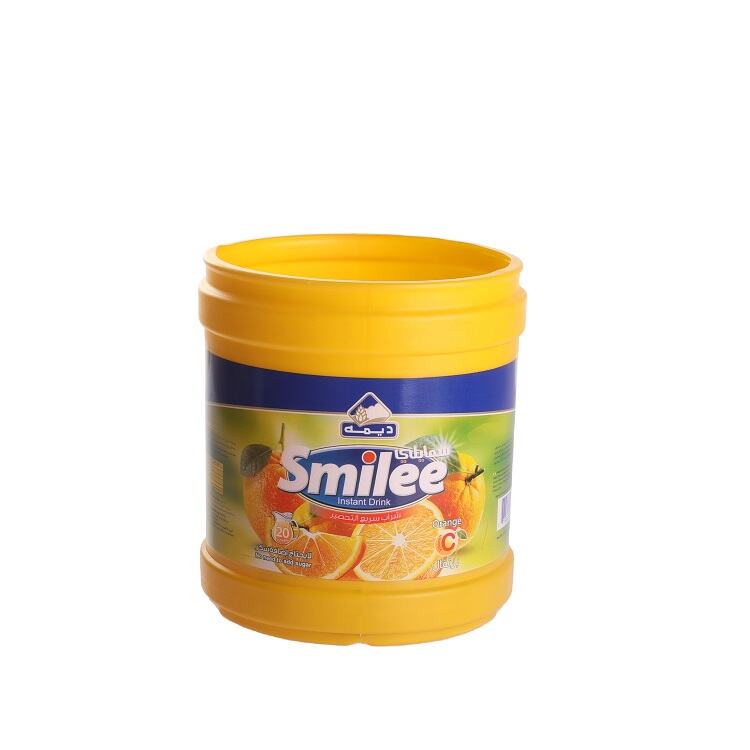
ការសម្រេចបាននូវលទ្ធផលល្អបំផុតជាមួយនឹងការបោះពុម្ពដែលផ្ទេរកំដៅ អាស្រ័យយ៉ាងខ្លាំងលើការកំណត់សីតុណ្ហភាព និងសម្ពាធ នៅលើម៉ាស៊ីនផ្ទេរកំដៅឱ្យបានត្រឹមត្រូវ ដែលត្រូវបានរៀបចំឡើងជាក់លាក់សម្រាប់សារធាតុដែលបានប៉ះពាល់ (substrate) ជាក់លាក់នេះ។ ទោះបើអ្នកកំពុងធ្វើការជាមួយសារធាតុសំពាធដែលផ្សំពីសំពាធដែលផ្សំពីសំពាធដែលផ្សំពីសំពាធដែលផ្សំពីសំពាធដែលផ្សំពីសំពាធដែលផ្សំពីសំពាធដែលផ្សំពីសំពាធដែលផ្សំពីសំពាធដែលផ្សំពីសំពាធដែលផ្សំពីសំពាធដែលផ្សំពីសំពាធដែលផ្សំពីសំពាធដែលផ្សំពីសំពាធដែលផ្សំពីសំពាធដែលផ្សំពីសំពាធដែលផ្សំពីសំពាធដែលផ្សំពីសំពាធដែលផ្សំពីសំពាធដែលផ្សំពីសំពាធដែលផ្សំពីសំពាធដែលផ្សំពីសំពាធដែលផ្សំពីសំពាធដែលផ្សំពីសំពាធដែលផ្សំពីសំពាធដែលផ្សំពីសំពាធដែលផ្សំពីសំពាធដែលផ្សំពីសំពាធដែលផ្សំពីសំព...... សារធាតុនីមួយៗឆ្លើយតបខុសគ្នាទៅនឹងការរួមបញ្ចូលគ្នារវាងកម្លាំងកំដៅ ពេលវេលាដែលទុកកំដៅ (dwell time) និងសម្ពាធ ដែលបានអនុវត្ត។ អ្នកប្រើប្រាស់វិជ្ជាជីវៈដែលយល់ដឹងពីទំនាក់ទំនងស្មុគស្មាញរវាងអថេរទាំងនេះ និងលក្ខណៈរបស់សារធាតុ បានផលិតការផ្ទេរដែលមានគុណភាពខ្ពស់ជាប់គ្នាបានល្អ មានពណ៌ចំរោះ និងមានស្ថេរភាពយូរអង្វែន។ គូសេចក្តីណែនាំទូទៅនេះ សិក្សាអំពីគោលការណ៍សំខាន់ៗដែលគ្រប់គ្រងការកំណត់សីតុណ្ហភាព និងសម្ពាធ នៅលើម៉ាស៊ីនផ្ទេរកំដៅ សម្រាប់សារធាតុប្រភេទផ្សេងៗគ្នា ដោយផ្តល់នូវការយល់ដឹងដែលអាចអនុវត្តបាន ដើម្បីជួយអ្នកដែលចាប់ផ្តើម និងអ្នកដែលមានបទពិសោធន៍ ឱ្យបង្កើនប្រសិទ្ធភាពនៅក្នុងដំណាំផលិតកម្មរបស់ពួកគេ ដោយកាត់បន្ថយការខូចខាតសារធាតុ និងគុណភាពមិនល្អ។
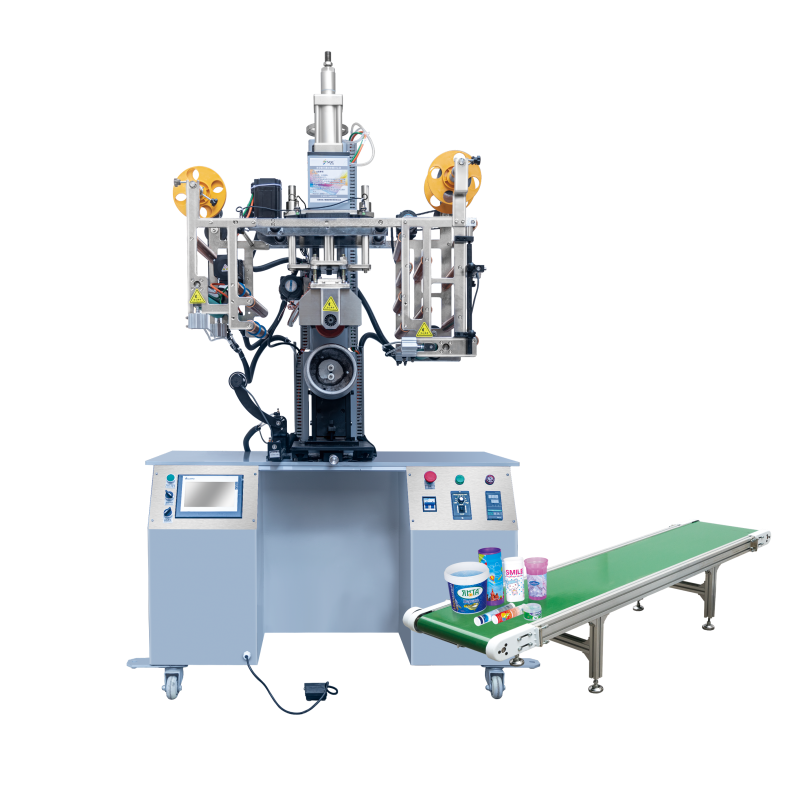
វិទ្យាសាស្ត្រនៅពីក្រោយការផ្ទេរកំដៅប្រកបដោយប្រសិទ្ធភាពពាក់ព័ន្ធនឹងការយល់ដឹងពីរបៀបដែលថាមពលកម្ដៅមានអន្តរកម្មជាមួយរចនាសម្ព័ន្ធប៉ូលីមែរផ្សេងៗគ្នា សមាសធាតុក្រណាត់ និងវាយនភាពផ្ទៃ ដើម្បីបង្កើតចំណងម៉ូលេគុលរវាងឧបករណ៍ផ្ទេរ និងស្រទាប់ខាងក្រោម។ ការកំណត់សីតុណ្ហភាព និងសម្ពាធម៉ាស៊ីនផ្ទេរកំដៅមិនត្រឹមត្រូវអាចបណ្តាលឱ្យមានបញ្ហាគុណភាពជាច្រើន រួមទាំងការស្អិតមិនពេញលេញ ការបន្ថយពណ៌ ការឆេះស្រទាប់ខាងក្រោម ការរបកនៃការផ្ទេរ ឬការបង្ខូចទ្រង់ទ្រាយវិមាត្រ។ ឧបករណ៍ផ្ទេរកំដៅទំនើបផ្តល់ជូននូវប្រព័ន្ធត្រួតពិនិត្យដ៏ទំនើបដែលអនុញ្ញាតឱ្យប្រតិបត្តិករសរសេរកម្មវិធីប៉ារ៉ាម៉ែត្រច្បាស់លាស់ ប៉ុន្តែបញ្ហាប្រឈមជាមូលដ្ឋាននៅតែកំណត់ការកំណត់រចនាសម្ព័ន្ធល្អបំផុតសម្រាប់ការរួមបញ្ចូលគ្នានៃសម្ភារៈតែមួយគត់នីមួយៗ។ ការណែនាំនេះដោះស្រាយជាប្រព័ន្ធនូវតម្រូវការសីតុណ្ហភាព និងសម្ពាធសម្រាប់ប្រភេទសម្ភារៈសំខាន់ៗ ពិនិត្យមើលអថេរដែលមានឥទ្ធិពលលើការកែតម្រូវការកំណត់ និងបង្ហាញយុទ្ធសាស្ត្រដោះស្រាយបញ្ហាដែលជួយប្រតិបត្តិករសម្រេចបាននូវឧត្តមភាពជាប់លាប់នៅទូទាំងសេណារីយ៉ូផលិតកម្មចម្រុះ។
ការយល់ដឹងអំពីគោលការណ៍មូលដ្ឋាននៃការផ្ទេរកំដៅ សីតុណ្ហភាព និងការកំណត់សម្ពាធនៅលើម៉ាស៊ីន
តួនាទីនៃសីតុណ្ហភាពក្នុងការប៉ះពាល់ដល់ការផ្ទេរ និងការឆ្លើយតបរបស់សារធាតុ
សីតុណ្ហភាពបម្រើជាគ្រឿងចក្រសំខាន់សម្រាប់ធ្វើឱ្យដំណាំកើតឡើងក្នុងដំណាំផ្ទៈការផ្ទៈការក្តៅ ដែលប៉ះពាល់ដល់ការផ្លាស់ប្តូរគីមី និងរូបវិទ្យាដែលចាំបាច់សម្រាប់ការភ្ជាប់ប្រព័ន្ធផ្ទៈការក្តៅទៅនឹងផ្ទៃរបស់សារធាតុដែលទទួល។ នៅពេលដែលការកំណត់សីតុណ្ហភាព និងសម្ពាធ នៅលើម៉ាស៊ីនផ្ទៈការក្តៅត្រូវបានកំណត់ឱ្យបានត្រឹមត្រូវ ថាមពលក្តៅនឹងធ្វើឱ្យស្រទាប់ជាប់រលាយ ធ្វើឱ្យថ្នាំពណ៌ប៉ះពាល់ដោយការផ្ទៈការក្តៅ (sublimation dyes) ដំណាំ ឬធ្វើឱ្យស្រទាប់ថ្មីដែលធ្វើពីថ្មី (thermoplastic films) រលាយ ដើម្បីបង្កើតការប៉ះពាល់យ៉ាងជិតស្និតជាមួយសារធាតុដែលទទួល។ សារធាតុផ្សេងៗគ្នាមានលក្ខណៈឆ្លើយតបទៅនឹងការក្តៅខុសៗគ្នា ដែលអាស្រ័យលើសមាសភាពប៉ូលីម៉ែរ រចនាសម្ព័ន្ធសូត្រ និងលក្ខណៈសមត្ថភាពបញ្ជូនកំដៅរបស់វា។ សូត្រធម្មជាតិ ដូចជាបាស៊ីក (cotton) ជាទូទៅត្រូវការសីតុណ្ហភាពខ្ពស់ជាង នៅចន្លោះ ៣៥០–៤០០°F ដើម្បីឱ្យមានការឆ្លងកាត់ និងការភ្ជាប់គ្រប់គ្រាន់ ខណះដែលសារធាតុសំយោគ ដូចជាប៉ូលីអេស្ទ័រ (polyester) ឆ្លើយតបបានល្អបំផុតនៅសីតុណ្ហភាពទាបជាង ចន្លោះ ២៨០–៣៥០°F ដើម្បីការពារការឆេះ ឬរលាយ។
សារធាតុដែលមានសមត្ថភាពបញ្ជូនកំដៅ (thermal conductivity) របស់សារធាតុគ្រឹះ មានឥទ្ធិពលយ៉ាងខ្លាំងលើល្បឿន និងភាពស្មើគ្នាក្នុងការចែកចាយកំដៅទូទាំងតំបន់ផ្ទេរ។ សារធាតុដែលមានសារធាតុដង់ស៊ីតេខ្ពស់ និងមានម៉ាស់កំដៅខ្ពស់ ត្រូវការពេលវេលាដែលយូរជាងឬសីតុណ្ហភាពខ្ពស់ជាង ដើម្បីឱ្យសារធាតុទាំងមូលឈានដល់កម្រិតសកម្មភាពតាមរយៈស្រទាប់សារធាតុគ្រឹះ។ ផ្ទុយទៅវិញ សារធាតុដែលមានស្រទាប់បាក់ ឬសារធាតុដែលអាចរងផលប៉ះពាល់ដោយកំដៅបានយ៉ាងងាយ ត្រូវការការកំណត់សីតុណ្ហភាពដែលមានភាពប្រុងប្រយ័ត្ន ដើម្បីការពារការខូចខាតដោយកំដៅ ខណៈពេលដែលនៅតែអាចទទួលបានថាមពលភ្ជាប់គ្រប់គ្រាន់។ អ្នកប្រើប្រាស់ដែលមានបទពិសោធន៍ខ្ពស់ យល់ដឹងថា ការកំណត់សីតុណ្ហភាព និងសម្ពាធ របស់ម៉ាស៊ីនផ្ទេរកំដៅ ត្រូវគិតគូរមិនតែលើសមាសភាពសារធាតុប៉ុណ្ណោះទេ ថែមទាំងត្រូវគិតគូរលើទម្ងន់សារធាតុ សារធាតុដែលមានការរៀបចំជាប៉ោង (weave density) ការព្យាបាលផ្ទៃ និងការមានសារធាតុសើម។ ការកំដៅមុនសារធាតុគ្រឹះ អាចធ្វើឱ្យការផ្ទេរមានភាពស៊ីសង្វាក់គ្នាបានល្អប្រសើរឡើង ដោយការដកសារធាតុសើមចេញ និងធ្វើឱ្យសីតុណ្ហភាពផ្ទៃស្មើគ្នាជាមុន មុនពេលអនុវត្តសារធាតុផ្ទេរ។
យន្តការនៃការអនុវត្តសម្ពាធ និងភាពស្មើគ្នានៃការប៉ះ
ការអនុវត្តសម្ពាធក្នុងដំណាំការផ្ទេរកំដៅ ធានាបាននូវការប៉ះទង្គិចគ្នាដែលជិតស្និតគ្នារវាងប្រព័ន្ធផ្ទេរកំដៅ និងផ្ទៃរបស់សារធាតុដែលផ្ទេរ នៅទូទាំងតំបន់ផ្ទេរទាំងមួយ ដែលជាការប៉ះទង្គិចគ្នាដែលគ្មានចន្លោះខ្យល់ ដែលអាចប៉ះពាល់ដល់ការផ្ទេរកំដៅ និងការប៉ះពាល់ដល់ការប៉ះទង្គិចគ្នាដែលបណ្តាលមកពីសារធាតុជាប់។ ការកំណត់សីតុណ្ហភាព និងសម្ពាធ ដែលបានប្រើប្រាស់បានល្អបំផុតសម្រាប់ម៉ាស៊ីនផ្ទេរកំដៅ គឺជាការប៉ះទង្គិចគ្នាដែលមានសមត្ថភាពគ្រប់គ្រាន់ដើម្បីបង្កើតការប៉ះទង្គិចគ្នាដែលពេញលេញលើផ្ទៃទាំងមួយ ដោយមិនបង្កើតសម្ពាធហួសហេតុ ដែលអាចប៉ះពាល់ដល់រចនាសម្ព័ន្ធរបស់សារធាតុ ប៉ះពាល់ដល់សូត្រសារធាតុ ឬបង្កើតសញ្ញាស្លាកភ្លឺដែលមិនចង់បាន។ សម្ពាធធម្មតាដែលត្រូវការ មានជួរចាប់ពី ៤០ ដល់ ៨០ PSI អាស្រ័យលើលក្ខណៈរបស់សារធាតុ ដែលផ្ទៃរឹងត្រូវការសម្ពាធខ្ពស់ជាង ហើយសារធាតុទន់ៗដូចជាប៉ាក់ ប្រសើរជាងនៅកម្រិតសម្ពាធមធ្យម។
សារធាតុនៃការចែកចាយសម្ពាធឱ្យស្មើគ្នាលើផ្ទៃបន្ទះកំដៅ មានឥទ្ធិពលដោយផ្ទាល់លើភាពស៊ីសង្វាក់គ្នានៃគុណភាពការផ្ទេរ ជាពិសេសនៅពេលដែលធ្វើការជាមួយរូបភាពដែលមានទំហំធំ ឬផ្ទៃសារធាតុដែលមានអត្ថន័យ (textured)។ ឧបករណ៍ផ្ទេរកំដៅដែលមានប្រព័ន្ធសម្ពាធដែលប្រើខ្យល់ (pneumatic) ឬប្រព័ន្ធសម្ពាធដែលប្រើទឹក (hydraulic) រួមទាំងសមត្ថភាពគ្រប់គ្រងឌីជីថល អនុញ្ញាតឱ្យកំណត់សម្ពាធបានយ៉ាងច្បាស់លាស់ និងរក្សាសម្ពាធស្មើគ្នាបានជាប់គ្នាតាមរយៈវដ្តផ្ទេរទាំងមូល។ អ្នកប្រើប្រាស់ត្រូវយកចិត្តទុកដាក់ថា ការកំណត់សីតុណ្ហភាព និងសម្ពាធនៅលើម៉ាស៊ីនផ្ទេរកំដៅ មានទំនាក់ទំនងគ្នាដោយផ្ទាល់ ព្រោះសីតុណ្ហភាពខ្ពស់អាចធ្វើឱ្យសារធាតុទន់ចុះ ហើយបន្ថយសម្ពាធដែលត្រូវការសម្រាប់ការប៉ះទង្គិលបានប្រសើរ។ ផ្ទុយទៅវិញ សម្ពាធមិនគ្រប់គ្រាន់អាចទាមទារឱ្យកំណត់សីតុណ្ហភាពឱ្យកើនឡើងដើម្បីឱ្យបានការភ្ជាប់គ្នាដែលគ្រប់គ្រាន់ ដែលប្រហែលជាបណ្តាលឱ្យបាក់សារធាតុ។ ការប្រតិបត្តិការវិជ្ជាជីវៈជាទូទៅ តែងតែធ្វើការកែតម្រូវប្រព័ន្ធសម្ពាធ និងពិនិត្យមើលភាពស្មើគ្នារវាងផ្ទៃបន្ទះកំដៅ ដើម្បីធានាថា ការប៉ះទង្គិលគ្នាមានភាពស្មើគ្នាលើផ្ទៃប្រើប្រាស់ទាំងមូល។
ការពិចារណាលើរយៈពេលនៅ (Dwell Time) ក្នុងវដ្តផ្ទេរទាំងមូល
ពេលវេលាដែលគង់នៅ (Dwell time) តំណាងឱ្យរយៈពេលដែលកំដៅ និងសម្ពាធ នៅលើម៉ាស៊ីនផ្ទៈកំដៅត្រូវបានរក្សាទុកជាប់នឹងផ្ទៃដែលត្រូវផ្ទៈ ដើម្បីអនុញ្ញាតឱ្យថាមពលកំដៅចូលទៅក្នុងផ្ទៃនោះបានគ្រប់គ្រាន់ និងធ្វើឱ្យសារធាតុជាប់គ្នាកើតមានប្រសិទ្ធភាព ដើម្បីបំពេញដំណាំការភ្ជាប់។ អថេរពេលវេលានេះដំណើរការរួមគ្នាជាមួយនឹងកំដៅ និងសម្ពាធ ដើម្បីកំណត់ភាពជោគជ័យសរុបនៃការផ្ទៈ ដែលពេលវេលាដែលគង់នៅជាទូទៅមានចាប់ពី ១០ ដល់ ៣០ វិនាទី អាស្រ័យលើលក្ខណៈសម្បត្តិរបស់សម្ភារៈ និងលក្ខណៈរបស់ប្រព័ន្ធផ្ទៈ។ សម្ភារៈដែលមានស្រទាប់ក្រាស់ ឬសម្ភារៈដែលមានសមត្ថភាពបញ្ជូនកំដៅទាប ជាទូទៅត្រូវការពេលវេលាគង់នៅយូរជាង ដើម្បីធានាថា កំដៅអាចឆ្លងកាត់ទៅដល់ផ្ទៃភ្ជាប់បានគ្រប់គ្រាន់ ខណៈដែលសម្ភារៈដែលមានស្រទាប់បារុង អាចសម្រេចបាននូវការបំពេញប្រសិទ្ធភាពយ៉ាងឆាប់រហ័ស ហើយអាចរងផលប៉ះពាល់អាក្រក់បាន ប្រសិនបើបានទទួលកំដៅយូរពេក។
ទំនាក់ទំនងរវាងពេលវេលាដែលគេប្រើសម្រាប់ការដាក់សំពាធនិងសីតុណ្ហភាព អនុញ្ញាតឱ្យបង្កើនប្រសិទ្ធិភាពដំណាំដោយផ្អែកលើតម្រូវការផលិតកម្ម និងដែនកំណត់នៃសម្ភារៈ។ សីតុណ្ហភាពខ្ពស់ជាងនេះអាចបន្ថយពេលវេលាដែលត្រូវការសម្រាប់ការដាក់សំពាធ ដែលធ្វើឱ្យបរិមាណផលិតកម្មកើនឡើងសម្រាប់ប្រតិបត្តិការផលិតច្រើន ខណៈដែលការកំណត់សីតុណ្ហភាពដែលមានលក្ខណៈប្រុថ្យន៍ជាង រួមគ្នាជាមួយនឹងពេលវេលាដែលប៉ះទង្គិលយូរជាង ផ្តល់ប្រអប់ដែលមានសុវត្ថិភាពសម្រាប់ដំណាំសម្ភារៈដែលមានភាពប៉ះទង្គិល។ ការកំណត់សីតុណ្ហភាព និងសម្ពាធ សម្រាប់ម៉ាស៊ីនដែលផ្ទេរកំដៅ ត្រូវបានបង្កើតឡើងតាមរយៈការសាកល្បងប្រព័ន្ធដែលគ្របដណ្តប់លើចន្លោះប៉ារ៉ាម៉ែត្រទាំងមូល ហើយកត់ត្រាលទ្ធផលដើម្បីកំណត់ការរួមបញ្ចូលគ្នាដែលល្អបំផុត ដែលប៉ះទង្គិលរវាងប្រសិទ្ធិភាពផលិតកម្ម និងភាពស៊ីសង្វាក់គ្នានៃគុណភាព។ ឧបករណ៍ទំនើបដែលមានកម្មវិធីគ្រប់គ្រងដែលអាចកម្មវិធីបាន អនុញ្ញាតឱ្យអ្នកប្រើប្រាស់រក្សាទុកសំណុំប៉ារ៉ាម៉ែត្រដែលបានផ្ទៀងផ្ទាត់សម្រាប់ប្រភេទសម្ភារៈផ្សេងៗគ្នា ដែលធានាបាននូវភាពអាចធ្វើម្តងទៀតបាន និងកាត់បន្ថយពេលវេលាកំណត់នៅពេលផ្លាស់ប្តូររវាងការផលិត។
ការកំណត់សីតុណ្ហភាព និងសម្ពាធ សម្រាប់ម៉ាស៊ីនផ្ទេរកំដៅ សម្រាប់សម្ភារៈសរសៃធម្មជាតិ
ប៉ារ៉ាម៉ែត្រសម្រាប់ដំណាំសម្ភារៈប៉ាក់ (Cotton) សម្រាប់អត្ថបទ
សារធាតុប៉ាក់ដែលផ្សំពីស៊ីវ៉ែល គឺជាប្រភេទសារធាតុមួយក្នុងចំណោមសារធាតុដែលប្រើញឹកញាប់បំផុតសម្រាប់ការអនុវត្តការផ្ទេរកំដៅ ហើយតម្រូវឱ្យមានការកំណត់សីតុណ្ហភាព និងសម្ពាធ នៅលើម៉ាស៊ីនផ្ទេរកំដៅដែលមានស្ថេរភាពខ្ពស់ ដើម្បីឱ្យការភ្ជាប់ជាមួយប្រភេទមេឌៀផ្ទេរផ្សេងៗគ្នាមានភាពជាប់គ្រាន់ និងរឹងមាំ។ សារធាតុប៉ាក់ស៊ីវ៉ែលស្តង់ដារ ជាទូទៅដំណាំបានល្អបំផុតនៅពេលកំណត់សីតុណ្ហភាពរវាង ៣៥០–៤០០°F សម្ពាធប្រហែល ៦០–៨០ PSI និងពេលវេលាដែលទុកឱ្យកំដៅស្ថិតនៅលើសារធាតុ (dwell time) រវាង ១៥–២០ វិនាទី។ រចនាសម្ព័ន្ធសូត្រស៊ីវ៉ែលធម្មជាតិ មានស្ថេរភាពកំដៅល្អនៅសីតុណ្ហភាពខ្ពស់ទាំងនេះ ហើយផ្តល់នូវភាពរាវរាយនៅផ្ទៃគ្រប់គ្រាន់សម្រាប់ការឆ្លងចូលនៃសារធាតុភ្ជាប់។ ទោះយ៉ាងណា អ្នកប្រើប្រាស់ត្រូវតែប្រុងប្រយ័ត្នចំពោះភាពខុសគ្នានៃទម្ងន់សារធាតុ ព្រោះសារធាតុប៉ាក់ដែលស្រាលអាចត្រូវការការកំណត់សីតុណ្ហភាពទាបជាង នៅជិត ៣៤០°F ដើម្បីជៀសវាងការឆេះ ខណៈដែលសារធាតុប៉ាក់ដែលមានទម្ងន់ច្រើន ដូចជាប៉ាក់កាណវាស ឬប៉ាក់ដេនីម អាចទ្រាំនូវសីតុណ្ហភាពដល់ទៅ ៤២០°F ដើម្បីឱ្យការភ្ជាប់កាន់តែប្រសើរ។
ដំណាំដំបូងមានឥទ្ធិពលយ៉ាងខ្លាំងទៅលើការកំណត់សីតុណ្ហភាព និងសម្ពាធ ដែលល្អបំផុតសម្រាប់ម៉ាស៊ីនផ្ទៈកំដៅលើសារធាតុបាក់កាក់។ សារធាតុដែលបានឆ្លងកាត់ការប្រើប្រាស់សារធាតុប៉ុះស្រាល សារធាតុធ្វើឱ្យទន់ ឬសារធាតុបញ្ចប់ផ្ទៃ អាចត្រូវការការសំអាតជាមុនដើម្បីដកសារធាតុប៉ះពាល់ផ្ទៃចេញ ដែលរារាំងការភ្ជាប់គ្នាដោយសារសារធាតុប៉ះស្រាល។ លើសពីនេះទៀត សារធាតុបាក់កាក់មានសារធាតុទឹកធម្មជាតិ ដែលអាចបង្កើតបានជាប្រអប់ស្ពាន់ក្នុងពេលដែលប្រើកំដៅ ហើយបណ្តាលឱ្យមានបញ្ហាក្នុងការផ្ទៈកំដៅ។ ការប្រតិបត្តិការវិជ្ជាជីវៈជាទូទៅអនុវត្តជំហានប៉ះស្ពាន់ជាមុន ដោយប្រើកំដៅ និងសម្ពាធ មធ្យមអស់រយៈពេល ៣-៥ វិនាទី ដើម្បីដកសារធាតុទឹកចេញ និងធ្វើឱ្យផ្ទៃសារធាតុរាបសាមី។ ជំហានរៀបចំនេះអនុញ្ញាតឱ្យដំណាំផ្ទៈកំដៅបន្ទាប់ទៅដំណើរការបានដោយប្រើសីតុណ្ហភាពខ្ពស់ជាងមុន និងរយៈពេលខ្លីជាងមុន ដែលជួយបង្កើនប្រសិទ្ធភាពផលិតកម្ម ខណៈដែលនៅតែរក្សាស្តង់ដារគុណភាព។
ការពិចារណាលើសារធាតុលីនេន និងសារធាតុផ្សេងៗទៀតដែលមកពីរុក្ខជាតិ
សារធាតុប៉ាក់, សារធាតុផ្សេងៗទៀតដែលមានប្រភពពីរុក្ខជាតិ និងសារធាតុផ្សេងៗទៀត មានលក្ខណៈរចនាសម្រាប់ស្រដៀងគ្នាជាមួយសារធាតុបាវ ប៉ុន្តែជាទូទៅមានសារធាតុសរសៃដែលមានភាពរឹង និងមានភាពមិនស្មើគ្នាលើផ្ទៃ ដែលប៉ះពាល់ដល់ការកំណត់សីតុណ្ហភាព និងសម្ពាធ សម្រាប់ម៉ាស៊ីនផ្ទេរកំដៅដែលសមស្របបំផុត។ សារធាតុទាំងនេះជាទូទៅត្រូវការសីតុណ្ហភាពខ្ពស់ជាងបន្តិច ក្នុងជួរ ៣៧០–៤១០°F និងសម្ពាធកើនឡើងបន្តិច ប្រហែល ៧០–៩០ PSI ដើម្បីធានាថា ផ្ទៃទាំងមូលមានការប៉ះពាល់គ្នាយ៉ាងពេញលេញ លើរូបរាងផ្ទៃដែលមិនស្មើគ្នា។ សរសៃដែលមានប្រវែងវែងជាង និងគ្រាប់សារធាតុដែលមានរូបរាងមិនស្មើគ្នាដែលជាប្រក្រតីនៅលើសារធាតុប៉ាក់ អត្ថប្រយោជន៍ពីពេលវេលាដែលប្រើប្រាស់យូរជាង ប្រហែល ២០–២៥ វិនាទី ដែលអនុញ្ញាតឱ្យថាមពលកំដៅឆ្លងកាត់ចន្លោះសរសៃ និងធ្វើឱ្យសារធាតុជាប់គ្នាសកម្មទូទាំងតំបន់ផ្ទេរ។
ការមានសណ្ឋានជ្រួលដោយធម្មជាតិនៅលើក្រណាត់លីនេន បង្កើតបញ្ហាបន្ថែមនៅពេលកំណត់សីតុណ្ហភាព និងសម្ពាធ របស់ម៉ាស៊ីនផ្ទេរកំដៅឱ្យបានល្អបំផុត។ អ្នកប្រើប្រាស់ត្រូវធានាថា ក្រណាត់ត្រូវបានចុច និងធ្វើឱ្យស្ថិតស្ថេរយ៉ាងហ្មត់ចត់មុនពេលអនុវត្តការផ្ទេរ ព្រោះសណ្ឋានជ្រួលដែលនៅសល់អាចបង្កើតតំបន់ដែលមានសម្ពាធមិនស្មើគ្នា ដែលបណ្តាលឱ្យការផ្ទេរមិនពេញលេញ ឬបន្ទាត់ដែលមានបញ្ហាអំពីសារធាតុជាប់។ ការប្រើប្រាស់សន្លឹកការពារ (release sheets) រវាងផ្ទៃចុចកំដៅ និងប្រព័ន្ធផ្ទេរ ជួយចែកចាយសម្ពាធឱ្យស្មើគ្នាបន្ថែមទៀតលើផ្ទៃក្រណាត់លីនេនដែលមានសណ្ឋានមិនរាបសាម។ អ្នកប្រើប្រាស់ដែលមានបទពិសោធន៍ខ្ពស់ខ្លះ បន្ថយសីតុណ្ហភាពបន្តិចបន្តួចចំនួន ១០–១៥°F ខណៈពេលដែលបង្កើនពេលវេលាដែលផ្ទេរ (dwell time) ឱ្យសមស្រប នៅពេលដំណាំក្រណាត់លីនេនគុណភាពខ្ពស់ ដើម្បីកាត់បន្ថយសញ្ញាស្លាប់ (shine marks) និងរក្សាសណ្ឋានធម្មជាតិរបស់ក្រណាត់។
ការប៉ះប៉ះសីតុណ្ហភាព និងសម្ពាធ របស់ម៉ាស៊ីនផ្ទេរកំដៅសម្រាប់សម្ភារៈសំយោគ
សេចក្តីកំណត់អំពីការដំណាំក្រណាត់ប៉ូលីអេស្ទ័រ
សារធាតុប៉ូលីអេស្ទ័រគ្របដណ្តប់ទីផ្សារសម្ល dress កីឡា សម្ល dress ប្រក្បដោយប្រសិទ្ធភាព និងសារធាតុប៉ាក់សំពត់ផ្សព្វផ្សាយ ដែលតម្រូវឱ្យមានការកំណត់សីតុណ្ហភាព និងសម្ពាធ សម្រាប់ម៉ាស៊ីនផ្ទេរកំដៅដែលបានគណនាយ៉ាងប្រុងប្រយ័ត្ន ដើម្បីសម្របទៅនឹងចំណុចរលាយទាបជាងសារធាតុធម្មជាតិ។ សារធាតុប៉ូលីអេស្ទ័រធម្មតាមានប្រសិទ្ធភាពល្អបំផុតជាមួយសីតុណ្ហភាពរវាង ២៨០–៣២០°F សម្ពាធមធ្យមប្រហែល ៤០–៦០ PSI និងពេលវេលាផ្ទេរ (dwell time) ១២–១៨ វិនាទី។ ប៉ារាម៉ែត្រកំដៅដែលមានលក្ខណៈប្រុងប្រយ័ត្ននេះ ការពារការប៉ះពាល់ដល់ផ្ទៃសារធាតុ (substrate) ដូចជា ការបង្កើតផ្ទៃថ្លា (glazing) រលាយ ឬប៉ះពាល់ដល់រាង ខណៈពេលដែលនៅតែផ្តល់ថាមពលកំដៅគ្រប់គ្រាន់សម្រាប់ដំណាំសារធាតុរាវ (sublimation dyes) ឬការផ្ទេរដែលមានស្រទាប់ជាប់ (adhesive-backed transfers)។ រចនាសម្ព័ន្ធប៉ូលីម៉ែរសំយោគរបស់ប៉ូលីអេស្ទ័របង្ហាញពីសមត្ថភាពទទួលយកសារធាតុរាវ (dye receptivity) បានល្អឥតខ្ចះខ្ចាយតាមរយៈដំណាំសារធាតុរាវ (sublimation processes) ដែលធ្វើឱ្យវាក្លាយជាផ្ទៃសារធាតុដែលបានគេប្រើច្រើនបំផុតសម្រាប់ការផ្ទេររូបថតពេញពណ៌ និងការអនុវត្តក្រាហ្វិកស្មុគស្មាញ។
ការប្រែប្រួលនៅក្នុងការសាងសង់សម្ភារៈប៉ូលីអេស្ទ័រ មានឥទ្ធិពលយ៉ាងខ្លាំងដល់ការកំណត់សីតុណ្ហភាព និងសម្ពាធ ដែលល្អបំផុតសម្រាប់ម៉ាស៊ីនផ្ទេរកំដៅ។ សម្ភារៈប៉ូលីអេស្ទ័រប្រភេទមីក្រូហ្វាយប៊ែរ ដែលមានប្រវែងសូត្រតូចជាងគេ ត្រូវការសីតុណ្ហភាពទាបជាង នៅជិត ២៧០–២៩០°F ដើម្បីការពារការខូចខាតនៅផ្ទៃខាងក្រៅ ខណះដែលសម្ភារៈប៉ូលីអេស្ទ័រប្រភេទផ្លែក ឬប្រភេទបណ្តាញសម្រាប់ការហាត់ប្រាណ ដែលមានទម្ងន់ច្រើនជាង អាចទប់ទល់នឹងសីតុណ្ហភាពបានដល់ ៣៤០°F។ សម្ភារៈដែលបានលាយគ្នារវាងប៉ូលីអេស្ទ័រ និងសំពាធឬរ៉េយ៉ូន ត្រូវការការកំណត់សីតុណ្ហភាព និងសម្ពាធ ដែលជាការសម្របសម្រួលគ្នារវាងតម្រូវការរបស់សូត្រទាំងពីរប្រភេទ ដែលជាទូទៅដំណាំនៅសីតុណ្ហភាព ៣២០–៣៥០°F ជាមួយសម្ពាធមធ្យម និងពេលវេលាដែលយូរជាងធម្មតា។ អ្នកប្រើប្រាស់ដែលធ្វើការជាមួយ ការកំណត់សីតុណ្ហភាព និងសម្ពាធ សម្រាប់ម៉ាស៊ីនផ្ទេរកំដៅ សម្រាប់សម្ភារៈប៉ូលីអេស្ទ័រ គួរធ្វើការផ្ទេរសាកល្បងលើគំរូសម្ភារៈមុនពេលផលិតជាសេរី ដើម្បីផ្ទៀងផ្ទាត់ភាពច្បាស់លាស់នៃពណ៌ គុណភាពនៃការជាប់ និងការគ្មានការខូចខាតនៅលើសម្ភារៈដែលកំពុងត្រូវបានដំណាំ ដែលមានសមាសភាពជាក់លាក់។
តម្រូវការដំណាំសម្រាប់សំពាធនិងសម្ភារៈសំយោគពិសេស
សារធាតុណាយឡុនបង្ហាញពីបញ្ហាដែលមានលក្ខណៈពិសេសសម្រាប់ដំណាំការផ្ទៈកំដៅ ដោយសារតែចំណុចរលាយទាបជាងគេ និងសារធាតុមាននៅក្នុងសារធាតុណាយឡុនមាននៅក្នុងការផ្លាស់ប្តូរពណ៌ដែលបណ្តាលមកពីកំដៅ។ ការកំណត់សីតុណ្ហភាព និងសម្ពាធ សម្រាប់ម៉ាស៊ីនផ្ទៈកំដៅដែលប្រើលើសារធាតុណាយឡុន ជាទូទៅគឺស្ថិតនៅក្នុងជួរសីតុណ្ហភាព ២៦០–៣០០°F ប្រើសម្ពាធស្រាលទៅមធ្យមប្រហែល ៣០–៥០ PSI និងប្រើពេលវេលាផ្ទៈខ្លីប្រហែល ៨–១២ វិនាទី។ ប៉ារាម៉ែត្រទាំងនេះដែលមានលក្ខណៈប្រុថ្យាន អាចកាត់បន្ថយហានិភ័យនៃការរលាយ ឬការផ្លាស់ប្តូរពណ៌ទៅជាស្វាយរាងនៅលើសារធាតុ ខណៈពេលដែលនៅតែអាចទទួលបានការផ្ទៈដែលមានភាពជាប់គ្នាបានគ្រប់គ្រាន់សម្រាប់ការប្រើប្រាស់ដែលមិនតម្រូវឱ្យមានភាពធន់ទ្រាំខ្ពស់ជាងគេ។ អ្នកប្រើប្រាស់ត្រូវប្រុថ្យានជាពិសេសនឹងសារធាតុណាយឡុនពណ៌ស ឬពណ៌ស្រាល ព្រោះសារធាតុទាំងនេះមានសារធាតុស្រាលជាងគេចំពោះការផ្លាស់ប្តូរពណ៌ទៅជាស្វាយរាងដែលបណ្តាលមកពីកំដៅ ដែលអាចប៉ះពាល់ដល់ភាពស្អាតនៃរូបរាង។
សម្ភារៈសំយោគពិសេស រួមទាំងសំពត់ដែលមានស្បែក spandex, lycra និង elastane ត្រូវការការពិចារណាបន្ថែមនៅពេលកំណត់សីតុណ្ហភាព និងសម្ពាធ សម្រាប់ម៉ាស៊ីនផ្ទេរកំដៅ។ សំពត់អេឡាស្ទិកទាំងនេះអាចបាត់បង់លក្ខណៈសមត្ថភាពស្តាយត្រឡប់វិញ នៅពេលបានប៉ះទង្គិចនឹងកំដៅ ឬសម្ពាធ ខ្ពស់ពេក ដែលធ្វើឱ្យចាំបាច់ត្រូវប្រើប៉ារ៉ាម៉ែត្រដំណាំដែលទន់ភ្លាមៗ។ សីតុណ្ហភាពគួរតែនៅក្រោម ៣០០°F សម្ពាធ មិនគួរលើសពី ៤០ PSI ហើយអ្នកប្រើប្រាស់គួរជៀសវាងការទាញសំពត់ឱ្យហួលពេក ក្នុងអំឡុងពេលផ្ទេរ។ អ្នកប្រើប្រាស់ដែលមានបទពិសោធន៍ខ្ពស់ខ្លះ ប្រើប្រាស់ប្រព័ន្ធផ្ទេរកំដៅប្រភេទពិសេស ដែលមានសីតុណ្ហភាពទាប សម្រាប់សំពត់អេឡាស្ទិក ដែលអនុញ្ញាតឱ្យបានផ្ទេរគ្រឿងអលង្ការដោយជោគជ័យលើសំលៀកប៉ាក់សម្រាប់ការហាត់ប្រាណ និងសំលៀកប៉ាក់ដែលមានលក្ខណៈអេឡាស្ទិក។ ការសាកល្បងការផ្ជាប់នៃការផ្ទេរ បន្ទាប់ពីការលាង និងការទាញសំពត់ច្រើនដង ជួយផ្ទៀងផ្ទាត់ថា ការកំណត់សីតុណ្ហភាព និងសម្ពាធ សម្រាប់ម៉ាស៊ីនផ្ទេរកំដៅ ដែលបានជ្រើសរើស ផ្តល់នូវភាពធន់នៅក្នុងបរិស្ថានការប្រើប្រាស់ដែលបានគ្រោងទុក។
ការកំណត់សីតុណ្ហភាព និងសម្ពាធ សម្រាប់ម៉ាស៊ីនផ្ទេរកំដៅដែលបានរចនាជាក់លាក់សម្រាប់វត្ថុធាតុ
បច្ចេកទេសដំណាំសំពាធសំបកសត្វ និងសំបកសត្វក្លែងក្លាយ
សំបកសត្វពិតត្រូវការការកំណត់សីតុណ្ហភាព និងសម្ពាធ សម្រាប់ម៉ាស៊ីនផ្ទេរកំដៅដែលបានរចនាជាក់លាក់ ដើម្បីគោរពសមាសភាពអាឡៃហ្សេនិក និងការប្រែប្រួលធម្មជាតិរបស់វាក្នុងចំណោមស្រទាប់កម្រាស់ និងសារធាតុដង់ស៊ីតេ។ ប៉ារាម៉ែត្រនៃការដំណាំសំពាធសំបកសត្វ ជាទូទៅរួមមានសីតុណ្ហភាពមធ្យមចន្លោះ ២៨០–៣៣០°F សម្ពាធរឹងចន្លោះ ៦០–៨០ PSI និងពេលវេលាដែលទុកឱ្យស្ថិតនៅលើផ្ទៃយូរចន្លោះ ២០–៣០ វិនាទី ដើម្បីធានាថា សារធាតុជាប់គ្នាអាចឆ្លងចូលទៅក្នុងរចនាសម្ព័ន្ធផ្ទៃដែលមានរន្ធតូចៗរបស់សំបកសត្វបាន។ សំបកសត្វធម្មជាតិបង្ហាញពីការឆ្លើយតបទៅនឹងកំដៅដែលប្រែប្រួល ដោយសារវិធីសាស្ត្រការពារសំបកសត្វ ការព្យាបាលដោយថ្នាំបាក់ និងការប៉ះផ្ទៃ ដែលបណ្តាលឱ្យត្រូវធ្វើការសាកល្បងជាមុននៅលើតំបន់ដែលមិនសូវសង្កេតឃើញ មុននឹងបន្តដំណាំសំពាធលើផ្ទៃដែលមានការតុបតែងដែលអាចមើលឃើញបាន។ អ្នកប្រើប្រាស់ត្រូវតែតាមដានការងងឹតឡើងនៅលើផ្ទៃ ការផ្លាស់ប្តូរអត្តលក្ខណ៍ ឬការរាលាប់នៃប្រេង ដែលអាចកើតឡើងនៅពេលការកំណត់សីតុណ្ហភាព និងសម្ពាធ សម្រាប់ម៉ាស៊ីនផ្ទេរកំដៅ លើសពីដែនកំណត់ដែលសំបកសត្វអាចទ្រាំបាន។
សារធាតុផ្សេងៗដែលជាប្រភេទស្បែកក្លែង និងស្បែកសំយោគដែលបានគ្របដណ្តប់ដោយប៉ូលីយូរ៉េថាន បង្ហាញពីបញ្ហាប្រឈមផ្សេងៗគ្នាក្នុងដំណាំការ ប្រៀបធៀបទៅនឹងស្បែកពិតៗ។ សារធាតុទាំងនេះជាទូទៅមានសមត្ថភាពទ្រាំនឹងសីតុណ្ហភាពទាបជាង ដោយសារតែស្រទាប់គ្របដណ្តប់ដែលមានលក្ខណៈថ្លា (thermoplastic) ដែលទាមទារឱ្យកំណត់សីតុណ្ហភាព និងសម្ពាធ នៅលើម៉ាស៊ីនផ្ទេរកំដៅឱ្យមានការប្រុងប្រយ័ត្ន នៅជុំវិញ ២៥០–២៩០°F ដើម្បីការពារការបែកចេញ ឬរលាយនៃស្រទាប់គ្របដណ្តប់។ ការអនុវត្តសម្ពាធ ត្រូវបានគ្រប់គ្រងយ៉ាងប្រុងប្រយ័ត្ន ដើម្បីជៀសវាងការប៉ះពាល់ដល់រូបរាងផ្ទៃ ឬបង្កើតជាសញ្ញាសម្ពាធ ដែលមិនអាចបាត់បាក់បាន លើស្បែកក្លែងដែលមានស្រទាប់ហ្វូម។ ការប្រើប្រាស់ក្រដាសប៉ះពាល់ដែលបានគ្របដណ្តប់ដោយស៊ីលីកុន រវាងផ្ទៃកំដៅ និងប្រព័ន្ធផ្ទេរកំដៅ ជួយការពារផ្ទៃស្បែកក្លែងដែលមានភាពប៉ះពាល់ងាយស្រួល ខណៈពេលដែលធានាបាននូវការចែកចាយសម្ពាធ ដែលស្មើគ្នា។ ស្បែកក្លែងដែលមានគុណភាពខ្ពស់មួយចំនួន បានបញ្ចូលស្រទាប់កំពូលពិសេស ដែលត្រូវបានរចនាឡើងដើម្បីទទួលយកការតុបតែងដោយកំដៅ ហើយអ្នកផលិតជាញឹកញាប់ផ្តល់ជាមួយនឹងសេចក្តីណែនាំអំពីប៉ារ៉ាម៉ែត្រដែលគួរប្រើ ដែលអ្នកប្រើប្រាស់គួរតែអនុវត្តយ៉ាងតឹងរ៉ឹង ដើម្បីទទួលបានលទ្ធផលល្អបំផុត។
ការពិចារណាលើសម្ភារៈដែលបានគ្របដណ្តប់ និងដែលបានដំណាំ
សម្ភារៈដែលមានសមត្ថភាពប្រកបដោយប្រសិទ្ធភាព ដែលមានស្រទាប់ការពារទឹក ស្រទាប់ប្រឆាំងភ្លើង ឬស្រទាប់ប្រឆាំងបាក់តេរី តម្រូវឱ្យមានការកែសម្រួលសីតុណ្ហភាព និងសម្ពាធ នៅលើម៉ាស៊ីនផ្ទេរកំដៅ ដើម្បីសមស្របនឹងលក្ខណៈគីមីនៃស្រទាប់ដែលបានដំណាំ។ ស្រទាប់ពិសេសទាំងនេះអាចរារាំងការភ្ជាប់ជាមួយសារធាតុជាប់ ឬអាចរលាយខូចនៅក្រោមលក្ខខណ្ឌផ្ទេរកំដៅធម្មតា ដែលបង្កើតឱ្យមានការចាំបាច់ត្រូវបន្ថយប៉ារាម៉ែត្រកំដៅ ឬប្រើវិធីផ្ទេរផ្សេងៗ។ ឧទាហរណ៍ សម្ភារៈញ៉ូឡុងដែលបានគ្របដណ្តប់ដើម្បីការពារទឹក ជាទូទៅតម្រូវឱ្យមានសីតុណ្ហភាពទាបជាង ២៨០°F និងសម្ពាធស្រាលប្រហែល ៣៥–៥០ PSI ដើម្បីការពារការខូចស្រទាប់ ខណៈពេលដែលទទួលបានការភ្ជាប់ដែលអាចទទួលយកបាន។ អ្នកប្រើប្រាស់គួរស្នើសុំព័ត៌មានបច្ចេកទេសពីអ្នកផ្គត់ផ្គង់សម្ភារៈ ដែលទាក់ទងនឹងសីតុណ្ហភាពដែលអាចទ្រាំបានខ្ពស់បំផុត និងប្រភេទមេឌៀផ្ទេរដែលសមស្រប។
សម្ភារៈដែលឆ្លុះពន្លឺ និងសម្ភារៈដែលមានភាពច្បាស់លាស់ខ្ពស់ បង្កើតបញ្ហាបន្ថែមក្នុងការកំណត់សីតុណ្ហភាព និងសម្ពាធ ដែលសមស្របសម្រាប់ម៉ាស៊ីនផ្ទេរកំដៅ។ ស្រទាប់សំបកឆ្លុះដែលផ្តល់នូវសមត្ថភាពឃើញច្បាស់ ជាញឹកញាប់មានភាពអាក្រក់ចំពោះកំដៅ និងសម្ពាធ ហើយអាចបាត់បង់លក្ខណៈឆ្លុះ ប្រសិនបើបានប៉ះទង្វើដោយការដំណាំដែលមានកម្លាំងខ្លាំងពេក។ ការកំណត់ដែលមានសណ្តោម ដោយប្រើសីតុណ្ហភាពប្រហែល ២៧០–៣០០°F សម្ពាធមធ្យម និងពេលវេលាដែលគង់នៅតិចប៉ុណ្ណោះ ជួយរក្សាសមត្ថភាពឆ្លុះឱ្យនៅស្ថិតស្ថេរ ខណៈពេលដែលអនុវត្តការផ្ទេរសម្រាប់គ្រប់គ្រងរូបរាង។ សម្ភារៈផ្ទេរពិសេសមួយចំនួន ដែលត្រូវបានរចនាឡើងជាពិសេសសម្រាប់សម្ភារៈឆ្លុះ មានសារធាតុជាប់ដែលមានសីតុណ្ហភាពសកម្មភាពទាប ដែលអនុញ្ញាតឱ្យធ្វើការគ្រប់គ្រងរូបរាងបានជោគជ័យ ដោយមិនប៉ះពាល់ដល់សមត្ថភាពឆ្លុះដែលមាននៅក្រោម។ អ្នកប្រើប្រាស់វិជ្ជាជីវៈដែលធ្វើការជាមួយសម្លៀកប៉ាក់សុវត្ថិភាព និងសម្លៀកប៉ាក់ដែលមានភាពច្បាស់លាស់ខ្ពស់ ផ្តល់អាទិភាពដល់ការសាកល្បង និងការផ្ទៀងផ្ទាត់ ដើម្បីធានាថា ការផ្ទេរសម្រាប់គ្រប់គ្រងរូបរាងមិនប៉ះពាល់ដល់លក្ខណៈសុវត្ថិភាពសំខាន់ៗរបស់សម្ភារៈដែលបានដំណាំ។
ការដោះស្រាយបញ្ហា និងការប៉ះប្រមាណការកំណត់សីតុណ្ហភាព និងសម្ពាធ នៃម៉ាស៊ីនផ្ទេរកំដៅ
ការវិភាគបញ្ហាគុណភាពផ្ទេរធម្មតា
ការបិទភ្ជាប់មិនពេញលេញ និងការឆេះចេញនៃការផ្ទេរ គឺជាបញ្ហាគុណភាពដែលកើតឡើងញឹកញាប់បំផុត នៅពេលដែលការកំណត់សីតុណ្ហភាព និងសម្ពាធ នៅលើម៉ាស៊ីនផ្ទេរកំដៅ មិនត្រូវបានធ្វើឡើងឱ្យបានត្រឹមត្រូវ។ នៅពេលដែលការផ្ទេរមិនអាចភ្ជាប់បានយ៉ាងមាំ អ្នកប្រើប្រាស់គួរវាយតម្លៃដោយប្រព័ន្ធដោយស្វ័យប្រវ័ត្តិថា តើការខ្វះសីតុណ្ហភាព សម្ពាធ ឬពេលវេលាដែលបានប៉ះទង្គិច (dwell time) ខ្លីពេក បានបណ្តាលឱ្យមានការបរាជ័យនេះឬអត់។ ការធ្វើតេស្តដោយប្រើសីតុណ្ហភាពខ្ពស់ជាងមុនជាបន្តបន្ទាប់ ដោយការកើនឡើង ១០–១៥°F នៅក្នុងគ្រាប់ដែលមានសម្ពាធ និងពេលវេលាដែលស្ថិតស្ថេរ ជួយឱ្យកំណត់បាននូវកម្រិតសីតុណ្ហភាពអប្បបរមាដែលចាំបាច់សម្រាប់ការប៉ះទង្គិច។ ដូចគ្នាដែរ ការកើនសម្ពាធ ១០ PSI នៅគ្រាប់នីមួយៗ អាចបង្ហាញថា តើបញ្ហាអំពីភាពស្មើគ្នានៃការប៉ះទង្គិច បានបង្កឱ្យមានការបរាជ័យក្នុងការភ្ជាប់ឬអត់។ ការកត់ត្រាលទ្ធផលនៃការធ្វើតេស្តនៅលើម៉ាទ្រីសប៉ារ៉ាម៉ែត្រទាំងមូល អនុញ្ញាតឱ្យអ្នកប្រើប្រាស់កំណត់បាននូវការកំណត់អប្បបរមាដែលមានប្រសិទ្ធភាព ដើម្បីឱ្យការបិទភ្ជាប់មានភាពអាចទុកចិត្តបាន ដោយមិនបណ្តាលឱ្យមានការខូចខាតដល់ផ្ទៃដែលបានប៉ះទង្គិច។
ការឆេះ ការផ្លាស់ប្តូរពណ៌ ឬការរលាយនៃសារធាតុដែលបានដាក់គឺបង្ហាញពីការផ្ទៈកំដៅខ្ពស់ពេក និងការកំណត់សម្ពាធ នៅលើម៉ាស៊ីនផ្ទៈ សម្រាប់សារធាតុជាក់លាក់ដែលកំពុងត្រូវបានដំណាំ។ នៅពេលដែលគំរូនៃការខូចទាំងនេះកើតឡើង អ្នកប្រើប្រាស់គួរបន្ថយការកំណត់សីតុណ្ហភាពភ្លាមៗចំនួន ២០–៣០°F ហើយវាយតម្លៃឡើងវិញនូវគុណភាពនៃការផ្ទៈ។ ប្រសិនបើការជាប់គ្នានៅសីតុណ្ហភាពទាបជាងនេះនៅតែគ្រប់គ្រាន់ នោះដំណាំបានបានបានប្រសើរឡើងដោយជោគជ័យ។ ទោះយ៉ាងណាក៏ដោយ ប្រសិនបើការបន្ថយសីតុណ្ហភាពប៉ះពាល់ដល់គុណភាពនៃការភ្ជាប់ អ្នកប្រើប្រាស់គួរស្វែងយល់ពីវិធីសាស្ត្រផ្សេងទៀត ដូចជា ការបន្ថយពេលវេលាដែលបានផ្ទៈយូរជាងមុននៅសីតុណ្ហភាពទាប ការកែសម្ពាធ ឬការជ្រើសរើសមេឌៀផ្ទៈផ្សេងទៀតដែលត្រូវការសីតុណ្ហភាពសកម្មទាបជាង។ សញ្ញាស្លាកភ្លឺ ឬការប៉ះពាល់ដល់សារធាតុសំពត់ ជាទូទៅកើតឡើងដោយសារសម្ពាធខ្ពស់ពេក ជាជាងសីតុណ្ហភាព ដែលទាមទារឱ្យបន្ថយសម្ពាធ និងប្រហែលជាការប្រើសារធាតុការពារបន្ថែមរវាងផ្ទៃប៉ះ និងសារធាតុដែលបានដាក់។
កត្តាបរិស្ថានដែលប៉ះពាល់ដល់ការជ្រើសរើសប៉ារ៉ាម៉ែត្រ
លក្ខខណ្ឌបរិស្ថានជុំវិញមានឥទ្ធិពលយ៉ាងខ្លាំងដល់ប្រសិទ្ធភាពនៃការកំណត់សីតុណ្ហភាព និងសម្ពាធ របស់ម៉ាស៊ីនផ្ទៈកំដៅ ជាពិសេសនៅក្នុងអគារដែលគ្មានប្រព័ន្ធគ្រប់គ្រងអាកាសធាតុ។ បរិយាកាសដែលមានសំណើមខ្ពស់ធ្វើឱ្យសារធាតុដែលត្រូវផ្ទៈស្រូបយកសំណើមពីអាកាស ដែលទាមទារឱ្យមានរយៈពេលប៉ះមុនយូរជាងធម្មតា ឬក៏ការកំណត់សីតុណ្ហភាពខ្ពស់ជាងបន្តិច ដើម្បីប៉ះទប់ឥទ្ធិពលត្រជាក់ដែលកើតឡើងពេលសំណើមហូរចេញក្នុងអំឡុងពេលផ្ទៈ។ សីតុណ្ហភាពត្រជាក់នៅក្នុងរោងចក្របន្ថយស្ថានភាពកំដៅដំបូងរបស់ទាំងឧបករណ៍ និងសារធាតុដែលត្រូវផ្ទៈ ដែលបណ្តាលឱ្យត្រូវការរយៈពេលកំដៅឡើងវិញយូរជាងធម្មតា និងការកំណត់សីតុណ្ហភាពខ្ពស់ជាងបន្តិចបន្តិច ដើម្បីទទួលបានលទ្ធផលដែលស្ថិរស្ថេរ។ ប្រតិបត្តិការវិជ្ជាជីវៈតាមដានលក្ខខណ្ឌបរិស្ថាន និងរក្សាប្រូតូកូលការកែសម្រួលប៉ារ៉ាម៉ែត្រ ដែលគិតគូរដល់ការប្រែប្រួលតាមរដូវ និងការប្រែប្រួលអាកាសធាតុប្រចាំថ្ងៃ។
ការប្រែប្រួលនៃកម្ពស់លើពិភពលោក និងសម្ពាធអាកាស ប៉ះពាល់ដល់ដំណាំនៃការផ្ទេរកំដៅតាមវិធីដែលទាមទារឱ្យមានការប៉ះប៉ូវតាមរយៈការកែសម្រួលសីតុណ្ហភាព និងសម្ពាធរបស់ម៉ាស៊ីនផ្ទេរកំដៅ។ ស្ថាប័នដែលដំណាំនៅកម្ពស់ខ្ពស់ ប្រទាស់នឹងសម្ពាធអាកាសទាប ដែលធ្វើឱ្យចំណុចគ្រាប់របស់សារធាតុសំណើមក្នុងសារធាតុមូលថយចុះ ហើយអាចផ្លាស់ប្តូរលក្ខណៈសម្បត្តិនៃការធ្វើឱ្យសារធាតុជាប់សកម្ម។ អ្នកប្រើប្រាស់នៅតំបន់កម្ពស់ខ្ពស់ ប្រហែលជាត្រូវកែសម្រួលពេលវេលាដែលប្រើសម្រាប់ការផ្ទេរឱ្យយូរឡើង ឬកែសម្រួលសីតុណ្ហភាពបន្តិចបន្តួច ដើម្បីឱ្យបានគុណភាពផ្ទេរដែលស្មើគ្នានឹងការផ្ទេរនៅកម្ពស់សមុទ្រ។ លើសពីនេះទៀត ម៉ាស៊ីនផ្ទេរកំដៅមានម៉ាស៊ីនកំដៅ និងលក្ខណៈកំដៅឡើងវិញ ដែលប្រែប្រួលទៅតាមលក្ខខណ្ឌបរិស្ថាន ដែលធ្វើឱ្យវិធីសាស្ត្រកំដៅមុនប្រើប្រាស់មានសារៈសំខាន់ណាស់ក្នុងប្រព័ន្ធគ្រប់គ្រងគុណភាព។ ការរក្សាទុកកំណត់ហេតុផលិតកម្មលម្អិត ដែលភ្ជាប់គុណភាពផ្ទេរជាមួយនឹងលក្ខខណ្ឌបរិស្ថាន ជួយកំណត់គំរូ និងអនុញ្ញាតឱ្យធ្វើការកែសម្រួលប៉ារ៉ាម៉ែត្រជាមុន។
ការអភិវឌ្ឍន៍វិធីសាស្ត្រសាកល្បង និងការកត់ត្រាដែលមានប្រព័ន្ធ
ការកំណត់ការកំណត់សីតុណ្ហភាព និងសម្ពាធ របស់ម៉ាស៊ីនផ្ទេរកំដៅដែលអាចទុកចិត្តបានសម្រាប់វត្ថុធាតុថ្មី ឬមាត្រាផ្ទេរកំដៅថ្មី តម្រូវឱ្យមានវិធីសាស្ត្រសាកល្បងប្រព័ន្ធដែលបែងចែកអថេរនីមួយៗដាច់ដោយឡែក ហើយកត់ត្រាលទ្ធផលឱ្យបានគ្រប់គ្រាន់។ ប្រតិបត្តិការវិជ្ជាជីវៈបង្កើតគំរូសាកល្បងស្តង់ដារ ដែលវាយតម្លៃសីតុណ្ហភាពជាបែបជំហានៗ 20°F នៅតាមជួរដែលប្រហែលជាប្រសើរបំផុត សម្ពាធ 10–15 PSI និងពេលវេលាដែលទុកឱ្យស្ថិតនៅ (dwell time) ជាបែបជំហានៗ 5 វិនាទី។ ដោយសាកល្បងរាល់ការរួមបញ្ចូលគ្នារវាងប៉ារ៉ាម៉ែត្រទាំងនេះលើគំរូសារធាតុដែលតំណាង ហើយវាយតម្លៃគុណភាពការជាប់គ្នា ភាពច្បាស់លាស់នៃពណ៌ និងស្ថានភាពសារធាតុ អ្នកប្រតិបត្តិបានបង្កើតទិន្នន័យប្រក្រតីដែលបង្ហាញពីប្រអប់ដែលបានដំណាំបានល្អបំផុត។ វិធីសាស្ត្រវិទ្យាសាស្ត្រនេះជំនួសការទាយដោយគ្មានគ្រឹះ ដោយជម្រើសប៉ារ៉ាម៉ែត្រដែលផ្អែកលើភស្តុតាង ដែលជួយកាត់បន្ថយការខូចខាតវត្ថុធាតុ និងប៉ះពាល់លឿនដល់ការរៀបចំផលិតកម្មសម្រាប់គម្រោងថ្មីៗ។
ប្រព័ន្ធឯកសារសរុបដែលកត់ត្រាអំពីសេចក្តីបញ្ជាក់សម្ភារៈ ព័ត៌មានអំពីមេឌៀដែលបានផ្ទេរ ការកំណត់ឧបករណ៍ លក្ខខណ្ឌបរិស្ថាន និងលទ្ធផលគុណភាព បង្កើតចំណេះដឹងស្ថាប័នដែលមានតម្លៃ ដែលជួយកែលម្អប្រសិទ្ធភាពប្រតិបត្តិការតាមពេលវេលា។ ប្រព័ន្ធការកត់ត្រាឯកសារឌីជីថលអនុញ្ញាតឱ្យទាញយកការកំណត់សីតុណ្ហភាព និងសម្ពាធ របស់ម៉ាស៊ីនផ្ទេរកំដៅដែលបានបញ្ជាក់ជាមុនបានយ៉ាងឆាប់រហ័ស នៅពេលដែលគម្រោងដូចគ្នាកើតឡើងម្តងទៀត ដែលធានាបាននូវភាពស៊ីសង្វាក់គ្នាក្នុងចំណោមដុំផលិតកម្ម និងរវាងប្រតិបត្តិករផ្សេងៗគ្នា។ ការថតរូបគំរូសាកល្បងដែលបង្ហាញពីការរួមបញ្ចូលប៉ារ៉ាម៉ែត្រផ្សេងៗគ្នា ផ្តល់ជាឯកសារយោងដែលមានរូបភាព ដែលជួយប្រតិបត្តិករស្គាល់បញ្ហាគុណភាព និងយល់ពីទំនាក់ទំនងរវាងការកំណត់ និងលទ្ធផល។ អង្គការដែលវិនិយោគលើវិធីសាស្ត្រសាកល្បងប្រព័ន្ធ និងរក្សាទុកឯកសារដំណាំដែលមានលម្អិត បានសម្រេចបាននូវស្តង់ដារគុណភាពខ្ពស់ជាបន្តបន្ទាប់ ខណៈពេលដែលកាត់បន្ថយការរៀនសូត្រសម្រាប់ប្រតិបត្តិករថ្មីៗ និងកាត់បន្ថយការខូចខាតក្នុងការផលិតដែលបណ្តាលមកពីវិធីសាស្ត្រសាកល្បង និងកំហុស។
សំណួរញឹកញាប់
តើការកំណត់សីតុណ្ហភាព និងសម្ពាធរបស់ម៉ាស៊ីនផ្ទេរកំដៅសម្រាប់អាវយឺតប៉ាក់កាត់ធម្មតាគឺជាអ្វី?
សម្រាប់អាវយឺតប៉ាក់កាត់ធម្មតា ការកំណត់សីតុណ្ហភាព និងសម្ពាធរបស់ម៉ាស៊ីនផ្ទេរកំដៅដែលល្អបំផុត ជាទូទៅមានជួរចន្លោះពី ៣៥០–៤០០°F ជាមួយនឹងសម្ពាធប្រហែល ៦០–៨០ PSI និងពេលវេលាផ្ទេរ (dwell time) ១៥–២០ វិនាទី។ ប៉ារ៉ាម៉ែត្រទាំងនេះធានាបាននូវការប៉ះពាល់ដែលគ្រប់គ្រាន់នៃសារធាតុជាប់ និងការភ្ជាប់ដែលមានស្ថេរភាព ខណៈពេលដែលការពារការឆេះខូច។ ប៉ាក់កាត់ប្រភេទស្រាលអាចត្រូវការសីតុណ្ហភាពទាបជាងបន្តិច ប្រហែល ៣៤០°F ខណៈដែលប៉ាក់កាត់ប្រភេទធ្ងន់អាចទ្រាំនូវសីតុណ្ហភាពរហូតដល់ ៤២០°F បាន។ តែងតែធ្វើការផ្ទេរសាកល្បងលើគំរូសារធាតុដែលមានលក្ខណៈដូចគ្នាជាមុនពេលផលិតចេញជាសេរី ដើម្បីបញ្ជាក់ថា ការកំណត់ទាំងនេះផ្តល់លទ្ធផលដែលចង់បាន ដោយគ្មានការខូចខាតដល់សារធាតុដើម។
តើខ្ញុំគួរកែសម្រួលការកំណត់សីតុណ្ហភាព និងសម្ពាធរបស់ម៉ាស៊ីនផ្ទេរកំដៅយ៉ាងដូចម្តេច នៅពេលធ្វើការជាមួយសារធាតុរួមគ្នាដែលមានប៉ូលីអេស្ទ័រ?
សារធាតុដែលផ្សំពីសារធាតុប៉ូលីអេស្ទ័រត្រូវការការកំណត់ដែលមានការប៉ះទង្គិចគ្នាដើម្បីប៉ះទង្គិចតាមតម្រូវការនៃសារធាតុសរសៃទាំងពីរប្រភេទដែលមាននៅក្នុងសារធាតុ។ សម្រាប់សារធាតុដែលផ្សំពីសារធាតុបាក់កាក់ និងប៉ូលីអេស្ទ័រ ចាប់ផ្តើមដោយកំណត់សីតុណ្ហភាពប្រហែល ៣២០–៣៥០°F សម្ពាធមធ្យម ៥០–៧០ PSI និងពេលវេលាប៉ះទង្គិច ១៥–១៨ វិនាទី។ ការកំណត់ជាក់លាក់អាស្រ័យលើសមាមាត្រនៃការផ្សំ ដែលសារធាតុដែលមានប៉ូលីអេស្ទ័រខ្ពស់ត្រូវការសីតុណ្ហភាពទាបជាងដើម្បីជៀសវាងការរលាយ ខណៈដែលសារធាតុដែលមានបាក់កាក់ខ្ពស់អាចទ្រាំនឹងកំដៅខ្ពស់ជាង។ សាកល្បងការកំណត់ផ្សេងៗគ្នាលើគំរូសារធាតុ ហើយវាយតម្លៃគុណភាពនៃការជាប់ និងស្ថានភាពនៃសារធាតុដើម ដើម្បីកំណត់ការកំណត់ល្អបំផុតសម្រាប់សមាមាត្រផ្សំជាក់លាក់របស់អ្នក។
ហេតុអ្វីបានជាការផ្ទេរកំដៅរបស់ខ្ញុំមានការជាប់មិនគ្រប់លក្ខណៈ ទោះបីជាប្រើការកំណត់សីតុណ្ហភាព និងសម្ពាធដែលបានណែនាំក៏ដោយ?
ការបិទភ្ជាប់មិនពេញលេញ ទោះបីជាបានប្រើសីតុណ្ហភាព និងសម្ពាធ ដែលសមស្របនៅលើម៉ាស៊ីនផ្ទេរកំដៅ ជាញឹកញាប់កើតឡើងដោយសារការប៉នះប៉ៃលើផ្ទៃដែលត្រូវផ្ទេរ ការមានសំណើម ឬការប៉ះទង្គិចមិនស្មើគ្នា។ ការប្រើប្រាស់ថ្នាំព្យាបាលសម្លៀកប៉ែក សារធាតុប៉ះប៉ៈ ឬសារធាតុធ្វើឱ្យទន់ អាចបង្កើតជាឧបសគ្គដែលរារាំងការភ្ជាប់ឱ្យបានល្អ។ ការបិទភ្ជាប់ជាមុន (pre-pressing) ផ្ទៃដែលត្រូវផ្ទេរអំឡុងពេល ៣-៥ វិនាទី អាចប៉ះប៉ៈសំណើម និងរៀបចំផ្ទៃឱ្យបានល្អ។ ត្រូវបញ្ជាក់ថា ផ្ទៃបិទភ្ជាប់ (heat platen) មានការស្មើគ្នានិងសម្ពាធត្រូវបានចែកចាយស្មើគ្នា ព្រោះការប៉ះទង្គិចមិនស្មើគ្នាអាចប៉ះពាល់ដល់ការផ្ទេរពេញលេញនៅលើតំបន់រចនា។ ត្រូវប្រាកដថា មេឌៀផ្ទេរ (transfer media) ស៊ីគ្នាជាមួយប្រភេទផ្ទៃដែលត្រូវផ្ទេរ ហើយគួរពិចារណាការបន្ថយពេលបិទភ្ជាប់ (dwell time) ឬការកើនសីតុណ្ហភាពបន្តិចបន្តួច ប្រសិនបើការបិទភ្ជាប់នៅតែមិនគ្រប់គ្រាន់ បន្ទាប់ពីដោះស្រាយបញ្ហាទាំងអស់ខាងលើ។
តើខ្ញុំអាចប្រើសីតុណ្ហភាព និងសម្ពាធ ដែលដូចគ្នានៅលើម៉ាស៊ីនផ្ទេរកំដៅ សម្រាប់សម្លៀកប៉ែកពណ៌ស្រាល និងពណ៌ងងឹតបានទេ?
ជាទូទៅ ការកំណត់សីតុណ្ហភាព និងសម្ពាធ របស់ម៉ាស៊ីនផ្ទេរកំដៅដូចគ្នាអាចដំណើរការបានយ៉ាងមានប្រសិទ្ធភាពសម្រាប់សារធាតុដែលមានសមាសភាពដូចគ្នា ទាំងសារធាតុដែលមានពណ៌ស្រាល និងពណ៌ងងឹត ព្រោះពណ៌មិនប៉ះពាល់យ៉ាងខ្លាំងដល់លក្ខណៈឆ្លើយតបទៅនឹងកំដៅ ឬតម្រូវការការភ្ជាប់ជាមួយសារធាតុអ័ឌហេស៊ីវ។ ទោះយ៉ាងណា សារធាតុពណ៌ងងឹតអាចបង្ហាញពីផលប៉ះពាល់ដែលបណ្តាលមកពីកំដៅ ឬសញ្ញាស្រមៃ (shine marks) បានច្បាស់លាស់ជាងសារធាតុពណ៌ស្រាល ដែលប្រហែលជាត្រូវការការបន្ថយសម្ពាធ បន្តិចបន្តួច ដើម្បីកាត់បន្ថយការប៉ះពាល់ដល់ផ្ទៃ។ បន្ថែមលើនេះ សារធាតុពណ៌ងងឹតខ្លះដែលបានប៉ះពណ៌ អាចមានពណ៌លើស ដែលអាចរីរចាកចេញ (migrate) ក្រោមឥទ្ធិពលកំដៅ ហើយបណ្តាលឱ្យមានការផ្លាស់ប្តូរពណ៌លើសារធាតុផ្ទេរពណ៌ដែលមានពណ៌ស្រាល។ សូមធ្វើការសាកល្បងជាបឋមលើសារធាតុដែលមានពណ៌ស្រាល និងពណ៌ងងឹត ដើម្បីបញ្ជាក់ថា ការកំណត់ទាំងនេះផ្តល់គុណភាពដែលស្មើគ្នាលើសារធាតុដែលមានពណ៌ខុសៗគ្នា។
ទំព័រ ដើម
- ការយល់ដឹងអំពីគោលការណ៍មូលដ្ឋាននៃការផ្ទេរកំដៅ សីតុណ្ហភាព និងការកំណត់សម្ពាធនៅលើម៉ាស៊ីន
- ការកំណត់សីតុណ្ហភាព និងសម្ពាធ សម្រាប់ម៉ាស៊ីនផ្ទេរកំដៅ សម្រាប់សម្ភារៈសរសៃធម្មជាតិ
- ការប៉ះប៉ះសីតុណ្ហភាព និងសម្ពាធ របស់ម៉ាស៊ីនផ្ទេរកំដៅសម្រាប់សម្ភារៈសំយោគ
- ការកំណត់សីតុណ្ហភាព និងសម្ពាធ សម្រាប់ម៉ាស៊ីនផ្ទេរកំដៅដែលបានរចនាជាក់លាក់សម្រាប់វត្ថុធាតុ
- ការដោះស្រាយបញ្ហា និងការប៉ះប្រមាណការកំណត់សីតុណ្ហភាព និងសម្ពាធ នៃម៉ាស៊ីនផ្ទេរកំដៅ
-
សំណួរញឹកញាប់
- តើការកំណត់សីតុណ្ហភាព និងសម្ពាធរបស់ម៉ាស៊ីនផ្ទេរកំដៅសម្រាប់អាវយឺតប៉ាក់កាត់ធម្មតាគឺជាអ្វី?
- តើខ្ញុំគួរកែសម្រួលការកំណត់សីតុណ្ហភាព និងសម្ពាធរបស់ម៉ាស៊ីនផ្ទេរកំដៅយ៉ាងដូចម្តេច នៅពេលធ្វើការជាមួយសារធាតុរួមគ្នាដែលមានប៉ូលីអេស្ទ័រ?
- ហេតុអ្វីបានជាការផ្ទេរកំដៅរបស់ខ្ញុំមានការជាប់មិនគ្រប់លក្ខណៈ ទោះបីជាប្រើការកំណត់សីតុណ្ហភាព និងសម្ពាធដែលបានណែនាំក៏ដោយ?
- តើខ្ញុំអាចប្រើសីតុណ្ហភាព និងសម្ពាធ ដែលដូចគ្នានៅលើម៉ាស៊ីនផ្ទេរកំដៅ សម្រាប់សម្លៀកប៉ែកពណ៌ស្រាល និងពណ៌ងងឹតបានទេ?