 EN
EN
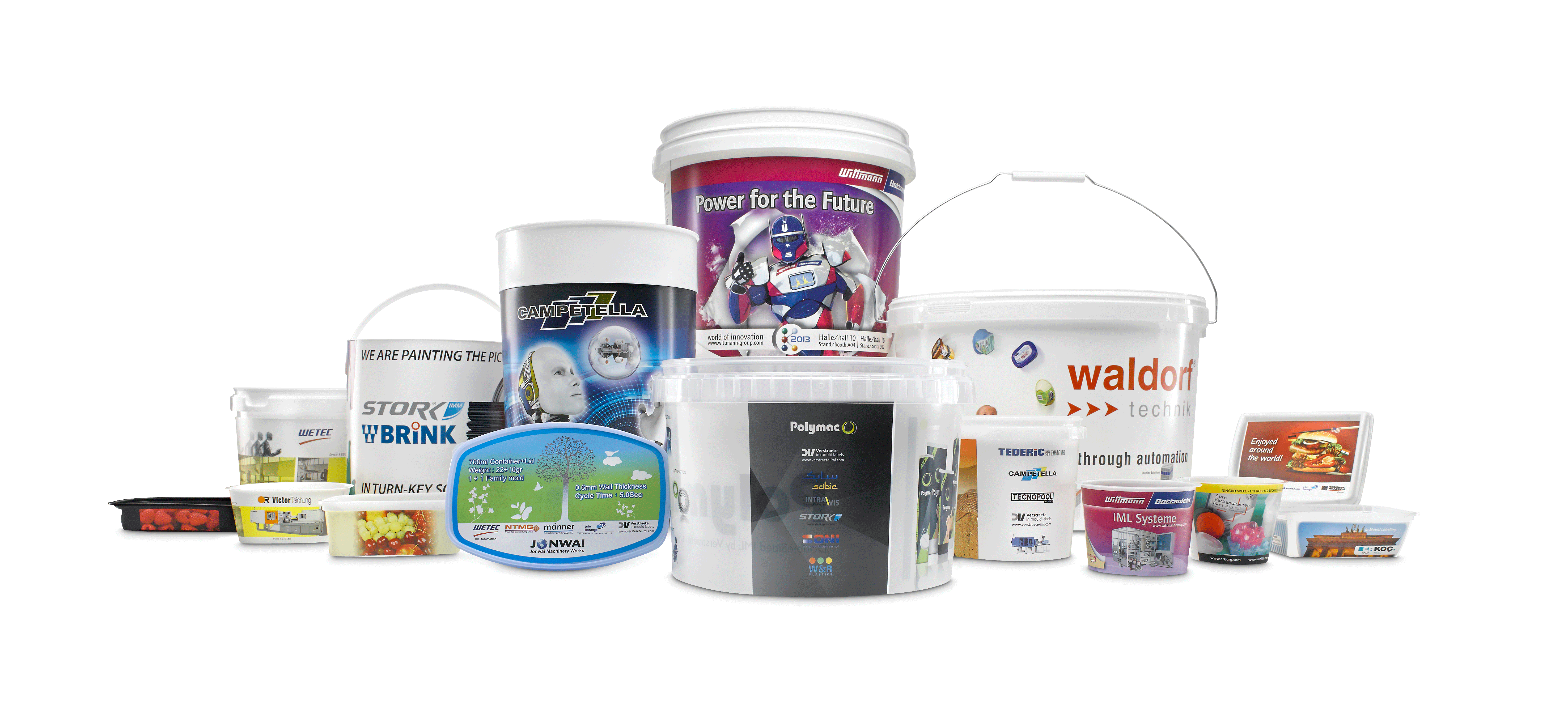
Žymėjimas formoje pakeitė tai, kaip gamintojai integruoja prekės ženklo ir funkcines savybes tiesiogiai į plastikinius gaminius liejimo metu. Ši inovacinė technika sujungia etikečių pritaikymą su gaminio formavimu, pašalindama antrinio žymėjimo operacijų poreikį ir tuo pat metu užtikrindama aukštesnę tvirtumą bei estetinę patrauklumą. Šiuolaikinėse gamybos įmonėse vis dažniau naudojamas žymėjimas formoje siekiant pasiekti sąnaudų efektyvumą, padidinti produkto skirtumą nuo kitų ir atitikti reikalavimus dėl našumo įvairiose pramonės srityse.
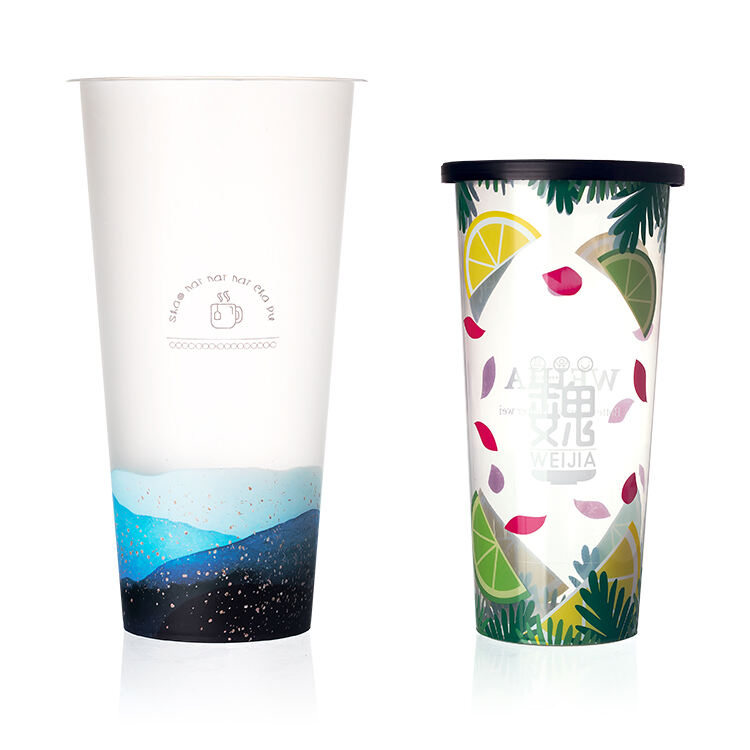
Injekcinio žymėjimo technologijos transformacinis potencialas išeina toliau nei tradicinės pakuotės taikymo sritys, nes gamintojai atranda naujų būdų naudoti šią technologiją sudėtingiems gaminio dizainams, daugiafunkciniams paviršiams ir pagerintoms vartotojo patirtims sukurti. Nuo automobilių vidaus komponentų iki vartotojų elektronikos korpusų injekcinis žymėjimas leidžia gamintojams kurti gaminius, kurie derina konstrukcinį stabilumą su sofistikuotomis vizualinėmis ir taktilėmis savybėmis, atverdami beprecedentines galimybes inovacijoms gaminio kūrimo ir rinkos pozicionavimo srityse.
Pažangus medžiagų integravimas į injekcinio žymėjimo sistemas
Daugiasluoksniai etikečių konstrukcijos pagerintoms charakteristikoms
Šiuolaikinis įforminimo metu etiketavimas (IML) naudoja sudėtingas daugiasluoksnio etiketės konstrukcijas, kurios užtikrina išsklitančius našumo rodiklius, viršijančius įprastų paviršiaus apdorojimų galimybes. Šios pažangios etiketės dažniausiai apima specializuotas barjerinio sluoksnio, klijų sistemų ir paviršiaus dengimo medžiagų komponentus, kurie tampa neatskiriama galutinio gaminio struktūros dalimi. Integravimo procesas užtikrina nuolatinį ryšį tarp etiketės ir pagrindo, todėl gaminiai įgyja pagerintą cheminę atsparumą, UV stabilumą ir mechaninę ilgaamžiškumą, pranašesnius už tradicinius po formavimo etiketavimo būdus.
Veiksmingos įformavimo metu žymėjimo technologijos medžiagų mokslas apima atidų suderinamų polimerų parinkimą, kurie gali atlaikyti įliejimo formavimo temperatūros ir slėgio sąlygas, išlaikydami matmeninę stabilumą ir optinį skaidrumą. Šiuolaikinės formulės dabar leidžia naudoti įformavimo metu žymėjimo technologijas aukštos temperatūros aplinkoje, agresyvaus cheminio poveikio sąlygomis ir didelės mechaninės apkrovos sąlygomis, todėl šios technologijos taikymo sritis plečiama automobilių, pramonės įrangos ir specializuotos pakuotės rinkose.
Intelektualios medžiagų technologijos etikečių pagrinduose
Inovacinės įformavimo metu žymėjimo programos vis dažniau naudoja protingas medžiagas, kurios reaguoja į aplinkos sąlygas arba vartotojo sąveiką. Šios pažangios pagrindinės medžiagos gali integruoti termochromines sudedamąsias dalis, keičiančias spalvą esant temperatūros pokyčiams, fotoluminescencines jungtis mažo apšvietimo sąlygomis matomumui užtikrinti arba laidžiąsias takelius liesties jautriems sąsajos elementams. Tokios galimybės transformuoja įformavimo metu žymėjimą iš vien tik estetinio pagerinimo į funkcionalų sistemos komponentą, kuris priešingai nei anksčiau prideda matomos vertės galutiniam produktui.
Elektrai laidžių įforminimo etiketės medžiagų kūrimas leidžia gamintojams kurti produktus su integruotomis kapacitinėmis liesties paviršiaus, elektromagnetinės sąveikos ekranavimo ar šildymo elementais. Šios funkcinės įforminimo etiketės sprendimai pašalina atskirų elektroninių komponentų poreikį, išlaikydami tradicinių etiketės taikymų estetines ir apsaugos savybes, todėl tai yra reikšmingas žingsnis integruotos produkto projektavimo metodologijose.
Tikslaus gamybos metodai sudėtingoms geometrijoms
Trimatė paviršiaus pritaikymo galimybės
Šiuolaikinės pažangios įforminimo žymėjimo technologijos dabar leidžia žymėti sudėtingas trimačių paviršių geometrijas, kurias anksčiau buvo sunku ar net neįmanoma efektyviai žymėti. Šiuolaikiniai etikečių medžiagų ir taikymo sistemos gali pritaikytis prie sudėtinių kreivių, gilių ištempimų ir sudėtingų paviršiaus tekstūrų, vienu metu užtikrindamos vienodą dengimą ir išvengdamos dažnų defektų, tokių kaip raukšlėjimas, tiltelio susidarymas ar atskilimas. Ši galimybė leidžia taikyti įforminimo žymėjimą produktams, kuriems keliami sudėtingi pramoninio dizaino reikalavimai.
Šiuolaikinių įformos žymėjimo sistemų pasiekiamoji tikslumas leidžia gamintojams kurti produktus su bešvariu žymėtų ir nežymėtų sričių integravimu, leidžiant sudėtingus dizaino efektus, tokius kaip perėjimai nuo vienos spalvos prie kitos, pasirinktinis paviršiaus tekštūravimas ir daugiapozicijė funkcionalumas. Šios galimybės ypač vertingos automobilių vidaus taikymuose, kur įformos žymėjimas gali sukurti minkštą liestį suteikiančius paviršius, dekoratyvius akcentus ir funkcinės valdymo sąsajos elementus viename gamybos procese.
Daugkartinio liejimo integracija
Inovaciniai gamintojai sujungia įformos žymėjimą su daugkartinio liejimo procesais, kad sukurtų produktus su keliomis medžiagų savybėmis ir sudėtingomis funkcinėmis zonomis. Ši integracija leidžia vienu metu taikyti žymes ir antrines medžiagas, todėl viename gamybos cikle gaminami produktai, kurie apima standžius konstrukcinius elementus, lankstius sandarinimo komponentus ir estetiškai patobulintus paviršius. įformos žymėjimas procesas tampa kritiniu šių pažangių gamybos strategijų komponentu.
Sėkmingoms daugiašaukimo įforminimo žymėjimo programoms reikalinga koordinacija, kuri reikalauja tikslaus temperatūros profilių, laiko sekos ir medžiagų srauto schemų valdymo. Šiuolaikinėse gamybos sistemose dabar įdiegtos realiojo laiko stebėjimo ir adaptacinio valdymo galimybės, kurios užtikrina nuolatinę kokybę sudėtingose gaminio geometrijose, išlaikant efektyvumo privalumus, dėl kurių įforminimo žymėjimas yra patrauklus aukšto tūrio gamybos aplinkoje.
Funkcinės programos, išeinančios už tradicinės estetikos ribų
Integruotos jutiklių ir ryšio technologijos
Pažangiosios įformavimo metu žymėjimo technologijos integruoja jutiklių technologijas tiesiogiai į gaminio paviršių, kuriant protingus gaminius, kurie gali stebėti aplinkos sąlygas, sekti naudojimo modelius arba bendrauti su išorinėmis sistemomis. Šios technologijos naudoja lankstiąją elektroniką, spausdintas grandines ir įterptus jutiklius, kurie per įformavimo metu žymėjimo procesą tampa nuolatinėmis suformuoto gaminio dalimis, pašalinant atskirus surinkimo veiksmus ir tuo pat metu užtikrinant patikimą aplinkos poveikio apsaugą.
Artimosios ryšio (NFC) čipų, temperatūros jutiklių ar įtempimo matuoklių integravimas per įformavimo metu žymėjimo technologiją leidžia gamintojams kurti protingus gaminius, kurie suteikia realiuoju laiku duomenų atsaką, patvirtina produkto autentiškumą arba leidžia sąveikauti su vartotoju. Šios galimybės ypač vertingos pramonės įrangos taikymuose, kur įformavimo metu žymėjimo technologija gali integruoti stebėjimo ir valdymo funkcijas, kurios padeda padidinti eksploatacinę efektyvumą ir optimizuoti techninės priežiūros grafiką.
Paviršiaus funkcionalumo gerinimas
Šiuolaikinės įforminimo formoje etikečių (IML) technologijos taikymo sritys išsiplečia už vien tik vizualinio patrauklumo ribų ir suteikia specifines paviršiaus funkcijas, kurios pagerina gaminio našumą tikslinėse taikymo srityse. Priešmikrobiniai apdorojimai, savivališkai valomasi paviršiai ir pagerintos sukibimo tekstūros gali būti integruojamos naudojant specialius įforminimo formoje etikečių medžiagų tipus, kurie užtikrina šias savybes, išlaikydami ilgalaikę tvirtumą ir estetinį patrauklumą visą gaminio naudojimo laikotarpį.
Įforminimo formoje etikečių medžiagų su inžinerinėmis paviršiaus savybėmis kūrimas leidžia gamintojams kurti produktus, atitinkančius konkrečius našumo reikalavimus be papildomų poforminimo operacijų. Šios galimybės apima padidintą cheminę atsparumą laboratorinėms prietaisams, pagerintą šiluminę izoliaciją buitinėms prietaisų dalims arba specialias taktilines savybes vartotojo sąsajos taikymo srityse, kas rodo šiuolaikinių įforminimo formoje etikečių technologijų universalumą.
Tvarus gamybos ir apskritoji ekonomika integracija
Perdirbimo galimybės pagerinimas dėl medžiagų suderinamumo
Inovaciniai įforminimo žymėjimo metodai pirmiausia akcentuoja medžiagų suderinamumą, kad būtų padidinta gaminio perdirbimo galimybė ir remiamos apskritojo ekonomikos iniciatyvos. Pažangios žymėjimo medžiagų formulės naudoja polimerus, kurie yra chemiškai suderinami su pagrindinėmis medžiagomis, užtikrindami, kad gaminiai būtų perdirbami be reikalavimo atskirti žymes. Šis suderinamumas pašalina perdirbimo kliūtis, vienu metu išlaikant įforminimo žymėjimo taikymo našumo privalumus.
Bio pagrindu sukurtų ir kompostuojamų medžiagų kūrimas įforminimo žymėjimo taikymams palaiko tvaraus gamybos iniciatyvas, vienu metu išlaikant techninius našumo rodiklius, reikalingus reikalaujančioms pramoninėms taikymo sritims. Šios medžiagos leidžia gamintojams kurti produktus, atitinkančius aplinkosaugos atsakomybės tikslus, vienu metu pasinaudojant efektyvumo ir kokybės privalumais, kurie suteikiami įforminimo žymėjimo procesais.
Atliekų sumažinimas dėl proceso integracijos
Įforminimo metu etiketavimo procesų inherentinė efektyvumas padeda sumažinti atliekas, pašalinant antrines etiketavimo operacijas ir su jomis susijusius medžiagų atliekų srautus. Pažangūs gamybos sistemos optimizuoja medžiagų naudojimą tiksliai etikečių vietos nustatymu, minimaliu pjovimo atliekų kiekiu ir integruotomis kokybės kontrolės sistemomis, kurios sumažina produkto atmestų vienetų skaičių. Šie pagerinimai palaiko darnos iniciatyvas, išlaikydami sąnaudų veiksmingumą, kuris skatina įforminimo metu etiketavimo technologijos taikymą.
Inovaciniai gamintojai diegia uždaros grandinės medžiagų atgavimo sistemas, kurios surenka ir perdirba įforminimo metu etiketavimo operacijų atliekas, dar labiau mažindami aplinkos poveikį ir tuo pat metu išlaikydami ekonominę gyvybingumą. Šios sistemos parodo, kaip įforminimo metu etiketavimas gali prisidėti prie visapusiškų darnos strategijų, kurios naudingos tiek aplinkos, tiek verslo tikslams.
Naujų rinkų taikymo sritys ir pramonės specifinės inovacijos
Medicinos prietaisų ir sveikatos priežiūros taikymo sritys
Sveikatos priežiūros pramonė priėmė įforminimo metu etiketavimą (in-mold labeling) taikymams, kuriems reikalingos sterilios paviršiaus savybės, cheminė atsparumas ir nuolatinės identifikavimo žymės. Medicinos prietaisų gamintojai naudoja įforminimo metu etiketavimą, kad sukurtų produktus su integruotais sekos stebėjimo kodais, antimikrobiniais paviršiais ir cheminės atsparumos identifikavimo sistemomis, kurios išlaiko savo funkcionalumą visą sterilizavimo ciklų trukmę ir ilgalaikiu naudojimu. Šie taikymai parodo įforminimo metu etiketavimo galimybę atitikti griežtus reguliavimo reikalavimus, tuo pat metu užtikrinant sąnaudų efektyvius gamybos sprendimus.
Pažangūs sveikatos priežiūros taikymo būdai naudojant įforminimo žymėjimą apima diagnostinės įrangos korpusus su integruotais optiniais elementais, chirurginių instrumentų rankenas su pagerintomis sukabimo savybėmis ir laboratorinės įrangos komponentus su žymėjimais, nurodančiais cheminę suderinamumą. Šiuolaikinių įforminimo žymėjimo sistemų tikslumas ir patikimumas leidžia gamintojams kurti produktus, atitinkančius kritinius našumo reikalavimus, vienu metu išlaikant integruotų gamybos procesų efektyvumo privalumus.
Elektronikos ir vartotojų technologijų integracija
Elektronikos pramonė atrado inovacinius įforminimo žymėjimo taikymo būdus, kurie išeina už tradicinio korpusų puošimo ribų ir apima funkcines sąsajos dalis bei apsaugines funkcijas. Šiuolaikiniai elektroniniai įrenginiai naudoja įforminimo žymėjimą kapacitinėms lietimo sąsajoms, elektromagnetinei ekranavimui ir šilumos valdymo funkcijoms, tuo pat metu išlaikydami stilingus estetinius dizainus, kurie atitinka vartotojų lūkesčius dėl premium klasės produktų.
Buitinės elektronikos gamintojai naudoja pažangias įformavimo metu etiketavimo technologijas, kad sukurtų produktus su integruotomis belaidžio įkrovimo paviršiais, lankstiais ekranų komponentais ir taktilinėmis grįžtamąja ryšio sistemomis. Šios taikymo sritys rodo, kaip įformavimo metu etiketavimas gali padėti skirti produktus nuo kitų, išlaikant gamybos efektyvumą ir kokybės vientisumą didelėse serijose.
Dažniausiai užduodami klausimai
Kas daro įformavimo metu etiketavimą inovatyvesnį nei tradicinės etiketavimo metodai?
Įformavimo metu etiketavimas integruoja etiketę tiesiogiai į produkto struktūrą gamybos metu, sukurdamas nuolatinius ryšius, kurie pašalina atskilimo problemas ir leidžia sudėtingas paviršiaus apdorojimo technologijas, funkcionalius elementus bei padidintą tvirtumą. Tokia integracija leidžia kurti inovatyvius sprendimus, tokius kaip įmontuoti jutikliai, laidžios jungtys ir daugiafunkciai paviršiai, kurių negalima pasiekti naudojant po formavimo etiketavimo procesus.
Kaip įformavimo metu etiketavimas palaiko tvarios gamybos praktikas?
Žymėjimas formoje sumažina atliekas pašalinant antrines operacijas ir su jomis susijusius medžiagų srautus, tuo pat metu leisdama naudoti suderinamas medžiagas, kurios pagerina perdirbamumą. Šiuolaikinės formulės naudoja biologinės kilmės ar perdirbimui palankias medžiagas, kurios išlaiko našumą ir palaiko apskritojo ekonomikos iniciatyvas, o integruotas gamybos procesas mažina energijos suvartojimą palyginti su daugiažingsnių žymėjimo metodų požiūriu.
Kurios pramonės šakos labiausiai naudinga inovacinė žymėjimo formoje technologija?
Automobilių, sveikatos priežiūros, elektronikos ir pramonės įrangos pramonės šakos jau pasiekė reikšmingų pranašumų naudodamos pažangią žymėjimo formoje technologiją. Šios sritys vertina šios technologijos gebėjimą integruoti funkcionaliuosius elementus, padidinti tvirtumą ir atitikti griežtus našumo reikalavimus, tuo pat metu išlaikant gamybos efektyvumą ir sąnaudų naudingumą įvairiose produktų kategorijose ir gamybos apimtyse.
Ar įforminimo žymėjimas gali atitikti sudėtingas produkto geometrijas ir dizaino reikalavimus?
Šiuolaikinės įforminimo žymėjimo sistemos gali pritaikyti sudėtingas trimatės erdvės paviršių, gilų ištraukimą ir įvairiausias geometrijas, vienu metu užtikrindamos vienodą dengimą ir išvengdamos defektų. Pažangūs medžiagų ir taikymo metodai leidžia sėkmingai žymėti sudėtingas formas, integruoti daugialypį formavimą ir tiksliai padėti žymes, kad būtų pasiekti sudėtingų pramoninio dizaino tikslai.
Turinys
- Pažangus medžiagų integravimas į injekcinio žymėjimo sistemas
- Tikslaus gamybos metodai sudėtingoms geometrijoms
- Funkcinės programos, išeinančios už tradicinės estetikos ribų
- Tvarus gamybos ir apskritoji ekonomika integracija
- Naujų rinkų taikymo sritys ir pramonės specifinės inovacijos
-
Dažniausiai užduodami klausimai
- Kas daro įformavimo metu etiketavimą inovatyvesnį nei tradicinės etiketavimo metodai?
- Kaip įformavimo metu etiketavimas palaiko tvarios gamybos praktikas?
- Kurios pramonės šakos labiausiai naudinga inovacinė žymėjimo formoje technologija?
- Ar įforminimo žymėjimas gali atitikti sudėtingas produkto geometrijas ir dizaino reikalavimus?