 EN
EN


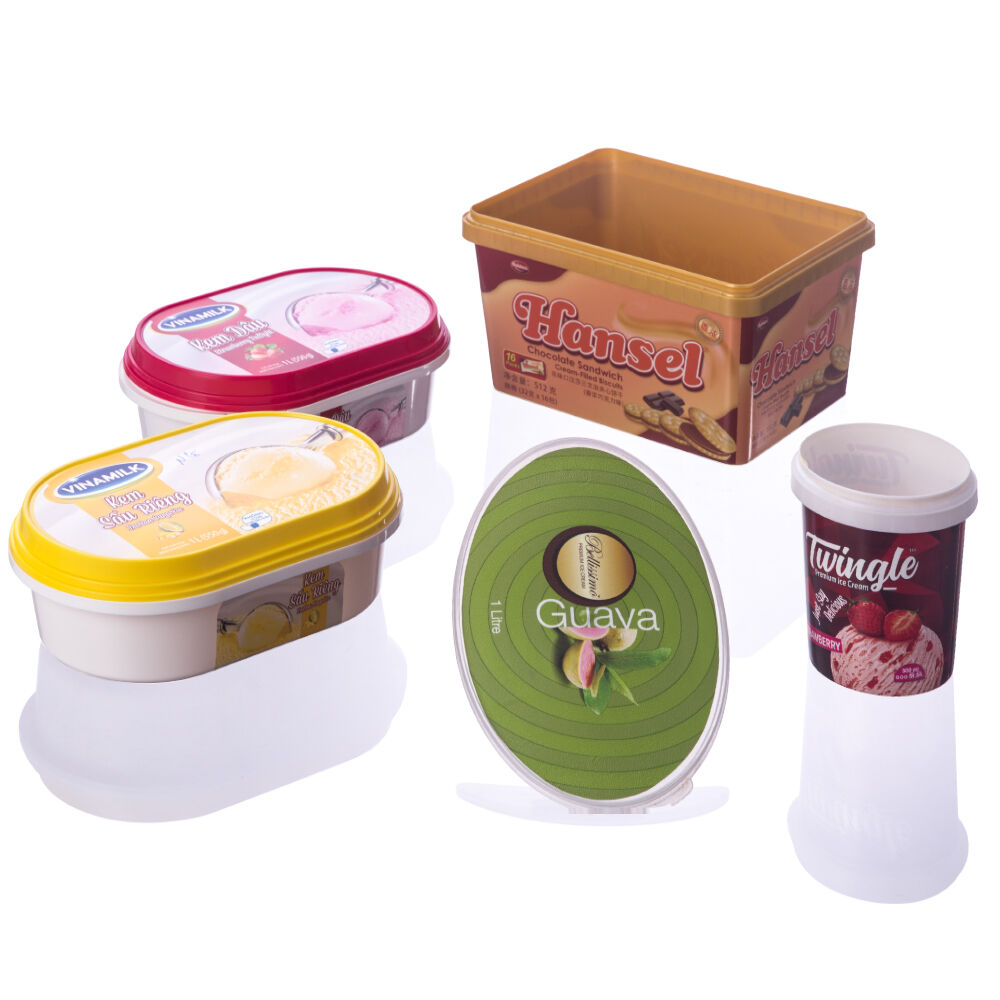
The evolution of heat transfer film technology stands at a pivotal moment, where converging market demands, sustainability imperatives, and material science breakthroughs are reshaping the landscape of decorative and functional surface finishing. Industry experts across polymer chemistry, manufacturing engineering, and sustainable packaging sectors increasingly point toward a transformative decade ahead for heat transfer film applications. As manufacturers seek enhanced performance characteristics while navigating environmental regulations and cost pressures, understanding the trajectory of heat transfer film innovation becomes essential for strategic planning and competitive positioning in sectors ranging from automotive interiors to consumer electronics and industrial packaging.
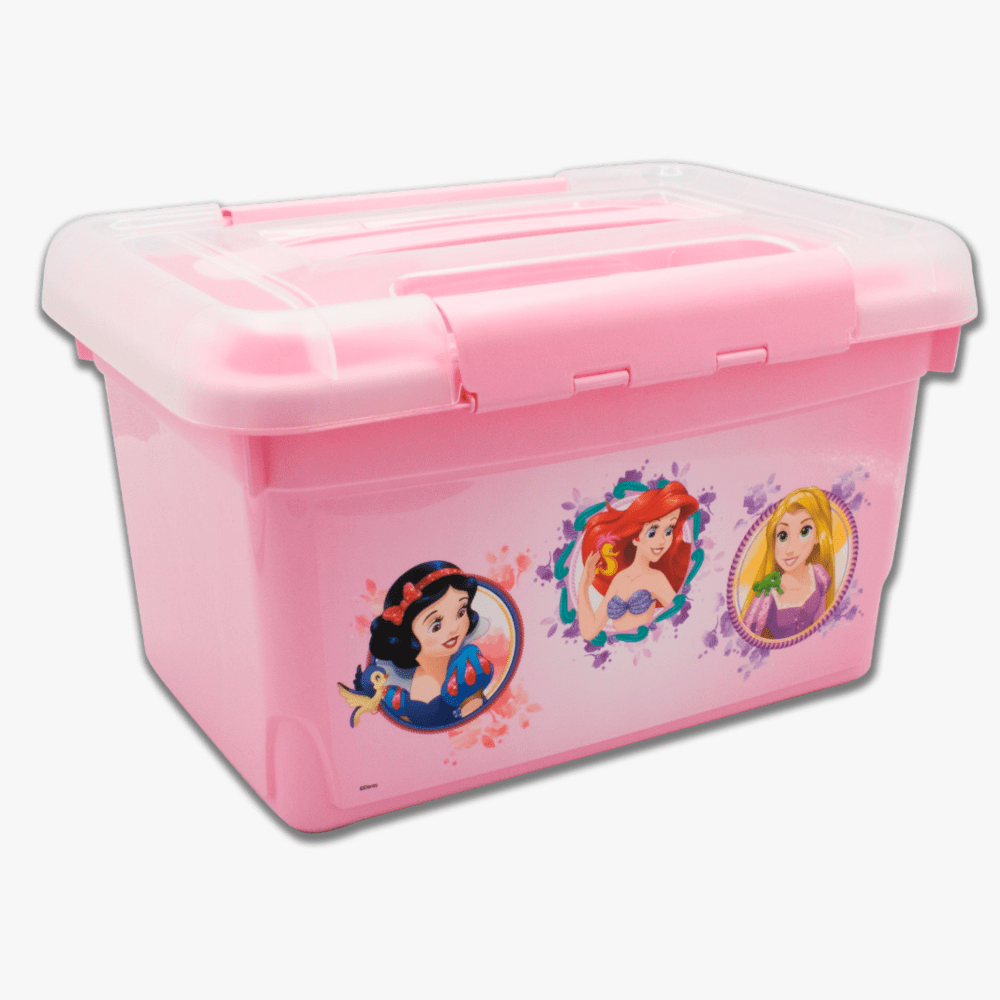
Through extensive consultations with leading materials scientists, production technology specialists, and market analysts, a clear picture emerges of where heat transfer film development is heading. The consensus points toward six major development vectors that will define the next generation of these versatile surface decoration solutions. These directions reflect not only technological possibilities but also urgent market needs, regulatory frameworks, and the broader transition toward circular economy principles. This expert-informed perspective reveals how heat transfer film technology will simultaneously advance in performance capabilities while addressing environmental concerns that have become non-negotiable for major brands and regulatory bodies worldwide.
Advanced Material Chemistry and Substrate Compatibility Expansion
Next-Generation Polymer Formulations for Enhanced Performance
Experts in polymer chemistry emphasize that future heat transfer film development will center on creating advanced resin systems that deliver superior performance across multiple parameters simultaneously. Traditional heat transfer film formulations often required trade-offs between adhesion strength, flexibility, chemical resistance, and processing temperature ranges. The emerging generation of films incorporates hybrid polymer architectures that combine the advantages of different resin families through controlled copolymerization and nanoscale blending techniques. These sophisticated formulations enable heat transfer film products to achieve exceptional scratch resistance while maintaining the flexibility required for complex three-dimensional surface applications, a combination previously difficult to optimize.
Material scientists point to the incorporation of functionalized additives at the molecular level as a key innovation pathway. By engineering polymer chains with specific reactive groups, manufacturers can create heat transfer film materials that form chemical bonds with substrate surfaces rather than relying solely on mechanical adhesion. This molecular-level integration results in dramatically improved durability, particularly under thermal cycling, humidity exposure, and chemical contact conditions that challenge conventional adhesive systems. The development of these chemically intelligent heat transfer film formulations represents a significant departure from traditional approaches and opens possibilities for applications in harsh industrial environments previously inaccessible to decorative film technologies.
Expanding Substrate Compatibility Through Surface Science Innovation
The future trajectory of heat transfer film technology includes substantial expansion in compatible substrate materials, addressing one of the historical limitations of thermal transfer decoration processes. Experts highlight that advances in surface activation technologies and primer chemistry are enabling successful heat transfer film application to challenging materials including low-surface-energy plastics, composite materials, and even certain metal alloys. This expansion is particularly significant for industries like automotive and electronics where material selection is driven by structural and thermal performance requirements that may not naturally align with traditional heat transfer film substrate preferences.
Research into plasma treatment, corona discharge, and chemical priming systems specifically optimized for heat transfer film processes is yielding practical solutions for manufacturers. These surface preparation innovations create reactive sites and improve wetting characteristics without compromising the base material properties or adding significant process complexity. As a result, heat transfer film decoration is becoming viable for applications previously dominated by painting, in-mold decoration, or other more expensive finishing methods. The economic and environmental advantages of heat transfer film technology can now extend to a much broader range of products and industries, fundamentally expanding the addressable market for these solutions.
Bio-Based and Recycled Content Integration
A critical development direction identified by sustainability-focused experts involves the transition toward bio-based polymer sources and the incorporation of recycled content into heat transfer film production. The polymer industry faces increasing pressure to reduce dependence on virgin fossil feedstocks, and heat transfer film manufacturers are responding with aggressive research into renewable alternatives. Current development programs are exploring bio-derived polyesters, modified natural polymers, and hybrid systems that maintain performance characteristics while significantly reducing the carbon footprint associated with raw material sourcing.
The technical challenge lies in achieving consistency and performance parity with petroleum-derived polymers, particularly for properties like dimensional stability, thermal resistance, and long-term durability that are critical for heat transfer film applications. Experts note that successful bio-based heat transfer film formulations will likely emerge from thoughtful hybrid approaches rather than complete substitution, leveraging the strengths of renewable materials while addressing their limitations through strategic blending with conventional or recycled polymers. This balanced approach allows manufacturers to progressively increase sustainable content without compromising the reliability that end-users expect from proven heat transfer film products.
Process Technology Evolution and Manufacturing Efficiency Gains
Lower Temperature Processing and Energy Efficiency Optimization
Manufacturing efficiency experts consistently identify temperature reduction as a primary development objective for next-generation heat transfer film systems. Current thermal transfer processes typically require substrate heating to temperatures between one hundred forty and two hundred degrees Celsius, consuming substantial energy and limiting compatible materials to those with adequate heat resistance. The development of heat transfer film formulations that achieve complete adhesion and ink transfer at significantly lower temperatures would deliver multiple advantages including reduced energy consumption, faster cycle times, and expanded substrate compatibility to include heat-sensitive materials.
Research initiatives are exploring catalytic activation systems, photochemical crosslinking mechanisms, and pressure-sensitive adhesive technologies adapted specifically for thermal transfer applications. These approaches aim to reduce or eliminate the high-temperature requirement that has characterized heat transfer film processing since its inception. Early prototype systems demonstrate promising results with activation temperatures below one hundred degrees Celsius while maintaining adhesion performance comparable to traditional high-temperature processes. If successfully commercialized, these innovations would represent a fundamental shift in heat transfer film technology economics and environmental impact, potentially enabling widespread adoption in industries where energy costs or thermal sensitivity currently preclude this decoration method.
Digital Integration and Smart Manufacturing Implementation
Production technology specialists emphasize that the future of heat transfer film manufacturing and application will be characterized by comprehensive digital integration and real-time process optimization. Modern heat transfer film production facilities are beginning to incorporate sensor networks, machine learning algorithms, and automated quality control systems that continuously monitor and adjust process parameters. This transition from traditional empirical process control to data-driven optimization enables consistent quality across production runs while identifying efficiency improvement opportunities that human operators might miss.
The application side of heat transfer film technology is similarly evolving toward smart manufacturing principles. Advanced thermal transfer equipment now features precise temperature profiling, pressure mapping, and automated defect detection capabilities that ensure optimal decoration results while minimizing waste from rejected parts. Experts predict that future systems will incorporate predictive maintenance algorithms that prevent equipment failures and adaptive process controls that automatically compensate for variations in substrate properties or environmental conditions. This intelligence layer transforms heat transfer film application from a somewhat variable craft-based process into a highly reproducible manufacturing operation suitable for the quality standards demanded by automotive, medical device, and premium consumer goods industries.
Inline Integration and Continuous Production Systems
Manufacturing engineers point to the integration of heat transfer film decoration directly into continuous production lines as a significant development direction that will reshape how these technologies are deployed. Traditional approaches often treat surface decoration as a separate operation requiring part handling, fixturing, and dedicated equipment that adds cost and complexity. Emerging system architectures are designed to incorporate heat transfer film application as an inline process step within injection molding, extrusion, or thermoforming operations, eliminating intermediate handling and reducing overall production costs.
These integrated approaches present technical challenges including synchronization of process timing, management of thermal profiles across sequential operations, and quality control in high-speed production environments. However, successful implementation delivers substantial economic advantages through reduced labor requirements, elimination of work-in-process inventory, and improved space utilization. Early adopters in the appliance and automotive industries report cycle time reductions exceeding thirty percent compared to separate decoration operations. As equipment manufacturers refine these integrated systems and develop standardized interfaces between molding machines and heat transfer film applicators, this approach is expected to become the preferred production method for high-volume applications where decoration is a standard product feature rather than a customization option.
Functional Performance Enhancement Beyond Decoration
Multi-Functional Surface Properties Integration
A transformative shift in heat transfer film technology involves the evolution from purely decorative applications toward films that deliver multiple functional benefits simultaneously. Materials scientists explain that advanced heat transfer film formulations now incorporate functional additives and engineered surface structures that provide properties including antimicrobial activity, enhanced scratch resistance, anti-fingerprint characteristics, and improved cleanability. This multifunctional approach addresses end-user demands for products that not only look attractive but also perform better and require less maintenance throughout their service life.
The technical implementation of these functional properties requires careful consideration of how additives interact with the polymer matrix and how surface treatments affect adhesion and appearance. For instance, antimicrobial heat transfer film systems incorporate metal ion technologies or organic biocides that remain effective throughout the product lifecycle without leaching or degrading. Scratch-resistant formulations utilize nanoparticle reinforcement and crosslinked surface layers that dramatically improve durability compared to standard films. These functional heat transfer film variants command premium pricing in markets where performance justifies the incremental cost, particularly in healthcare, food service, and public transportation applications where hygiene and durability are critical considerations.
Optical and Tactile Effects Innovation
Design experts highlight the expanding palette of visual and tactile effects achievable through advanced heat transfer film technologies as a key differentiation opportunity. Beyond traditional smooth, glossy, or matte finishes, contemporary heat transfer film products can reproduce complex textures, holographic effects, color-shifting appearances, and precisely controlled surface topographies that create distinctive product identities. These sophisticated effects previously required expensive multi-step finishing processes or were simply unachievable through conventional decoration methods.
The creation of these advanced effects relies on precision microstructuring of the film surface, incorporation of optical interference pigments, and careful control of the carrier film release characteristics during thermal transfer. Experts note that consumer electronics and automotive interior markets are particularly receptive to these premium heat transfer film effects, where product differentiation and perceived quality strongly influence purchasing decisions. The ability to economically produce small batches of highly customized visual effects through heat transfer film technology also aligns with the broader market trend toward personalization and limited-edition product variants that command higher margins while building brand engagement.
Electrical and Thermal Management Functions
An emerging frontier for heat transfer film technology involves the integration of electrical conductivity, electromagnetic shielding, or thermal management properties directly into the decorative film layer. This convergence of aesthetic and functional requirements is particularly relevant for electronics applications where device housings must provide electromagnetic interference shielding while maintaining attractive appearances. Conductive heat transfer film formulations incorporating metallic nanoparticles, carbon nanotubes, or conductive polymers enable surface decoration and functional performance through a single application step.
Thermal management represents another functional dimension gaining attention from heat transfer film developers. Films engineered with enhanced thermal conductivity can assist in heat dissipation from electronic components, while thermally insulating variants provide protective barriers for temperature-sensitive applications. These specialized heat transfer film products require careful materials engineering to balance conductivity or insulation properties with the adhesion, flexibility, and processing characteristics necessary for successful thermal transfer. As electronic devices continue to increase in power density while decreasing in size, the demand for multifunctional surface treatments that address both aesthetic and thermal management requirements is expected to drive significant innovation in specialized heat transfer film formulations.
Sustainability Imperatives and Circular Economy Alignment
Design for Recyclability and Material Separation
Environmental policy experts emphasize that future heat transfer film development must prioritize compatibility with recycling processes and circular economy principles. Current challenges include the difficulty of separating thin film layers from substrate materials during mechanical recycling and the potential for decorated films to contaminate recycled plastic streams. Next-generation heat transfer film systems are being designed with these end-of-life considerations as primary requirements rather than afterthoughts, fundamentally changing how materials are selected and formulated.
Several technical approaches are under development to address recyclability concerns. One strategy involves creating heat transfer film materials that are chemically compatible with common substrate plastics, allowing the decorated part to be recycled as a single material stream without separation. Alternative approaches focus on films that can be cleanly separated from substrates through controlled thermal, chemical, or mechanical processes during recycling operations. Experts note that regulatory frameworks in major markets are increasingly mandating recyclability for consumer packaging and durable goods, making this development direction not merely environmentally responsible but commercially essential for manufacturers serving regulated markets.
Solvent-Free and Low-Emission Manufacturing Processes
Manufacturing sustainability specialists identify the elimination of volatile organic compounds and hazardous solvents from heat transfer film production as a critical development priority. Traditional film manufacturing and ink formulation processes often rely on organic solvents for coating, printing, and cleaning operations, generating emissions that require expensive control equipment and pose worker exposure concerns. The transition to water-based, UV-curable, or solventless manufacturing processes represents a significant technical challenge but offers substantial environmental and occupational health benefits.
Recent innovations in polymer chemistry and coating technology are enabling practical solvent-free heat transfer film manufacturing systems. Radiation-curable inks and coatings that polymerize under UV or electron beam exposure eliminate solvent evaporation entirely, while advanced water-based formulations achieve performance approaching traditional solvent systems. These cleaner manufacturing processes not only reduce environmental impact but also simplify facility permitting, lower compliance costs, and improve workplace safety. As environmental regulations tighten globally and corporate sustainability commitments intensify, heat transfer film manufacturers that successfully transition to low-emission processes will gain competitive advantages through enhanced brand reputation and access to environmentally conscious customers.
Biodegradable and Compostable Film Development
For specific application sectors, particularly disposable packaging and short-lifecycle consumer products, experts see growing demand for heat transfer film materials that biodegrade or compost at end of life rather than persisting in the environment. This development direction presents formidable technical challenges since the same durability properties that make heat transfer film effective during product use work against rapid degradation afterward. Successful biodegradable heat transfer film systems must maintain stability and performance throughout intended use while reliably breaking down under defined environmental conditions afterward.
Current research explores modified natural polymers, aliphatic polyesters, and other materials that exhibit controlled degradation profiles suitable for heat transfer film applications. The critical technical hurdle involves achieving adequate mechanical properties, thermal stability, and moisture resistance during the product lifecycle while ensuring complete biodegradation within reasonable timeframes under composting or environmental conditions. Experts caution that truly functional biodegradable heat transfer film systems remain several years from broad commercial availability, but the market pull from brands seeking sustainable packaging solutions is accelerating development efforts. This specialized segment of heat transfer film technology will likely emerge first in controlled applications where degradation conditions can be managed, such as agricultural films or controlled composting streams, before expanding to broader consumer applications.
Customization Capabilities and Digital Manufacturing Convergence
On-Demand Production and Short-Run Economics
Market analysts identify the trend toward product customization and small-batch production as a major driver reshaping heat transfer film technology requirements. Traditional thermal transfer decoration economically favored large production runs that justified tooling costs and setup time. However, evolving market demands increasingly emphasize personalization, limited editions, and rapid design iteration cycles that conflict with conventional manufacturing economics. Next-generation heat transfer film systems are being developed specifically to enable economically viable short-run and even single-unit production capabilities.
Digital printing technologies adapted for heat transfer film production represent the primary enabler of this customization trend. Unlike traditional screen printing or gravure processes that require dedicated tooling for each design, digital systems can switch between patterns instantaneously without physical setup changes. This flexibility allows manufacturers to offer heat transfer film decoration with essentially no minimum order quantities, opening opportunities in premium consumer goods, promotional products, and personalized items where conventional decoration methods prove economically prohibitive. As digital printing technology continues advancing in speed, resolution, and ink durability, experts predict that heat transfer film customization will become a standard offering rather than a premium specialty service.
Variable Data Integration and Smart Product Applications
An emerging application frontier involves using heat transfer film decoration to apply variable data including serial numbers, QR codes, and other individualized information to each manufactured unit. This capability supports product authentication, supply chain traceability, and interactive consumer engagement strategies that connect physical products to digital experiences. The technical implementation requires integrating database-driven printing systems with heat transfer film application equipment, ensuring that the correct unique decoration is applied to each specific product unit.
Beyond simple identification codes, experts envision heat transfer film technologies incorporating printed electronics, conductive inks, and smart material elements that enable products to interact with users and systems. These advanced applications might include touch-sensitive control surfaces created through conductive heat transfer film patterns, near-field communication antennas for wireless data exchange, or condition-indicating inks that change appearance based on temperature or chemical exposure. While some of these capabilities remain in early development stages, the convergence of heat transfer film decoration technology with printed electronics and smart materials represents a significant expansion of potential applications and value propositions.
Hybrid Decoration Systems and Multi-Technology Integration
Production technology specialists point to the increasing adoption of hybrid decoration systems that combine heat transfer film with complementary technologies to achieve effects impossible through any single method. For instance, manufacturers are developing processes that apply heat transfer film base decoration followed by selective laser etching to create precisely controlled matte-gloss contrasts or textural variations. Other hybrid approaches integrate heat transfer film with pad printing, hot stamping, or spray coating to build up complex multilayer visual effects economically.
These multi-technology systems require sophisticated process control and careful sequencing to ensure compatibility between successive decoration steps. The heat transfer film layer might serve as a primer or barrier coat for subsequent processes, or conversely, other decoration methods might prepare surfaces to optimize heat transfer film adhesion and appearance. Equipment manufacturers are responding to this trend by developing integrated production cells that incorporate multiple decoration technologies under coordinated control systems. For manufacturers serving premium markets where product differentiation justifies complex finishing processes, these hybrid systems leveraging heat transfer film as one component of a sophisticated decoration strategy offer compelling competitive advantages through unique visual effects that competitors cannot easily replicate.
FAQ
What are the main factors driving innovation in heat transfer film technology according to industry experts?
Industry experts identify several converging factors driving heat transfer film innovation. Environmental regulations and corporate sustainability commitments are pushing development toward recyclable, bio-based, and low-emission manufacturing processes. Market demand for product customization and short production runs is accelerating digital manufacturing integration and on-demand production capabilities. Performance requirements are expanding beyond decoration to include functional properties like scratch resistance, antimicrobial activity, and even electronic functions. Additionally, cost pressures and energy efficiency concerns are motivating research into lower-temperature processing methods and inline manufacturing integration. These factors collectively create both challenges and opportunities that are reshaping the technology landscape and expanding the application scope for heat transfer film solutions across multiple industries.
How will sustainability requirements affect heat transfer film development in the coming years?
Sustainability imperatives will fundamentally reshape heat transfer film technology along multiple dimensions. Material formulations will increasingly incorporate bio-based and recycled content while being designed for compatibility with recycling processes at end of life. Manufacturing processes will transition away from solvent-based systems toward water-based, UV-curable, or solventless alternatives that eliminate volatile organic compound emissions. For specific applications, biodegradable and compostable heat transfer film variants will emerge to address single-use product concerns. Beyond materials and processes, the entire value chain will face pressure to document and reduce carbon footprints, leading to regional sourcing strategies and energy-efficient production methods. These sustainability-driven changes are not optional enhancements but increasingly represent regulatory requirements and market access prerequisites, particularly for manufacturers serving environmentally conscious brands and regulated markets in Europe and North America.
What new functional capabilities will future heat transfer films provide beyond decorative appearance?
Future heat transfer film technologies will integrate multiple functional properties that enhance product performance beyond visual decoration. Antimicrobial and antiviral surface treatments will become increasingly important for healthcare, food service, and public space applications. Enhanced scratch resistance, anti-fingerprint coatings, and easy-clean surface treatments will address durability and maintenance concerns. Conductive and electromagnetic shielding variants will serve electronics applications where decoration and function must be combined. Thermal management properties including enhanced heat dissipation or insulation will support demanding electronic and automotive applications. Advanced optical effects including holographic patterns, color-shifting appearances, and precisely controlled textures will enable premium product differentiation. Some specialized variants may even incorporate printed electronic elements enabling touch sensitivity or wireless communication capabilities. This evolution toward multifunctional heat transfer film systems reflects broader market trends where consumers and industrial customers expect products to deliver multiple benefits simultaneously rather than requiring separate solutions for decoration and functional performance.
How are digital technologies changing heat transfer film manufacturing and application processes?
Digital technologies are transforming heat transfer film systems across design, manufacturing, and application phases. Digital printing eliminates traditional tooling requirements, enabling economically viable short production runs and mass customization previously impossible with conventional screen or gravure printing. Smart manufacturing systems incorporating sensors, real-time monitoring, and machine learning algorithms optimize process parameters continuously, ensuring consistent quality while identifying efficiency improvements. Variable data printing allows individualized decoration of each product unit for serialization, authentication, and interactive marketing applications. Process simulation and digital twin technologies enable virtual testing and optimization before physical production, reducing development time and material waste. Equipment integration through industrial communication protocols allows coordinated control of complex multi-step decoration processes combining heat transfer film with complementary technologies. Looking forward, experts predict that artificial intelligence will increasingly assist with design optimization, quality prediction, and automated process adjustment, further enhancing the capabilities and reliability of heat transfer film decoration systems while reducing the specialized expertise required for successful implementation.
Table of Contents
- Advanced Material Chemistry and Substrate Compatibility Expansion
- Process Technology Evolution and Manufacturing Efficiency Gains
- Functional Performance Enhancement Beyond Decoration
- Sustainability Imperatives and Circular Economy Alignment
- Customization Capabilities and Digital Manufacturing Convergence
-
FAQ
- What are the main factors driving innovation in heat transfer film technology according to industry experts?
- How will sustainability requirements affect heat transfer film development in the coming years?
- What new functional capabilities will future heat transfer films provide beyond decorative appearance?
- How are digital technologies changing heat transfer film manufacturing and application processes?