 EN
EN


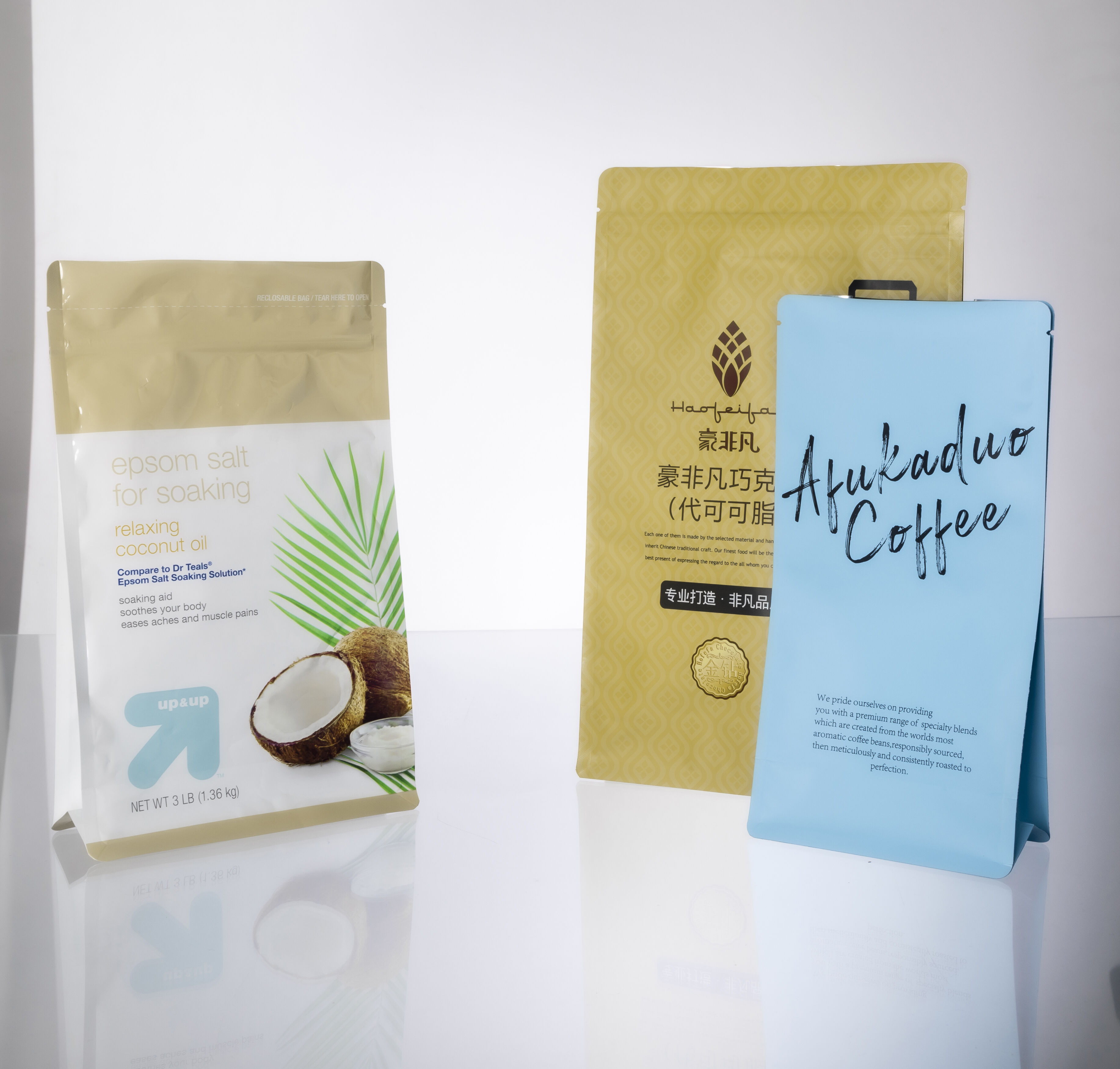
Heat transfer film represents one of the most versatile surface decoration technologies in modern manufacturing, particularly when it comes to creating intricate multi-color patterns and gradient effects on plastic, metal, and composite substrates. Unlike traditional printing methods that struggle with dimensional complexity or color transitions, heat transfer film employs a unique combination of thermal activation, pressure application, and polymer chemistry to transfer elaborate designs from a carrier film directly onto three-dimensional surfaces. This process enables manufacturers to achieve photorealistic imagery, seamless color gradients, and intricate multi-layer patterns that would be impossible or economically unfeasible through conventional pad printing, screen printing, or direct digital printing methods.
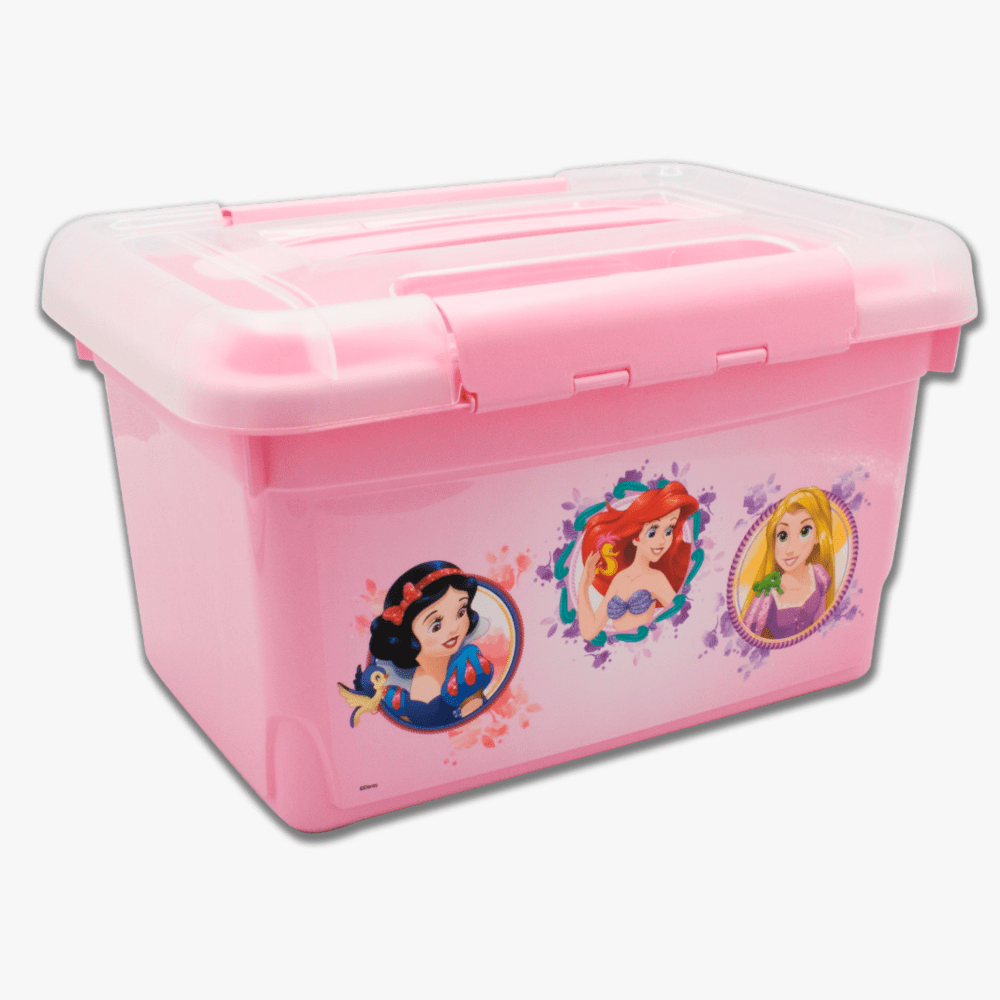
The ability of heat transfer film to reproduce complex visual effects stems from its sophisticated multilayer construction and the controlled thermoplastic behavior during application. Each heat transfer film consists of precisely engineered layers including a base carrier film, a release coating, decorative ink layers, protective topcoats, and a thermally activated adhesive layer. When heat and pressure are applied during the transfer process, these layers undergo specific physical and chemical transformations that allow the decorative pattern to separate cleanly from the carrier and bond permanently to the substrate surface. This mechanism enables the reproduction of gradients, metallic effects, wood grain textures, carbon fiber patterns, and full-color photographic images with exceptional clarity and durability across curved, textured, or irregular surfaces that challenge other decoration technologies.
The Multi-Layer Architecture Behind Complex Pattern Reproduction
Understanding the Functional Layer Stack in Heat Transfer Film
The foundation of complex pattern achievement in heat transfer film lies in its sophisticated multilayer construction, where each layer performs a specific function during storage, handling, and transfer. The base carrier film, typically made from polyethylene terephthalate or oriented polypropylene, provides dimensional stability and protects the decorative layers during manufacturing and storage. Above this carrier sits a precisely formulated release coating that allows clean separation during the transfer process without adhesive residue or pattern distortion. The decorative ink layers, which may number from one to more than twelve depending on pattern complexity, are applied through gravure printing or screen printing processes that enable microscopic registration accuracy between colors.
In advanced heat transfer film formulations designed for gradient effects and multi-color patterns, the ink layer sequence is carefully engineered to create optical depth and color blending. Translucent inks may be layered over opaque base colors to create three-dimensional visual effects, while metallic pigment layers can be positioned beneath transparent color layers to generate lustrous finishes with color variation. The protective topcoat layer, which may incorporate UV stabilizers, abrasion-resistant particles, or anti-scratch additives, not only protects the final decoration but can also contribute to the visual effect through its gloss level, clarity, and optical properties.
The Role of Ink Formulation in Gradient and Multi-Color Reproduction
The ink systems used in heat transfer film differ fundamentally from conventional printing inks because they must withstand the thermal and mechanical stresses of the transfer process while maintaining color fidelity and layer adhesion. Specialized thermoplastic resins serve as binder systems, selected for their precise melting characteristics, adhesion properties to both the carrier film and final substrate, and resistance to thermal degradation during transfer. Pigment selection involves not only color matching but also consideration of particle size distribution, thermal stability, and lightfastness to ensure long-term color retention in the final application.
For gradient effects, heat transfer film manufacturers employ several sophisticated printing techniques including continuous-tone gravure printing, halftone screening with variable dot density, and specialized gradient mesh patterns. Gravure printing allows ink density variation across the printed area by controlling cylinder engraving depth, enabling smooth color transitions from full saturation to complete transparency. Multi-color patterns rely on precise registration between successive printing stations, with tolerance requirements often measured in micrometers to prevent color misregistration that would compromise pattern sharpness. Modern heat transfer film production facilities utilize computer-controlled printing systems with inline optical registration monitoring to maintain color alignment throughout production runs spanning thousands of meters.
The Physics and Chemistry of Heat Transfer Application
Thermal Activation Mechanisms in Pattern Transfer
The transfer of complex patterns from heat transfer film to substrate surfaces involves carefully controlled thermal activation that triggers specific physical and chemical changes within the film layers. When the film assembly is placed against the substrate and heat is applied through heated platens, dies, or rollers, the temperature rise causes the thermoplastic adhesive layer to transition from solid to viscous state. This glass transition occurs within a narrow temperature window specific to the adhesive formulation, typically between 150 and 200 degrees Celsius for most heat transfer film systems. Simultaneous pressure application ensures intimate contact between the molten adhesive and substrate surface, promoting mechanical interlocking with surface texture and chemical bonding with compatible substrate materials.
During this thermal activation phase, the release coating on the carrier film also undergoes transformation, reducing its adhesion to the decorative layers while the adhesive layer forms increasingly strong bonds with the substrate. The precise balance between release force and adhesive bond strength determines transfer quality, with optimal formulations ensuring complete pattern transfer without tearing, stretching, or incomplete release. For gradient effects and multi-color patterns, maintaining uniform temperature and pressure distribution across the entire transfer area becomes critical because even minor variations can cause differential adhesion, leading to incomplete transfer in low-temperature zones or pattern distortion in overheated areas.
Pressure Distribution and Its Impact on Pattern Fidelity
Beyond temperature control, the application of uniform pressure plays an equally vital role in achieving high-fidelity reproduction of complex patterns using heat transfer film. Pressure serves multiple functions during transfer including forcing out trapped air between film and substrate, promoting intimate contact at the molecular level, and ensuring that the softened adhesive flows into microscopic surface irregularities for maximum adhesion. For three-dimensional substrates with curved surfaces, varying depths, or textured finishes, pressure distribution becomes particularly challenging because geometric variations naturally create zones of high and low contact pressure.
Advanced heat transfer processes address these challenges through several approaches including the use of silicone rubber cushions that conform to irregular substrate geometries, multi-stage pressure application that allows initial conformance followed by final bonding pressure, and vacuum-assisted transfer systems that eliminate air entrapment before pressure application. When transferring gradient patterns or fine multi-color details, pressure uniformity directly affects pattern sharpness because excessive pressure in localized areas can cause ink layer spreading or adhesive squeeze-out, while insufficient pressure results in weak adhesion and potential pattern gaps. Industrial heat transfer film application systems incorporate pressure monitoring and control systems that maintain specified pressure levels throughout the transfer cycle, ensuring consistent results across production runs.
Design and Prepress Considerations for Complex Patterns
Color Separation and Layer Planning for Multi-Color Effects
Creating complex multi-color patterns in heat transfer film begins long before actual production, during the design and color separation phase where artwork is analyzed and decomposed into printable layers. Unlike four-color process printing that relies on cyan, magenta, yellow, and black to simulate all colors, heat transfer film for demanding applications often employs expanded color gamut printing with additional spot colors, metallic inks, or special effect pigments. Designers must account for the optical behavior of layered translucent inks, understanding how each successive layer modifies the appearance of underlying colors through subtractive color mixing and light transmission effects.
For gradient effects in heat transfer film applications, the transition from one color to another must be engineered in the design phase using appropriate gradient algorithms that account for the printing method's capabilities. Gravure-printed gradients benefit from continuous ink density variation, while screen-printed heat transfer film may require halftone gradients with carefully calculated dot gain compensation. The layer sequence also requires strategic planning because opaque base layers establish the foundation for subsequent translucent or metallic layers, and improper sequencing can result in muddy colors, inadequate coverage, or loss of gradient smoothness in the final transferred pattern.
Registration Requirements and Tolerance Management
The reproduction of fine details and sharp multi-color patterns in heat transfer film demands extraordinarily precise registration between successive ink layers during printing. Registration accuracy determines whether color boundaries remain crisp, whether fine details maintain their definition, and whether gradient transitions appear smooth rather than banded. Modern heat transfer film production requires registration tolerances typically within plus or minus 0.1 millimeters, and for premium applications featuring fine text or intricate patterns, tolerances may tighten to 0.05 millimeters or less. Achieving such precision requires sophisticated printing equipment with servo-controlled web tension, optical registration mark detection systems, and automatic correction mechanisms that adjust print cylinder position in real-time.
Temperature and humidity control in the printing environment also affects registration accuracy because the carrier film substrate undergoes dimensional changes with environmental variations. Polyester carrier films exhibit relatively low moisture absorption but still respond to temperature changes, while polypropylene films show both thermal and moisture-related dimensional changes. Heat transfer film manufacturers compensate for these effects through climate-controlled production facilities, substrate preconditioning procedures, and printing cylinder circumference adjustments that account for predicted substrate dimensional changes. For gradient patterns where color banding would be immediately visible, registration precision becomes even more critical because any layer misalignment creates visible steps in what should be smooth color transitions.
Application Techniques for Different Substrate Geometries
Flat Surface Transfer and Pattern Optimization
Transferring complex patterns from heat transfer film to flat substrates represents the most straightforward application scenario, yet still requires careful attention to process parameters for optimal results. Flat heat transfer processes typically employ heated platens in hydraulic or pneumatic presses, with the substrate positioned on the lower platen, heat transfer film placed decorative side down against the substrate, and upper platen applying controlled temperature and pressure. For multi-color patterns with fine details, heating uniformity across the platen surface directly affects transfer quality, with temperature variations of more than five degrees Celsius potentially causing inconsistent adhesive activation and uneven pattern transfer.
The dwell time during which heat and pressure are maintained constitutes another critical parameter, typically ranging from 10 to 60 seconds depending on substrate material, thickness, thermal conductivity, and heat transfer film formulation. Thicker substrates or materials with low thermal conductivity require extended dwell times to ensure the substrate surface reaches adequate temperature for adhesive activation. Gradient patterns in heat transfer film applications benefit from uniform heating because temperature gradients across the pattern area can cause differential adhesive flow, potentially altering the appearance of color transitions. After the heating and pressure phase, controlled cooling while maintaining contact pressure allows the adhesive to solidify and develop full bond strength before film separation, preventing pattern distortion or incomplete transfer.
Three-Dimensional Transfer and Conformability Challenges
Applying heat transfer film to three-dimensional substrates with curves, recesses, or complex geometries introduces significant technical challenges that affect pattern reproduction quality. The film must stretch and conform to the substrate shape without tearing, wrinkling, or creating pattern distortion, particularly problematic for gradient effects where stretching can alter color transition rates or create visible pattern elongation. Heat transfer film formulations designed for 3D applications incorporate elastomeric components in the ink and adhesive layers that allow controlled stretching, typically up to 30 to 50 percent elongation depending on formulation, while maintaining pattern integrity and adhesion performance.
Vacuum forming represents one common approach for three-dimensional heat transfer film application, where the substrate is placed in a forming chamber, the film positioned over it, and vacuum drawn while simultaneous heating softens the film for conformability. This technique works particularly well for moderate depth draws and compound curves common in automotive interior components, consumer electronics housings, and appliance panels. For more complex geometries or deeper draws, thermoforming with matched metal dies provides superior control, with the heat transfer film and substrate assembly placed between heated male and female dies that apply uniform pressure while shaping both substrate and film simultaneously. Complex multi-color patterns on such three-dimensional surfaces require careful design consideration of how pattern elements will stretch and distort during forming, sometimes necessitating pre-distorted artwork that appears correct only after transfer and forming.
Quality Control and Performance Verification
Visual Inspection and Colorimetric Verification
Ensuring consistent reproduction of complex multi-color patterns and gradient effects in heat transfer film applications requires comprehensive quality control procedures spanning from incoming material inspection through final product verification. Visual inspection under controlled lighting conditions allows detection of obvious defects including incomplete transfer, color misregistration, surface contamination, or pattern distortion, but subjective visual assessment proves inadequate for verifying subtle color variations in gradient regions or ensuring color consistency across production batches. Spectrophotometric measurement provides objective color verification, with inline or offline instruments measuring reflected color values at specific pattern locations and comparing results against established color standards.
For gradient patterns in heat transfer film applications, colorimetric verification requires multiple measurement points across the gradient transition zone to ensure smooth color progression without banding or abrupt color shifts. Modern color measurement systems can generate continuous color profiles across gradient areas, comparing measured values against design intent and flagging deviations that exceed specified tolerances. Multi-color pattern verification also includes registration accuracy measurement, often performed using magnified microscopic inspection at color boundaries to verify that different ink layers align within specification. Automated vision inspection systems increasingly supplement human inspection, using high-resolution cameras and image analysis algorithms to detect pattern defects, color variations, or surface imperfections at production line speeds.
Adhesion Testing and Durability Assessment
Beyond visual quality, heat transfer film performance depends critically on adhesion durability and resistance to environmental degradation throughout the product lifecycle. Adhesion testing employs various methods including cross-hatch adhesion tests where a grid pattern is cut through the transferred decoration and adhesive tape applied and removed to assess whether the pattern delaminates, and peel strength testing using calibrated force gauges to measure the force required to separate the decoration from the substrate. For demanding applications such as automotive exteriors or outdoor equipment, adhesion must remain robust after exposure to temperature cycling, humidity, UV radiation, and chemical exposure.
Accelerated aging protocols simulate years of environmental exposure in compressed timeframes, with test samples subjected to elevated temperature and humidity chambers, UV exposure chambers with controlled spectral output, and thermal cycling between temperature extremes. Multi-color patterns and gradient effects in heat transfer film must maintain color fidelity throughout such testing, with colorimetric measurements before and after aging quantifying any color shift or fading. Mechanical durability testing includes abrasion resistance assessment using standardized methods such as Taber abraser testing, where weighted rotating wheels subject the decorated surface to controlled abrasion cycles, and scratch resistance testing using calibrated styluses with increasing applied loads. These comprehensive performance verification procedures ensure that complex decorative patterns achieved through heat transfer film maintain their visual impact and physical integrity throughout their intended service life.
FAQ
What makes heat transfer film capable of producing smoother gradients compared to digital printing?
Heat transfer film achieves superior gradient smoothness through gravure printing technology that allows continuous ink density variation rather than the discrete droplet patterns characteristic of digital printing. Gravure cylinders can be engraved with cells of varying depth that deposit precisely controlled ink quantities, creating genuinely continuous tone transitions from full color saturation to complete transparency. Additionally, the thermoplastic ink layers in heat transfer film undergo slight flow during the heating phase of transfer, which can further smooth any microscopic banding, whereas digital printing inks remain as discrete droplets that dry in place. The transferred gradient also benefits from the protective topcoat layer that creates optical depth and smoothness impossible to achieve with exposed digital print surfaces.
Can heat transfer film reproduce metallic effects combined with multi-color patterns?
Yes, heat transfer film excels at combining metallic effects with complex multi-color patterns through strategic layer sequencing during film manufacturing. Metallic inks containing aluminum or bronze flake pigments are typically printed as intermediate layers, with translucent color inks applied above them to create lustrous colored metallic effects, or as base layers beneath opaque colors in specific pattern areas to create selective metallic accents. The multilayer construction allows designers to create sophisticated effects such as metallic gradients where the metallic intensity varies across the pattern, or multi-color patterns with metallic backgrounds visible through transparent pattern areas. Such effects would be extremely difficult to achieve through conventional printing methods but are routine capabilities in advanced heat transfer film systems.
How does substrate texture affect the appearance of transferred patterns and gradients?
Substrate surface texture significantly influences the final appearance of patterns transferred from heat transfer film, with texture interacting optically with the decoration to either enhance or detract from pattern clarity. Heavy textures such as deep grain patterns or pronounced surface roughness can fragment the visual appearance of fine details and create scattered light reflection that reduces color saturation and pattern sharpness. Conversely, subtle textures can add visual interest and reduce glare while maintaining pattern fidelity, particularly when the texture orientation complements the pattern design. For optimal gradient reproduction, relatively smooth substrates work best because texture-induced light scattering can create apparent banding in areas that should show smooth color transitions. Heat transfer film formulations designed for textured substrates incorporate higher-build adhesive layers that flow into texture valleys during transfer, creating a smoother optical surface above the substrate texture and improving pattern appearance.
What substrate materials work best for complex multi-color heat transfer film applications?
Thermoplastic substrates including ABS, polycarbonate, polypropylene, polyethylene, and acrylic generally provide excellent compatibility with heat transfer film because the adhesive systems can achieve both mechanical interlocking and chemical affinity bonding with these polymer surfaces. ABS represents perhaps the ideal substrate for complex patterns due to its dimensional stability, smooth surface finish potential, and excellent adhesion characteristics across a wide range of heat transfer film formulations. Polycarbonate offers superior impact resistance and optical clarity but requires careful temperature control during transfer to avoid substrate distortion. Polypropylene and polyethylene, being lower surface energy polymers, may require surface treatment such as flame treatment or corona discharge to achieve optimal adhesion, but once properly prepared, they accept multi-color patterns with excellent durability. Metal substrates can also be decorated with heat transfer film when properly prepared with primers or conversion coatings, though pattern selection may need to account for the substrate's thermal conductivity and expansion characteristics.
Table of Contents
- The Multi-Layer Architecture Behind Complex Pattern Reproduction
- The Physics and Chemistry of Heat Transfer Application
- Design and Prepress Considerations for Complex Patterns
- Application Techniques for Different Substrate Geometries
- Quality Control and Performance Verification
-
FAQ
- What makes heat transfer film capable of producing smoother gradients compared to digital printing?
- Can heat transfer film reproduce metallic effects combined with multi-color patterns?
- How does substrate texture affect the appearance of transferred patterns and gradients?
- What substrate materials work best for complex multi-color heat transfer film applications?