 EN
EN


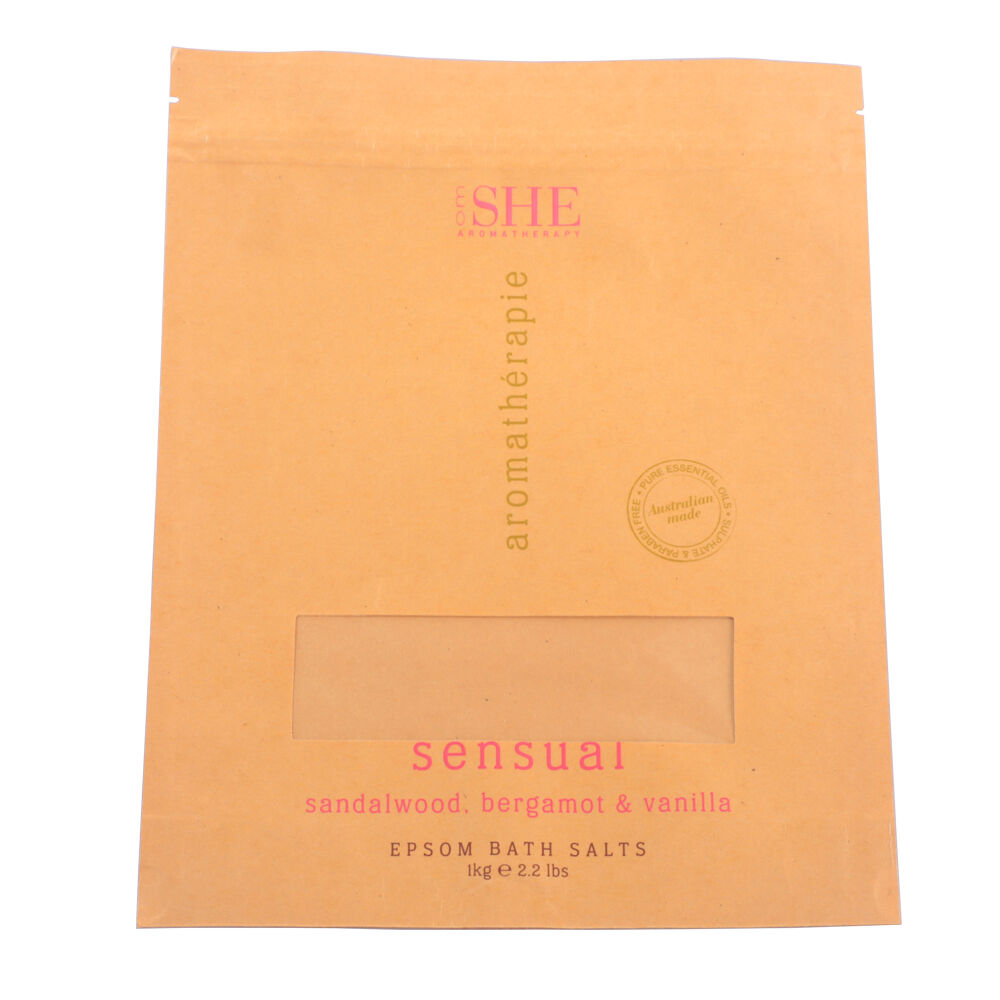
The global market for in-mold labels has experienced unprecedented growth as manufacturers across industries seek advanced labeling solutions that deliver superior durability, aesthetic appeal, and production efficiency. These innovative labeling technologies have revolutionized packaging across sectors including food and beverage, automotive, consumer goods, and industrial applications, offering seamless integration during the molding process that eliminates traditional post-production labeling steps.
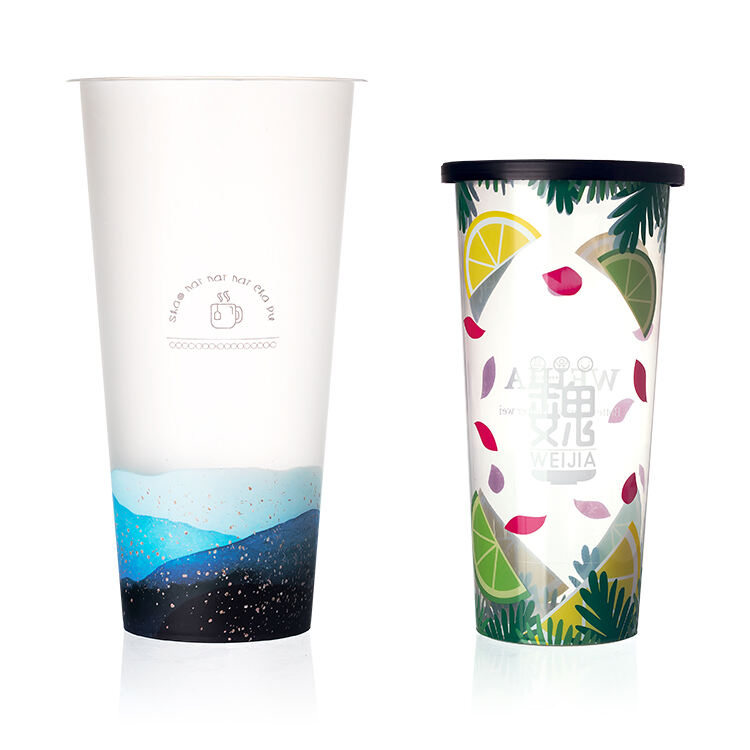
Understanding the current landscape of in-mold labels suppliers and market dynamics becomes crucial for businesses looking to implement these cutting-edge solutions. The global supply chain encompasses specialized manufacturers who have developed proprietary technologies and materials, regional suppliers serving specific markets, and emerging players introducing innovative approaches to in-mold labeling processes.
Global Market Landscape for In-Mold Labels
Market Size and Growth Trajectory
The worldwide market for in-mold labels has reached significant proportions, with industry analysts estimating continued expansion driven by increasing demand for premium packaging solutions. Manufacturing sectors are increasingly adopting these labeling technologies due to their ability to integrate seamlessly with automated production lines while delivering consistent quality results. The growth trajectory reflects broader trends toward sustainable packaging, enhanced product differentiation, and improved manufacturing efficiency.
Regional markets demonstrate varying adoption rates, with developed economies leading in terms of technological sophistication and implementation scale. Emerging markets show accelerating growth as local manufacturers recognize the competitive advantages offered by in-mold labels in both domestic and export applications. This geographic distribution creates opportunities for suppliers to establish strategic partnerships and expand their market presence.
Industry forecasts indicate sustained growth momentum, supported by continuous technological innovations in materials science, printing technologies, and molding processes. The convergence of sustainability requirements, cost optimization objectives, and quality enhancement needs positions in-mold labels as increasingly essential components of modern manufacturing strategies.
Key Application Sectors and Demand Drivers
Food and beverage packaging represents the largest application segment for in-mold labels, where brands require labeling solutions that maintain integrity throughout distribution chains while meeting regulatory requirements for food contact materials. These applications demand specialized materials that resist moisture, temperature variations, and mechanical stress while preserving print quality and adhesion performance.
Automotive components increasingly utilize in-mold labels for both functional and aesthetic purposes, including instrument panels, interior trim pieces, and exterior components. These applications require materials capable of withstanding extreme temperature ranges, UV exposure, and mechanical stress while maintaining dimensional stability and appearance quality over extended service lives.
Consumer electronics and household appliances leverage in-mold labels for branding, instructional information, and regulatory compliance marking. These sectors value the durability and professional appearance that in-mold labels provide, particularly in applications where traditional adhesive labels might fail due to environmental conditions or handling requirements.
Technology Categories and Material Innovations
Film-Based In-Mold Label Technologies
Film-based in-mold labels utilize specialized polymer substrates engineered for optimal performance during the molding process. These materials undergo careful selection based on thermal stability, mold release properties, and compatibility with target substrate materials. Advanced film formulations incorporate additives that enhance printability, improve dimensional stability, and provide specific performance characteristics required by end-use applications.
Manufacturing processes for film-based in-mold labels involve sophisticated coating and printing technologies that ensure consistent quality and performance. Suppliers invest heavily in research and development to optimize material formulations, printing processes, and quality control systems that meet increasingly demanding application requirements across diverse industry sectors.
Recent innovations in film-based technologies focus on sustainability improvements, including bio-based materials, recyclable formulations, and reduced environmental impact during production. These developments respond to growing market demands for environmentally responsible packaging solutions while maintaining the performance advantages that make in-mold labels attractive to manufacturers.
Paper-Based and Specialty Material Systems
Paper-based in-mold labels offer unique advantages in applications requiring natural appearance, specific printing characteristics, or cost optimization. These systems utilize specially treated paper substrates that maintain structural integrity during the molding process while providing excellent printability and aesthetic appeal. The development of paper-based systems addresses market segments where traditional plastic films may not provide optimal solutions.
Specialty material systems encompass advanced composites, metallic substrates, and hybrid constructions designed for specific application requirements. These materials often incorporate multiple layers or specialized surface treatments that provide unique functional properties such as barrier performance, conductive characteristics, or enhanced visual effects that differentiate branded products in competitive markets.
Innovation in specialty materials continues to expand the application possibilities for in-mold labels, with suppliers developing customized solutions for unique industry requirements. These developments demonstrate the flexibility and adaptability of in-mold labeling technologies in addressing evolving market needs and performance specifications.
Supply Chain Structure and Key Supplier Categories
Global Technology Leaders and Innovation Hubs
The global supply chain for in-mold labels includes established technology leaders who have developed comprehensive capabilities spanning material science, printing technologies, and application engineering. These suppliers typically maintain extensive research and development facilities, global manufacturing networks, and technical support organizations that serve diverse industry sectors and geographic markets.
Innovation hubs within the industry focus on advancing core technologies, developing new material systems, and improving manufacturing processes. These centers of excellence drive technological progress through collaboration with universities, research institutions, and industry partners, ensuring continuous improvement in performance capabilities and application versatility for in-mold labels.
Strategic partnerships between technology leaders and regional suppliers create comprehensive supply networks that combine global expertise with local market knowledge and service capabilities. These relationships enable efficient distribution of advanced technologies while providing responsive support for regional customer requirements and market development initiatives.
Regional Suppliers and Market Specialization
Regional suppliers play crucial roles in serving specific geographic markets and industry segments, often developing specialized capabilities that address local requirements, regulatory standards, and customer preferences. These suppliers frequently establish close relationships with regional manufacturers, providing customized solutions and responsive service that complement the offerings of global technology leaders.
Market specialization among regional suppliers enables development of expertise in specific application areas, such as food packaging, automotive components, or industrial applications. This specialization allows suppliers to optimize their product offerings, manufacturing processes, and technical support capabilities for targeted market segments while building strong competitive positions.
Emerging suppliers in developing markets contribute to global supply chain diversity by introducing cost-effective solutions, innovative approaches, and regional manufacturing capabilities. These suppliers often focus on serving local markets initially before expanding their reach through partnerships, technology licensing, or direct investment in advanced capabilities.
Manufacturing Capabilities and Quality Standards
Production Technologies and Process Control
Modern manufacturing facilities for in-mold labels incorporate advanced production technologies that ensure consistent quality, dimensional accuracy, and performance reliability. These facilities typically feature precision coating systems, high-resolution printing equipment, and sophisticated quality control instrumentation that monitors critical parameters throughout the production process.
Process control systems integrate real-time monitoring, statistical process control, and automated adjustment capabilities that maintain tight tolerances and minimize variation in product characteristics. These systems enable suppliers to consistently deliver in-mold labels that meet demanding application requirements while optimizing production efficiency and minimizing waste.
Investment in advanced manufacturing technologies reflects the industry's commitment to meeting evolving customer requirements for quality, consistency, and performance. Suppliers continue to upgrade their capabilities through equipment modernization, process optimization, and implementation of Industry 4.0 technologies that enhance manufacturing intelligence and responsiveness.
Quality Assurance and Certification Standards
Quality assurance programs for in-mold labels encompass comprehensive testing protocols that verify material properties, printing quality, adhesion performance, and durability characteristics. These programs typically include both incoming material inspection and finished product testing to ensure compliance with customer specifications and industry standards.
Certification standards relevant to in-mold labels include food contact approvals, automotive quality standards, and environmental compliance certifications. Suppliers invest significant resources in obtaining and maintaining these certifications, which demonstrate their commitment to meeting regulatory requirements and customer expectations for safety and performance.
Continuous improvement initiatives within quality assurance programs focus on enhancing testing methodologies, expanding certification scope, and improving process capabilities. These efforts ensure that in-mold labels continue to meet evolving requirements while supporting customer success in their respective markets and applications.
Market Trends and Future Outlook
Sustainability and Environmental Considerations
Sustainability has emerged as a dominant trend influencing the development and selection of in-mold labels, with increasing emphasis on recyclable materials, reduced environmental impact during production, and end-of-life considerations. Suppliers are responding by developing bio-based materials, optimizing manufacturing processes, and providing guidance on sustainable application practices.
Environmental considerations extend beyond material selection to include energy efficiency in manufacturing, waste reduction initiatives, and sustainable supply chain practices. These comprehensive approaches to sustainability reflect industry recognition that environmental responsibility represents both market opportunity and competitive necessity in modern business environments.
Future developments in sustainable in-mold labels will likely focus on circular economy principles, including design for recyclability, material recovery systems, and integration with broader sustainability initiatives within customer industries. These developments position in-mold labels as contributors to sustainable packaging solutions rather than environmental challenges.
Technology Evolution and Innovation Directions
Technology evolution in the in-mold labels industry continues to focus on enhanced performance capabilities, expanded application possibilities, and improved manufacturing efficiency. Current innovation directions include smart label technologies, advanced barrier materials, and integrated functional capabilities that extend beyond traditional labeling applications.
Digital printing technologies are increasingly important in enabling shorter production runs, customization capabilities, and rapid prototype development for in-mold labels. These technologies provide flexibility in design, color management, and production scheduling that supports evolving customer requirements for personalization and market responsiveness.
Future technology developments will likely emphasize integration with digital manufacturing systems, enhanced sustainability characteristics, and expanded functional capabilities that position in-mold labels as integral components of advanced packaging and product systems rather than simple identification devices.
FAQ
What factors should be considered when selecting suppliers for in-mold labels?
When selecting suppliers for in-mold labels, key factors include technical capabilities, quality systems, manufacturing capacity, geographic coverage, and application expertise. Evaluate suppliers based on their ability to provide materials suitable for your specific application requirements, maintain consistent quality standards, and offer responsive technical support. Consider their experience in your industry sector, certification status for relevant standards, and track record of successful project implementation.
How do regional suppliers compare to global technology leaders in the in-mold labels market?
Regional suppliers often provide advantages in terms of local market knowledge, responsive service, and specialized capabilities for specific applications or geographic requirements. Global technology leaders typically offer broader product portfolios, advanced research and development capabilities, and comprehensive technical support networks. The optimal choice depends on specific project requirements, service preferences, and strategic objectives, with many customers utilizing both regional and global suppliers for different applications or market segments.
What are the current trends driving innovation in the in-mold labels supply chain?
Current innovation trends in the in-mold labels supply chain include sustainability initiatives focusing on recyclable and bio-based materials, digitalization of manufacturing processes, and development of smart labeling technologies. Suppliers are investing in advanced manufacturing capabilities, improved quality systems, and expanded application engineering support. Market demands for customization, shorter lead times, and enhanced performance characteristics continue to drive technological advancement and supply chain optimization.
How is the global market for in-mold labels expected to evolve in the coming years?
The global market for in-mold labels is expected to continue growing, driven by increasing adoption in emerging markets, expansion into new application areas, and technological innovations that enhance performance and sustainability. Growth patterns will likely favor suppliers who can demonstrate environmental responsibility, provide advanced technical capabilities, and offer comprehensive support for complex applications. Market consolidation may occur as smaller suppliers seek partnerships or acquisition opportunities to compete effectively in an increasingly sophisticated marketplace.
Table of Contents
- Global Market Landscape for In-Mold Labels
- Technology Categories and Material Innovations
- Supply Chain Structure and Key Supplier Categories
- Manufacturing Capabilities and Quality Standards
- Market Trends and Future Outlook
-
FAQ
- What factors should be considered when selecting suppliers for in-mold labels?
- How do regional suppliers compare to global technology leaders in the in-mold labels market?
- What are the current trends driving innovation in the in-mold labels supply chain?
- How is the global market for in-mold labels expected to evolve in the coming years?