 EN
EN


In today's competitive retail environment, capturing consumer attention at the point of purchase has become increasingly challenging. With countless products vying for space on crowded shelves, manufacturers must leverage every available tool to differentiate their offerings and create memorable brand experiences. In-mold labels represent one of the most effective solutions for achieving this critical marketing objective, offering a unique combination of visual impact, durability, and cost-effectiveness that traditional labeling methods simply cannot match.
The science behind shelf appeal goes far beyond simple aesthetics, encompassing psychological triggers, material innovation, and strategic brand positioning. In-mold labels fundamentally transform how products communicate with consumers by becoming an integral part of the container itself rather than an afterthought applied during secondary operations. This integration creates opportunities for enhanced visual storytelling, improved product functionality, and superior brand protection that directly translates into increased sales performance and market share growth.
Enhanced Visual Impact Through Advanced Design Capabilities
Superior Graphics and Color Reproduction
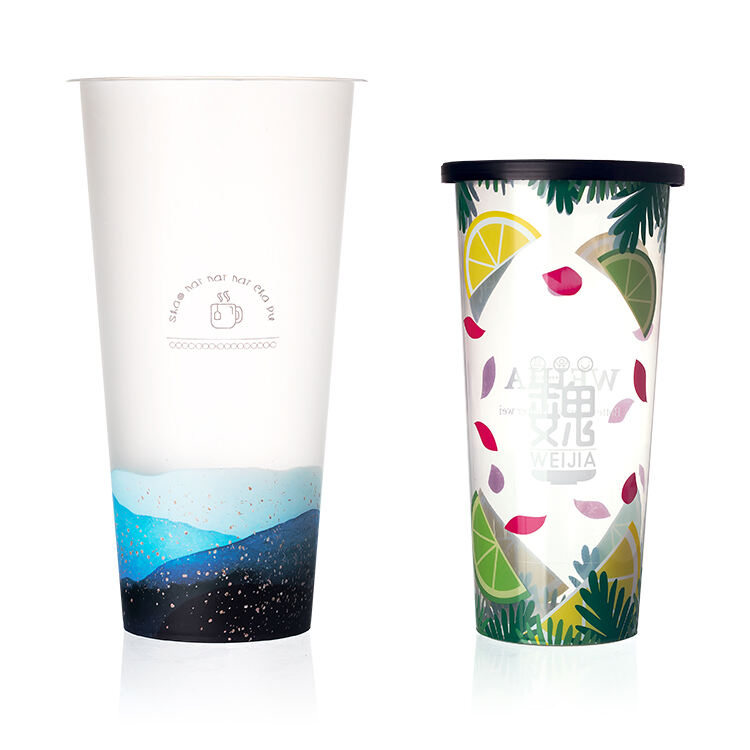
In-mold labels deliver exceptional print quality that surpasses conventional pressure-sensitive labels in both clarity and vibrancy. The integration process allows for high-resolution imagery, complex color gradients, and intricate design elements that remain crisp and engaging throughout the product lifecycle. This superior visual fidelity enables brands to implement sophisticated marketing strategies that capture consumer attention from significant distances across retail environments.
The printing capabilities associated with in-mold labels support multiple color processes, metallic finishes, and specialty inks that create dynamic shelf presence. These advanced graphics options enable manufacturers to implement premium branding strategies that command higher price points while maintaining cost-effective production volumes. The resulting visual impact helps products break through the retail clutter and establish immediate brand recognition among target consumers.
Furthermore, the seamless integration of graphics with container geometry allows for wrap-around designs that maximize available surface area for brand communication. This comprehensive coverage ensures consistent messaging visibility regardless of product orientation on retail shelves, significantly improving brand exposure and consumer engagement rates.
Three-Dimensional Design Elements
Unlike traditional flat labels, in-mold labels can incorporate raised textures, embossed features, and tactile elements that enhance consumer interaction and perceived value. These three-dimensional characteristics create memorable touchpoints that differentiate products through multi-sensory experiences, encouraging consumer handling and extended consideration periods during purchase decisions.
The ability to integrate structural design elements directly into the labeling process opens new possibilities for functional enhancements such as grip zones, pouring guides, and ergonomic features. These practical benefits combine with aesthetic improvements to create comprehensive product experiences that address both emotional and functional consumer needs.
Advanced molding techniques enable the creation of complex surface patterns and geometric shapes that would be impossible to achieve through conventional labeling methods. This design flexibility allows brands to develop unique visual signatures that become instantly recognizable in competitive retail environments, building long-term brand equity and consumer loyalty.
Durability Advantages for Long-Term Brand Protection
Resistance to Environmental Factors
The permanent fusion of in-mold labels with container walls creates exceptional resistance to moisture, temperature fluctuations, and chemical exposure that can degrade traditional adhesive labels. This durability ensures consistent brand presentation throughout extended storage periods, transportation challenges, and diverse retail conditions that might otherwise compromise product appearance and consumer perception.
The integrated construction eliminates common failure points such as edge lifting, bubble formation, and adhesive breakdown that frequently plague pressure-sensitive labeling applications. This reliability translates directly into reduced product returns, improved brand reputation, and enhanced consumer confidence in product quality and manufacturer attention to detail.
Temperature resistance becomes particularly important for products subjected to refrigeration, freezing, or heat exposure during distribution and retail display. In-mold labels maintain their integrity and appearance under these challenging conditions, ensuring optimal shelf appeal regardless of environmental stresses that might cause conventional labels to curl, fade, or detach completely.
Scratch and Wear Resistance
The mechanical properties of in-mold labels provide superior resistance to scratching, scuffing, and abrasion damage that commonly occurs during handling, transportation, and retail stocking processes. This durability maintains pristine product appearance throughout the entire supply chain journey, ensuring maximum shelf appeal when products reach their final destination.
Consumer handling and usage scenarios benefit significantly from this enhanced durability, as products maintain their visual integrity throughout extended use periods. This longevity creates positive brand associations and reinforces perceptions of quality that influence repeat purchase decisions and word-of-mouth recommendations.
The elimination of label edges and adhesive interfaces removes vulnerable points where damage typically initiates, creating a uniform surface that distributes stress evenly across the entire container. This engineering advantage results in significantly extended aesthetic lifespan compared to traditional labeling approaches.
Cost-Effectiveness and Production Efficiency
Streamlined Manufacturing Process
In-mold labels eliminate secondary labeling operations by integrating decoration directly into the molding process, reducing labor costs, equipment requirements, and production complexity. This consolidation creates significant operational efficiencies that translate into improved profit margins and competitive pricing flexibility for manufacturers seeking market advantage.
The single-step production approach reduces handling requirements, minimizes quality control checkpoints, and decreases the potential for defects introduced during multi-stage manufacturing processes. These efficiencies enable faster production cycles and improved resource utilization that support responsive market strategies and customer demands.
Inventory management becomes simplified when decoration and container production occur simultaneously, reducing storage requirements, handling costs, and potential inventory obsolescence risks associated with separate label and container stocks. This integration supports lean manufacturing principles and improved cash flow management.
Reduced Material and Labor Costs
The elimination of adhesives, release liners, and application equipment reduces material costs while simplifying supply chain management and vendor relationships. These savings accumulate significantly across high-volume production runs, creating substantial cost advantages that can be reinvested in product development, marketing initiatives, or competitive pricing strategies.
Labor cost reductions result from eliminating manual or semi-automatic labeling operations that require skilled operators, quality monitoring, and maintenance activities. The automated integration of in-mold labels reduces dependency on labor availability and eliminates variability introduced by human factors in traditional labeling processes.
Waste reduction occurs naturally through the elimination of label application errors, misalignment issues, and damaged inventory that typically result from separate labeling operations. This efficiency improvement contributes to environmental sustainability goals while reducing disposal costs and material waste throughout the production process.
Consumer Psychology and Purchase Behavior Impact
Perceived Quality and Value Enhancement
The seamless integration of in-mold labels creates an impression of premium quality and sophisticated manufacturing that influences consumer perceptions of product value. This quality association enables manufacturers to command higher price points and position products in premium market segments where visual excellence drives purchase decisions.
Research in consumer psychology demonstrates that integrated design elements signal attention to detail and manufacturing excellence that translates into positive brand associations. These psychological triggers operate below conscious awareness levels but significantly influence purchase decisions and brand preference development over time.
The professional appearance achieved through in-mold labels helps products compete effectively against established brands by communicating comparable quality standards and manufacturing capabilities. This visual parity becomes particularly important for emerging brands seeking to establish credibility in competitive market categories.
Shelf Differentiation and Brand Recognition
The unique visual characteristics possible with in-mold labels create distinctive shelf signatures that help consumers quickly identify preferred brands amid crowded retail environments. This recognition speed becomes crucial in modern shopping behaviors where purchase decisions occur within seconds of product encounter.
The ability to create memorable visual and tactile experiences through in-mold labels supports brand building efforts by establishing consistent touchpoints that reinforce marketing messages and brand positioning strategies. These consistent experiences across multiple product encounters build familiarity and trust that drive long-term customer relationships.
Competitive differentiation becomes achievable through design innovations that would be technically impossible or economically impractical with conventional labeling methods. This capability allows brands to establish unique market positions that are difficult for competitors to replicate quickly or cost-effectively.
Market Applications and Industry Success Stories
Food and Beverage Applications
The food and beverage industry has embraced in-mold labels extensively due to their ability to withstand refrigeration, freezing, and moisture exposure while maintaining vibrant graphics that encourage impulse purchases. Dairy products, beverages, and frozen foods particularly benefit from the durability and visual impact that in-mold labels provide in challenging retail environments.
Regulatory compliance becomes simplified with in-mold labels since required information becomes permanently integrated into the container, eliminating concerns about label detachment or readability degradation that might compromise food safety communications or traceability requirements.
The ability to incorporate functional elements such as measurement marks, usage instructions, or promotional graphics directly into the container design creates comprehensive packaging solutions that enhance consumer convenience while reducing material costs and production complexity.
Consumer Goods and Personal Care Products
Personal care and household products leverage in-mold labels to create premium appearances that support brand positioning strategies in competitive retail categories. The durability advantages become particularly valuable for products exposed to bathroom humidity, kitchen heat, or outdoor storage conditions that challenge conventional labeling approaches.
The ability to create sophisticated graphics and textures enables these products to communicate brand values and product benefits more effectively than traditional labeling methods. This enhanced communication capability supports marketing strategies focused on emotional connections and lifestyle associations that drive consumer loyalty.
Product line extensions and seasonal variations become more manageable with in-mold labels since design changes can be implemented efficiently without requiring separate labeling operations or inventory management complications that might delay market introductions or increase costs.
FAQ
How much do in-mold labels typically cost compared to traditional pressure-sensitive labels?
While initial setup costs for in-mold labels may be higher due to tooling requirements, the total cost per unit is typically 15-30% lower than pressure-sensitive labels when considering material costs, labor elimination, and reduced waste. The cost advantage increases significantly with higher production volumes, making in-mold labels particularly attractive for established products with consistent demand patterns.
Can in-mold labels be used with recycled plastic containers?
Yes, in-mold labels are compatible with recycled plastic materials and actually enhance recyclability since the label and container are made from compatible materials that can be processed together. This compatibility supports sustainability initiatives while maintaining the visual and functional advantages that help products stand out on retail shelves.
What design limitations should be considered when developing in-mold label graphics?
The primary design considerations involve accommodating the molding process requirements, including draft angles, undercuts, and material flow patterns that might affect graphic placement or resolution. However, these technical constraints are typically manageable through proper design consultation, and the resulting capabilities far exceed those available through conventional labeling methods.
How long does it take to implement in-mold labeling for existing product lines?
Implementation timelines typically range from 8-16 weeks depending on design complexity, tooling requirements, and production schedule coordination. The transition process involves design development, tooling fabrication, production trials, and quality validation phases that ensure optimal results before full-scale production begins.
Table of Contents
- Enhanced Visual Impact Through Advanced Design Capabilities
- Durability Advantages for Long-Term Brand Protection
- Cost-Effectiveness and Production Efficiency
- Consumer Psychology and Purchase Behavior Impact
- Market Applications and Industry Success Stories
-
FAQ
- How much do in-mold labels typically cost compared to traditional pressure-sensitive labels?
- Can in-mold labels be used with recycled plastic containers?
- What design limitations should be considered when developing in-mold label graphics?
- How long does it take to implement in-mold labeling for existing product lines?