 EN
EN


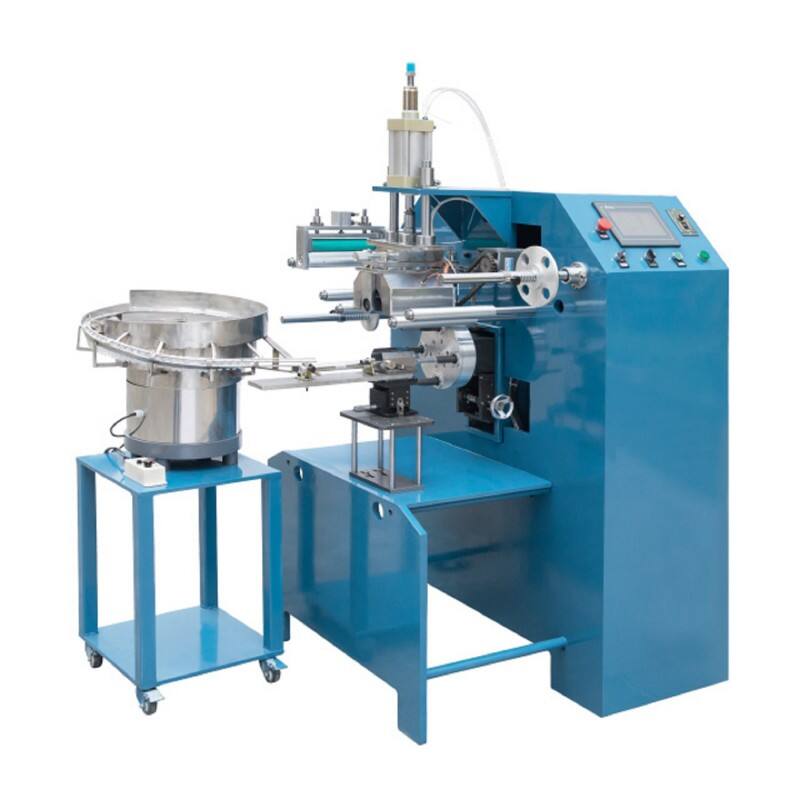
In the modern manufacturing landscape, precision and efficiency drive innovation across countless industries. One technology that exemplifies this pursuit of excellence is the heat transfer machine, a sophisticated piece of equipment that has revolutionized how businesses apply graphics, logos, and designs to various substrates. Understanding the intricate workings of these machines reveals why they have become indispensable tools in textile printing, promotional product manufacturing, and industrial marking applications.
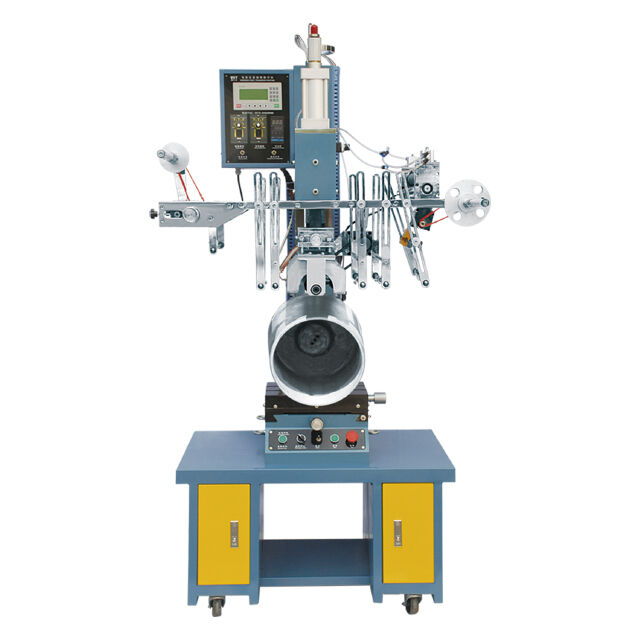
The fundamental principle behind heat transfer technology lies in the controlled application of three critical variables: pressure, temperature, and time. When these elements work in perfect harmony, they create the ideal conditions for transferring designs from carrier materials onto target substrates with exceptional quality and durability. This precise orchestration ensures that every transfer maintains consistent color vibrancy, adhesion strength, and long-term performance characteristics.
Modern heat transfer systems have evolved far beyond simple manual presses, incorporating advanced digital controls, automated positioning systems, and intelligent monitoring capabilities. These technological enhancements enable manufacturers to achieve unprecedented levels of consistency while reducing operator fatigue and minimizing production errors. The sophistication of contemporary machines reflects decades of engineering refinement and user feedback integration.
The Core Components of Heat Transfer Systems
Heating Elements and Temperature Control
The heating system represents the heart of any effective heat transfer machine, employing precisely calibrated elements that distribute thermal energy uniformly across the entire working surface. Advanced models utilize multiple heating zones with independent temperature controls, allowing operators to accommodate varying substrate thicknesses and material compositions within a single production run. These sophisticated heating arrays ensure that every square inch of the transfer area receives consistent thermal input.
Temperature regulation systems incorporate high-precision sensors and digital controllers that maintain setpoints within narrow tolerances, typically plus or minus one degree Celsius. This level of accuracy proves crucial when working with heat-sensitive materials or achieving specific visual effects that require exact thermal conditions. Professional-grade machines often feature rapid heating capabilities, reaching operating temperatures in minutes rather than the extended warm-up periods required by older equipment.
Pressure Application Mechanisms
Pressure distribution systems in modern heat transfer equipment employ pneumatic or hydraulic actuators that deliver consistent force across the entire platen surface. These mechanisms ensure uniform contact between the transfer material and substrate, eliminating air pockets and preventing partial transfers that compromise finished product quality. Advanced systems incorporate pressure monitoring displays that provide real-time feedback to operators.
The pressure application process involves carefully calculated force distribution that varies according to substrate material properties and transfer film specifications. Delicate fabrics require gentler pressure settings to prevent damage, while rigid surfaces may demand higher forces to achieve proper adhesion. Intelligent machines automatically adjust pressure parameters based on programmed material profiles, reducing setup time and minimizing operator error potential.
Temperature Dynamics in Heat Transfer Operations
Thermal Profiling and Heat Distribution
Effective thermal management begins with understanding how heat flows through different material layers during the transfer process. The Heat Transfer Machine must generate sufficient thermal energy to activate adhesive systems while avoiding temperatures that could damage substrate materials or degrade transfer quality. This delicate balance requires sophisticated temperature profiling capabilities.
Professional systems employ thermal imaging technology and embedded sensors to monitor temperature distribution across the heating platen surface. These monitoring systems identify hot spots and cool zones that could affect transfer uniformity, allowing operators to make real-time adjustments or schedule preventive maintenance. Some advanced models incorporate automatic temperature compensation algorithms that adjust heating patterns based on ambient conditions and production requirements.
Material-Specific Temperature Requirements
Different substrate materials respond optimally to specific temperature ranges that maximize adhesion while preserving material integrity. Cotton fabrics typically perform best at moderate temperatures that avoid fiber degradation, while synthetic materials may require higher thermal inputs to achieve proper bonding. Understanding these material-specific requirements enables operators to optimize transfer parameters for each application.
Transfer films and adhesive systems also exhibit distinct temperature activation characteristics that must align with substrate requirements. Premium transfer materials incorporate temperature-responsive adhesives that activate within narrow thermal windows, providing superior bond strength while maintaining flexibility and durability. Matching these activation temperatures with substrate thermal limits represents a critical aspect of successful heat transfer operations.
Pressure Mechanics and Force Distribution
Pneumatic and Hydraulic Systems
Modern heat transfer machines utilize advanced pneumatic or hydraulic pressure systems that deliver precise force control throughout the transfer cycle. Pneumatic systems offer rapid response times and consistent pressure delivery, making them ideal for high-volume production environments where speed and reliability are paramount. These systems incorporate precision regulators and pressure monitoring equipment that ensure repeatable results across thousands of transfer cycles.
Hydraulic systems provide superior force multiplication capabilities, enabling machines to generate the high pressures required for challenging applications such as thick substrate bonding or specialized transfer materials. The smooth, controllable force delivery characteristics of hydraulic systems make them particularly suitable for delicate operations where precise pressure ramping prevents substrate damage or transfer distortion.
Surface Contact and Uniformity
Achieving uniform pressure distribution across irregular or textured surfaces requires sophisticated platen design and force distribution mechanisms. Modern machines incorporate flexible pressure pads and conformable platens that adapt to substrate variations while maintaining consistent contact pressure. These systems prevent pressure concentration points that could cause transfer defects or substrate damage.
Advanced machines feature multi-zone pressure control systems that allow operators to adjust force distribution patterns according to specific application requirements. This capability proves particularly valuable when working with substrates that have varying thickness profiles or when applying transfers that require different pressure levels across their surface area. Intelligent pressure mapping systems provide visual feedback that helps operators optimize force distribution patterns.
Timing Precision and Cycle Control
Automated Timing Systems
Precise timing control represents the third critical parameter in successful heat transfer operations, with modern machines incorporating programmable timing systems that manage every aspect of the transfer cycle. These systems coordinate heating phases, pressure application sequences, and cooling periods to optimize transfer quality while maximizing production efficiency. Advanced timing controllers offer multiple preset programs for different material combinations and transfer requirements.
Intelligent timing systems monitor process variables continuously, automatically adjusting cycle parameters based on real-time feedback from temperature and pressure sensors. This adaptive capability ensures consistent results even when working with materials that exhibit varying thermal or mechanical properties. Some systems incorporate learning algorithms that optimize timing parameters based on historical performance data.
Dwell Time Optimization
Dwell time, the period during which pressure and temperature are simultaneously applied, requires careful optimization to achieve optimal transfer results. Insufficient dwell time may result in poor adhesion or incomplete transfer, while excessive exposure can cause substrate damage or transfer distortion. Professional systems provide precise dwell time control with resolution measured in fractions of seconds.
Modern machines incorporate intelligent dwell time calculation systems that automatically determine optimal exposure periods based on material properties, transfer film specifications, and desired quality outcomes. These systems consider factors such as substrate thermal mass, transfer film activation kinetics, and cooling requirements to calculate precise timing parameters that maximize transfer quality while minimizing cycle time.
Advanced Control Systems and Automation
Digital Interface and Programming
Contemporary heat transfer machines feature sophisticated digital control interfaces that simplify operation while providing comprehensive parameter monitoring and adjustment capabilities. These user-friendly systems incorporate touchscreen displays, intuitive menu structures, and graphical process monitoring that enable operators to optimize machine performance quickly and efficiently. Advanced interfaces support multiple language options and customizable display configurations.
Programming capabilities allow operators to store multiple process recipes for different material combinations and transfer requirements, enabling rapid changeovers between production runs. These stored programs include all relevant parameters such as temperature setpoints, pressure levels, timing sequences, and special handling requirements. Some systems support remote programming and monitoring capabilities through network connectivity options.
Quality Monitoring and Process Control
Integrated quality monitoring systems continuously track critical process variables and provide real-time feedback on transfer quality parameters. These systems incorporate statistical process control algorithms that identify trends and variations that could affect finished product quality. Advanced monitoring capabilities include transfer thickness measurement, adhesion strength testing, and visual quality assessment systems.
Automated process control systems maintain optimal operating conditions by continuously adjusting machine parameters based on sensor feedback and programmed quality targets. These systems can detect and compensate for variations in material properties, environmental conditions, and equipment wear that might otherwise compromise transfer quality. Intelligent alarm systems alert operators to conditions that require attention or intervention.
Applications Across Industries
Textile and Apparel Manufacturing
The textile industry represents one of the largest application areas for heat transfer technology, with machines enabling high-quality decoration of garments, accessories, and technical textiles. Modern systems accommodate a wide range of fabric types, from delicate silks to heavy canvas materials, each requiring specific parameter adjustments to achieve optimal results. Advanced machines incorporate fabric recognition systems that automatically select appropriate process parameters.
Specialized applications within the textile sector include performance wear decoration, where transfers must withstand extreme conditions while maintaining appearance and functionality. Heat transfer machines designed for these applications incorporate enhanced temperature control systems and specialized pressure distribution mechanisms that ensure durable bonding without compromising fabric performance characteristics.
Industrial and Commercial Applications
Beyond textile applications, heat transfer machines serve critical roles in industrial marking, product identification, and decorative applications across diverse manufacturing sectors. These applications often require specialized equipment configurations that accommodate unique substrate materials, transfer film requirements, and quality specifications. Industrial systems typically incorporate enhanced durability features and extended duty cycle capabilities.
Commercial applications include signage production, promotional product manufacturing, and custom decoration services where versatility and quality consistency are paramount. Modern machines designed for commercial applications offer rapid changeover capabilities, extensive material compatibility, and user-friendly operation that enables efficient production across varied customer requirements and specifications.
FAQ
What factors determine the optimal temperature setting for heat transfer operations?
Optimal temperature settings depend on several key factors including substrate material composition, transfer film specifications, desired bond strength, and production speed requirements. Cotton fabrics typically require temperatures between 160-180°C, while synthetic materials may need higher settings up to 200°C. The transfer film manufacturer's specifications provide baseline temperature recommendations that should be adjusted based on specific substrate characteristics and quality requirements. Environmental factors such as ambient temperature and humidity can also influence optimal temperature settings.
How does pressure variation affect transfer quality and what are the consequences of incorrect settings?
Pressure variations significantly impact transfer quality, with insufficient pressure causing poor adhesion, incomplete transfers, and premature failure of the finished product. Excessive pressure can damage delicate substrates, cause transfer distortion, or create unwanted texture impressions. Proper pressure settings ensure uniform contact between transfer material and substrate while accommodating material compression characteristics. Modern machines typically operate at pressures ranging from 2-6 bar, with specific requirements varying based on material combinations and transfer film specifications.
What maintenance procedures are essential for maintaining consistent heat transfer machine performance?
Essential maintenance procedures include regular cleaning of heating platens to prevent material buildup that affects heat distribution, calibration of temperature and pressure sensors to maintain accuracy, and inspection of pneumatic or hydraulic systems for leaks or wear. Heating element inspection and replacement should follow manufacturer guidelines, typically every 2000-5000 operating hours depending on usage intensity. Regular lubrication of moving parts, replacement of worn gaskets and seals, and verification of safety systems ensure reliable operation and prevent costly downtime.
How do advanced heat transfer machines handle different substrate thicknesses and irregular surfaces?
Advanced machines incorporate floating platen systems and conformable pressure pads that automatically adjust to accommodate varying substrate thicknesses and surface irregularities. Multi-zone pressure control systems allow independent adjustment of force distribution across different areas of the transfer surface. Some machines feature automatic thickness sensing systems that adjust pressure and temperature parameters based on measured substrate characteristics. Specialized fixtures and tooling options enable processing of three-dimensional objects and complex geometries while maintaining uniform transfer quality.
Table of Contents
- The Core Components of Heat Transfer Systems
- Temperature Dynamics in Heat Transfer Operations
- Pressure Mechanics and Force Distribution
- Timing Precision and Cycle Control
- Advanced Control Systems and Automation
- Applications Across Industries
-
FAQ
- What factors determine the optimal temperature setting for heat transfer operations?
- How does pressure variation affect transfer quality and what are the consequences of incorrect settings?
- What maintenance procedures are essential for maintaining consistent heat transfer machine performance?
- How do advanced heat transfer machines handle different substrate thicknesses and irregular surfaces?