 EN
EN


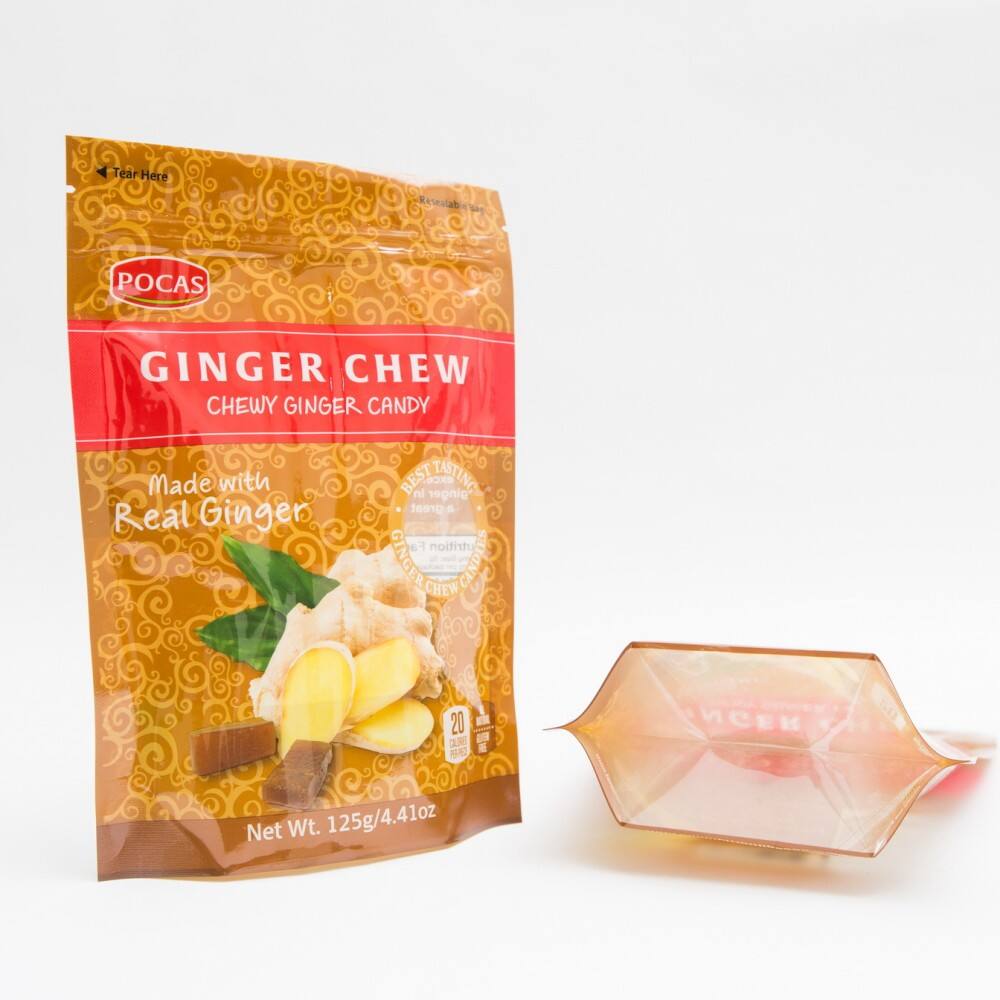
The printing process for food packaging bags requires careful consideration of both safety standards and visual appeal to ensure consumer protection while maintaining brand recognition. Modern food packaging bag production involves sophisticated printing technologies that must comply with strict regulatory requirements for direct food contact materials. Understanding the various printing methods and ink formulations available helps manufacturers make informed decisions that balance cost-effectiveness with quality outcomes. The selection of appropriate printing processes directly impacts the final product's safety profile, shelf appeal, and overall market performance in competitive retail environments.
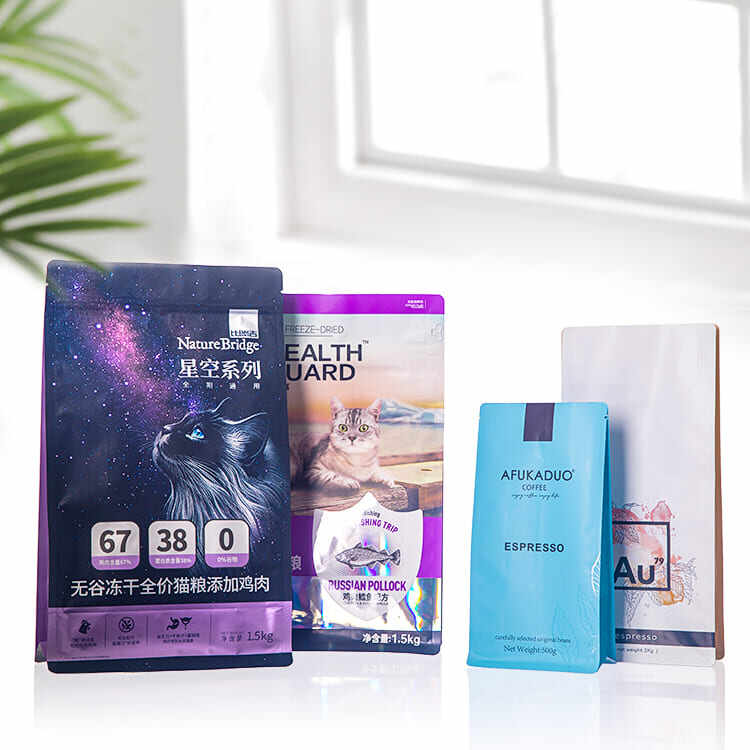
Digital Printing Technologies for Food Packaging Applications
Flexographic Printing Advantages
Flexographic printing represents one of the most widely adopted methods for food packaging bag production due to its versatility and cost-effectiveness. This printing technique utilizes flexible relief plates and fast-drying inks that cure quickly under UV light or heat exposure. The process allows for high-speed production runs while maintaining consistent color reproduction across large batches. Flexographic systems can accommodate various substrate materials commonly used in food packaging bag manufacturing, including polyethylene, polypropylene, and laminated films.
The flexibility of modern flexographic equipment enables manufacturers to produce food packaging bags with complex designs and multiple color combinations. Advanced plate-making technologies have significantly improved print quality, allowing for fine detail reproduction and smooth color gradients. The relatively low setup costs associated with flexographic printing make it particularly suitable for medium to large production runs where cost per unit becomes a critical factor in maintaining competitive pricing.
Gravure Printing for Premium Applications
Gravure printing offers superior image quality and color consistency for premium food packaging bag applications where visual impact drives consumer purchasing decisions. This printing method employs engraved cylinders that transfer ink directly to the substrate surface, resulting in exceptional detail reproduction and vibrant color saturation. The gravure process excels at producing photographic-quality images and complex designs that require precise color matching and consistency across extended production runs.
While gravure printing requires higher initial setup costs due to cylinder engraving expenses, the long-term benefits become apparent in high-volume production scenarios. The durability of gravure cylinders allows for millions of impressions without quality degradation, making this method economically viable for large-scale food packaging bag manufacturing. The ability to print on various film thicknesses and substrate types expands the versatility of gravure systems in producing different packaging formats.
Ink Safety Standards and Regulatory Compliance
Food Contact Regulations
Compliance with food contact regulations represents a fundamental requirement for any ink system used in food packaging bag production. The Food and Drug Administration maintains strict guidelines regarding the types of chemicals and additives permitted in materials that may come into direct contact with consumable products. Manufacturers must ensure that all ink components, including pigments, resins, and additives, meet established migration limits and safety thresholds established by regulatory authorities.
The European Union's Framework Regulation EC No. 1935/2004 establishes comprehensive requirements for materials and articles intended to come into contact with food products. These regulations specify maximum migration limits for various substances and require extensive testing to demonstrate compliance. Food packaging bag manufacturers must maintain detailed documentation proving that their chosen ink systems meet all applicable regulatory requirements for their intended markets and applications.
Migration Testing Requirements
Migration testing protocols evaluate the potential transfer of chemical substances from printed surfaces to food products under various storage and handling conditions. These comprehensive testing procedures simulate real-world scenarios including temperature variations, humidity exposure, and extended storage periods to assess long-term safety performance. The testing process involves exposing food packaging bags to different food simulants that represent various types of consumable products including acidic, fatty, and aqueous foods.
Laboratory analysis of migration test results must demonstrate that chemical transfer levels remain below established safety thresholds for all tested conditions. The complexity of migration testing requires specialized equipment and expertise to ensure accurate results that meet regulatory scrutiny. Manufacturers typically work with certified testing laboratories to obtain the necessary documentation for regulatory approval and market acceptance of their food packaging bag products.
Sustainable Ink Formulations and Environmental Impact
Water-Based Ink Systems
Water-based ink formulations have gained significant traction in food packaging bag production due to their reduced environmental impact and improved safety profiles. These ink systems utilize water as the primary solvent, eliminating or significantly reducing volatile organic compound emissions during the printing and curing processes. The adoption of water-based inks aligns with corporate sustainability initiatives while maintaining the high-quality printing performance required for effective food packaging applications.
Modern water-based ink technologies have overcome many historical limitations related to print quality and substrate adhesion. Advanced polymer chemistry has enabled the development of water-based formulations that deliver excellent color vibrancy, adhesion properties, and resistance to various environmental factors. The compatibility of water-based inks with existing printing equipment often requires minimal modifications, making the transition economically feasible for most food packaging bag manufacturers.
Low Migration Ink Technologies
Low migration ink technologies specifically address the challenges of producing safe food packaging bags while maintaining superior print quality and visual appeal. These specialized formulations utilize carefully selected raw materials and advanced polymerization techniques to minimize the potential for chemical migration into food products. The development of low migration inks represents a significant advancement in balancing safety requirements with performance expectations for food packaging applications.
The implementation of low migration ink systems requires careful attention to curing parameters and processing conditions to achieve optimal performance characteristics. These inks typically require specific temperature and exposure time combinations to ensure complete polymerization and cross-linking of the ink film. The investment in low migration technology often provides long-term benefits through reduced regulatory compliance costs and enhanced market acceptance of food packaging bag products.
Color Management and Brand Consistency
Spectrophotometric Color Matching
Spectrophotometric color matching ensures consistent brand representation across different production runs and printing facilities. This technology utilizes precise measurement instruments to quantify color characteristics and establish standardized color profiles for food packaging bag applications. The implementation of spectrophotometric systems enables manufacturers to maintain tight color tolerances and reproduce brand colors accurately regardless of substrate variations or production conditions.
The integration of color management software with printing press controls allows for real-time monitoring and adjustment of color parameters during production. This capability significantly reduces waste associated with color variations and ensures that finished food packaging bags meet established quality standards. The investment in advanced color management technology typically results in improved customer satisfaction and reduced reject rates throughout the manufacturing process.
Press-Side Quality Control
Press-side quality control systems provide immediate feedback regarding print quality parameters including color accuracy, registration, and overall appearance. These automated inspection systems utilize high-resolution cameras and advanced image processing algorithms to detect deviations from established quality standards. The implementation of press-side quality control significantly reduces the production of defective food packaging bags while improving overall manufacturing efficiency.
Modern quality control systems can integrate with printing press controls to automatically adjust process parameters when variations are detected. This closed-loop control approach minimizes operator intervention while maintaining consistent product quality throughout extended production runs. The data collected by quality control systems also provides valuable insights for process optimization and continuous improvement initiatives in food packaging bag manufacturing operations.
Cost Optimization Strategies in Printing Operations
Ink Consumption Management
Effective ink consumption management directly impacts the profitability of food packaging bag production operations through reduced material costs and improved process efficiency. Modern printing systems incorporate sophisticated ink delivery mechanisms that minimize waste while ensuring consistent coverage across the printed surface. The implementation of closed-loop ink circulation systems prevents contamination and extends the usable life of ink supplies during extended production runs.
Automated ink kitchen systems enable precise color matching and ink preparation while reducing manual labor requirements and potential for human error. These systems maintain detailed records of ink consumption patterns and formulations, enabling manufacturers to optimize purchasing decisions and inventory management strategies. The investment in automated ink management technology typically provides measurable returns through reduced material waste and improved production efficiency.
Production Planning Optimization
Strategic production planning maximizes equipment utilization while minimizing setup times and changeover costs associated with different food packaging bag configurations. The grouping of similar jobs and color sequences reduces the frequency of press cleaning and ink system changes, resulting in improved overall productivity. Advanced scheduling software can analyze production requirements and automatically optimize job sequences to minimize total production time and material consumption.
The implementation of lean manufacturing principles in printing operations eliminates non-value-added activities while improving overall process flow. This approach includes standardizing setup procedures, implementing predictive maintenance programs, and cross-training operators to handle multiple printing processes. The combination of optimized production planning and lean manufacturing techniques typically results in significant cost reductions and improved delivery performance for food packaging bag customers.
FAQ
What are the key safety considerations when selecting inks for food packaging bags
Safety considerations for food packaging bag inks include compliance with food contact regulations, migration testing requirements, and the selection of appropriate raw materials that meet established safety thresholds. Manufacturers must ensure that all ink components including pigments, resins, and additives comply with FDA and EU regulations for direct food contact applications. Comprehensive testing protocols evaluate the potential for chemical migration under various storage and handling conditions to demonstrate long-term safety performance.
How do water-based inks compare to solvent-based systems for food packaging applications
Water-based inks offer significant environmental and safety advantages over solvent-based systems while maintaining comparable print quality and performance characteristics. These formulations eliminate or reduce volatile organic compound emissions and provide improved workplace safety conditions. Modern water-based ink technologies deliver excellent adhesion, color vibrancy, and resistance properties suitable for demanding food packaging bag applications while supporting corporate sustainability initiatives.
What factors influence the choice between flexographic and gravure printing for food packaging bags
The choice between flexographic and gravure printing depends on factors including production volume, image quality requirements, substrate characteristics, and cost considerations. Flexographic printing offers versatility and cost-effectiveness for medium to large production runs with acceptable image quality. Gravure printing provides superior image reproduction and consistency for high-volume applications requiring premium visual appeal, despite higher initial setup costs.
How can manufacturers optimize color consistency across different production runs
Color consistency optimization requires the implementation of spectrophotometric color matching systems, standardized color profiles, and comprehensive quality control procedures. Advanced color management software enables precise monitoring and adjustment of color parameters during production. Press-side quality control systems provide real-time feedback and automatic process adjustments to maintain consistent color reproduction throughout extended manufacturing runs while reducing waste and improving customer satisfaction.
Table of Contents
- Digital Printing Technologies for Food Packaging Applications
- Ink Safety Standards and Regulatory Compliance
- Sustainable Ink Formulations and Environmental Impact
- Color Management and Brand Consistency
- Cost Optimization Strategies in Printing Operations
-
FAQ
- What are the key safety considerations when selecting inks for food packaging bags
- How do water-based inks compare to solvent-based systems for food packaging applications
- What factors influence the choice between flexographic and gravure printing for food packaging bags
- How can manufacturers optimize color consistency across different production runs