 EN
EN


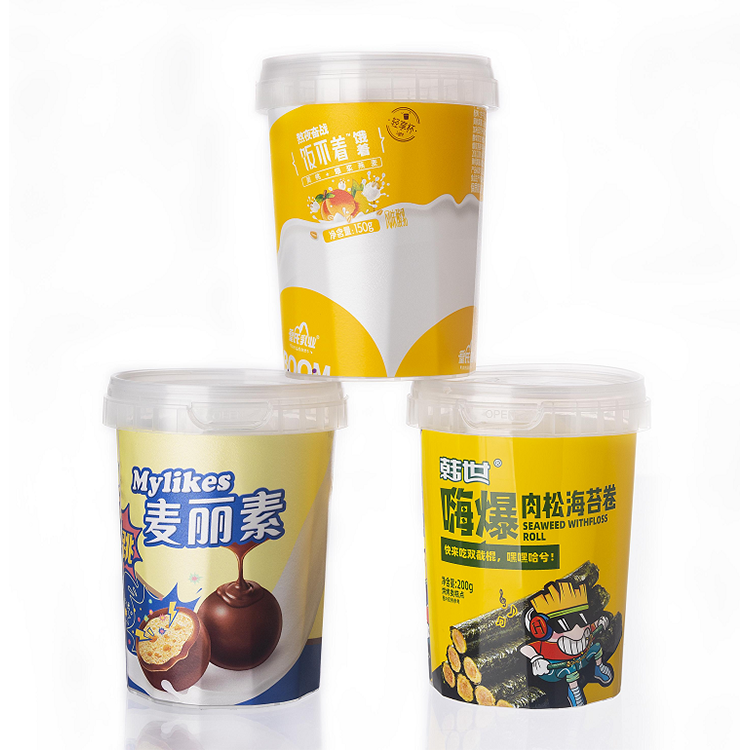
Manufacturing companies face critical decisions when selecting labeling solutions that impact product aesthetics, durability, and production costs. The choice between in-mold labeling and pressure-sensitive labeling represents one of the most significant decisions in packaging design. Understanding the fundamental differences, advantages, and limitations of each approach enables manufacturers to make informed decisions that align with their production requirements and market positioning.
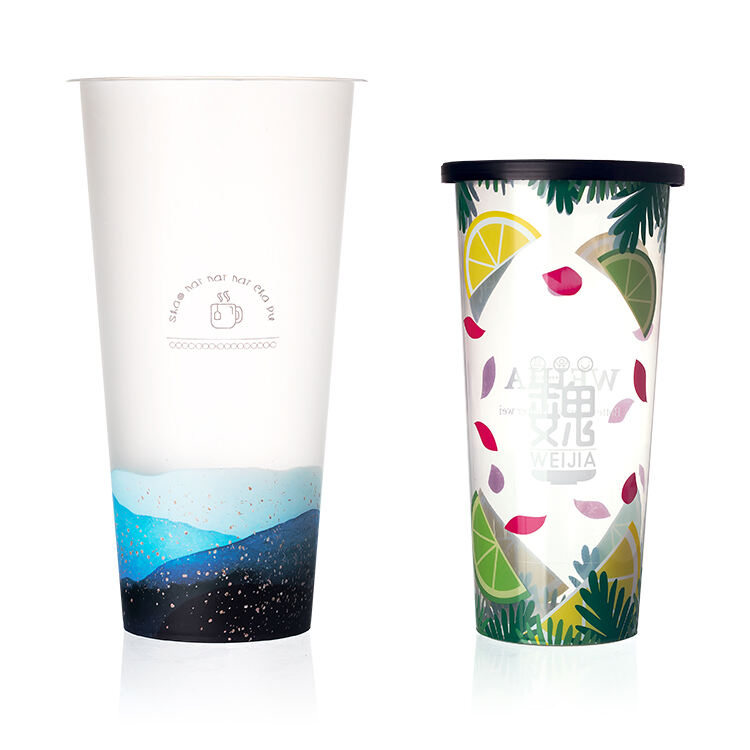
Understanding In-Mold Labeling Technology
Process Overview and Implementation
In-mold labeling represents a sophisticated manufacturing process where labels become permanently integrated into plastic products during the molding cycle. This advanced technique involves placing pre-printed labels into the mold cavity before injecting molten plastic material. The heat and pressure of the injection molding process create a molecular bond between the label and the plastic substrate, resulting in a seamless integration that cannot be separated without damaging the product.
The process requires precise coordination between label placement systems and injection molding equipment. Automated label handling systems position labels with exceptional accuracy, ensuring consistent placement and preventing defects. The timing of label insertion, mold closure, and plastic injection must be perfectly synchronized to achieve optimal results. This integration creates products where the In Mold Label becomes an integral part of the product structure rather than an applied surface decoration.
Material Specifications and Requirements
Successful in-mold labeling depends heavily on material compatibility between the label substrate and the molded plastic. Label materials must withstand extreme temperatures ranging from 200 to 300 degrees Celsius without degrading or losing adhesion properties. Polypropylene and polyethylene label substrates demonstrate excellent compatibility with corresponding plastic resins, creating strong molecular bonds during the molding process.
The thermal expansion coefficients of label and plastic materials must match closely to prevent warping, bubbling, or delamination during cooling. Advanced label substrates incorporate specialized coatings that enhance adhesion while maintaining print quality under extreme processing conditions. These materials undergo rigorous testing to ensure consistent performance across varying production parameters and environmental conditions.
Pressure-Sensitive Label Applications
Adhesive Technology and Performance
Pressure-sensitive labels utilize sophisticated adhesive systems that create immediate bonds when applied with pressure, eliminating the need for heat, solvents, or water activation. These labels consist of multiple layers including face stock, adhesive, and release liner, each engineered for specific performance characteristics. The adhesive layer determines the label's bonding strength, temperature resistance, and removability properties.
Modern pressure-sensitive adhesives offer remarkable versatility, with formulations designed for permanent, removable, or repositionable applications. Acrylic-based adhesives provide excellent clarity and aging resistance, while rubber-based formulations offer superior initial tack and conformability to irregular surfaces. The selection of appropriate adhesive technology directly impacts label performance, longevity, and end-user satisfaction.
Application Methods and Equipment
Pressure-sensitive label application can be accomplished through manual, semi-automatic, or fully automatic systems depending on production volume and precision requirements. High-speed automatic applicators achieve placement rates exceeding 1000 labels per minute while maintaining exceptional accuracy and consistency. These systems incorporate vision systems, servo controls, and sophisticated sensors to ensure proper label positioning and adhesion.
The flexibility of pressure-sensitive labeling allows for easy integration into existing production lines without significant equipment modifications. Labels can be applied to finished products at any stage of the manufacturing or packaging process, providing manufacturers with greater operational flexibility and inventory management options.
Comparative Analysis of Durability Factors
Environmental Resistance Characteristics
In-mold labeling demonstrates superior resistance to environmental factors including moisture, chemicals, and temperature extremes. The molecular integration of label and substrate creates a barrier that prevents edge lifting, moisture penetration, and chemical degradation. This inherent durability makes in-mold labeled products ideal for outdoor applications, chemical storage containers, and products exposed to harsh operating conditions.
Pressure-sensitive labels face greater challenges in extreme environments, particularly regarding edge adhesion and moisture resistance. However, advanced laminating techniques and barrier coatings significantly improve environmental resistance. Some high-performance pressure-sensitive labels achieve durability levels approaching those of in-mold alternatives while maintaining application flexibility.
Wear and Abrasion Performance
The integrated nature of in-mold labels provides exceptional resistance to scratching, abrasion, and wear. Since the label becomes part of the substrate material, it cannot be peeled, scratched off, or damaged through normal handling. This characteristic proves particularly valuable for products subject to frequent handling, stacking, or transportation stress.
Pressure-sensitive labels rely on protective topcoats and laminations to achieve abrasion resistance. Clear protective films, UV-curable coatings, and specialized varnishes enhance surface durability significantly. While not achieving the inherent protection of in-mold labels, properly protected pressure-sensitive labels deliver adequate performance for most applications.
Cost Analysis and Economic Considerations
Initial Investment and Setup Costs
In-mold labeling requires substantial initial investment in specialized equipment including label handling systems, mold modifications, and process control technology. The complexity of integrating labeling systems with injection molding equipment often necessitates custom engineering solutions and extended setup periods. However, this investment provides long-term benefits through reduced labor costs and improved production efficiency.
Pressure-sensitive labeling typically requires lower initial capital investment, with equipment costs ranging from simple manual applicators to sophisticated automatic systems. The modular nature of pressure-sensitive label equipment allows for gradual capacity expansion and technology upgrades without complete system replacement.
Production Economics and Labor Requirements
In-mold labeling achieves significant labor cost reductions by eliminating secondary labeling operations. Products emerge from the molding process fully labeled and ready for packaging or further processing. This integration reduces handling requirements, minimizes quality control checkpoints, and accelerates overall production throughput.
Pressure-sensitive labeling requires dedicated labor resources for application operations, quality inspection, and material handling. However, the flexibility to apply labels at optimal production stages can offset labor costs through improved scheduling efficiency and reduced work-in-process inventory.
Design Flexibility and Aesthetic Considerations
Visual Impact and Brand Presentation
In-mold labels create seamless visual presentations that enhance product aesthetics through the elimination of visible edges, bubbles, or adhesive lines. The smooth integration provides premium appearance characteristics that justify higher product positioning and pricing strategies. Color vibrancy and print quality remain consistent throughout the product lifecycle due to the protective nature of the integration.
Pressure-sensitive labels offer greater design flexibility through multiple substrate options, special effects materials, and post-application embellishments. Metallic foils, holographic materials, and textured substrates provide unique aesthetic opportunities not available with in-mold alternatives. The ability to incorporate security features, promotional elements, and variable data printing enhances marketing effectiveness.
Shape and Size Adaptability
In-mold labeling accommodates complex three-dimensional shapes and curved surfaces more effectively than pressure-sensitive alternatives. The molding process allows labels to conform perfectly to product contours without wrinkles, air bubbles, or conformability issues. This capability proves particularly valuable for automotive components, consumer appliances, and ergonomically designed products.
Pressure-sensitive labels excel in applications requiring frequent design changes, seasonal variations, or personalized content. The ability to change label designs without modifying production equipment provides significant advantages for products with short lifecycles or customization requirements.
FAQ
What are the main advantages of choosing in-mold labeling over pressure-sensitive labels
In-mold labeling provides permanent integration with the product substrate, eliminating peeling, scratching, or removal issues. The process combines labeling and molding operations, reducing production steps and labor costs. Additionally, in-mold labels offer superior environmental resistance, longer lifespan, and premium aesthetic appearance that enhances product value and brand perception.
How do production volumes affect the choice between labeling methods
High-volume production typically favors in-mold labeling due to automated integration and reduced per-unit costs, despite higher initial equipment investment. Low to medium volumes often benefit from pressure-sensitive labeling flexibility, lower setup costs, and easier design modifications. The break-even point varies by application but generally occurs around 100,000 to 500,000 units annually.
Can in-mold labels achieve the same design complexity as pressure-sensitive labels
In-mold labels support high-quality graphics, multiple colors, and complex designs but face limitations in special effects materials and post-application enhancements. Pressure-sensitive labels offer greater material variety including metallic foils, holograms, and textured substrates. However, in-mold labels excel in conforming to complex three-dimensional shapes and maintaining consistent appearance throughout product lifecycle.
What factors should manufacturers consider when selecting between these labeling technologies
Key considerations include production volume requirements, environmental exposure conditions, aesthetic expectations, design change frequency, and total cost of ownership. Manufacturers should evaluate initial investment costs, ongoing production expenses, quality requirements, and market positioning goals. Additionally, existing equipment capabilities, production scheduling flexibility, and supply chain considerations influence the optimal labeling technology selection.
Table of Contents
- Understanding In-Mold Labeling Technology
- Pressure-Sensitive Label Applications
- Comparative Analysis of Durability Factors
- Cost Analysis and Economic Considerations
- Design Flexibility and Aesthetic Considerations
-
FAQ
- What are the main advantages of choosing in-mold labeling over pressure-sensitive labels
- How do production volumes affect the choice between labeling methods
- Can in-mold labels achieve the same design complexity as pressure-sensitive labels
- What factors should manufacturers consider when selecting between these labeling technologies