 EN
EN


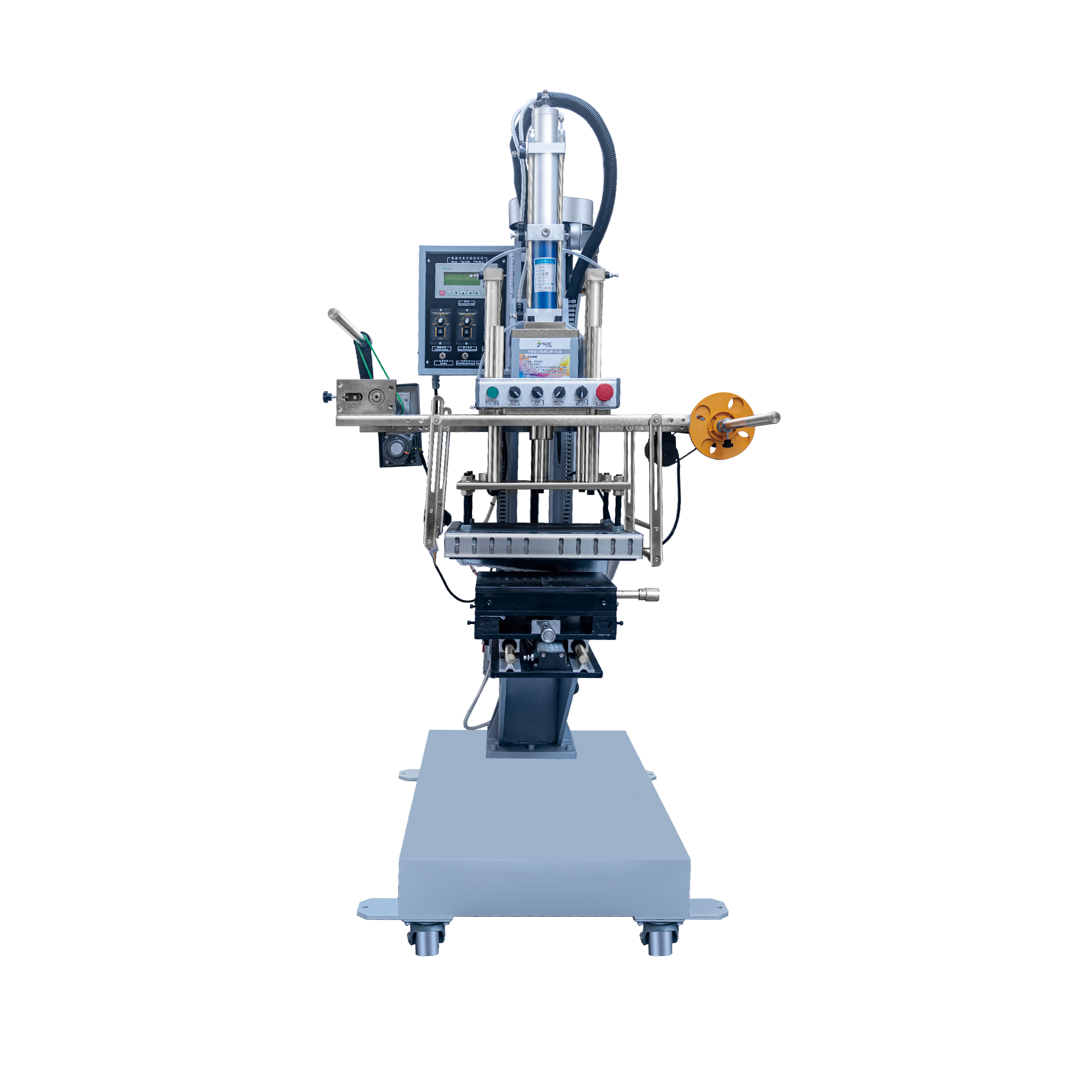
Heat transfer film has revolutionized the way manufacturers apply intricate designs to products, especially when complex multi-color patterns and gradient effects are required. This decorative solution enables brands to achieve visually stunning surfaces on plastic, metal, and composite materials without the limitations of traditional printing methods. Understanding how heat transfer film accomplishes these sophisticated visual effects requires examining the technology's layered structure, precise manufacturing processes, and the controlled application techniques that transform simple substrates into branded masterpieces. The capability to produce seamless gradients and sharp multi-color transitions has made heat transfer film indispensable across industries ranging from consumer electronics to automotive interiors and household storage solutions.
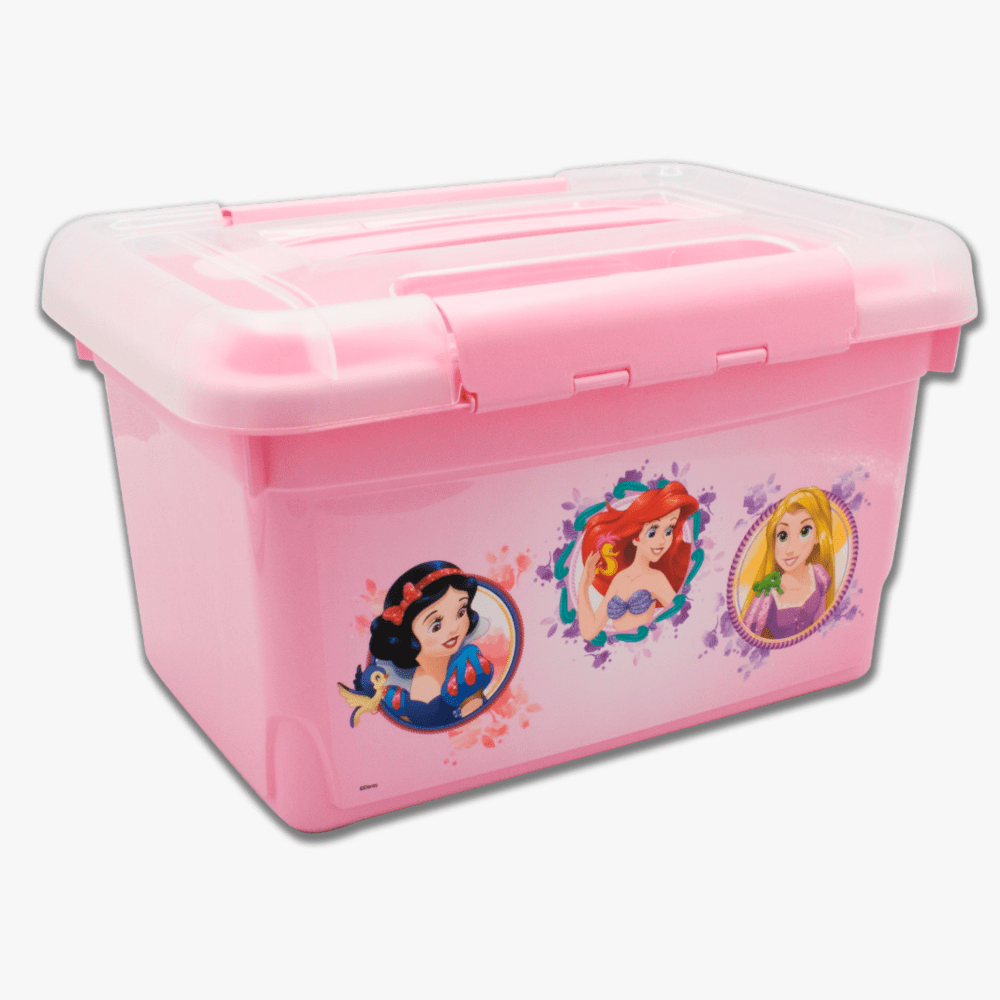
The mechanism behind achieving complex visual effects with heat transfer film lies in its sophisticated multilayer construction and the precision control during both film production and thermal application. Unlike single-layer printing that deposits ink directly onto substrates, heat transfer film carries pre-printed designs on a carrier film, which are then transferred through controlled heat and pressure. This process allows for the integration of multiple ink layers, special effect pigments, and protective coatings that work together to create depth, color accuracy, and visual complexity that would be difficult or impossible to achieve through direct printing methods. The ability to reproduce photographic gradients, metallic finishes, and intricate color transitions makes heat transfer film particularly valuable for products requiring premium aesthetic appeal.
The Multilayer Architecture Enabling Complex Visual Effects
Foundation Layers and Carrier Film Technology
The carrier film serves as the temporary substrate during the manufacturing and storage phases of heat transfer film production. Typically composed of polyethylene terephthalate or similar polymers, the carrier film provides dimensional stability and protects the decorative layers until thermal application. The choice of carrier film thickness and surface treatment directly influences the sharpness and registration accuracy of multi-color patterns. Premium heat transfer film manufacturers select carrier films with precise thickness tolerances and controlled surface energy properties to ensure that subsequent ink layers adhere properly during printing while releasing cleanly during the heat transfer process. This foundation layer must withstand the printing process temperatures without distortion while maintaining optical clarity for registration alignment during multi-color printing sequences.
Between the carrier film and the decorative ink layers, a release coating is applied to facilitate clean separation during thermal transfer. This release layer is engineered with specific thermal activation properties that allow it to soften at predetermined temperatures, enabling the decorative layers to detach from the carrier and bond with the substrate. The formulation of this release coating is critical for achieving consistent transfer quality across production runs, especially when dealing with complex patterns where incomplete transfer would be immediately visible. Advanced heat transfer film systems may incorporate gradient-release technologies where different zones have slightly varying release characteristics to accommodate complex three-dimensional substrates or to compensate for uneven pressure distribution during application.
Decorative Ink Layer Construction and Color Management
The decorative ink layers represent the visible design elements that ultimately transfer to the product surface. To achieve complex multi-color patterns, heat transfer film employs sequential printing processes where each color is applied as a separate layer with precise registration. Modern gravure printing or digital inkjet technologies enable the deposition of multiple ink layers with registration accuracy measured in micrometers, ensuring that color boundaries remain sharp and that overlapping colors produce intended secondary hues. The ink formulations used in heat transfer film differ significantly from standard printing inks, incorporating thermoplastic resins that soften during the transfer process and create strong molecular bonds with the substrate material. These specialized inks maintain color stability under thermal stress while providing the flexibility needed to conform to curved or textured surfaces without cracking or delaminating.
Gradient effects are achieved through sophisticated halftone screening techniques or variable dot density patterns that create smooth transitions between colors or from opacity to transparency. When creating gradients with heat transfer film, the ink layer thickness varies gradually across the transition zone, requiring precise control of ink viscosity, printing pressure, and drying conditions. Advanced printing technologies can produce gradients with hundreds of intermediate tones, creating photographic quality transitions that appear continuous to the human eye. The ability to overlay multiple gradient layers enables the creation of complex color-shift effects and three-dimensional visual depth that distinguish premium products from competitors using simpler decoration methods. Each ink layer must be partially transparent to allow underlying colors to influence the final appearance, requiring careful formulation of pigment concentration and resin binder ratios.
Protective and Functional Top Coats
Above the decorative ink layers, heat transfer film incorporates protective topcoat layers that provide mechanical durability, chemical resistance, and optical properties to the finished surface. These topcoats serve multiple functions beyond simple protection, often incorporating matting agents for specific gloss levels, UV absorbers for outdoor durability, or anti-fingerprint additives for consumer electronics applications. The topcoat must bond securely with both the underlying ink layers and the final substrate while maintaining optical clarity that preserves the sharpness and color saturation of the decorative pattern beneath. For applications requiring scratch resistance, such as plastic storage boxes or automotive trim components, the topcoat formulation may include hard ceramic particles or cross-linking polymers that cure during or after the transfer process to create exceptionally durable surfaces.
The thickness and composition of the protective topcoat directly influence how light interacts with the decorative layers below, affecting the perceived depth and vibrancy of multi-color patterns. Thicker topcoats can create a lens effect that enhances visual depth, while precisely controlled surface texture can scatter light to create matte finishes or concentrate it for high-gloss appearances. When gradient effects extend through both the ink and topcoat layers, manufacturers can achieve sophisticated visual transitions that change appearance with viewing angle, creating premium aesthetic effects impossible with surface-only decoration methods. The topcoat layer also serves as the primary bonding interface with the substrate during thermal transfer, requiring adhesion promoters specifically formulated for compatibility with the target material, whether polypropylene, ABS, polycarbonate, or other thermoplastics.
Precision Printing Technologies for Multi-Color Registration
Gravure Printing Process Control
Gravure printing remains the dominant technology for producing heat transfer film with complex multi-color patterns due to its exceptional consistency and ability to deposit precise ink layer thicknesses across large production runs. The gravure process uses engraved cylinders where microscopic cells hold ink in patterns corresponding to the design elements. As the cylinder rotates through an ink fountain and contacts the carrier film, these cells transfer their ink content with remarkable uniformity. For multi-color heat transfer film production, separate gravure cylinders are used for each color component, requiring precise mechanical registration to ensure that subsequent colors align perfectly with previously printed layers. Modern gravure presses incorporate computerized registration control systems that monitor print position continuously and make micro-adjustments to maintain alignment accuracy within ten micrometers throughout production runs spanning thousands of meters.
The cell geometry engraved into gravure cylinders determines both the color density and the potential for creating gradient effects in heat transfer film. Cells can vary in depth, width, and wall angle to control the volume of ink transferred to specific design areas. Creating smooth gradients requires careful design of cell patterns that transition gradually in size or density, producing imperceptible steps in color intensity. Advanced gravure cylinder engraving technologies use laser or electron beam systems to create cell patterns with continuously variable dimensions, enabling the production of photographic-quality gradients in heat transfer film. The ink chemistry must be formulated to flow properly from the gravure cells while maintaining sufficient viscosity to prevent uncontrolled spreading on the carrier film, a balance that requires extensive testing and adjustment for each color and pattern combination.
Digital Printing Integration for Design Flexibility
Digital inkjet printing technologies have expanded the design possibilities for heat transfer film, particularly for applications requiring variable designs, short production runs, or exceptionally complex color patterns. Unlike gravure printing which requires dedicated cylinders for each design, digital printing deposits ink droplets directly onto the carrier film based on electronic design files, enabling rapid design changes without tooling costs. High-resolution industrial inkjet systems can produce heat transfer film with color gradients containing thousands of distinct tones and multi-color patterns with intricate details measured in fractions of a millimeter. The droplet size control and multi-pass printing capabilities of advanced inkjet systems allow for precise color mixing and density control that rivals or exceeds traditional gravure quality for complex designs.
The integration of digital printing with heat transfer film production does present technical challenges, particularly regarding ink adhesion to carrier films and achieving the thermal transfer properties required for consistent application. Digital inks for heat transfer film must be formulated with thermoplastic components that soften appropriately during the heat transfer process while maintaining color stability under thermal stress. Variable droplet printing technologies enable the creation of sophisticated gradient effects by adjusting ink density continuously across transition zones, producing smooth color shifts without visible banding. For products requiring personalization or regional design variations, digital printing of heat transfer film offers economic advantages despite typically slower production speeds compared to gravure processes. The combination of gravure-printed base layers with digitally printed detail layers represents an emerging hybrid approach that balances production efficiency with design flexibility.
Registration and Quality Control Systems
Maintaining precise registration across multiple color layers is fundamental to achieving sharp, complex patterns in heat transfer film. Modern printing systems incorporate optical sensors that continuously monitor registration marks printed alongside the decorative design, detecting any deviation from proper alignment. When misregistration is detected, computerized control systems make immediate adjustments to printing cylinder rotation or web tension to restore proper alignment before significant waste is produced. The tolerances required for premium heat transfer film are exceptionally tight, with visible registration errors occurring when color layers misalign by as little as 50 micrometers in fine pattern areas. Environmental controls within the printing facility, including temperature and humidity regulation, help maintain consistent material dimensions throughout the printing process to minimize registration drift.
Quality control for multi-color heat transfer film extends beyond registration accuracy to include color consistency, ink layer thickness uniformity, and defect detection. Automated vision systems scan the printed film continuously, comparing the output against reference standards and flagging areas where color values fall outside acceptable tolerances. For gradient effects, specialized measurement systems evaluate the smoothness of color transitions and detect banding artifacts that might result from improper halftone screening or inconsistent ink deposition. The complexity of modern heat transfer film patterns necessitates statistical process control methodologies where multiple quality parameters are monitored simultaneously, with production adjustments made proactively based on trend analysis rather than reactive responses to out-of-specification product. This systematic approach to quality management ensures that complex multi-color patterns maintain visual consistency across production batches and over time.
Thermal Transfer Process Optimization for Pattern Fidelity
Temperature and Pressure Profile Management
The thermal transfer process that applies heat transfer film to substrates requires precisely controlled temperature and pressure conditions to achieve complete pattern transfer without distortion or incomplete release from the carrier film. Transfer temperature must be sufficient to soften both the adhesive layer of the heat transfer film and the surface of the substrate material, creating molecular interdiffusion that produces strong bonding. However, excessive temperature can cause color shifting, degradation of gradient effects, or distortion of fine pattern details. Optimal transfer temperatures typically range from 150 to 220 degrees Celsius depending on the substrate material and heat transfer film formulation, with control tolerances of plus or minus three degrees necessary to maintain consistent results. Temperature profiling across the heating element surface ensures uniform energy delivery across the entire decorated area, preventing partial transfer or bond strength variations that would compromise the appearance of complex patterns.
Pressure application during the transfer process serves multiple critical functions beyond simply holding the heat transfer film against the substrate. Controlled pressure eliminates air gaps that would prevent heat transmission and molecular bonding, ensuring complete contact across textured or slightly irregular substrate surfaces. For complex multi-color patterns, uniform pressure distribution is essential to prevent differential transfer rates across the design area that could create color intensity variations or incomplete gradient transitions. Modern transfer equipment employs hydraulic or pneumatic pressure systems with closed-loop feedback control, maintaining consistent force throughout the dwell time regardless of substrate thickness variations. The pressure profile may include an initial contact phase at lower force to prevent air entrapment, followed by higher pressure during the thermal bonding phase, and finally a controlled release sequence that prevents pattern distortion as the carrier film is removed. These sophisticated pressure management strategies become increasingly important as pattern complexity increases and visual quality expectations rise.
Dwell Time and Cooling Cycle Optimization
The duration that heat transfer film remains in contact with the heated substrate under pressure, known as dwell time, significantly impacts the completeness of pattern transfer and the quality of complex visual effects. Insufficient dwell time results in incomplete softening of the film layers and inadequate molecular bonding with the substrate, leading to partial transfer failures that are particularly visible in gradient areas where incomplete ink release creates splotchy appearances. Conversely, excessive dwell time can cause thermal degradation of pigments, distortion of fine pattern details through excessive material flow, or difficulty removing the carrier film due to over-softening of the release layer. Optimal dwell times for heat transfer film applications typically range from two to fifteen seconds, with complex multi-color patterns often requiring longer times to ensure complete transfer of all ink layers while maintaining pattern fidelity.
Following the thermal transfer phase, controlled cooling is essential to stabilize the transferred pattern and develop final adhesion strength between the heat transfer film layers and the substrate. Rapid cooling can induce thermal stress that causes pattern cracking or delamination, particularly in gradient areas where ink layer thickness varies. Gradual cooling allows the transferred materials to solidify in a stress-free state while the adhesive layer completes its bonding process with the substrate. Some heat transfer film systems incorporate post-transfer curing processes where chemical cross-linking occurs at elevated but sub-transfer temperatures, further enhancing the durability and chemical resistance of the decorative layer. The cooling profile must be optimized based on the specific substrate material properties, with rigid substrates like engineering plastics tolerating faster cooling than flexible materials that might distort under thermal stress. Proper cooling control is particularly critical when decorating three-dimensional parts where differential cooling rates across complex geometries could induce pattern distortion or adhesion failures in high-stress areas.
Substrate Surface Preparation and Compatibility
The surface condition of the substrate material profoundly influences the quality of heat transfer film application, particularly when complex multi-color patterns must transfer completely and adhere permanently. Surface contamination from mold release agents, oils, or dust particles prevents intimate contact between the heat transfer film adhesive layer and the substrate, creating localized transfer failures that appear as voids or low-adhesion areas within the decorative pattern. Pre-treatment processes such as flame treatment, corona discharge, or plasma activation increase the surface energy of plastic substrates, promoting better wetting by the heat transfer film adhesive and stronger molecular bonding. These surface treatments work by breaking chemical bonds on the substrate surface and creating polar functional groups that interact strongly with the adhesive components in the heat transfer film system.
Different substrate materials exhibit varying compatibility with heat transfer film systems, requiring formulation adjustments to achieve optimal results. Polyolefin materials like polypropylene present particular challenges due to their inherently low surface energy and non-polar chemistry, often requiring both surface treatment and specially formulated heat transfer film with aggressive adhesion promoters. Engineering plastics such as ABS, polycarbonate, and polyamide generally offer better compatibility with standard heat transfer film formulations due to their higher surface energies and chemical functionality. However, these materials may have lower thermal stability, requiring careful temperature control during transfer to prevent substrate distortion that would compromise pattern appearance. When decorating products like plastic storage boxes where both aesthetic quality and functional durability are critical, manufacturers must match the heat transfer film formulation precisely to the substrate material composition and processing conditions to ensure that complex patterns transfer completely and maintain adhesion throughout the product lifecycle.
Design Strategies for Complex Pattern Development
Color Separation and Layer Planning
Creating complex multi-color patterns in heat transfer film begins with strategic color separation during the design phase, where the complete visual composition is decomposed into individual color layers that will be printed sequentially. Each separation layer must account for ink opacity, color mixing interactions between overlapping layers, and the optical effects of the protective topcoat. Designers working with heat transfer film must understand that colors rarely print exactly as they appear on digital displays, requiring the use of color management systems calibrated to the specific ink formulations and substrate materials used in production. For gradient effects, color separations must include carefully designed transition zones where halftone patterns or variable ink densities create smooth visual progressions without visible banding artifacts. The number of color separations impacts both production cost and achievable visual complexity, with premium heat transfer film designs sometimes incorporating six or more distinct ink layers to achieve photographic quality or special metallic effects.
Layer sequencing in heat transfer film production follows strategic principles that optimize color saturation and pattern sharpness. Opaque base colors are typically printed first to establish solid foundation layers, followed by translucent colors that create secondary hues through subtractive color mixing. Detail layers with fine patterns or text elements are often printed last to ensure maximum sharpness and prevent obscuring by subsequent layers. When designing gradient effects, the gradient layer positioning within the printing sequence affects the final appearance significantly, with gradients printed over solid colors producing different visual results than gradients underneath solid elements. Advanced heat transfer film designs may incorporate registration layers invisible in the final product but critical for aligning subsequent print stations, ensuring that complex multi-color patterns maintain perfect registration throughout production. The strategic planning of color separations and layer sequences represents a specialized expertise that distinguishes premium heat transfer film suppliers from commodity producers.
Gradient Design and Transition Zone Engineering
Engineering smooth gradient effects in heat transfer film requires sophisticated understanding of halftone screening technologies and human visual perception limitations. Gradients that appear continuous to the eye actually consist of thousands of microscopic dots or lines that vary in size, spacing, or density to create the illusion of smooth color transitions. The screen ruling, measured in lines per inch, determines the fineness of the halftone pattern, with higher rulings producing smoother gradients but requiring more precise printing control. For heat transfer film applications, screen rulings typically range from 150 to 300 lines per inch depending on viewing distance and pattern complexity requirements. The gradient curve, which defines how ink density changes across the transition zone, must be carefully shaped to prevent visible banding artifacts that occur when the rate of density change varies abruptly. Non-linear gradient curves often produce more visually pleasing results than simple linear transitions, requiring iterative testing and refinement during design development.
Multi-color gradient effects, where transitions occur between different hues rather than simply light to dark variations of a single color, present additional complexity in heat transfer film design. These effects require coordinated density changes across multiple color separation layers, with each layer's contribution calculated to produce the intended intermediate hues throughout the transition zone. Color management becomes critical in multi-color gradients to ensure that mixed colors remain vibrant and do not shift toward muddy or unexpected hues. Advanced design software incorporates color mixing models that predict the appearance of overlapping translucent ink layers, allowing designers to preview multi-color gradient effects before committing to production. The thermal transfer process itself can subtly affect gradient appearance through differential ink flow or thickness variations during softening and bonding, requiring experienced heat transfer film manufacturers to compensate for these process effects during the design phase. Sophisticated gradient effects distinguish premium products decorated with heat transfer film from those using simpler solid-color patterns, justifying higher production costs through enhanced visual appeal and brand differentiation.
Three-Dimensional Design Adaptation
When heat transfer film is applied to three-dimensional substrates with compound curves or complex geometries, pattern designs must account for material stretching and compression that occurs during the forming process. Flat artwork transferred to curved surfaces undergoes geometric distortion, with areas wrapping around tight radii experiencing significant elongation while recessed areas may compress. Designers create pre-distorted artwork that compensates for these geometric transformations, ensuring that patterns appear correct on the final formed part. The degree of pre-distortion required depends on the substrate geometry, material elasticity, and transfer process parameters, often requiring physical prototyping and iterative refinement to achieve satisfactory results. Heat transfer film designed for complex three-dimensional applications may incorporate alignment marks or registration features that guide proper positioning during application, preventing pattern placement errors that would compromise appearance.
Gradient effects present particular challenges when applied to three-dimensional substrates because material stretching affects the gradient transition rate. Areas experiencing significant elongation will show stretched gradients with more gradual color transitions, while compressed areas exhibit steeper gradients. Sophisticated design strategies intentionally vary gradient rates across the flat pattern to compensate for predictable stretching patterns, maintaining visually consistent gradient appearance on the formed part. Some heat transfer film applications for highly complex geometries employ finite element analysis to predict material deformation patterns during forming, using these predictions to optimize artwork distortion compensation. The complexity of designing patterns for three-dimensional heat transfer film applications represents a significant value-added service offered by premium suppliers, requiring specialized expertise that combines graphic design skills with materials science understanding and manufacturing process knowledge.
Quality Factors Influencing Complex Pattern Reproduction
Material Selection and Formulation Chemistry
The selection of raw materials used in heat transfer film production fundamentally determines the achievable quality of complex multi-color patterns and gradient effects. Carrier film optical properties influence registration accuracy during printing, with dimensional stability under temperature and humidity variations being critical for maintaining alignment across multiple print stations. Premium carrier films incorporate additives that control thermal expansion coefficients, ensuring consistent dimensions throughout the printing process despite temperature variations in the production environment. The release coating formulation affects how cleanly decorative layers separate from the carrier during thermal transfer, with poorly formulated release layers causing incomplete transfer or adhesive residue that compromises pattern appearance. Advanced release coatings incorporate silicone or fluoropolymer chemistries that provide reliable release characteristics across wide temperature ranges while maintaining compatibility with subsequent ink layers.
Ink formulation represents perhaps the most critical material selection decision affecting heat transfer film pattern quality. Pigment selection determines color saturation, lightfastness, and heat stability, with organic pigments generally offering brighter colors but potentially lower thermal stability compared to inorganic alternatives. The resin binder system must provide appropriate viscosity for the chosen printing technology while incorporating thermoplastic components that soften appropriately during transfer and create strong substrate bonds. For gradient effects, ink transparency must be carefully controlled to allow underlying colors to influence the final appearance without causing unintended color shifting. Special effect pigments including metallics, pearls, and interference colors expand design possibilities but require careful formulation to maintain stability during the thermal transfer process. Premium heat transfer film manufacturers invest extensively in ink formulation development, creating proprietary systems optimized for specific substrate materials and application conditions that cannot be easily replicated by competitors.
Process Control and Manufacturing Consistency
Maintaining consistent quality in heat transfer film production requires rigorous process control across all manufacturing stages from printing through thermal transfer application. Statistical process control methodologies monitor critical parameters continuously, detecting trends that might indicate developing problems before out-of-specification product is produced. Key control points include ink viscosity and pH, printing speed and tension, drying temperature profiles, and coating thickness uniformity. For complex multi-color patterns, registration accuracy monitoring at each print station ensures that color layers align properly, with automated adjustments maintaining alignment within specified tolerances. Environmental controls within manufacturing facilities regulate temperature and humidity to minimize material dimensional changes that could affect registration or coating uniformity, with climate control systems maintaining conditions within plus or minus two degrees Celsius and five percent relative humidity.
Batch-to-batch consistency becomes particularly challenging when producing heat transfer film with complex patterns and gradient effects, as subtle variations in raw materials or process conditions can produce visible appearance changes. Color matching protocols ensure that ink batches meet established color standards, with spectrophotometric measurement verifying that color values fall within acceptable tolerances. For gradient effects, standardized test patterns are printed and measured regularly to verify that transition smoothness and rate remain consistent across production runs. Transfer process validation confirms that the heat transfer film performs consistently under standard application conditions, with adhesion testing, color measurement, and durability evaluation ensuring that transferred patterns meet specifications. The investment in process control systems and quality assurance protocols represents a significant differentiator between premium heat transfer film suppliers and lower-cost alternatives, directly impacting the reliability and appearance consistency of decorated products.
Durability and Longevity Considerations
The durability of complex patterns applied via heat transfer film depends on protective topcoat formulations, substrate adhesion strength, and resistance to environmental stresses including UV exposure, chemical contact, and mechanical abrasion. Topcoat chemistry must balance hardness for scratch resistance with flexibility to prevent cracking under substrate deformation, a particularly important consideration for products experiencing thermal cycling or mechanical stress during use. UV stabilizers incorporated into topcoat formulations protect underlying ink layers from photodegradation that would cause color fading or pattern degradation during outdoor exposure or near windows. For applications requiring chemical resistance such as storage containers exposed to cleaning products, topcoat formulations incorporate resistant polymer systems that maintain integrity when exposed to solvents, acids, or alkaline solutions.
Adhesion durability between the transferred heat transfer film layers and the substrate material determines long-term pattern retention and resistance to delamination under stress. Initial adhesion strength develops during the thermal transfer process through molecular bonding between the adhesive layer and substrate surface, but full adhesion strength may require hours or days of curing time as chemical bonds continue forming. Accelerated aging tests expose decorated substrates to elevated temperature and humidity conditions that simulate months or years of normal use, revealing potential adhesion failures or appearance changes that might occur over product lifetimes. For premium applications, heat transfer film systems are designed to maintain pattern integrity throughout defined product lifecycles, with manufacturers providing performance guarantees based on extensive testing. The combination of durable materials, protective coatings, and robust adhesion ensures that complex multi-color patterns and gradient effects retain their visual appeal throughout years of product use, justifying the investment in heat transfer film decoration technology.
FAQ
What determines the maximum number of colors that can be incorporated into heat transfer film patterns?
The maximum number of colors in heat transfer film is primarily limited by printing equipment capabilities, cost considerations, and practical registration challenges rather than fundamental technical constraints. Standard gravure printing systems typically accommodate four to six color stations, though specialized equipment can handle eight or more distinct colors. Each additional color increases production complexity, requires precise registration control, and adds cost through additional printing cylinders and setup time. Digital printing technologies can theoretically produce unlimited color variations through mixing of base ink colors, though practical limitations relate to ink layer buildup and drying times. Most commercial heat transfer film applications use four to six colors, which proves sufficient for creating complex patterns and gradients when combined with halftone screening techniques that produce secondary colors through optical mixing.
Can heat transfer film reproduce photographic images with continuous tone quality?
Heat transfer film can successfully reproduce photographic images, though the process converts continuous tone photographs into halftone patterns consisting of microscopic dots that create the illusion of continuous tones when viewed at normal distances. High-resolution printing technologies with fine screen rulings produce halftone patterns where individual dots are imperceptible to the unaided eye, resulting in what appears as photographic quality. The achievable image quality depends on printing resolution, color gamut limitations of available inks, and substrate surface characteristics that affect transferred pattern sharpness. Premium heat transfer film systems using six-color process printing or digital inkjet technologies can reproduce photographic images with quality approaching traditional photographic prints, making them suitable for applications requiring detailed portraits, product imagery, or artistic content on decorated products.
How does substrate texture affect the appearance of transferred gradient patterns?
Substrate surface texture significantly influences the appearance of gradient effects transferred via heat transfer film by affecting how light reflects from and transmits through the decorative layers. Smooth substrates produce sharp, well-defined gradients with consistent color transitions, while textured surfaces scatter light and can reduce apparent gradient smoothness. Heavy textures like deep grain patterns may cause gradient banding to become more visible by creating localized variations in film conformance and optical path length. However, subtle textures can actually enhance gradient appearance by adding visual interest and reducing the visibility of minor printing artifacts. The protective topcoat layer partially fills substrate texture, with thicker topcoats producing smoother final surfaces that better preserve gradient quality. For applications requiring optimal gradient reproduction, manufacturers typically specify maximum substrate surface roughness values and may recommend substrate preparation treatments that reduce texture while maintaining other desired material properties.
What causes color shifting in heat transfer film gradients during the thermal application process?
Color shifting during thermal transfer can result from several mechanisms including pigment thermal degradation, differential ink layer thickness changes, and optical effects from variations in topcoat reflow. Some organic pigments exhibit color changes when exposed to elevated temperatures, particularly when held at transfer temperatures for extended dwell times. The softening and flow of ink layers during transfer can cause localized thickness variations that affect color saturation and hue, especially in gradient areas where ink thickness already varies intentionally. Metallic and interference pigments are particularly susceptible to orientation changes during transfer that alter their optical properties and perceived color. To minimize color shifting, heat transfer film formulations incorporate thermally stable pigments, carefully controlled rheology modifiers that limit unwanted flow during transfer, and process parameters optimized through extensive testing. Premium manufacturers validate color consistency across the full transfer temperature and pressure range, ensuring that complex patterns maintain appearance fidelity under normal production variations.
Table of Contents
- The Multilayer Architecture Enabling Complex Visual Effects
- Precision Printing Technologies for Multi-Color Registration
- Thermal Transfer Process Optimization for Pattern Fidelity
- Design Strategies for Complex Pattern Development
- Quality Factors Influencing Complex Pattern Reproduction
-
FAQ
- What determines the maximum number of colors that can be incorporated into heat transfer film patterns?
- Can heat transfer film reproduce photographic images with continuous tone quality?
- How does substrate texture affect the appearance of transferred gradient patterns?
- What causes color shifting in heat transfer film gradients during the thermal application process?