 EN
EN



Heat transfer machines are critical tools in industrial printing, garment decoration, and product branding operations. When these machines malfunction, production halts, quality suffers, and costly downtime accumulates. Understanding how to identify and resolve common heat transfer machine faults—such as uneven heating, insufficient pressure, temperature inconsistencies, and alignment issues—is essential for maintaining operational efficiency and product quality. This comprehensive troubleshooting guide addresses the most frequent problems encountered by operators and maintenance teams, providing practical diagnostic techniques and effective solutions to keep your equipment running smoothly.
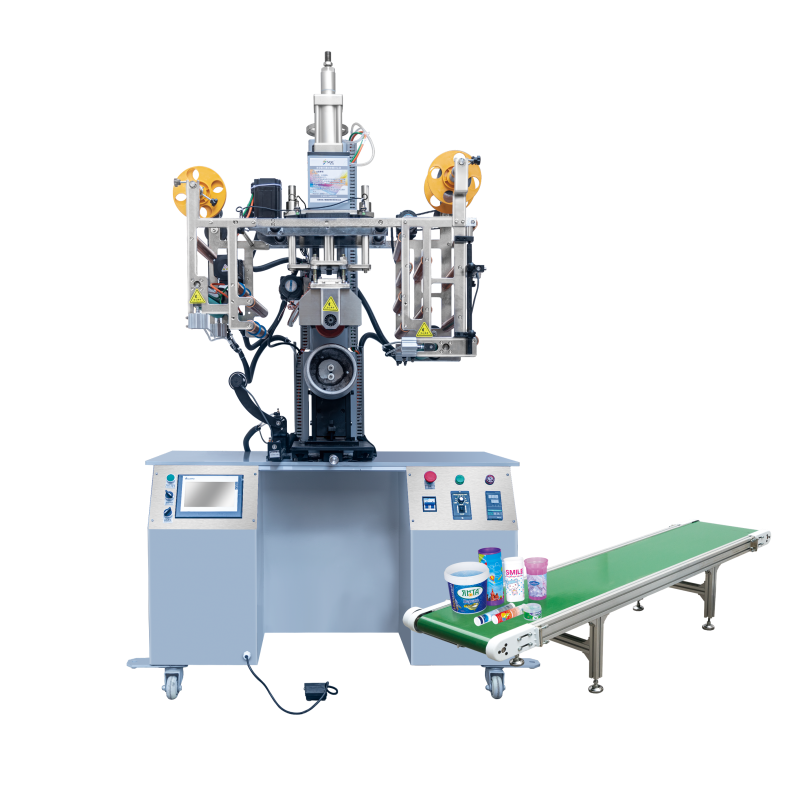
Diagnosing heat transfer machine faults requires systematic observation, methodical testing, and knowledge of how thermal transfer systems operate. Many operators struggle with intermittent problems that seem to appear randomly, but most issues follow patterns that can be traced to specific mechanical, electrical, or operational causes. Whether you operate a manual press, a pneumatic system, or a heat transfer machine faults automated transfer line, the troubleshooting principles remain consistent. Recognizing symptom clusters, understanding root causes, and applying targeted corrective actions will dramatically reduce your machine downtime and improve transfer quality across all production runs.
Understanding Uneven Heating Distribution Problems
Identifying Uneven Heating Patterns on Transfer Surfaces
Uneven heating manifests as inconsistent transfer quality across the working surface, with some areas showing complete adhesion while others exhibit partial or failed transfers. This common heat transfer machine faults symptom typically appears as hot spots, cold zones, or gradient variations that compromise print quality. Operators often notice this problem when inspecting finished products, discovering that design elements transfer fully in the center but fade toward edges, or that specific zones consistently produce inferior results regardless of substrate positioning.
The diagnostic process begins with thermal mapping using infrared thermometers or thermal imaging cameras to measure actual surface temperatures across the platen. Temperature variations exceeding five degrees Celsius typically indicate heating element degradation, uneven power distribution, or physical obstructions affecting heat flow. Document temperature readings at nine or more points across the heating surface in a grid pattern, recording measurements after the machine reaches operating temperature and again after several transfer cycles.
Physical inspection should follow thermal measurement, examining the heating plate for warping, surface damage, contamination buildup, or separation between heating elements and the platen surface. Even microscopic gaps between heating coils and the transfer surface create thermal barriers that produce cold spots. Check mounting hardware for loose fasteners that allow platen movement or separation during operation, and inspect insulation materials beneath the heating assembly for compression damage that redirects heat away from the working surface.
Root Causes of Thermal Distribution Failures
Heat transfer machine faults related to uneven heating typically originate from heating element degradation, where individual resistance wires or coil segments fail partially rather than completely. Unlike total heating failure, partial element damage creates localized cold zones that worsen gradually as the damaged section develops higher resistance. Aging heating elements often develop microscopic cracks in the resistance wire coating, allowing oxidation that increases electrical resistance in specific zones while adjacent areas function normally.
Power supply irregularities also contribute to uneven heating distribution, particularly in machines with zone-controlled heating systems. Solid-state relays, contactors, or power distribution circuits that supply individual heating zones may degrade differently over time, delivering inconsistent voltage to various heating elements. This electrical imbalance creates temperature gradients across the platen even when heating elements themselves remain functional. Testing voltage delivery to each heating zone during operation reveals whether power distribution contributes to the uneven heating problem.
Mechanical factors including platen contamination, surface oxidation, and thermal paste degradation significantly impact heat distribution uniformity. Adhesive residue, sublimation dye buildup, or silicone contamination on the heating surface creates insulating barriers that prevent efficient heat transfer to substrates. Similarly, thermal interface compounds between heating elements and platens degrade over time, developing air gaps that reduce thermal conductivity. Regular cleaning protocols and periodic thermal paste replacement prevent these heat transfer machine faults from developing into chronic quality problems.
Corrective Actions for Heating Uniformity Issues
Resolving uneven heating begins with thorough cleaning of all thermal surfaces using appropriate solvents that remove contamination without damaging protective coatings. For platens with polytetrafluoroethylene coatings, use isopropyl alcohol and non-abrasive cloths to remove residue buildup. More stubborn deposits may require specialized cleaning compounds formulated for heat transfer equipment, applied according to manufacturer specifications. After cleaning, verify surface flatness using precision straightedges and feeler gauges, as even slight warping contributes to contact inconsistency.
When cleaning fails to restore uniform heating, heating element replacement becomes necessary. This repair requires careful selection of replacement components that match original specifications for resistance, wattage, and physical dimensions. Installation demands precise positioning to maintain even spacing across the platen and proper torque on mounting hardware to ensure consistent thermal contact. After installation, perform comprehensive thermal mapping across the entire surface before returning the machine to production service.
For machines with advanced heating systems, recalibrating temperature sensors and controller parameters often resolves apparent heating irregularities caused by sensor drift rather than actual thermal problems. Use certified calibration equipment to verify sensor accuracy at multiple temperature points, replacing sensors that show deviations exceeding manufacturer tolerances. Update controller parameters according to current heating element specifications, as aging elements may require adjusted power delivery profiles to maintain uniform surface temperatures throughout production cycles.
Diagnosing and Resolving Insufficient Pressure Issues
Recognizing Pressure-Related Transfer Defects
Insufficient pressure during heat transfer cycles produces distinctive quality problems including incomplete adhesion, air bubbles trapped beneath transfers, and inconsistent bond strength across the transfer area. These heat transfer machine faults appear as peeling edges, raised areas within designs, or transfers that survive initial inspection but fail during subsequent handling or washing. Pressure inadequacy often affects larger transfer areas more severely than small designs, as force distribution challenges increase proportionally with surface area.
Systematic pressure testing requires proper instrumentation including calibrated pressure-sensitive films, force gauges, or pressure mapping systems that document actual contact force distribution. Position pressure-indicating film between the heating platen and base plate, execute a standard transfer cycle, then examine the color changes that reveal pressure distribution patterns. Significant color variations indicate uneven pressure application, while overall light coloration suggests systemwide pressure insufficiency requiring mechanical adjustment or component replacement.
Operational symptoms accompanying pressure problems include longer transfer times needed to achieve acceptable adhesion, increased rejection rates for quality defects, and operator compensation behaviors such as running multiple press cycles on single items. When operators routinely exceed recommended transfer durations or apply supplementary pressing to achieve results, the underlying cause almost always traces to inadequate system pressure rather than operator technique or material incompatibility.
Mechanical Causes of Pressure Degradation
Pneumatic system deterioration ranks among the most common causes of pressure-related heat transfer machine faults in automated equipment. Air cylinders develop internal seal wear that allows pressure leakage, reducing available force at the heating platen despite normal gauge readings at the compressor. Contamination in pneumatic circuits including moisture, oil carryover, and particulate matter accelerates seal degradation while restricting flow through valves and regulators. Annual pneumatic system maintenance including cylinder rebuilding, seal replacement, and air line purging prevents progressive pressure loss.
Hydraulic systems experience similar degradation patterns, with seal wear, fluid contamination, and pump efficiency loss combining to reduce available pressure over time. Hydraulic pressure losses often occur gradually, making them difficult to detect until transfer quality problems become severe. Regular hydraulic fluid analysis reveals contamination levels, viscosity changes, and additive depletion that indicate maintenance requirements before pressure output declines noticeably. Maintain hydraulic systems according to manufacturer specifications, including scheduled fluid changes, filter replacements, and seal inspections.
Mechanical linkage problems including worn pivot points, stretched drive chains, and damaged leverage mechanisms reduce force transmission efficiency from power sources to heating platens. These wear patterns develop slowly through normal operation, with cumulative clearance increases eventually causing noticeable pressure reduction. Inspection of all mechanical connections, pivot points, and force transmission components should occur during scheduled maintenance intervals, replacing worn elements before they compromise pressure delivery capabilities.
Pressure System Restoration Procedures
Restoring proper pressure begins with accurate baseline measurement using calibrated instruments to document current system performance against manufacturer specifications. Record pressure readings at multiple points in the delivery system including source pressure, regulated working pressure, and actual force at the platen. This data establishes whether problems originate in pressure generation, regulation, or mechanical transmission components, focusing troubleshooting efforts on the affected subsystems.
For pneumatic systems, start corrections by verifying adequate air supply pressure and volume at the machine connection point, as shared compressor systems sometimes cannot maintain required pressure during peak demand periods. Inspect and clean or replace air preparation components including filters, regulators, and lubricators that affect delivered air quality and pressure stability. Rebuild or replace cylinders showing external leakage, excessive rod play, or reduced stroke force, ensuring replacement seals match original specifications for material composition and dimensional tolerances.
Manual and mechanical press adjustments require careful attention to preserve proper alignment while increasing applied force. Adjust pressure springs, tighten mechanical linkages, and calibrate force delivery mechanisms according to manufacturer procedures, verifying that increased pressure settings maintain uniform distribution across the entire platen surface. After adjustments, conduct comprehensive testing using pressure-indicating films at various locations across the working area, confirming that pressure increases achieved desired uniformity without creating new hot spots or overloading mechanical components.
Addressing Temperature Control and Consistency Problems
Temperature Fluctuation Patterns and Detection
Temperature inconsistency represents one of the most challenging heat transfer machine faults because symptoms often appear intermittently rather than consistently. Fluctuating temperatures manifest as batch-to-batch quality variations, with acceptable transfers followed by defective runs despite unchanged operational parameters. These problems frustrate operators who follow standard procedures yet experience unpredictable results that complicate quality control and increase waste rates.
Advanced temperature monitoring using data logging equipment reveals fluctuation patterns invisible during casual observation. Connect recording thermometers to multiple sensor points, capturing temperature data throughout extended production runs that span various thermal and electrical load conditions. Analysis of logged data often uncovers periodic temperature drops correlating with power demand peaks in shared electrical circuits, revealing infrastructure limitations rather than machine defects as the root cause.
Controller malfunction produces temperature instability through sensor reading errors, control algorithm failures, or output device problems that prevent accurate temperature regulation. Modern digital controllers store diagnostic data including sensor readings, output commands, and error conditions that facilitate troubleshooting when properly accessed. Learn to navigate controller diagnostic menus, extracting historical data that reveals temperature control patterns and identifies whether problems originate in sensing, processing, or output stages of the control system.
Electrical and Control System Factors
Electrical supply problems including voltage sags, phase imbalances, and harmonic distortion create temperature control challenges that appear as machine faults but actually originate in facility power quality. Single-phase voltage drops of just five percent reduce available heating power by approximately ten percent, causing slower heating and reduced maximum temperatures. Three-phase equipment experiencing phase imbalances operates inefficiently with uneven heating element loading that shortens component life while compromising temperature stability.
Temperature sensor degradation occurs through various mechanisms including mechanical damage, contamination, calibration drift, and connection problems that produce inaccurate readings. Thermocouples develop junction degradation that causes reading errors typically biased toward lower temperatures, prompting controllers to overheat while displaying acceptable values. Resistance temperature detectors suffer lead resistance changes and element drift that similarly compromise accuracy. Annual sensor calibration verification using certified reference instruments identifies sensors requiring replacement before reading errors cause quality problems or safety hazards.
Control relay and contactor wear affects temperature stability through contact resistance increases, coil degradation, and mechanical timing problems. Solid-state relays commonly used in modern heat transfer machines develop junction failures that reduce switching reliability or produce partial conduction states. These heat transfer machine faults create temperature undershoot conditions where controllers command heating but degraded relays deliver reduced power. Periodic testing of all power switching devices during maintenance intervals reveals degradation before complete failure occurs.
Implementing Temperature Stability Solutions
Achieving consistent temperature control requires systematic verification and correction of all factors affecting thermal regulation. Begin by establishing accurate temperature reference points using calibrated test instruments independent of machine sensors and controllers. Measure actual platen temperatures at multiple locations using laboratory-grade thermometers or thermal imaging equipment, comparing readings against controller displays to identify sensor or controller errors requiring correction.
Replace temperature sensors showing calibration errors exceeding one percent of reading or two degrees Celsius, whichever proves smaller, as these deviations significantly impact transfer quality and process repeatability. Install new sensors with proper mechanical mounting, thermal coupling, and electrical connections according to manufacturer specifications. Use thermal interface compounds where specified to ensure accurate thermal coupling between sensors and measured surfaces, and protect sensor leads from mechanical damage, electromagnetic interference, and environmental contamination.
Controller reprogramming or replacement becomes necessary when diagnostic testing reveals processing errors, output failures, or obsolete control algorithms that cannot maintain required temperature stability. Modern controllers offer advanced features including adaptive tuning, multiple sensor inputs, and communication capabilities that improve control precision while enabling remote monitoring. When upgrading controllers, ensure new units provide compatible sensor inputs, adequate power switching capacity, and control algorithms appropriate for your specific heating system thermal characteristics.
Resolving Mechanical Alignment and Timing Issues
Alignment Problems Affecting Transfer Quality
Mechanical misalignment produces heat transfer machine faults that compromise both quality and equipment longevity through uneven wear, excessive stress, and inconsistent processing results. Platen parallelism errors cause one edge to contact substrates before opposite edges, creating pressure and thermal gradients that produce defective transfers. Even small angular misalignments measured in fractions of degrees create noticeable quality variations across large transfer areas, while severe misalignment causes premature component failure through accelerated wear.
Detecting alignment problems requires precision measurement tools including dial indicators, digital levels, and laser alignment systems suitable for production equipment. Measure platen parallelism relative to the base surface with the machine in both open and closed positions, as alignment may shift during operation due to mechanical loading, thermal expansion, or worn components. Document measurements at multiple points around the platen perimeter, comparing readings against manufacturer specifications that typically require parallelism within one-tenth millimeter or tighter tolerances.
Substrate positioning inconsistencies often result from registration system problems rather than operator error, particularly in automated or semi-automated equipment. Examine registration pins, clamps, and positioning guides for wear, damage, or contamination that prevents reliable substrate locating. Even slight registration variations combine with printing tolerances to produce finished products with misaligned graphics or text, increasing rejection rates despite otherwise proper machine operation.
Timing and Cycle Coordination Failures
Automated heat transfer machines depend on precise timing coordination between heating, pressure application, and cooling cycles to achieve consistent results. Timing-related heat transfer machine faults appear as incomplete transfers, excessive energy consumption, or substrate damage from prolonged exposure. Control system programming errors, sensor failures, and mechanical timing component wear all disrupt proper cycle sequencing, producing quality problems that operators struggle to correct through process parameter adjustments.
Limit switches, proximity sensors, and position encoders that signal mechanical positions to controllers require periodic inspection and adjustment to maintain accurate timing. Mounting looseness, target misalignment, and sensor contamination cause premature or delayed switching that disrupts coordinated motion sequences. Test each position sensor during maintenance procedures by manually actuating switches while monitoring controller inputs, verifying proper signal generation and appropriate controller response to position feedback.
Pneumatic and hydraulic timing valves control cycle progression in many systems, using flow restrictors, pressure switches, and pilot-operated valves to sequence operations. Contamination, wear, and adjustment drift affect timing accuracy, causing cycles to complete too quickly, too slowly, or with improper sequencing between operations. Document actual cycle timing using stopwatches or data logging equipment, comparing measured intervals against specifications to identify valves requiring cleaning, adjustment, or replacement.
Mechanical Correction and Calibration Methods
Correcting alignment problems demands systematic adjustment following manufacturer procedures that specify measurement points, adjustment mechanisms, and acceptable tolerance ranges. Loosen mounting hardware at adjustment locations, carefully manipulate components to achieve specified alignment, then properly torque fasteners while maintaining alignment under loading. Recheck alignment after tightening all fasteners, as torquing often shifts component positions requiring iterative adjustment to achieve final specifications.
Worn components including bushings, bearings, and guide elements must be replaced rather than adjusted when wear exceeds rebuildable limits. Attempting to compensate for excessive wear through extreme adjustments creates new problems including binding, increased stress, and accelerated failure of adjacent components. Establish wear limits based on manufacturer recommendations and measurement data, replacing components proactively during scheduled maintenance before wear produces quality problems or unexpected failures.
Timing calibration involves both mechanical adjustments and control system parameter modification to achieve specified cycle characteristics. Adjust mechanical timing elements including cams, valves, and actuators according to service documentation, then fine-tune electronic timing parameters in the controller to achieve optimal coordination. Validate timing corrections through comprehensive testing under various loading conditions, ensuring proper operation across the full range of production scenarios including different substrate types, transfer sizes, and cycle variations.
Preventive Maintenance Strategies for Fault Prevention
Developing Systematic Inspection Routines
Preventing heat transfer machine faults requires structured maintenance programs that identify developing problems before they cause quality defects or equipment failures. Establish multi-tiered inspection schedules including daily operator checks, weekly technical inspections, monthly precision measurements, and annual comprehensive overhauls. Document inspection findings in maintenance logs that track component condition trends, revealing degradation patterns that indicate when preventive replacements should occur.
Daily operator inspections focus on immediately observable conditions including unusual noises, vibrations, leakage, and obvious damage that indicate urgent problems requiring attention before continued operation. Operators should verify proper temperature achievement, pressure delivery, and cycle timing during startup procedures, comparing machine performance against established baseline characteristics. Empowering operators to identify and report abnormalities creates an early warning system that prevents minor issues from escalating into major failures.
Technical inspections conducted by maintenance personnel employ precision instruments and diagnostic equipment to measure quantitative performance parameters including temperatures, pressures, electrical values, and mechanical dimensions. These detailed assessments detect gradual degradation invisible during routine operation, such as slowly declining pressure output, progressive temperature instability, or developing mechanical wear. Trending these measurements over time reveals degradation rates that enable predictive maintenance scheduling based on actual component condition rather than arbitrary time intervals.
Critical Component Monitoring and Replacement
Heating elements experience predictable degradation through repeated thermal cycling, electrical loading, and mechanical stress that gradually reduces performance before complete failure. Monitor heating element resistance using precision ohmmeters during scheduled maintenance, comparing measurements against baseline values established when elements were new. Resistance increases exceeding ten percent indicate significant degradation warranting element replacement, as continued operation risks unexpected failure during production.
Pressure system components including seals, valves, and actuators require replacement at intervals determined by cycle counts, operating hours, or condition-based indicators rather than arbitrary time periods. Track machine utilization through production records or hour meters, scheduling pressure system overhauls at manufacturer-recommended intervals. For high-utilization equipment, reduce service intervals proportionally to maintain reliability, as accelerated wear from intensive use causes premature component degradation.
Temperature control components including sensors, controllers, and power switching devices demand particular attention because failures produce heat transfer machine faults that compromise product quality while potentially creating safety hazards. Implement redundant temperature monitoring where practical, using independent over-temperature protection devices that prevent dangerous overheating if primary controls fail. Test safety shutdown systems during maintenance procedures, verifying proper operation before returning equipment to production service.
Documentation and Continuous Improvement
Comprehensive maintenance documentation captures historical performance data that enables sophisticated reliability analysis and continuous improvement initiatives. Record all service activities including inspections, measurements, adjustments, and component replacements in permanent maintenance logs that accompany equipment throughout its service life. Include detailed failure descriptions, root cause determinations, and corrective actions taken, creating a knowledge base that improves troubleshooting efficiency and prevents recurring problems.
Analyze accumulated maintenance data to identify chronic issues, component weak points, and opportunities for design improvements or operational modifications that enhance reliability. Calculate mean time between failures for critical components, comparing actual reliability against manufacturer claims and industry benchmarks. Use this analysis to optimize maintenance schedules, stock appropriate spare parts inventories, and justify equipment upgrades that improve productivity through enhanced reliability.
Implement continuous training programs ensuring maintenance personnel and operators understand heat transfer machine faults, diagnostic techniques, and proper corrective procedures. Provide access to manufacturer technical documentation, training materials, and industry resources that support skill development and knowledge expansion. Encouraging technical expertise development throughout your organization creates a workforce capable of preventing, identifying, and resolving equipment problems with minimal external assistance, reducing downtime and controlling maintenance costs.
FAQ
What causes heat transfer machines to produce transfers with uneven color density?
Uneven color density results from several heat transfer machine faults including inconsistent platen temperature, insufficient or uneven pressure distribution, contaminated heating surfaces, or incorrect transfer timing. Temperature variations across the heating surface prevent uniform dye sublimation or adhesive activation, producing lighter areas in cooler zones. Similarly, pressure irregularities reduce contact quality in low-pressure regions, preventing complete transfer. Systematic temperature mapping and pressure testing identify which factor causes density variations in your specific situation, guiding appropriate corrective actions from heating element service to pressure system adjustment.
How often should heat transfer machine heating elements be replaced?
Heating element replacement intervals depend on utilization intensity, operating temperatures, and element quality rather than fixed time periods. High-production environments may require element replacement every twelve to eighteen months, while occasional-use equipment might operate five years before replacement becomes necessary. Monitor element resistance during maintenance inspections, replacing elements when resistance increases ten percent above baseline values or when thermal mapping reveals developing cold spots. Proactive replacement before complete failure prevents unexpected downtime and maintains consistent transfer quality throughout production runs.
Can software updates resolve temperature control problems in heat transfer machines?
Software updates address heat transfer machine faults only when problems originate from control algorithm deficiencies, sensor interpretation errors, or programming bugs within the temperature controller. Hardware failures including damaged sensors, worn contactors, or degraded heating elements require physical repairs regardless of software version. Modern controllers occasionally receive firmware updates that improve control stability, add features, or correct discovered programming errors. Consult equipment manufacturers regarding available updates for your specific model, understanding that software corrections complement rather than replace proper mechanical and electrical maintenance.
What immediate steps should operators take when noticing pressure loss during operation?
Upon detecting pressure loss, operators should immediately cease production to prevent defective transfer accumulation and potential safety hazards from malfunctioning equipment. Verify that compressed air supply or hydraulic power sources provide adequate pressure and that emergency stops have not partially engaged. Visually inspect for obvious leaks, loose connections, or damaged components requiring immediate attention. Document the pressure loss circumstances including when the problem appeared, any unusual sounds or behaviors, and whether loss occurred gradually or suddenly. Report findings to maintenance personnel who can perform systematic diagnostics to identify root causes and implement proper corrections before resuming production.
Table of Contents
- Understanding Uneven Heating Distribution Problems
- Diagnosing and Resolving Insufficient Pressure Issues
- Addressing Temperature Control and Consistency Problems
- Resolving Mechanical Alignment and Timing Issues
- Preventive Maintenance Strategies for Fault Prevention
-
FAQ
- What causes heat transfer machines to produce transfers with uneven color density?
- How often should heat transfer machine heating elements be replaced?
- Can software updates resolve temperature control problems in heat transfer machines?
- What immediate steps should operators take when noticing pressure loss during operation?