 EN
EN



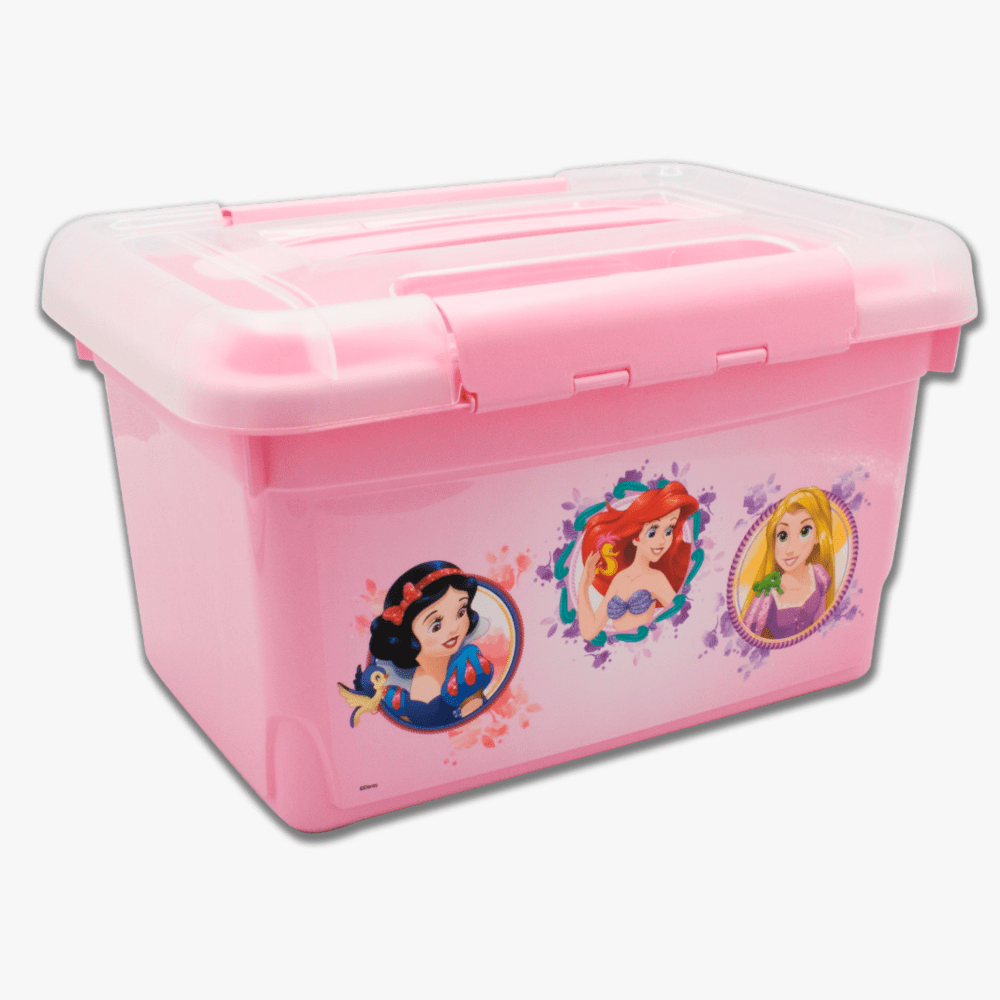
Adding permanent markings to plastic products has become increasingly important in modern manufacturing and branding applications. Heat transfer film offers a reliable solution for creating durable, professional-grade markings that withstand environmental challenges while maintaining visual appeal. This advanced marking technology provides manufacturers with the flexibility to customize plastic components across various industries, from storage containers to automotive parts. Understanding the proper application techniques and material selection ensures optimal results when implementing heat transfer film solutions.
Understanding Heat Transfer Film Technology
Core Components and Material Composition
Heat transfer film consists of multiple layers engineered to bond permanently with plastic substrates through controlled thermal activation. The base carrier film provides dimensional stability during application, while the adhesive layer contains thermally-activated polymers that create molecular bonds with plastic surfaces. Release liners protect the adhesive until activation, and decorative layers deliver the desired visual appearance. Modern heat transfer film formulations incorporate advanced polymer chemistry to ensure compatibility with diverse plastic materials including polyethylene, polypropylene, and ABS plastics.
The molecular structure of heat transfer film adhesives undergoes chemical changes when exposed to specific temperature ranges, typically between 140°C and 180°C. This thermal activation process creates cross-linked polymer networks that penetrate microscopic surface irregularities in plastic substrates. The resulting bond exhibits excellent resistance to moisture, chemicals, and mechanical stress, making it ideal for permanent marking applications in demanding environments.
Activation Mechanisms and Bonding Process
Successful heat transfer film application relies on precise control of temperature, pressure, and dwell time during the bonding process. The thermal activation begins as heated surfaces reach the glass transition temperature of the adhesive polymers, allowing molecular chains to become mobile and establish contact with plastic substrates. Adequate pressure ensures intimate contact between film and substrate surfaces, eliminating air pockets that could compromise bond integrity.
The cooling phase following thermal activation is equally critical, as it allows the newly formed polymer networks to solidify and create permanent adhesion. Rapid cooling can induce internal stresses that weaken the bond, while controlled cooling rates optimize the final adhesive properties. Understanding these activation mechanisms enables manufacturers to develop consistent application protocols that deliver reliable marking performance across production runs.
Preparation Techniques for Plastic Substrates
Surface Cleaning and Contamination Removal
Proper surface preparation is fundamental to achieving strong adhesion between heat transfer film and plastic substrates. Contamination from manufacturing oils, release agents, dust, or fingerprints can create barrier layers that prevent effective bonding. Systematic cleaning protocols using appropriate solvents remove these contaminants while avoiding chemical interactions that could damage plastic surfaces or leave residues.
Isopropyl alcohol provides effective cleaning for most plastic surfaces, as it evaporates completely without leaving residues and dissolves common manufacturing contaminants. For heavily soiled surfaces, alkaline cleaners followed by thorough rinsing may be necessary to remove stubborn contamination. Surface preparation also includes inspection for defects such as scratches, sink marks, or texture variations that could affect heat transfer film appearance or adhesion performance.
Surface Energy Optimization Methods
Many plastic materials exhibit low surface energy characteristics that can limit adhesion performance of heat transfer film applications. Surface treatment techniques such as corona discharge, flame treatment, or plasma activation increase surface energy by introducing polar functional groups that enhance wetting and bonding. These treatments modify only the outermost molecular layers without affecting bulk material properties.
Corona treatment is particularly effective for polyolefin plastics, creating oxidized surface layers that significantly improve adhesion. Treatment parameters including power density, line speed, and electrode gap must be optimized for specific plastic formulations to achieve consistent surface energy levels. Regular monitoring of surface energy using dyne pens or contact angle measurements ensures treatment effectiveness throughout production runs.
Application Equipment and Process Parameters
Heat Press Configuration and Setup
Professional heat transfer film application requires precise control of thermal and mechanical parameters to ensure consistent results. Industrial heat presses feature programmable temperature controllers, pressure regulation systems, and timer functions that enable repeatable processing conditions. Platen temperatures should be monitored using calibrated instruments, as variations of even 10°C can significantly affect adhesion quality and appearance.
Pressure distribution across the bonding area must be uniform to prevent incomplete adhesion or film distortion. Silicone rubber pads or specialized cushioning materials help compensate for substrate irregularities and ensure even pressure distribution. The combination of temperature and pressure creates the thermodynamic conditions necessary for heat transfer film activation while avoiding excessive deformation of plastic substrates.
Process Control and Quality Monitoring
Establishing robust process control protocols ensures consistent heat transfer film application results across production volumes. Critical parameters including temperature profiles, pressure settings, and dwell times should be documented and monitored continuously. Statistical process control techniques help identify parameter drift before it affects product quality, enabling proactive adjustments to maintain specification compliance.
Real-time monitoring systems can track key variables and provide immediate feedback when parameters exceed acceptable ranges. Temperature profiling using thermal imaging cameras reveals heat distribution patterns across bonding areas, helping optimize equipment setup and identify potential issues. Process validation through adhesion testing and accelerated aging protocols confirms that application parameters deliver the required performance characteristics.
Design Considerations and Artwork Preparation
Graphic Design Requirements
Effective heat transfer film applications begin with properly designed artwork that accounts for material characteristics and application constraints. Vector-based graphics provide the resolution and scalability necessary for high-quality reproduction, while raster images may exhibit pixelation or quality degradation during production. Color selection must consider the optical properties of heat transfer film materials and their interaction with substrate colors.
Fine details and small text elements require careful evaluation to ensure they transfer cleanly without distortion or incomplete adhesion. Minimum line weights, text sizes, and spacing between elements should comply with heat transfer film manufacturer specifications to avoid processing difficulties. Complex multi-color designs may require precise registration techniques to maintain alignment accuracy throughout the application process.
Material Selection and Compatibility
Different plastic substrates may require specific heat transfer film formulations to achieve optimal performance characteristics. Polyethylene and polypropylene surfaces often benefit from films designed for low-energy substrates, while rigid plastics like ABS or polycarbonate may use standard adhesive systems. Chemical compatibility between film materials and plastic substrates prevents degradation or discoloration over time.
Environmental requirements such as UV resistance, chemical exposure, or temperature cycling influence material selection decisions. Outdoor applications demand UV-stabilized heat transfer film formulations that maintain color stability and adhesion performance under prolonged sunlight exposure. Indoor applications may prioritize cost-effectiveness or specific aesthetic properties while maintaining adequate durability for the intended service life.
Troubleshooting Common Application Issues
Adhesion Failure Analysis
Poor adhesion represents one of the most common challenges in heat transfer film applications, typically resulting from inadequate surface preparation, incorrect process parameters, or material incompatibility. Systematic diagnosis begins with examining the failure mode to determine whether separation occurs at the film-substrate interface or within the adhesive layer itself. Interface failure often indicates surface contamination or insufficient activation energy.
Cohesive failure within the adhesive suggests excessive temperature or pressure that degraded the polymer structure. Visual inspection of failed samples reveals important clues about root causes, including evidence of incomplete activation, thermal degradation, or contamination. Adhesion testing using standardized peel or shear methods provides quantitative data for process optimization and quality control purposes.
Visual Defect Prevention
Heat transfer film applications can exhibit various visual defects including bubbles, wrinkles, color variations, or edge lifting that compromise appearance and performance. Air entrapment during application creates bubbles that may not be repairable without complete removal and reapplication. Proper lamination techniques using graduated pressure application help eliminate air entrapment while maintaining film integrity.
Color variations can result from uneven heating, pressure differentials, or substrate surface irregularities that affect film-substrate contact. Maintaining consistent process conditions and using appropriate cushioning materials helps minimize these variations. Edge lifting typically indicates insufficient activation at film perimeters, requiring adjustment of temperature profiles or pressure distribution to ensure complete bonding along all edges.
Quality Control and Performance Testing
Adhesion Strength Evaluation
Quantitative assessment of heat transfer film adhesion strength provides objective criteria for process validation and ongoing quality control. Standard test methods including 90-degree peel testing, crosshatch adhesion evaluation, and tensile shear strength measurement offer complementary perspectives on bond performance. These tests should be conducted under controlled environmental conditions to ensure repeatability and accuracy.
Peel testing measures the force required to remove heat transfer film from plastic substrates at a controlled rate, providing insight into adhesion uniformity and strength. Values typically range from 2-10 N/cm depending on material combinations and application requirements. Crosshatch testing evaluates adhesion through a grid pattern of cuts that challenge the film-substrate interface under mechanical stress conditions.
Environmental Durability Assessment
Long-term performance of heat transfer film applications depends on resistance to environmental factors including temperature cycling, humidity exposure, UV radiation, and chemical contact. Accelerated aging protocols simulate years of service exposure in compressed timeframes, enabling prediction of field performance based on laboratory testing. These evaluations help validate material selections and application parameters for specific end-use requirements.
Temperature cycling tests expose bonded samples to alternating hot and cold conditions that stress the thermal expansion differences between films and substrates. Humidity testing evaluates moisture resistance and potential for adhesion degradation in wet environments. UV exposure testing using controlled radiation sources assesses color stability and polymer degradation under simulated sunlight conditions.
Industrial Applications and Case Studies
Automotive Component Marking
The automotive industry extensively utilizes heat transfer film for permanent marking of plastic components including dashboards, trim pieces, and under-hood applications. These applications demand exceptional durability to withstand temperature extremes, chemical exposure, and mechanical wear throughout vehicle service life. Heat transfer film provides cost-effective customization capabilities while meeting stringent automotive quality standards.
Successful automotive applications require careful material selection to ensure compatibility with plastic substrates and coating systems used in component manufacturing. Heat transfer film must maintain adhesion and appearance integrity through painting processes, assembly operations, and field service conditions. Validation testing typically includes exposure to automotive fluids, temperature cycling, and accelerated weathering protocols.
Consumer Product Branding
Consumer products ranging from appliances to sporting goods rely on heat transfer film for brand identification and decorative elements that enhance market appeal. These applications prioritize visual quality and cost-effectiveness while maintaining adequate durability for consumer use patterns. Heat transfer film enables complex graphics and multi-color designs that would be difficult or expensive to achieve through other marking methods.
Brand owners value the flexibility of heat transfer film systems for product customization and market-specific variations without requiring expensive tooling changes. The ability to produce small quantities economically supports market testing and seasonal product variations. Quality requirements focus on appearance retention and resistance to normal handling and cleaning procedures throughout the product lifecycle.
Cost Analysis and Process Economics
Material Cost Optimization
Heat transfer film applications offer favorable economics compared to alternative marking methods when considering both material costs and processing requirements. Film costs vary based on substrate type, adhesive formulation, and graphic complexity, but typically represent a small percentage of total component value. Volume purchasing and standardization of film specifications help optimize material costs while maintaining quality standards.
Waste reduction strategies including efficient nesting of graphics and recycling of unused materials further improve cost-effectiveness. Automated cutting systems maximize material utilization while maintaining precise dimensional accuracy. The elimination of secondary operations such as painting or pad printing often results in overall cost savings despite higher material costs for heat transfer film.
Production Efficiency Considerations
Heat transfer film application can be integrated into existing manufacturing workflows with minimal additional equipment investment compared to other marking technologies. Cycle times are typically short, enabling high-volume production with modest labor requirements. Automated application systems further improve efficiency while ensuring consistent quality and reducing operator variability.
The ability to apply heat transfer film during assembly operations eliminates separate marking stations and reduces handling requirements. This integration capability provides logistics advantages and reduces work-in-process inventory. Quality control integration through in-line inspection systems enables immediate feedback and reduces downstream quality issues.
Future Developments and Technology Trends
Advanced Material Innovations
Ongoing research in heat transfer film technology focuses on expanding application capabilities through advanced polymer chemistry and multi-functional designs. Smart films incorporating color-changing pigments, conductive pathways, or sensing capabilities offer new possibilities for interactive product marking. Bio-based adhesive systems address environmental sustainability concerns while maintaining performance characteristics.
Nanotechnology integration enhances film properties including scratch resistance, antimicrobial activity, and self-healing capabilities. These advanced materials command premium pricing but enable new application opportunities in demanding environments. Research continues into lower-temperature activation systems that expand substrate compatibility and reduce energy consumption during processing.
Process Automation and Digital Integration
Manufacturing trends toward Industry 4.0 concepts drive development of smart heat transfer film application systems with integrated process monitoring and quality control capabilities. Digital printing technologies enable on-demand customization and variable data applications that support mass customization strategies. These systems reduce inventory requirements while enabling rapid response to market demands.
Artificial intelligence applications in process optimization analyze production data to predict optimal parameters for new substrate-film combinations. Machine learning algorithms can identify quality trends and recommend preventive adjustments before defects occur. These technologies improve overall equipment effectiveness while reducing the skill requirements for operators.
FAQ
What temperature range is required for proper heat transfer film activation
Most heat transfer film applications require temperatures between 140°C and 180°C for proper adhesive activation. The exact temperature depends on the specific film formulation and substrate material. Lower temperatures may result in incomplete bonding, while excessive temperatures can cause adhesive degradation or substrate damage. Always consult manufacturer specifications for optimal temperature ranges.
How long does heat transfer film adhesion remain stable on plastic surfaces
Properly applied heat transfer film can maintain adhesion integrity for many years under normal service conditions. Outdoor applications typically show good performance for 5-10 years, while indoor applications may last considerably longer. Actual service life depends on environmental exposure, substrate preparation quality, and application parameters. Accelerated testing helps predict long-term performance for specific applications.
Can heat transfer film be removed if application errors occur
Heat transfer film removal is possible but challenging once full adhesion has developed. Gentle heating may soften the adhesive enough to enable careful peeling, though substrate damage or residue are possible. Prevention through proper process control and quality checks is preferable to attempting removal and reapplication. Some specialized removal solvents may assist with residue cleanup.
What surface preparation is necessary before applying heat transfer film
Effective surface preparation requires thorough cleaning to remove oils, dirt, and other contaminants that could interfere with adhesion. Isopropyl alcohol wiping is typically sufficient for most plastics. Low-energy surfaces may benefit from corona treatment or other activation methods to improve wetting. The surface should be completely dry before film application to prevent trapped moisture from causing adhesion problems.
Table of Contents
- Understanding Heat Transfer Film Technology
- Preparation Techniques for Plastic Substrates
- Application Equipment and Process Parameters
- Design Considerations and Artwork Preparation
- Troubleshooting Common Application Issues
- Quality Control and Performance Testing
- Industrial Applications and Case Studies
- Cost Analysis and Process Economics
- Future Developments and Technology Trends
- FAQ