 EN
EN


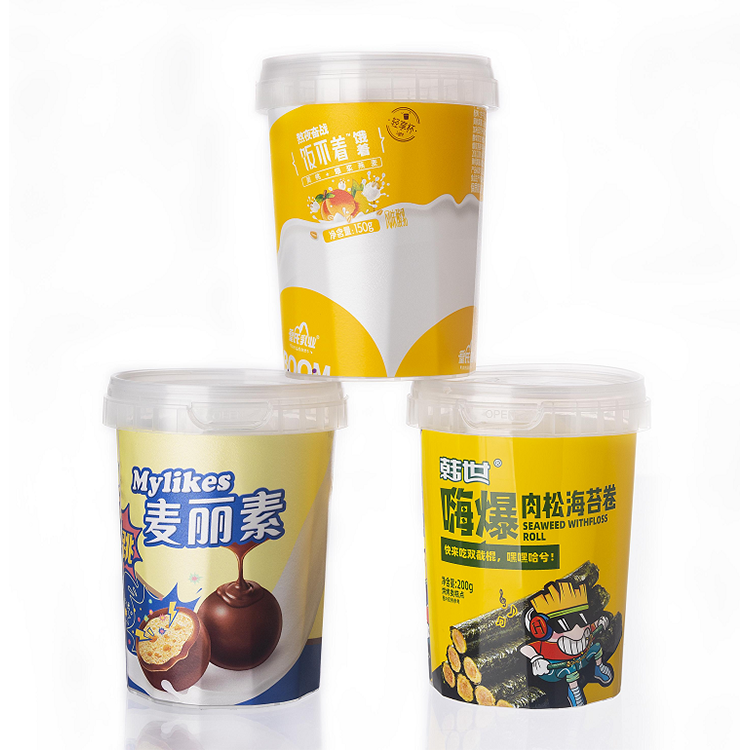
The integration of in mold label technology with injection molding processes represents one of the most significant advancements in modern manufacturing. This innovative approach allows manufacturers to create products with durable, high-quality labels that become an integral part of the final product during the molding process. Unlike traditional post-production labeling methods, in mold label applications ensure superior adhesion, enhanced durability, and exceptional visual appeal that can withstand the demands of various industrial and consumer applications.
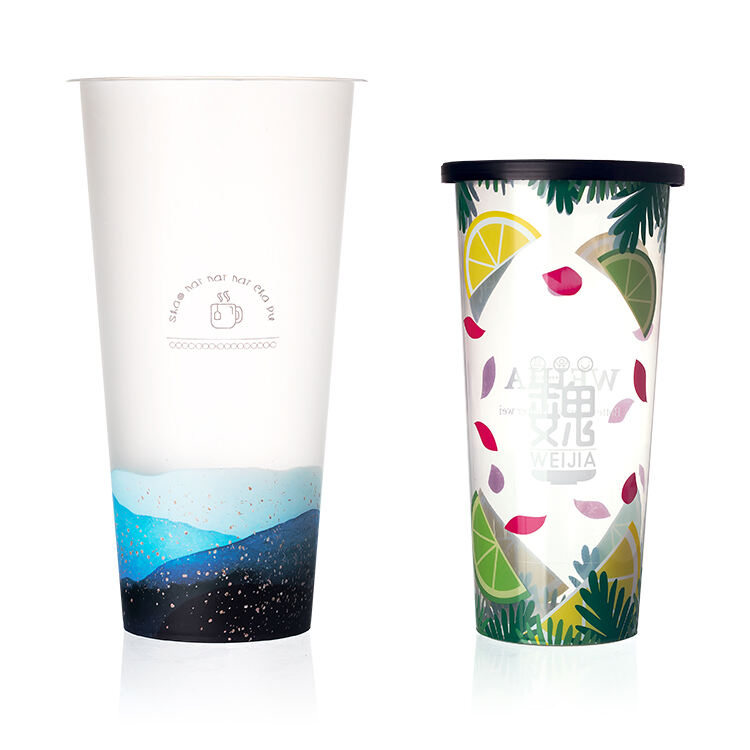
Manufacturing companies across diverse industries have recognized the transformative potential of combining in mold label technology with injection molding operations. This synergistic relationship creates opportunities for enhanced product differentiation, improved production efficiency, and reduced overall manufacturing costs. The process eliminates the need for secondary labeling operations while delivering superior aesthetic and functional performance that meets the stringent requirements of today's competitive marketplace.
Understanding In Mold Label Technology
Core Principles and Manufacturing Process
In mold label technology operates on the fundamental principle of integrating labeling materials directly into the injection molding cycle. The process begins with precisely positioned labels being placed within the mold cavity before the plastic material injection occurs. During the injection process, the molten plastic bonds with the in mold label substrate, creating a permanent connection that cannot be separated without damaging the product itself.
The manufacturing process requires careful coordination between label placement systems and injection molding equipment. Advanced automation systems ensure consistent label positioning while maintaining production speeds that meet commercial manufacturing requirements. Temperature control, pressure settings, and timing parameters must be optimized to achieve proper adhesion between the in mold label and the plastic substrate without compromising either component's integrity.
Quality control measures throughout the in mold label application process involve continuous monitoring of adhesion strength, visual appearance, and dimensional accuracy. These parameters directly influence the final product's performance and aesthetic appeal, making precision control essential for successful implementation of this advanced labeling technology.
Material Selection and Compatibility
Successful in mold label applications depend heavily on selecting compatible materials that can withstand the thermal and mechanical stresses of the injection molding process. Label substrates typically consist of specialized synthetic materials designed to maintain their properties under high-temperature conditions while providing excellent printability and surface characteristics.
The compatibility between the in mold label material and the injection molding resin plays a crucial role in achieving optimal adhesion and long-term durability. Chemical compatibility ensures that the bonding process creates a molecular-level connection that resists delamination, moisture penetration, and environmental degradation throughout the product's service life.
Advanced material formulations for in mold label applications incorporate additives that enhance specific performance characteristics such as UV resistance, chemical resistance, and mechanical strength. These specialized formulations allow manufacturers to tailor the labeling solution to meet specific application requirements while maintaining the manufacturing efficiency benefits of the integrated molding process.
Injection Molding Integration Strategies
Equipment Modifications and Setup Requirements
Implementing in mold label technology within existing injection molding operations requires specific equipment modifications and setup procedures. Mold design considerations include label placement mechanisms, proper venting systems, and temperature control features that ensure uniform heat distribution throughout the molding cycle. These modifications must be carefully engineered to maintain production efficiency while accommodating the additional complexity of label integration.
Automation systems for in mold label placement represent critical components of successful implementation strategies. Robotic handling systems must achieve precise positioning accuracy while maintaining cycle times compatible with high-volume production requirements. The integration of vision systems and feedback controls ensures consistent label placement and reduces waste from misaligned or improperly positioned labels.
Process parameter optimization involves coordinating injection speeds, pressures, and cooling rates to accommodate the presence of the in mold label within the mold cavity. These parameters must be adjusted to prevent label displacement during filling while ensuring complete plastic flow around the label perimeter for optimal adhesion and appearance.
Quality Assurance and Process Control
Quality assurance protocols for in mold label applications encompass multiple stages of the manufacturing process, from incoming material inspection to final product validation. Comprehensive testing procedures evaluate adhesion strength, print quality retention, and environmental resistance characteristics that determine product performance in real-world applications.
Statistical process control methods help manufacturers maintain consistent quality levels while identifying potential issues before they impact production output. Real-time monitoring systems track critical parameters such as mold temperature, injection pressure, and cycle timing to ensure optimal conditions for successful In Mold Label integration throughout extended production runs.
Continuous improvement initiatives focus on optimizing process parameters, reducing cycle times, and minimizing waste generation while maintaining the high-quality standards required for successful in mold label applications. These efforts contribute to improved manufacturing efficiency and enhanced product competitiveness in demanding market segments.
Applications and Industry Benefits
Consumer Products and Packaging Solutions
Consumer product manufacturers have embraced in mold label technology for applications ranging from food containers to household appliances. The technology provides enhanced durability and tamper-evidence features that meet regulatory requirements while delivering superior aesthetic appeal. In mold label applications in food packaging offer particular advantages in terms of hygiene, chemical resistance, and regulatory compliance.
The automotive industry utilizes in mold label technology for interior and exterior components that require durable identification and branding elements. These applications must withstand extreme temperature variations, UV exposure, and chemical contact while maintaining legibility and appearance throughout the vehicle's service life. Advanced in mold label formulations provide the necessary performance characteristics for these demanding applications.
Electronics manufacturers incorporate in mold label solutions for product identification, safety warnings, and user interface elements that require permanent integration with the product housing. The technology eliminates concerns about label removal or tampering while providing clear, durable markings that remain legible throughout the product's operational life.
Industrial and Commercial Applications
Industrial applications of in mold label technology span numerous sectors including construction, agriculture, and manufacturing equipment. These applications typically require enhanced durability characteristics such as chemical resistance, abrasion resistance, and weatherability that traditional labeling methods cannot provide effectively.
Commercial applications often focus on branding and identification requirements that demand long-term durability and professional appearance. In mold label technology provides consistent quality and appearance that supports brand recognition while eliminating concerns about label degradation or removal that could impact product traceability.
Specialized industrial applications may require custom in mold label formulations that provide specific performance characteristics such as high-temperature resistance, chemical compatibility, or electromagnetic shielding properties. These specialized solutions demonstrate the versatility and adaptability of in mold label technology across diverse application requirements.
Technical Advantages and Performance Benefits
Durability and Environmental Resistance
The permanent integration achieved through in mold label technology provides superior durability compared to traditional labeling methods. The molecular-level bonding between the label and substrate creates resistance to delamination, moisture penetration, and environmental degradation that extends product life and maintains appearance quality throughout extended service periods.
Environmental resistance characteristics of in mold label applications include UV stability, chemical resistance, and temperature performance that meet the requirements of outdoor and industrial applications. These performance benefits eliminate the need for protective coatings or secondary treatments that add complexity and cost to traditional labeling processes.
Abrasion resistance and mechanical durability of in mold label applications exceed conventional labeling methods due to the integrated nature of the labeling process. The absence of edges or interfaces that can collect dirt or moisture contributes to improved hygiene and easier cleaning in food service and medical applications.
Cost Effectiveness and Production Efficiency
Manufacturing cost advantages of in mold label technology result from elimination of secondary labeling operations, reduced inventory requirements, and improved production throughput. The integrated process reduces handling requirements and minimizes opportunities for damage or contamination during manufacturing and assembly operations.
Labor cost reductions achieved through in mold label implementation result from automated placement systems and elimination of manual labeling operations. These savings become particularly significant in high-volume production environments where labor costs represent substantial portions of total manufacturing expenses.
Quality-related cost benefits include reduced rework rates, eliminated warranty claims related to label failure, and improved customer satisfaction scores. The permanent integration of in mold label technology eliminates many common failure modes associated with traditional labeling methods while providing consistent quality levels throughout production runs.
Future Developments and Innovation Trends
Advanced Material Technologies
Research and development efforts in in mold label technology focus on advanced material formulations that provide enhanced performance characteristics while maintaining compatibility with existing injection molding processes. Smart materials incorporating electronic functionality represent emerging opportunities for product differentiation and enhanced user interaction capabilities.
Sustainable material options for in mold label applications align with environmental responsibility initiatives while maintaining performance requirements. Bio-based substrates and recyclable formulations provide opportunities for manufacturers to reduce environmental impact while delivering the technical advantages of integrated labeling technology.
Nanotechnology applications in in mold label materials offer potential improvements in barrier properties, antimicrobial characteristics, and optical performance. These advanced materials may enable new applications and performance capabilities that extend the technology's applicability across additional market segments.
Process Automation and Digital Integration
Automation advancements in in mold label technology include artificial intelligence systems that optimize process parameters in real-time based on production conditions and quality feedback. These systems improve consistency while reducing operator intervention requirements and minimizing production variability.
Digital printing technologies integrated with in mold label processes enable variable data printing and customization capabilities that support personalization and small-batch production requirements. These capabilities expand the market applications for in mold label technology while maintaining the efficiency advantages of the integrated manufacturing process.
Industry 4.0 integration opportunities include connectivity features that enable remote monitoring, predictive maintenance, and production optimization through data analytics and machine learning algorithms. These capabilities support continuous improvement initiatives while reducing downtime and maintenance costs associated with in mold label production systems.
FAQ
What are the main advantages of using in mold label technology over traditional labeling methods
In mold label technology offers several key advantages including permanent integration that eliminates delamination concerns, superior durability under environmental stress, reduced production costs through elimination of secondary operations, and enhanced aesthetic appeal with no visible edges or interfaces. The technology also provides better hygiene characteristics and tamper-evidence features that are particularly valuable in food packaging and pharmaceutical applications.
How does the injection molding process need to be modified for in mold label applications
Injection molding modifications for in mold label applications include mold design changes to accommodate label placement systems, installation of automated handling equipment for precise label positioning, adjustment of process parameters such as temperature and pressure to ensure proper adhesion, and implementation of quality control systems to monitor label placement and final product characteristics throughout production runs.
What types of products are best suited for in mold label technology
Products that benefit most from in mold label technology include consumer packaging requiring durability and tamper-evidence, automotive components exposed to harsh environmental conditions, electronic housings needing permanent identification markings, food containers requiring hygiene and chemical resistance, and industrial equipment requiring long-term identification and safety labeling that must withstand demanding operational conditions.
What factors determine the success of in mold label implementation
Successful in mold label implementation depends on proper material selection for compatibility between label substrate and molding resin, precise control of process parameters including temperature and pressure, accurate label placement systems with consistent positioning capabilities, comprehensive quality assurance protocols to ensure adhesion and appearance standards, and ongoing process optimization to maintain efficiency while meeting quality requirements throughout extended production runs.
Table of Contents
- Understanding In Mold Label Technology
- Injection Molding Integration Strategies
- Applications and Industry Benefits
- Technical Advantages and Performance Benefits
- Future Developments and Innovation Trends
-
FAQ
- What are the main advantages of using in mold label technology over traditional labeling methods
- How does the injection molding process need to be modified for in mold label applications
- What types of products are best suited for in mold label technology
- What factors determine the success of in mold label implementation