 EN
EN



In Mold Label technology has revolutionized the packaging industry by offering seamless integration of graphics directly into molded products during the manufacturing process. This innovative labeling method eliminates the need for post-production adhesive application, resulting in superior durability and visual appeal. Modern manufacturers increasingly rely on In Mold Label solutions to create eye-catching packaging that withstands harsh environmental conditions while maintaining pristine appearance throughout the product lifecycle. The integration of labels during the molding process creates a permanent bond that cannot peel, fade, or separate from the container surface.
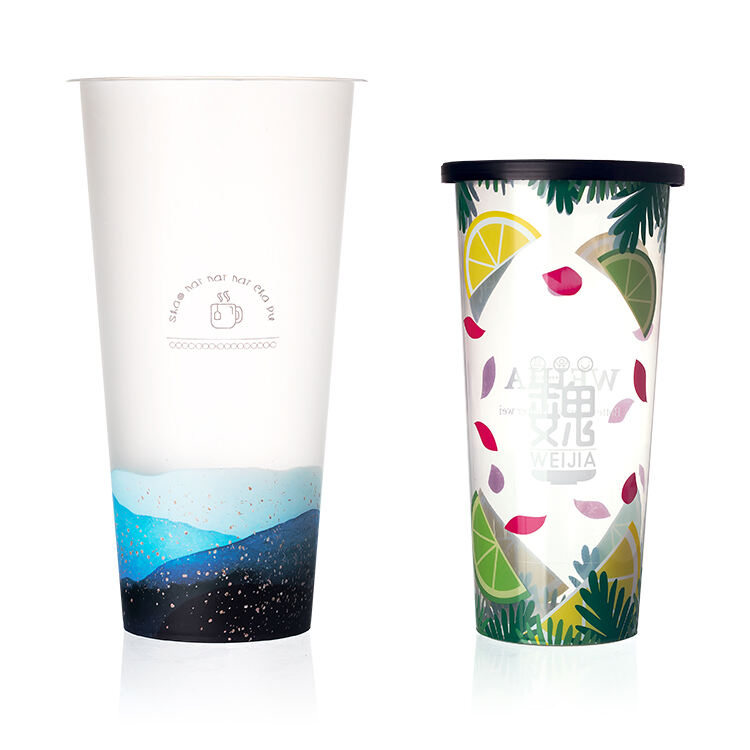
Understanding In Mold Label Technology Fundamentals
The Science Behind In Mold Label Integration
The In Mold Label process involves precise timing and temperature control to achieve optimal adhesion between the label material and the molded substrate. During injection molding, the pre-printed label is positioned within the mold cavity before the molten plastic is injected. The heat and pressure from the molding process cause the label backing to fuse with the plastic surface, creating an integral bond that becomes part of the final product structure. This fusion eliminates potential failure points that traditional adhesive labels often experience.
Material selection plays a crucial role in successful In Mold Label applications. The label substrate must be compatible with the molding temperature and possess thermal properties that allow proper fusion without degrading the printed graphics. Common substrates include polypropylene, polyethylene, and specialized synthetic materials designed specifically for molding applications. These materials undergo extensive testing to ensure they maintain dimensional stability and color integrity throughout the molding cycle.
Advantages of In Mold Label Over Traditional Labeling
In Mold Label technology offers significant advantages over conventional labeling methods in terms of production efficiency and end-product quality. The elimination of secondary labeling operations reduces manufacturing time and labor costs while ensuring consistent label placement and orientation. This streamlined process also reduces the risk of contamination and handling damage that can occur during post-molding label application. The permanent integration of graphics creates tamper-evident packaging that enhances product security.
Environmental benefits of In Mold Label systems include reduced waste generation and improved recyclability. Since the label becomes an integral part of the container, there are no separate adhesive layers or backing materials to remove during recycling. This simplification supports circular economy initiatives and helps manufacturers meet sustainability goals. Additionally, the elimination of volatile organic compounds from adhesives contributes to improved workplace air quality and reduced environmental impact.
Design Optimization Strategies for Maximum Visual Impact
Color Management and Print Quality Enhancement
Achieving exceptional visual impact with In Mold Label designs requires careful attention to color management throughout the entire production workflow. The unique thermal environment of the molding process can affect color reproduction, making it essential to use heat-stable inks and pigments specifically formulated for high-temperature applications. Color matching systems should account for potential shifts that occur during the fusion process, ensuring final products meet brand specification requirements.
Print resolution and registration accuracy significantly impact the perceived quality of In Mold Label graphics. High-definition printing capabilities enable sharp text reproduction and fine detail rendering that enhances brand recognition and consumer appeal. Registration systems must maintain precise alignment throughout the production run to prevent color bleeding or misalignment that could compromise visual quality. Regular calibration and quality control measures ensure consistent output across large production volumes.
Graphic Design Principles for Molded Applications
Effective In Mold Label design requires understanding how graphics translate from flat surfaces to three-dimensional molded forms. Design elements must account for potential stretching or distortion that occurs during the molding process, particularly around curves and complex geometries. Vector-based graphics often perform better than raster images in these applications due to their scalability and edge definition properties. Typography selection should consider legibility at various viewing angles and lighting conditions.
Brand consistency across different product formats becomes challenging when adapting designs for In Mold Label applications. Design systems must accommodate the unique requirements of molded surfaces while maintaining recognizable brand elements. Color palettes may need adjustment to compensate for substrate transparency or opacity variations. Strategic use of white ink or opaque layers can enhance color vibrancy and ensure consistent appearance across different base material colors.
Material Selection and Compatibility Considerations
Substrate Properties and Performance Requirements
Selecting appropriate substrate materials for In Mold Label applications requires balancing multiple performance criteria including thermal stability, chemical resistance, and mechanical properties. The substrate must withstand injection molding temperatures without dimensional changes that could affect registration or cause wrinkling. Chemical compatibility with the molten plastic ensures proper adhesion and prevents delamination or bubble formation during the cooling cycle.
Barrier properties of In Mold Label substrates can provide additional functionality beyond visual appeal. Materials with oxygen or moisture barrier characteristics help preserve product freshness and extend shelf life. UV-resistant formulations protect both the underlying product and the label graphics from photodegradation. These functional benefits add value to the packaging solution while maintaining the aesthetic advantages of integrated labeling.
Ink and Coating Technologies
Advanced ink formulations specifically developed for In Mold Label applications offer superior performance under the extreme conditions of injection molding. These inks maintain color stability at temperatures exceeding 200 degrees Celsius while providing excellent adhesion to both the substrate and the molded plastic. Formulations may include heat-activated adhesion promoters that enhance bonding during the molding process.
Protective coatings applied to In Mold Label surfaces provide additional durability and functionality. Scratch-resistant coatings maintain appearance quality throughout product handling and use cycles. Anti-microbial treatments can be incorporated for food packaging applications where hygiene is critical. These specialized coatings are formulated to maintain their properties throughout the thermal cycling of the molding process without compromising adhesion or appearance.
Production Process Optimization
Mold Design and Label Positioning
Mold design significantly influences the success of In Mold Label applications. Proper venting ensures complete evacuation of air trapped between the label and mold surface, preventing bubble formation or incomplete adhesion. Gate positioning affects material flow patterns around the label, requiring careful analysis to ensure uniform pressure distribution and avoid weld lines across critical graphic areas. Cooling channel design maintains temperature uniformity to prevent thermal gradients that could cause label distortion.
Label positioning systems must accurately place In Mold Label components within tight tolerances to ensure consistent results. Robotic placement systems offer precise control over label orientation and timing, reducing variability compared to manual methods. Vision inspection systems verify proper label placement before mold closing, preventing costly defects and material waste. Automation integration supports high-volume production requirements while maintaining quality standards.
Quality Control and Inspection Methods
Comprehensive quality control protocols for In Mold Label production encompass both pre-molding label inspection and post-molding product evaluation. Pre-molding checks verify label dimensions, print quality, and material properties before placement in the mold. Automated inspection systems can detect defects such as color variations, registration errors, or substrate damage that could affect final product quality.
Post-molding inspection focuses on adhesion quality, dimensional accuracy, and overall appearance of the finished product. Peel testing validates the bond strength between the In Mold Label and the molded substrate, ensuring adequate adhesion for intended applications. Visual inspection protocols identify cosmetic defects such as bubbles, wrinkles, or color variations that could affect consumer acceptance. Statistical process control methods track quality trends and enable proactive adjustments to maintain consistent output.
Applications and Industry Trends
Market Segments and Growth Opportunities
The food and beverage industry represents the largest market segment for In Mold Label applications, driven by demand for attractive packaging that maintains integrity throughout distribution and storage. Dairy products, including yogurt containers and milk bottles, extensively utilize In Mold Label technology for brand differentiation and tamper evidence. The ability to create 360-degree graphics coverage enhances shelf appeal and provides maximum branding opportunity compared to traditional wrap-around labels.
Automotive and industrial applications increasingly adopt In Mold Label solutions for component identification and branding. Dashboard components, exterior trim pieces, and fluid reservoirs benefit from the permanent marking capabilities that resist chemicals, temperature extremes, and mechanical stress. The integration of functional elements such as tactile surfaces or conductive traces within In Mold Label designs opens new possibilities for smart product development.
Sustainability and Environmental Impact
Environmental considerations drive innovation in In Mold Label materials and processes. Bio-based substrates derived from renewable resources offer reduced carbon footprint while maintaining performance requirements. Compostable formulations support circular economy initiatives by enabling complete biodegradation at end-of-life. These sustainable alternatives require careful validation to ensure compatibility with molding processes and long-term performance standards.
Recycling compatibility remains a key factor in In Mold Label material selection. Substrates that match the density and melting characteristics of the base plastic facilitate separation during recycling processes. Some applications utilize dissolvable substrates that separate from the plastic during washing stages, simplifying material recovery. Industry collaboration focuses on developing standardized approaches that optimize both product performance and environmental sustainability.
FAQ
What are the main advantages of using In Mold Label technology
In Mold Label technology offers several key advantages including permanent label integration that eliminates peeling or delamination issues, reduced production steps by combining labeling with molding, superior durability against chemicals and abrasion, 360-degree design coverage possibilities, and improved tamper evidence for security applications.
How does the molding temperature affect In Mold Label quality
Molding temperature directly impacts In Mold Label adhesion and appearance quality. Temperatures must be sufficient to activate the label adhesive and create proper fusion with the substrate, typically ranging from 180-250 degrees Celsius depending on materials. Excessive temperatures can cause label distortion or color shifting, while insufficient heat results in poor adhesion and potential delamination.
What design considerations are important for curved surfaces
Designing for curved surfaces requires accounting for material stretch and distortion during forming. Graphics should use vector formats when possible, avoid fine details in high-stretch areas, consider viewing angles from multiple directions, and include sufficient border margins to accommodate dimensional changes. Testing with prototype molds helps validate design performance before full production.
Can In Mold Label be used with recycled plastics
In Mold Label compatibility with recycled plastics depends on the specific substrate materials and recycling processes used. Many formulations work effectively with post-consumer recycled content, though adhesion properties may require adjustment. Material suppliers offer specialized grades designed for recycled plastic applications, and testing validates performance with specific recycled resin grades.