 EN
EN


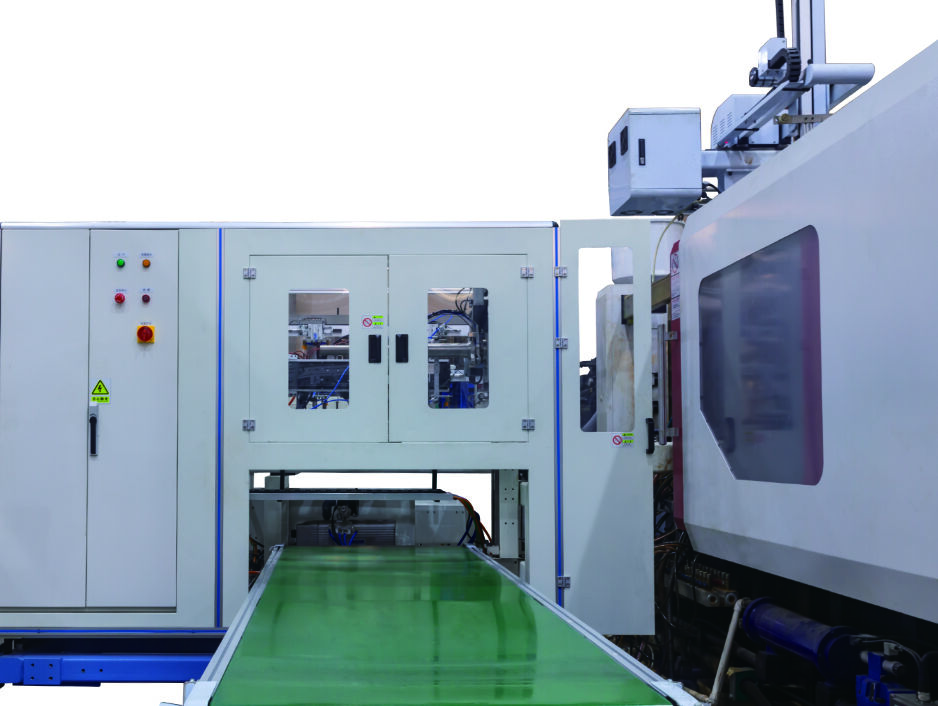
The manufacturing landscape has witnessed a remarkable shift toward integrated production techniques that combine aesthetic appeal with functional durability. In mold label technology represents one of the most sophisticated approaches to product decoration, seamlessly integrating labels during the molding process rather than applying them post-production. This innovative method has transformed how manufacturers approach product branding, offering superior adhesion, enhanced graphics quality, and remarkable resistance to environmental factors that typically compromise traditional labeling methods.
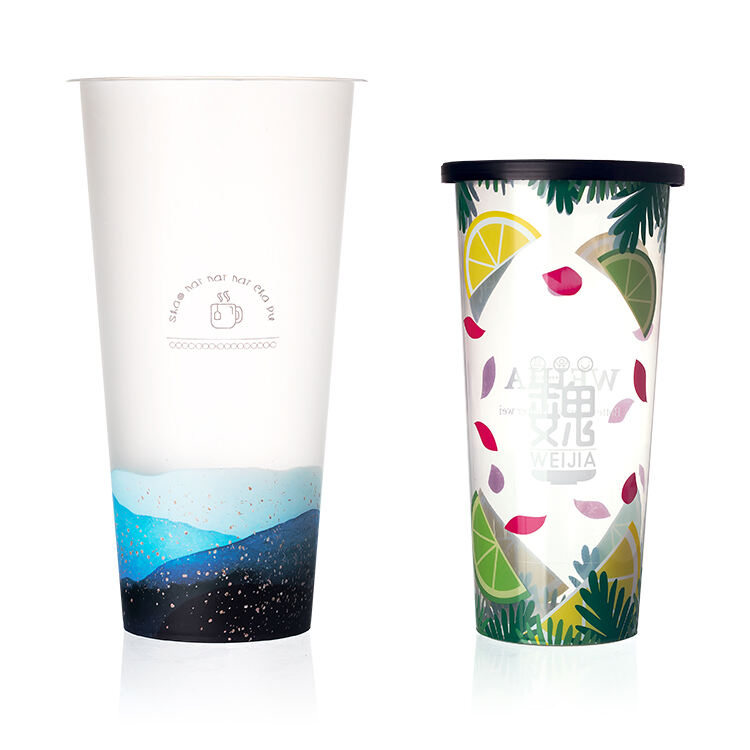
Industrial production environments demand precision, consistency, and scalability that far exceed the capabilities of manual or semi-automated processes. When considering in mold label implementation, manufacturers must evaluate numerous technical parameters, material specifications, and process variables that determine successful outcomes. The complexity of industrial-grade in mold label production requires sophisticated equipment, specialized materials, and extensive quality control measures that ensure each labeled product meets stringent performance standards.
Understanding the fundamental requirements of industrial in mold label production enables manufacturers to make informed decisions about implementation strategies, equipment investments, and material selections. This comprehensive examination explores the critical factors that distinguish professional industrial production from experimental or small-scale applications, providing insights into the technical demands and operational considerations that define successful in mold label manufacturing.
Material Science and Substrate Requirements
Polymer Compatibility and Chemical Bonding
The foundation of successful in mold label application lies in achieving optimal polymer compatibility between the label substrate and the molded component material. Industrial production demands precise understanding of how different thermoplastic materials interact during the molding process, particularly regarding thermal expansion coefficients, shrinkage rates, and chemical adhesion properties. Polypropylene, polyethylene, and polystyrene substrates each present unique challenges when integrating with in mold label materials, requiring specific formulations and processing parameters.
Advanced polymer chemistry plays a crucial role in developing in mold label substrates that maintain dimensional stability throughout temperature cycling while providing superior bonding strength. The molecular structure of both the label material and the host polymer must facilitate chemical cross-linking during the molding process, creating permanent adhesion that withstands mechanical stress, chemical exposure, and thermal cycling. Industrial applications often require custom polymer blends specifically engineered for particular product applications and performance requirements.
Surface treatment technologies enhance the bonding characteristics of in mold label substrates, utilizing corona discharge, flame treatment, or chemical primers to modify surface energy and promote adhesion. These treatments must be carefully calibrated to match the specific polymer combinations and processing conditions, ensuring consistent bonding across large production volumes while maintaining label integrity and appearance quality.
Thermal Properties and Processing Stability
Industrial in mold label production requires materials capable of withstanding extreme thermal conditions without degradation or dimensional distortion. Processing temperatures often exceed 200°C during injection molding cycles, demanding label substrates with exceptional thermal stability and minimal thermal expansion. The thermal properties of in mold label materials must complement the processing requirements of the host polymer while maintaining structural integrity and visual quality.
Heat deflection temperatures, glass transition points, and thermal conductivity characteristics directly influence the success of industrial in mold label applications. Materials must maintain their physical properties throughout rapid heating and cooling cycles while avoiding warpage, delamination, or graphic distortion. Advanced polymer engineering has developed specialized in mold label formulations that provide superior thermal performance for demanding industrial applications.
Thermal cycling resistance becomes particularly critical for products exposed to variable temperature environments, such as automotive components, appliances, and outdoor equipment. Industrial testing protocols evaluate material performance through thousands of thermal cycles, measuring dimensional stability, adhesion strength, and visual appearance retention to ensure long-term reliability under real-world operating conditions.
Processing Equipment and Automation Systems
Injection Molding Machine Specifications
Industrial in mold label production requires sophisticated injection molding equipment capable of precise process control and automated label handling. Modern molding machines incorporate specialized features designed specifically for in mold label applications, including precise temperature control systems, advanced injection pressure regulation, and integrated label placement mechanisms. These systems must maintain consistent processing parameters across thousands of production cycles while accommodating the additional complexity of label integration.
Clamping force calculations become more complex when incorporating in mold label technology, as the presence of label materials affects pressure distribution and flow characteristics within the mold cavity. Industrial equipment must provide sufficient clamping force to prevent label displacement while avoiding excessive pressure that could damage label graphics or cause material deformation. Advanced control systems monitor and adjust clamping parameters in real-time to maintain optimal processing conditions.
Temperature control systems play a critical role in ensuring proper in mold label bonding and preventing thermal damage to label graphics. Industrial molding equipment incorporates multiple heating zones, advanced temperature sensors, and precise control algorithms that maintain optimal thermal profiles throughout the molding cycle. These systems must accommodate the thermal requirements of both the label material and the host polymer while ensuring consistent quality across large production volumes.
Automated Label Handling and Placement Systems
Industrial production volumes demand fully automated label handling systems capable of precise placement, consistent orientation, and reliable operation over extended periods. Robotic label placement systems utilize advanced vision guidance, pneumatic positioning, and electrostatic holding mechanisms to achieve placement accuracies within tight tolerances. These systems must handle various label sizes, shapes, and materials while maintaining production speeds compatible with high-volume manufacturing requirements.
Label feeding mechanisms incorporate sophisticated sensors and control systems that detect label presence, verify proper orientation, and ensure consistent placement within the mold cavity. Industrial systems often include multiple redundancy features and automatic error detection capabilities that minimize production disruptions and maintain consistent quality standards. Advanced feeding systems can accommodate multiple label designs and sizes without requiring extensive changeover procedures.
Quality inspection systems integrated into automated label handling equipment provide real-time monitoring of label placement accuracy, orientation, and condition. Machine vision systems verify proper label positioning before mold closure while detecting any defects or irregularities that could compromise final product quality. These inspection capabilities enable immediate corrective actions and maintain detailed production records for quality assurance purposes.
Quality Control and Testing Protocols
Adhesion Testing and Performance Validation
Industrial in mold label applications require comprehensive testing protocols that validate adhesion strength, durability, and performance characteristics under various operating conditions. Standardized test methods evaluate peel strength, shear resistance, and environmental stability to ensure labels meet specified performance requirements. These tests must simulate real-world operating conditions while providing quantitative data for quality assessment and process optimization.
Accelerated aging tests expose labeled samples to elevated temperatures, humidity cycling, UV exposure, and chemical environments to evaluate long-term performance characteristics. Industrial applications often require labels to maintain their integrity for years under challenging environmental conditions, making comprehensive durability testing essential for product validation. Advanced testing equipment simulates decades of exposure within compressed timeframes while providing reliable predictions of long-term performance.
Cross-hatch adhesion testing provides standardized evaluation of in mold label bonding strength, utilizing controlled cutting patterns and tape removal procedures to assess adhesion quality. Industrial quality control protocols incorporate multiple test methods and acceptance criteria that ensure consistent performance across production lots while identifying potential process variations that could affect label quality.
Visual Quality Assessment and Defect Analysis
Visual quality standards for industrial in mold label applications encompass graphic clarity, color consistency, surface finish, and dimensional accuracy. Automated inspection systems utilize high-resolution cameras, specialized lighting, and advanced image processing algorithms to detect defects that might compromise product appearance or performance. These systems must operate at production speeds while maintaining detection sensitivity sufficient to identify subtle quality variations.
Color matching protocols ensure consistent graphic appearance across production runs while accommodating normal process variations and material lot differences. Industrial color management systems incorporate spectrophotometric measurement, standardized viewing conditions, and statistical process control methods that maintain color consistency within specified tolerances. Advanced systems can automatically adjust process parameters to compensate for minor color variations and maintain optimal graphic quality.
Surface finish evaluation encompasses gloss levels, texture consistency, and optical clarity measurements that affect product appearance and consumer perception. Industrial quality standards define acceptable ranges for these characteristics while providing objective measurement methods that ensure consistent evaluation. Advanced surface measurement equipment provides quantitative data for process optimization and quality verification purposes.
Production Optimization and Process Control
Parameter Monitoring and Statistical Process Control
Industrial in mold label production requires sophisticated process monitoring systems that track critical parameters and provide real-time feedback for process optimization. Temperature profiles, injection pressures, cycle times, and label placement accuracy must be continuously monitored to ensure consistent quality and identify potential process variations before they affect product quality. Advanced control systems incorporate statistical process control methods that analyze parameter trends and automatically adjust process settings to maintain optimal operating conditions.
Data acquisition systems collect and analyze thousands of process parameters throughout production runs, providing comprehensive records for quality assurance and process improvement initiatives. Industrial systems often incorporate predictive analytics capabilities that identify potential quality issues before they occur, enabling proactive corrective actions that minimize production disruptions and maintain consistent output quality.
Process capability studies evaluate the consistency and repeatability of in mold label production processes while identifying opportunities for improvement and optimization. These studies utilize statistical analysis methods to assess process variation, determine capability indices, and establish control limits that ensure consistent quality performance. Regular capability assessments enable continuous improvement initiatives and validate process changes or equipment modifications.
Waste Reduction and Efficiency Optimization
Industrial production efficiency demands minimization of material waste, energy consumption, and production cycle times while maintaining quality standards. In mold label processes must be optimized to reduce material usage, minimize label placement errors, and maximize equipment utilization rates. Advanced process optimization techniques utilize computer simulation, design of experiments, and statistical analysis to identify optimal operating parameters that balance quality, efficiency, and cost considerations.
Label placement accuracy directly affects material waste rates, as misplaced or damaged labels must be rejected during production. Industrial systems incorporate precision placement mechanisms, real-time monitoring, and automatic correction capabilities that minimize placement errors and reduce waste generation. Advanced systems can achieve placement accuracies within fractions of millimeters while maintaining high production speeds.
Energy efficiency optimization focuses on minimizing heating requirements, reducing cycle times, and optimizing equipment utilization to reduce production costs and environmental impact. Modern in mold label production systems incorporate energy recovery mechanisms, advanced heating technologies, and intelligent control systems that minimize energy consumption while maintaining optimal processing conditions. These improvements often provide significant cost savings while reducing the environmental footprint of manufacturing operations.
Applications and Industry Implementation
Automotive and Transportation Applications
The automotive industry represents one of the largest markets for industrial in mold label applications, utilizing this technology for interior trim components, exterior panels, and functional elements that require durable graphics and branding. Automotive applications demand exceptional resistance to temperature extremes, UV exposure, chemical contact, and mechanical abuse while maintaining appearance quality throughout the vehicle's service life. In mold label technology provides superior performance compared to traditional labeling methods while enabling complex graphics and functional features.
Interior automotive components often incorporate in mold label technology for dashboard elements, door panels, and control surfaces that require scratch resistance, chemical compatibility, and long-term appearance retention. These applications must meet stringent automotive quality standards while providing consistent performance across millions of production units. Advanced in mold label formulations have been specifically developed for automotive applications, offering enhanced durability and performance characteristics.
Exterior automotive applications utilize in mold label technology for body panels, trim elements, and functional components exposed to harsh environmental conditions. These applications require exceptional UV resistance, thermal cycling capability, and impact resistance while maintaining color stability and graphic clarity. Industrial production systems must accommodate the precision requirements and quality standards demanded by automotive manufacturers while providing cost-effective solutions for high-volume production.
Consumer Electronics and Appliance Integration
Consumer electronics manufacturers increasingly utilize in mold label technology for product housings, control panels, and decorative elements that require precise graphics, tactile features, and durability under normal use conditions. Electronics applications often demand thin label profiles, excellent dimensional stability, and compatibility with electronic assembly processes while maintaining visual appeal and functional performance. Advanced in mold label materials have been developed specifically for electronics applications, providing enhanced electrical properties and processing characteristics.
Appliance manufacturers implement in mold label solutions for control panels, decorative trim, and functional elements that must withstand cleaning chemicals, temperature variations, and mechanical wear. These applications require materials with excellent chemical resistance, impact strength, and long-term appearance retention while providing cost-effective solutions for high-volume production. Industrial in mold label processes enable complex graphics, multiple colors, and functional features that enhance product appearance and user experience.
The integration of in mold label technology in consumer products enables manufacturers to eliminate secondary labeling operations while improving product durability and appearance quality. Industrial production systems provide the precision, consistency, and efficiency required for large-scale manufacturing while accommodating the diverse requirements of different product categories and market segments.
FAQ
What are the primary advantages of industrial in mold label production over traditional labeling methods
Industrial in mold label production offers several significant advantages including superior adhesion strength that eliminates edge lifting or delamination, enhanced durability through integrated bonding during the molding process, and improved graphics quality with better resolution and color consistency. The process eliminates secondary labeling operations, reduces production costs, and enables complex label shapes and designs that conform perfectly to three-dimensional surfaces. Additionally, in mold labels provide better resistance to scratching, chemicals, and environmental factors compared to applied labels.
How do material selection and compatibility affect in mold label performance
Material compatibility between the label substrate and the molded component is crucial for achieving proper chemical bonding and long-term performance. The thermal properties, shrinkage rates, and chemical composition of both materials must be carefully matched to ensure dimensional stability and adhesion strength throughout the molding process. Poor material compatibility can result in delamination, warpage, or graphic distortion, making material selection one of the most critical factors in successful industrial in mold label implementation.
What quality control measures are essential for industrial in mold label production
Essential quality control measures include comprehensive adhesion testing using standardized peel and shear test methods, visual inspection systems for detecting placement errors and graphic defects, environmental testing to validate long-term durability, and statistical process control monitoring of critical parameters such as temperature, pressure, and cycle time. Regular material testing, equipment calibration, and process capability studies ensure consistent quality performance and identify opportunities for improvement in industrial production environments.
How does automation impact the efficiency and quality of in mold label production
Automation significantly improves both efficiency and quality by providing precise label placement, consistent processing parameters, and real-time quality monitoring capabilities. Automated systems eliminate human error in label handling and placement while maintaining high production speeds and reducing labor costs. Advanced automation includes robotic label feeding, machine vision inspection, and integrated process control systems that optimize performance and maintain consistent quality across large production volumes while minimizing waste and production disruptions.
Table of Contents
- Material Science and Substrate Requirements
- Processing Equipment and Automation Systems
- Quality Control and Testing Protocols
- Production Optimization and Process Control
- Applications and Industry Implementation
-
FAQ
- What are the primary advantages of industrial in mold label production over traditional labeling methods
- How do material selection and compatibility affect in mold label performance
- What quality control measures are essential for industrial in mold label production
- How does automation impact the efficiency and quality of in mold label production