 EN
EN


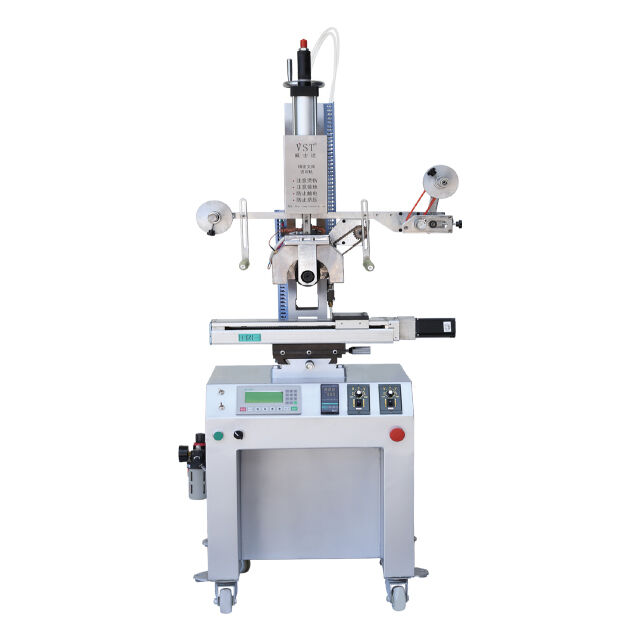
The packaging industry has witnessed remarkable innovations in recent decades, with In Mold Label technology emerging as one of the most transformative solutions for plastic packaging applications. This advanced labeling technique integrates labels directly into plastic products during the molding process, creating seamless, durable, and aesthetically superior packaging solutions. As manufacturers seek more efficient and cost-effective methods to enhance product presentation while maintaining structural integrity, In Mold Label technology has become increasingly prevalent across various industrial sectors. The technique offers unprecedented advantages in terms of production efficiency, label durability, and design flexibility, making it an essential consideration for modern packaging strategies.
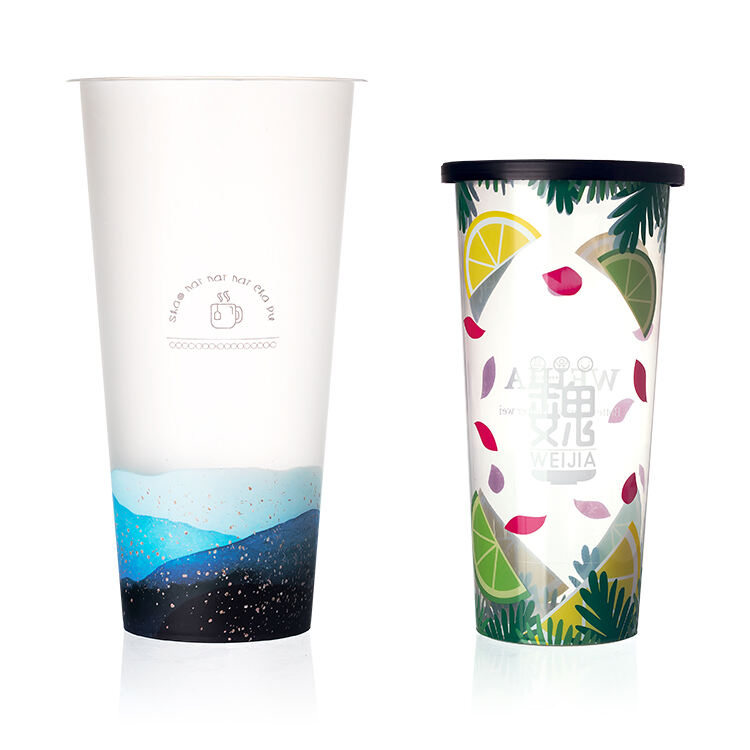
Understanding In Mold Label Technology Fundamentals
Technical Process and Manufacturing Integration
In Mold Label technology represents a sophisticated manufacturing process where pre-printed labels are placed into injection molds before the plastic material is introduced. During the injection molding cycle, the molten plastic fuses with the label substrate, creating a permanent bond that eliminates the traditional post-molding labeling steps. This integration occurs at the molecular level, ensuring that the In Mold Label becomes an integral part of the final product rather than a surface application. The process requires precise timing, temperature control, and mold design to achieve optimal results.
The manufacturing integration involves several critical stages that must be carefully coordinated. Initially, labels are die-cut to precise specifications and positioned within the mold cavity using robotic systems or manual placement. The injection molding machine then introduces molten plastic material, which flows around and bonds with the label substrate. Temperature and pressure parameters are carefully controlled to ensure proper adhesion without compromising label integrity or plastic properties. This seamless integration eliminates secondary operations and reduces overall production time.
Material Science and Substrate Compatibility
The success of In Mold Label applications depends heavily on substrate compatibility between the label material and the plastic resin being molded. Common label substrates include polypropylene, polyethylene, and specialized synthetic materials designed to withstand injection molding temperatures and pressures. The thermal expansion coefficients of both materials must be closely matched to prevent delamination or distortion during the cooling phase. Advanced material science has developed specialized In Mold Label substrates that offer enhanced chemical resistance, UV stability, and mechanical properties.
Substrate selection also considers the specific requirements of the end application, including environmental exposure, mechanical stress, and aesthetic requirements. Premium In Mold Label materials incorporate barrier properties, antimicrobial treatments, or enhanced surface textures to meet specialized packaging demands. The printing compatibility of these substrates enables high-quality graphics, variable data printing, and complex color schemes that would be difficult to achieve with traditional labeling methods.
Advantages and Performance Benefits
Production Efficiency and Cost Optimization
Implementing In Mold Label technology delivers significant production efficiency gains by eliminating secondary labeling operations. Traditional packaging processes require separate steps for molding, cooling, handling, label application, and quality inspection. In contrast, In Mold Label integration combines these operations into a single manufacturing cycle, reducing labor requirements, equipment needs, and facility space. This consolidation typically results in cost reductions ranging from fifteen to thirty percent compared to conventional labeling approaches.
The automation potential of In Mold Label systems further enhances production efficiency. Robotic label placement systems can operate continuously with minimal human intervention, maintaining consistent quality while maximizing throughput. Advanced mold designs accommodate multiple label positions and sizes, enabling complex packaging configurations within single production runs. Quality control becomes more streamlined as label placement accuracy and adhesion quality are automatically verified during the molding process.
Durability and Performance Characteristics
In Mold Label technology provides exceptional durability characteristics that surpass traditional pressure-sensitive or shrink-sleeve labeling methods. The molecular bonding between label and substrate creates resistance to moisture, chemicals, abrasion, and temperature extremes. This enhanced durability makes In Mold Label solutions particularly suitable for harsh industrial environments, outdoor applications, and products requiring extended shelf life. The integrated construction prevents label lifting, peeling, or degradation that commonly affects surface-applied labels.
Performance testing demonstrates that In Mold Label applications maintain graphic quality and adhesion integrity throughout extended use cycles. Scratch resistance, impact resistance, and chemical compatibility exceed industry standards for most packaging applications. The absence of adhesive layers eliminates potential failure points and reduces the risk of contamination or residue formation. These performance advantages translate into improved customer satisfaction and reduced warranty claims for packaged products.
Application Areas and Industry Implementation
Food and Beverage Packaging Solutions
The food and beverage industry has embraced In Mold Label technology for its ability to create hygienic, attractive, and functional packaging solutions. Dairy products, particularly yogurt containers and milk bottles, frequently utilize In Mold Label systems to achieve seamless branding while maintaining food safety standards. The integrated labeling eliminates crevices and edges where bacteria might accumulate, supporting rigorous hygiene requirements. Additionally, the chemical resistance of In Mold Label materials ensures compatibility with various food products and cleaning agents used in commercial food processing.
Beverage containers represent another significant application area where In Mold Label technology provides competitive advantages. Sports drinks, energy beverages, and specialty beverage products benefit from the enhanced graphics capabilities and moisture resistance that In Mold Label systems deliver. The technology enables complex brand messaging, nutritional information, and promotional graphics to be integrated seamlessly into container designs. Temperature resistance ensures that labels maintain integrity during refrigeration, transportation, and consumer handling.
Automotive and Industrial Applications
Automotive components increasingly incorporate In Mold Label technology for both functional and aesthetic purposes. Interior trim pieces, control panels, and instrument clusters utilize In Mold Label systems to achieve precise graphics, tactile feedback, and durability requirements. The automotive industry demands labels that withstand temperature cycling, UV exposure, chemical cleaning, and mechanical wear throughout vehicle lifespans. In Mold Label solutions meet these stringent requirements while enabling complex design integration and cost-effective production.
Industrial applications extend In Mold Label technology into harsh environments where traditional labeling methods would fail. Chemical containers, machinery housings, and equipment panels benefit from the permanent integration and chemical resistance that In Mold Label systems provide. Safety labeling, instructional graphics, and identification markings remain legible and intact despite exposure to industrial solvents, extreme temperatures, and mechanical stress. This reliability reduces maintenance requirements and enhances workplace safety compliance.
Design Considerations and Technical Requirements
Mold Design and Engineering Specifications
Successful In Mold Label implementation requires careful attention to mold design and engineering specifications. Label placement areas must be precisely machined to accommodate label thickness while maintaining proper plastic flow patterns. Venting systems require modification to prevent air entrapment beneath labels during injection. Gate locations and runner systems must be optimized to ensure uniform plastic distribution and temperature control throughout the mold cavity. These design considerations directly impact label adhesion quality and overall product appearance.
Mold temperature control becomes critical when implementing In Mold Label systems. Heating and cooling circuits must maintain precise temperature profiles to ensure proper label bonding without thermal degradation. Advanced mold designs incorporate conformal cooling channels and temperature monitoring systems to achieve consistent results across production runs. The initial tooling investment for In Mold Label applications typically exceeds conventional molding costs but delivers long-term savings through improved efficiency and quality.
Quality Control and Process Validation
In Mold Label quality control encompasses both aesthetic and functional validation criteria. Adhesion testing ensures that labels maintain bond strength under specified stress conditions. Graphics quality assessment verifies color consistency, registration accuracy, and print defect elimination. Dimensional stability testing confirms that label integration does not adversely affect part geometry or functionality. These quality control measures must be implemented throughout production to maintain consistent results.
Process validation for In Mold Label applications involves establishing critical control parameters and monitoring systems. Injection pressure, melt temperature, cycle time, and mold temperature must be maintained within narrow tolerances to achieve repeatable results. Statistical process control techniques help identify variations before they impact product quality. Regular calibration of measurement equipment and periodic validation runs ensure continued process capability and customer satisfaction.
Market Trends and Future Developments
Sustainability and Environmental Considerations
Environmental sustainability has become a driving force in In Mold Label technology development. Manufacturers are increasingly focused on creating recyclable packaging solutions that maintain performance while reducing environmental impact. In Mold Label systems support sustainability goals by eliminating adhesive layers and enabling single-material packaging constructions. This simplification facilitates recycling processes and reduces waste generation throughout the packaging lifecycle.
Bio-based and biodegradable In Mold Label materials are emerging to address growing environmental concerns. These advanced materials maintain the performance characteristics of traditional substrates while offering end-of-life advantages. Compostable In Mold Label options enable packaging solutions that align with circular economy principles. Research continues into plant-based polymers and renewable material sources that could revolutionize sustainable packaging applications.
Digital Integration and Smart Packaging
The integration of digital technologies with In Mold Label systems represents a significant growth opportunity. Conductive inks and embedded electronics can be incorporated into In Mold Label designs to create smart packaging solutions. These applications include temperature indicators, freshness sensors, and authentication features that enhance product functionality and consumer engagement. Near-field communication chips and QR codes can be seamlessly integrated into In Mold Label designs for interactive consumer experiences.
Variable data printing capabilities enable In Mold Label systems to incorporate serialization, batch coding, and personalization features. Advanced printing technologies support high-resolution graphics, security features, and dynamic content that can be customized for specific markets or applications. This digital integration transforms traditional packaging into interactive communication platforms that provide value beyond basic product protection and identification.
FAQ
What types of plastics are compatible with In Mold Label technology
In Mold Label technology is compatible with most thermoplastic materials commonly used in injection molding, including polypropylene, polyethylene, polystyrene, and engineering plastics. The key requirement is thermal compatibility between the label substrate and the plastic resin to ensure proper bonding during the molding process. Material selection depends on the specific application requirements, including temperature resistance, chemical compatibility, and mechanical properties.
How does In Mold Label affect recycling processes
In Mold Label systems can actually improve recyclability by eliminating adhesive layers and creating single-material packaging constructions. When the label substrate matches the container material, the entire package can be recycled as a homogeneous material stream. This simplifies sorting and processing in recycling facilities. However, mixed material combinations may require specialized separation techniques or alternative disposal methods depending on local recycling infrastructure.
What are the typical cost considerations for implementing In Mold Label systems
Initial implementation costs for In Mold Label systems include mold modifications, automation equipment, and process development. These upfront investments typically range from moderate to significant depending on application complexity. However, ongoing production costs are generally lower than traditional labeling methods due to eliminated secondary operations, reduced labor requirements, and improved efficiency. Return on investment typically occurs within twelve to twenty-four months for high-volume applications.
Can In Mold Label technology accommodate variable graphics or personalization
Modern In Mold Label systems support variable graphics through digital printing technologies and flexible label placement systems. Personalization, serialization, and batch-specific information can be incorporated into label designs. However, the pre-printed nature of In Mold Label systems requires advance planning for variable content. Real-time customization is limited compared to post-molding labeling methods, but planned variations and regional customization are readily achievable with proper production scheduling.