 EN
EN


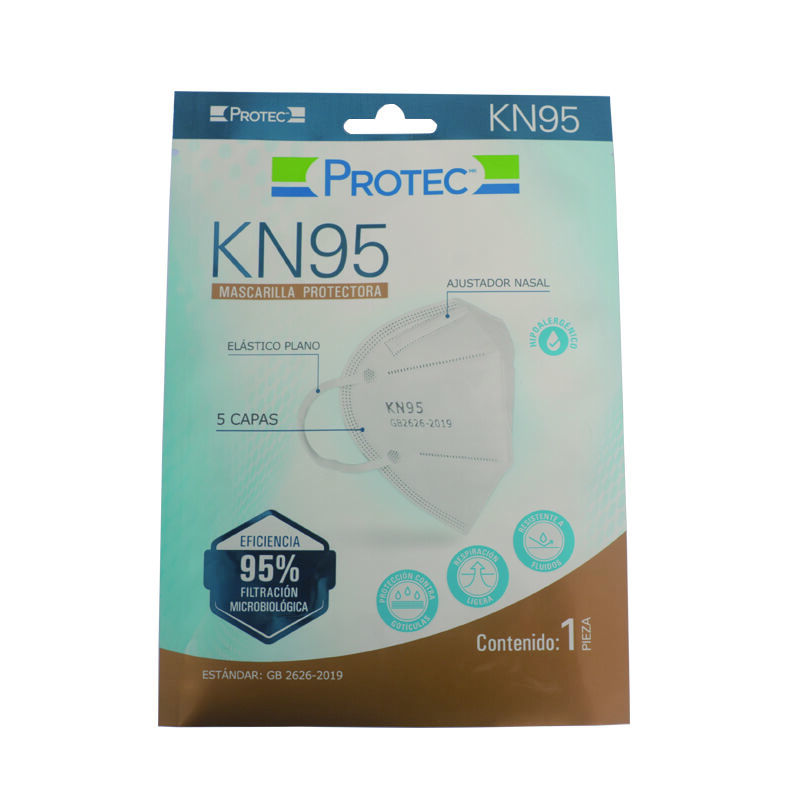
In modern manufacturing, companies are constantly seeking advanced labeling solutions that combine durability, aesthetics, and cost-effectiveness. In Mold Label technology has emerged as a revolutionary approach that transforms traditional labeling methods across multiple industries. This innovative process integrates labels directly into plastic products during the molding phase, creating seamless, permanent branding that withstands harsh conditions while maintaining visual appeal. The technique offers manufacturers unprecedented control over product appearance and performance, making it an essential consideration for businesses seeking competitive advantages in today's demanding marketplace.
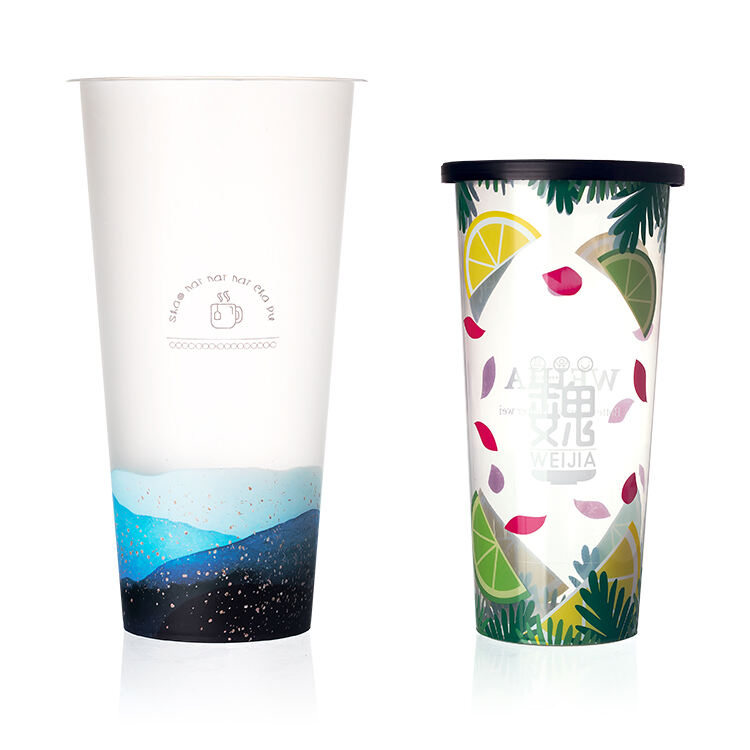
Understanding In Mold Label Technology
The Technical Process Behind In Mold Labeling
The In Mold Label process begins with precision-cut labels manufactured from specialized materials designed to fuse with molten plastic. During injection molding, these pre-printed labels are positioned within the mold cavity using robotic systems or manual placement techniques. As heated plastic material flows into the mold, it bonds with the label substrate, creating an inseparable connection between the decoration and the product surface. This molecular fusion eliminates the need for adhesives or secondary application processes, resulting in labels that cannot peel, fade, or separate from their host containers.
Temperature control plays a critical role in achieving optimal In Mold Label adhesion. The plastic material must reach specific thermal conditions to ensure proper bonding without damaging the label's printed graphics or structural integrity. Advanced monitoring systems track temperature variations throughout the molding cycle, automatically adjusting parameters to maintain consistent quality standards. This precision ensures that each finished product meets strict performance specifications while preserving the visual impact of branded elements.
Material Selection and Compatibility
Successful In Mold Label implementation depends heavily on selecting compatible materials that can withstand molding temperatures while maintaining dimensional stability. Polypropylene and polyethylene substrates are commonly used due to their excellent thermal properties and chemical resistance. These materials expand and contract at similar rates to the host plastic, preventing stress-related failures that could compromise label integrity over time. Surface treatments may be applied to enhance ink adhesion and improve print quality, ensuring vibrant graphics survive the demanding molding environment.
The ink systems used for In Mold Label printing must demonstrate exceptional heat resistance and color fastness properties. Specialized formulations incorporating UV-stable pigments and high-performance resins maintain their appearance despite exposure to elevated temperatures during the molding process. These advanced ink technologies enable the production of labels featuring complex graphics, multiple colors, and fine details that remain sharp and vibrant throughout the product's entire lifecycle.
Cosmetic Industry Applications
Premium Packaging Solutions for Beauty Products
The cosmetic industry has embraced In Mold Label technology as a means of creating luxurious packaging that reflects brand values while providing practical benefits. High-end skincare containers, makeup compacts, and fragrance bottles utilize this labeling method to achieve seamless integration between decorative elements and functional packaging. The elimination of traditional adhesive-backed labels reduces manufacturing steps while creating a more sophisticated appearance that appeals to discerning consumers. This approach allows cosmetic brands to differentiate their products in crowded retail environments through distinctive visual presentations.
Waterproof properties inherent in In Mold Label applications make them particularly valuable for cosmetic products exposed to moisture in bathroom environments. Traditional paper labels often deteriorate when subjected to steam and humidity, creating unsightly peeling and degradation that negatively impacts brand perception. In Mold Label solutions maintain their pristine appearance regardless of environmental conditions, ensuring consistent brand presentation throughout the product's useful life. This durability factor contributes significantly to customer satisfaction and repeat purchase behavior.
Regulatory Compliance and Safety Considerations
Cosmetic packaging must meet stringent regulatory requirements regarding material safety and chemical compatibility. In Mold Label systems utilize FDA-approved substrates and inks that pose no risk of migration into product formulations. This compliance eliminates concerns about contamination while providing manufacturers with documentation necessary for regulatory submissions. The permanent bonding achieved through In Mold Label processes also prevents label fragments from accidentally entering product contents, addressing potential safety hazards associated with traditional labeling methods.
Quality assurance protocols for cosmetic In Mold Label applications include comprehensive testing for skin sensitivity and chemical reactivity. These evaluations ensure that all materials used in the labeling process meet international standards for cosmetic packaging safety. Detailed documentation tracks material sources, processing conditions, and performance characteristics, providing manufacturers with complete traceability for regulatory compliance purposes.
Food and Beverage Sector Innovation
Enhancing Food Safety Through Integrated Labeling
Food packaging applications benefit significantly from In Mold Label technology's ability to eliminate contamination risks associated with adhesive applications. Traditional labels may harbor bacteria or other contaminants in adhesive layers, creating potential food safety concerns. The seamless integration achieved through In Mold Label processes eliminates these hiding places, resulting in packaging that can be thoroughly cleaned and sanitized without compromise. This characteristic makes the technology particularly valuable for dairy products, beverages, and other consumables requiring strict hygiene standards.
Temperature resistance properties of In Mold Label systems enable their use in applications requiring sterilization or pasteurization processes. Food containers labeled with this technology can withstand high-temperature treatments without label degradation or separation. This capability supports extended shelf life requirements while maintaining product identification throughout distribution and storage phases. The labels remain legible and attractive even after exposure to extreme thermal cycling conditions.
Sustainable Packaging Solutions
Environmental consciousness in food packaging has driven increased adoption of In Mold Label technology as a sustainable alternative to traditional labeling methods. The elimination of adhesive layers reduces the overall material content of packaged products while simplifying recycling processes. When containers reach end-of-life disposal, the integrated labels do not require separation from host materials, streamlining recycling operations and reducing waste generation. This environmental benefit aligns with consumer preferences for eco-friendly packaging solutions.
Biodegradable In Mold Label materials are being developed to further enhance the sustainability profile of food packaging applications. These advanced substrates break down naturally in composting environments while maintaining performance characteristics required for effective product protection and branding. The integration of renewable material sources into In Mold Label formulations supports circular economy principles while meeting demanding performance requirements for food contact applications.
Industrial Applications and Performance Benefits
Chemical Resistance in Harsh Environments
Industrial applications often subject labeled products to aggressive chemicals, extreme temperatures, and physical abuse that would quickly destroy conventional labeling systems. In Mold Label technology provides exceptional resistance to solvents, acids, bases, and other corrosive substances commonly encountered in industrial environments. This chemical immunity ensures that critical information remains legible throughout the product's operational life, supporting safety protocols and regulatory compliance requirements. The permanent bonding achieved through the molding process prevents label removal or tampering, maintaining data integrity in critical applications.
Automotive components, chemical containers, and industrial equipment benefit from In Mold Label durability characteristics that withstand years of service in demanding conditions. The labels resist UV degradation, thermal cycling, and mechanical wear that would quickly compromise traditional identification methods. This longevity reduces maintenance requirements while ensuring reliable product identification for inventory management, safety compliance, and quality control purposes.
Cost-Effectiveness and Production Efficiency
Manufacturing operations achieve significant cost savings through In Mold Label implementation by eliminating secondary labeling processes and reducing labor requirements. The integration of labeling into the molding cycle eliminates dedicated labeling stations, conveyor systems, and associated equipment maintenance costs. Production throughput increases as products emerge from molding operations with labels already applied, ready for immediate packaging or shipment. This efficiency improvement translates directly into reduced manufacturing costs and enhanced competitive positioning.
Quality control benefits associated with In Mold Label applications include reduced defect rates and improved consistency compared to post-molding labeling operations. The elimination of adhesive application variables removes potential sources of quality variation while ensuring uniform label positioning and appearance. Automated systems monitor critical parameters throughout the molding process, providing real-time feedback for process optimization and defect prevention.
Design Flexibility and Customization Options
Advanced Graphics and Visual Effects
In Mold Label technology enables sophisticated graphic designs that would be impossible to achieve with conventional labeling methods. Multi-layer constructions allow for complex visual effects including metallic finishes, holographic patterns, and gradient color transitions. These advanced capabilities support premium branding initiatives while maintaining the durability characteristics essential for demanding applications. The molding process preserves fine details and sharp edges that might be compromised during traditional label application procedures.
Textural effects can be incorporated into In Mold Label designs through specialized printing techniques and substrate modifications. Raised patterns, simulated leather textures, and other tactile elements enhance product appeal while providing functional benefits such as improved grip characteristics. These design possibilities enable manufacturers to create distinctive product identities that stand out in competitive marketplaces while maintaining practical performance requirements.
Variable Data Integration
Modern In Mold Label systems accommodate variable data printing for applications requiring unique identification codes, batch numbers, or regulatory information on individual products. Digital printing technologies integrate seamlessly with molding operations, enabling real-time customization without disrupting production flow. This capability supports traceability requirements while enabling personalized packaging solutions for consumer products. The permanent nature of In Mold Label applications ensures that variable data remains legible and tamper-evident throughout product lifecycles.
Anti-counterfeiting features can be embedded within In Mold Label constructions to protect valuable brands from unauthorized reproduction. Security inks, microtext, and other covert identification elements become permanently integrated into product packaging, providing authentication capabilities that cannot be replicated through conventional labeling methods. These security features support brand protection initiatives while enhancing consumer confidence in product authenticity.
Quality Control and Testing Protocols
Performance Validation Methods
Comprehensive testing protocols ensure that In Mold Label applications meet stringent performance requirements across diverse operating conditions. Adhesion testing evaluates bond strength between labels and host materials under various stress conditions including temperature cycling, chemical exposure, and mechanical loading. These evaluations provide quantitative data supporting material selection decisions and process parameter optimization. Accelerated aging tests simulate years of service life to predict long-term performance characteristics and identify potential failure modes.
Color fastness testing ensures that In Mold Label graphics maintain their appearance despite exposure to UV radiation, chemicals, and other environmental factors that could cause fading or discoloration. Standardized test methods provide objective measurements of color stability, enabling manufacturers to specify appropriate materials for specific application requirements. These testing protocols support quality assurance programs while providing documentation for customer specifications and regulatory submissions.
Production Monitoring Systems
Advanced monitoring systems track critical parameters throughout In Mold Label production processes, providing real-time feedback for quality control and process optimization. Temperature sensors, pressure transducers, and position feedback devices ensure that each molding cycle meets established specifications for optimal label integration. Statistical process control methods identify trends and variations that might indicate developing quality issues, enabling proactive corrective actions before defective products are produced.
Automated inspection systems utilize machine vision technology to verify In Mold Label placement, graphics quality, and dimensional accuracy on finished products. These systems operate at production speeds while providing consistent evaluation criteria that eliminate subjective quality assessments. Defective products are automatically segregated from production flow, ensuring that only conforming items reach customers while maintaining detailed records for process improvement initiatives.
Future Trends and Technological Developments
Smart Label Integration
Emerging technologies are enabling the integration of electronic components within In Mold Label constructions, creating smart packaging solutions with enhanced functionality. RFID tags, NFC chips, and other electronic devices can be embedded during the molding process, providing products with communication capabilities for inventory tracking, authentication, and consumer interaction. These smart label solutions maintain the durability characteristics of traditional In Mold Label applications while adding digital functionality that supports Internet of Things initiatives and connected product ecosystems.
Sensor integration within In Mold Label constructions enables real-time monitoring of product conditions including temperature, humidity, and tamper detection. These capabilities support cold chain management for pharmaceuticals and perishable foods while providing valuable data for supply chain optimization. The permanent integration achieved through In Mold Label processes ensures that sensor systems remain functional throughout product lifecycles without risk of accidental removal or damage.
Sustainable Material Innovations
Research and development efforts are focusing on biodegradable and renewable material systems for In Mold Label applications, addressing growing environmental concerns while maintaining performance requirements. Bio-based polymers derived from agricultural waste and other sustainable sources offer similar properties to traditional petroleum-based materials while reducing environmental impact. These innovations support circular economy principles while enabling manufacturers to meet sustainability goals without compromising product quality or performance.
Recycling optimization continues to drive material development for In Mold Label applications, with new formulations designed to enhance separation and processing efficiency in recycling facilities. Chemical recycling technologies enable the recovery and reuse of both label materials and host plastics, supporting closed-loop manufacturing systems that minimize waste generation. These advances position In Mold Label technology as a key enabler of sustainable packaging solutions across multiple industry sectors.
FAQ
What are the main advantages of In Mold Label technology over traditional labeling methods
In Mold Label technology offers several significant advantages including permanent adhesion without adhesives, resistance to moisture and chemicals, reduced production steps, and enhanced visual appeal. The labels cannot peel or separate from containers, making them ideal for harsh environments. Manufacturing efficiency improves as labeling occurs during the molding process rather than requiring separate application steps, reducing labor costs and production time.
Which industries benefit most from In Mold Label applications
Cosmetics, food and beverage, automotive, chemical, and consumer products industries derive the greatest benefits from In Mold Label technology. These sectors require durable labeling solutions that maintain appearance and functionality despite exposure to moisture, chemicals, temperature variations, and physical handling. The permanent bonding and aesthetic appeal make In Mold Label particularly valuable for premium consumer products and safety-critical industrial applications.
How does In Mold Label technology impact recycling processes
In Mold Label systems actually simplify recycling by eliminating adhesive layers and creating homogeneous material compositions. The labels bond permanently with host materials, eliminating the need for separation during recycling operations. Modern formulations use compatible materials that process together efficiently, supporting circular economy principles. Some manufacturers are developing biodegradable options that further enhance environmental sustainability.
What quality control measures ensure consistent In Mold Label performance
Quality control for In Mold Label applications includes material testing, process monitoring, and finished product inspection. Adhesion testing, color fastness evaluation, and environmental resistance testing validate material performance. Production monitoring systems track temperature, pressure, and timing parameters to ensure optimal bonding conditions. Automated inspection systems verify label placement and graphics quality on every product, maintaining consistent quality standards throughout production runs.