 EN
EN


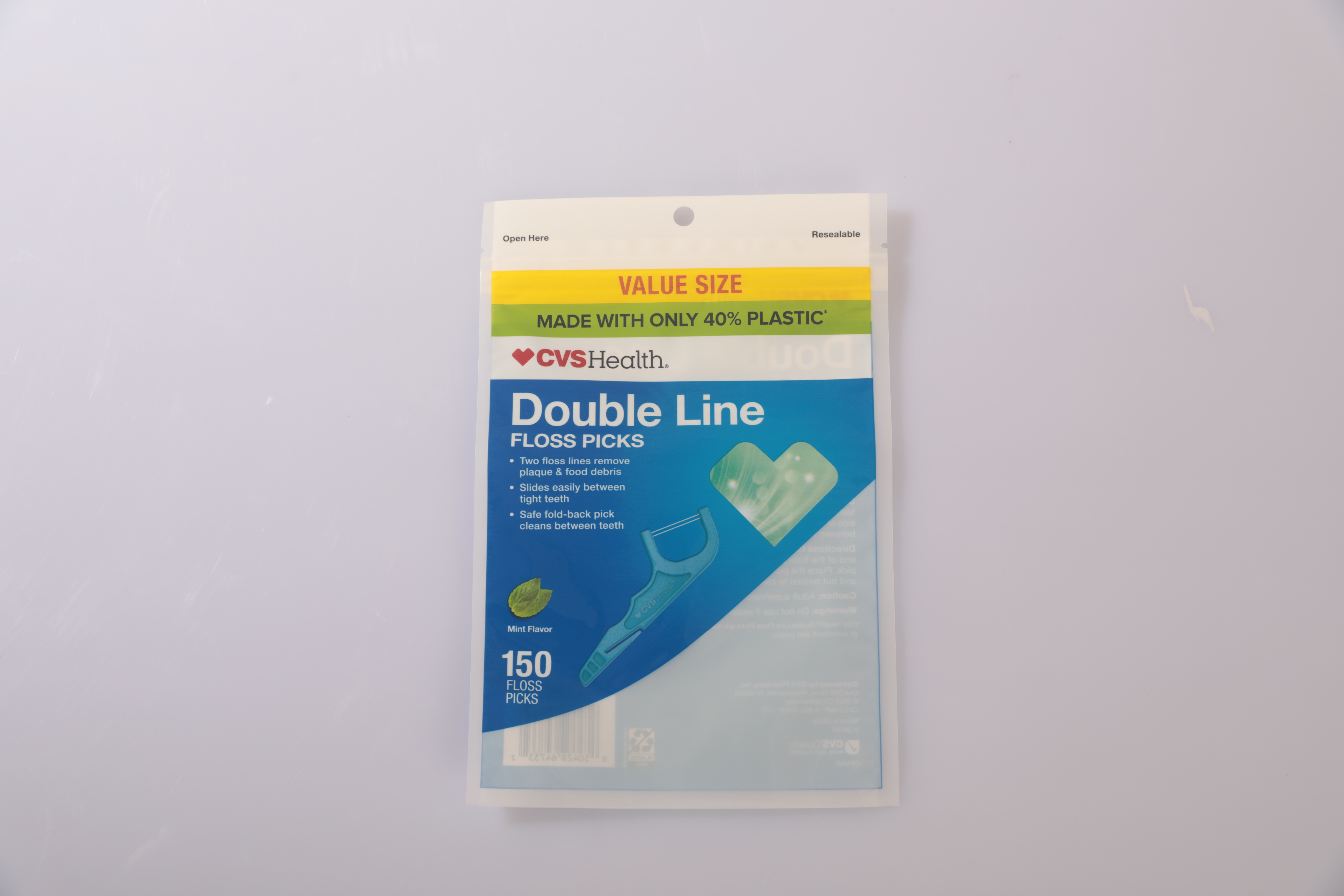
The modern food industry relies heavily on sophisticated packaging solutions to ensure product safety, extend shelf life, and maintain consumer appeal. Understanding the various materials used in food packaging bag manufacturing is crucial for businesses seeking optimal protection for their products. Each material offers distinct properties that make it suitable for specific applications, from moisture barriers to oxygen protection and temperature resistance.
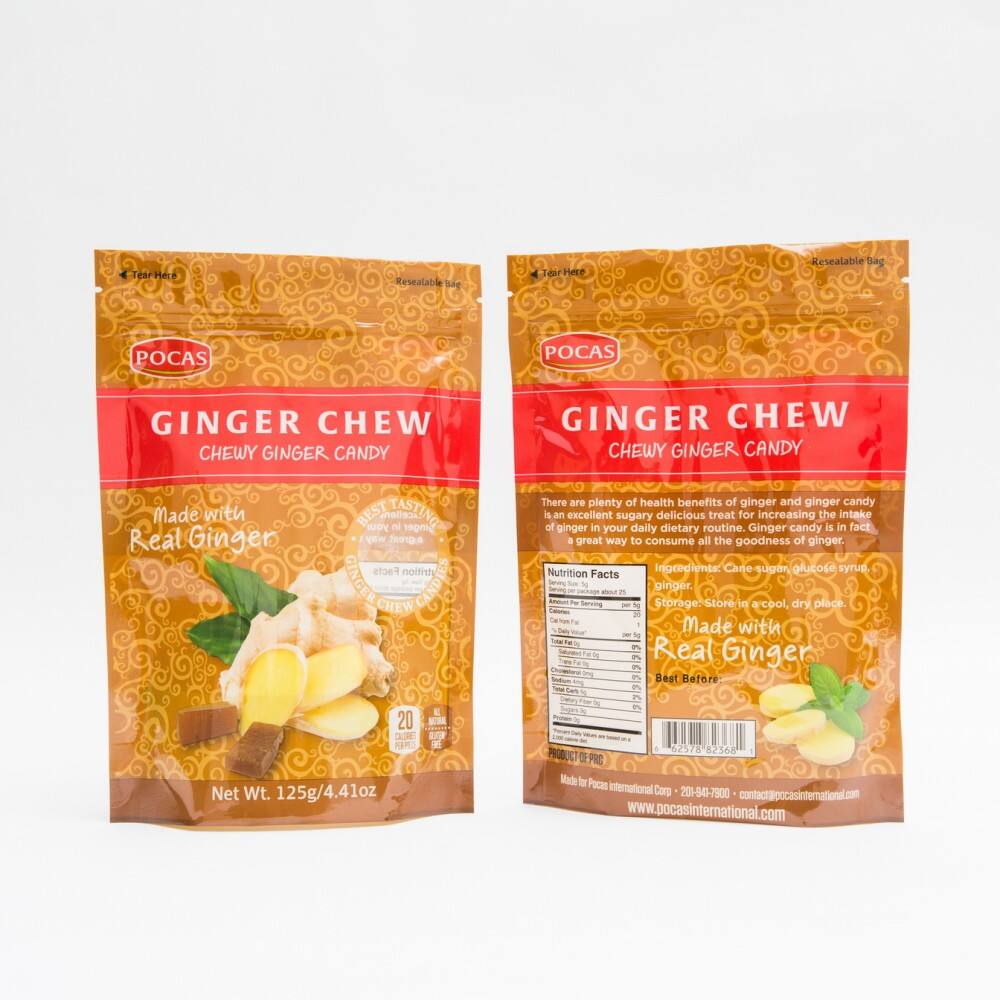
Material selection directly impacts product integrity, consumer safety, and overall market success. The complexity of modern food packaging requires careful consideration of multiple factors including barrier properties, mechanical strength, chemical resistance, and regulatory compliance. This comprehensive analysis explores the most commonly used materials in food packaging bag production, providing insights into their unique characteristics and optimal applications.
Polyethylene Materials in Food Packaging Applications
Low-Density Polyethylene Properties and Uses
Low-density polyethylene represents one of the most versatile materials in food packaging bag construction. Its excellent flexibility and transparency make it ideal for applications requiring visual product inspection. The material exhibits superior puncture resistance and maintains integrity across varying temperature ranges. Food packaging bag manufacturers frequently utilize LDPE for fresh produce, baked goods, and frozen items due to its reliable sealing properties.
The chemical inertness of LDPE ensures minimal interaction with food contents, maintaining product flavor and nutritional value. Manufacturing processes benefit from LDPE's excellent processability, allowing for efficient production of various bag styles including stand-up pouches, gusseted bags, and simple flat pouches. Temperature tolerance ranges from -40°C to 80°C, making it suitable for both frozen and ambient storage applications.
High-Density Polyethylene Advantages
High-density polyethylene offers enhanced strength characteristics compared to its low-density counterpart, making it preferable for heavy-duty food packaging bag applications. The material provides excellent moisture barrier properties, essential for dry goods like cereals, nuts, and powdered products. HDPE's superior chemical resistance ensures compatibility with acidic foods and cleaning agents used in food processing facilities.
The recyclability of HDPE aligns with growing environmental sustainability requirements in food packaging. Manufacturing efficiency remains high due to HDPE's consistent processing characteristics and reduced material thickness requirements. Cost-effectiveness combined with reliable performance makes HDPE a preferred choice for high-volume food packaging bag production.
Polypropylene Solutions for Food Protection
Cast Polypropylene Film Characteristics
Cast polypropylene film delivers exceptional clarity and gloss, enhancing product presentation in retail environments. The material exhibits excellent heat resistance, withstanding temperatures up to 120°C without degradation. Food packaging bag applications benefit from CPP's superior seal strength and puncture resistance. The low water vapor transmission rate provides adequate moisture protection for intermediate-shelf-life products.
Processing versatility allows for various printing techniques, enabling high-quality graphics and branding elements. The material's conformability ensures proper fit around irregular-shaped products, reducing air pockets that could compromise product quality. Chemical stability prevents flavor transfer and odor absorption, maintaining product integrity throughout storage and distribution.
Biaxially Oriented Polypropylene Benefits
Biaxially oriented polypropylene provides enhanced mechanical properties through molecular orientation during manufacturing. The material offers superior tensile strength and dimensional stability, crucial for automated packaging operations. Food packaging bag designs utilizing BOPP demonstrate excellent printability and optical properties, supporting premium product presentations.
Barrier properties of BOPP can be significantly enhanced through metallization or coating applications, creating high-performance food packaging bag solutions. The material's low density reduces packaging weight while maintaining structural integrity. Temperature resistance and chemical compatibility make BOPP suitable for various food categories including snacks, confectionery, and fresh produce.
Polyethylene Terephthalate Engineering Properties
PET Film Barrier Performance
Polyethylene terephthalate delivers exceptional barrier properties against oxygen, carbon dioxide, and aromatic compounds. These characteristics make PET essential for food packaging bag applications requiring extended shelf life. The material's low permeability rates significantly reduce oxidative degradation and flavor loss in sensitive products like coffee, tea, and spices.
Thermal stability allows PET to withstand sterilization processes including retort applications up to 121°C. The material maintains dimensional stability under varying environmental conditions, ensuring consistent packaging performance. Chemical resistance prevents degradation when exposed to organic acids and oils commonly found in processed foods.
Crystalline and Amorphous PET Applications
Crystalline PET structures provide enhanced heat resistance and dimensional stability for food packaging bag applications requiring thermal processing. The material's clarity allows for visual product inspection while maintaining structural integrity. Processing advantages include excellent thermoforming characteristics and consistent seal performance across varying production conditions.
Amorphous PET offers superior clarity and impact resistance, making it suitable for premium food packaging bag designs. The material's barrier properties can be further enhanced through specialized coatings or multilayer constructions. Environmental considerations benefit from PET's recyclability and reduced material usage through optimized wall thickness design.
Aluminum Foil Composite Structures
Pure Aluminum Barrier Excellence
Aluminum foil provides unmatched barrier performance against light, oxygen, moisture, and aromatic compounds in food packaging bag construction. The material's impermeability ensures maximum product protection for sensitive items requiring extended shelf life. Light barrier properties prevent photodegradation of vitamins and natural colors in packaged foods.
Thermal conductivity enables efficient heat transfer during sterilization processes while maintaining structural integrity. The material's malleability allows for complex package shapes and enhanced product presentation. Food packaging bag designs incorporating aluminum foil demonstrate superior protection against external contamination and environmental factors.
Laminated Aluminum Structures
Laminated aluminum constructions combine foil barrier properties with polymer functionality, creating versatile food packaging bag solutions. The integration of aluminum with plastic substrates provides mechanical strength while maintaining excellent barrier characteristics. Multi-layer structures enable customized performance profiles for specific food categories and storage requirements.
Processing capabilities include high-speed converting and advanced printing techniques for premium brand presentation. The combination of materials allows for optimized thickness distribution, reducing overall package weight while maintaining protection levels. Sealing performance remains consistent across varying environmental conditions and production parameters.
Advanced Composite Material Systems
Multi-Layer Barrier Technologies
Multi-layer composite structures represent the pinnacle of food packaging bag technology, combining complementary material properties to achieve superior performance. These systems typically integrate barrier layers, structural components, and sealant materials to create comprehensive protection systems. Advanced coextrusion and lamination techniques enable precise control over individual layer properties and overall package performance.
Ethylene vinyl alcohol copolymers serve as high-barrier layers in sophisticated food packaging bag constructions, providing exceptional oxygen protection for sensitive products. The integration of EVOH with polyolefin structures creates cost-effective solutions with enhanced shelf life capabilities. Processing considerations include adhesion promotion and thermal compatibility across all layer interfaces.
Specialty Coating Applications
Specialized coatings enhance base material properties without significantly increasing package complexity or cost. Silicon oxide and aluminum oxide coatings provide transparent barrier enhancement for food packaging bag applications requiring visual appeal. These nano-scale coatings maintain substrate flexibility while dramatically improving gas and moisture barrier performance.
Anti-fog coatings prevent condensation buildup on package interiors, maintaining product visibility and preventing moisture-related quality issues. The application of these functional coatings requires precise process control to ensure uniform coverage and adhesion. Environmental stability ensures coating performance throughout product distribution and storage cycles.
Material Selection Criteria and Decision Framework
Performance Requirements Assessment
Selecting appropriate materials for food packaging bag applications requires comprehensive analysis of product characteristics, storage conditions, and distribution requirements. Barrier property requirements vary significantly between product categories, with dry goods requiring moisture protection and fresh products needing oxygen barriers. Mechanical property considerations include puncture resistance, seal strength, and dimensional stability under varying conditions.
Temperature exposure during processing, storage, and distribution influences material selection decisions significantly. Frozen food applications demand materials maintaining flexibility at sub-zero temperatures, while retort applications require thermal stability above 120°C. Chemical compatibility ensures no adverse interactions between packaging materials and food components occur during extended storage periods.
Regulatory Compliance and Safety Standards
Food contact regulations govern material selection for food packaging bag applications, requiring compliance with FDA, EU, and other regional standards. Migration testing ensures packaging components do not transfer harmful substances to food products under normal usage conditions. Documentation requirements include material certificates, migration test results, and manufacturing process validations.
Quality assurance protocols verify consistent material performance and regulatory compliance throughout production. Traceability systems enable rapid response to potential quality issues and facilitate regulatory audits. Supplier qualification processes ensure reliable material sources and consistent quality standards across all food packaging bag production activities.
Environmental Impact and Sustainability Considerations
Recyclability and Waste Management
Environmental sustainability increasingly influences food packaging bag material selection decisions as consumers and regulations demand reduced environmental impact. Single-material constructions facilitate recycling processes, while complex laminates present challenges for waste stream management. Design for recyclability principles encourage material choices that align with existing recycling infrastructure capabilities.
Life cycle assessments provide comprehensive analysis of environmental impacts from raw material extraction through end-of-life disposal. Reduced material usage through optimized design minimizes environmental footprint while maintaining protection performance. Renewable content integration offers opportunities for reduced fossil fuel dependence in food packaging bag production.
Biodegradable and Compostable Options
Biodegradable materials present emerging opportunities for food packaging bag applications in specific market segments. Polylactic acid and other bio-based polymers offer compostability while maintaining adequate barrier and mechanical properties for suitable applications. Processing challenges include temperature sensitivity and limited barrier performance compared to conventional materials.
Certification standards ensure biodegradable materials meet composting facility requirements and timeline specifications. Cost considerations often limit biodegradable material adoption to premium product segments and specific environmental applications. Performance limitations require careful application assessment to ensure food safety and quality requirements are maintained throughout product shelf life.
FAQ
What factors determine the best material choice for a specific food packaging bag application
Material selection depends primarily on the food product's sensitivity to oxygen, moisture, and light, along with required shelf life and storage conditions. Processing requirements such as heat sealing temperatures, filling speeds, and sterilization needs significantly influence material choice. Cost considerations must balance material performance with economic viability for the target market segment.
How do barrier properties affect food packaging bag performance
Barrier properties determine how effectively a food packaging bag protects contents from environmental factors that cause quality degradation. Oxygen barriers prevent oxidative reactions that affect flavor, color, and nutritional value. Moisture barriers protect dry products from humidity absorption and prevent spoilage in sensitive items. Light barriers preserve photosensitive compounds and maintain product appearance.
Can different materials be combined in a single food packaging bag structure
Multi-layer constructions commonly combine different materials to achieve optimal performance characteristics impossible with single materials alone. Lamination and coextrusion processes enable integration of barrier layers, structural components, and sealant materials in unified structures. Compatibility between materials requires careful selection to ensure proper adhesion and processing characteristics throughout the food packaging bag manufacturing process.
What regulatory considerations apply to food packaging bag materials
All food packaging bag materials must comply with food contact regulations in their intended markets, including FDA approval in the United States and EU regulations in Europe. Migration testing verifies that materials do not transfer harmful substances to food under normal usage conditions. Documentation requirements include material safety data sheets, compliance certificates, and migration test results for regulatory approval and customer verification.
Table of Contents
- Polyethylene Materials in Food Packaging Applications
- Polypropylene Solutions for Food Protection
- Polyethylene Terephthalate Engineering Properties
- Aluminum Foil Composite Structures
- Advanced Composite Material Systems
- Material Selection Criteria and Decision Framework
- Environmental Impact and Sustainability Considerations
-
FAQ
- What factors determine the best material choice for a specific food packaging bag application
- How do barrier properties affect food packaging bag performance
- Can different materials be combined in a single food packaging bag structure
- What regulatory considerations apply to food packaging bag materials