 EN
EN



The textile and garment decoration industry relies heavily on advanced equipment to achieve professional-quality results. Among the most critical pieces of equipment are flatbed heat presses and rotary heat transfer machines, each serving distinct purposes in the production workflow. Understanding the fundamental differences between these two types of heat transfer machine technologies is essential for manufacturers, print shops, and businesses looking to optimize their production capabilities. The choice between flatbed and rotary systems can significantly impact productivity, quality, and operational efficiency across various applications.
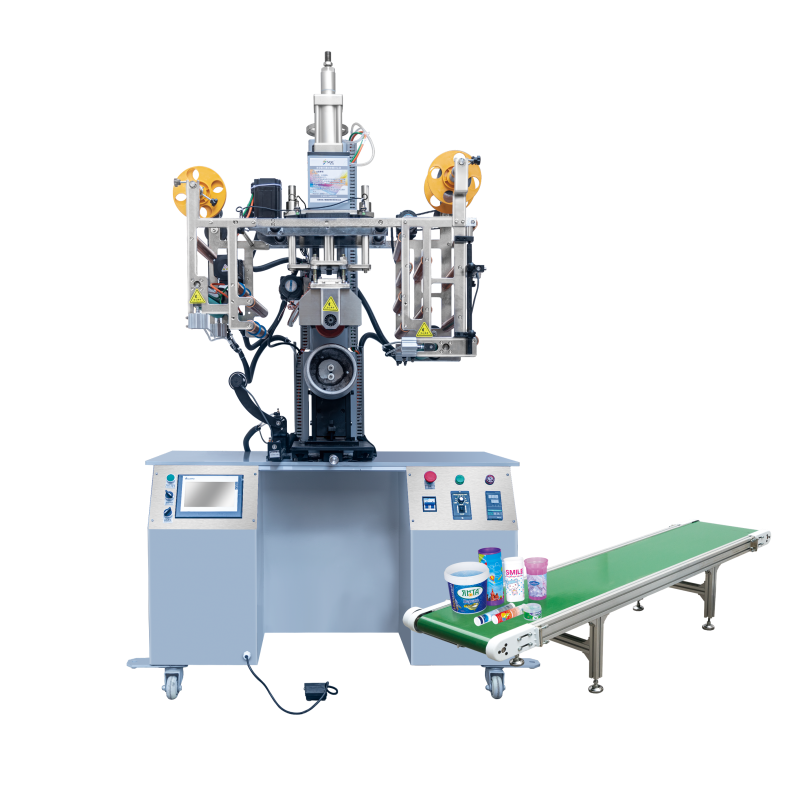
Understanding Flatbed Heat Press Technology
Core Design Principles
Flatbed heat presses represent the traditional approach to heat transfer applications, featuring a flat, stationary heating platen that applies pressure and heat to materials placed on a corresponding flat bed. This heat transfer machine design utilizes direct contact methods where the substrate and transfer material are positioned between two flat surfaces. The heating element typically resides in the upper platen, while the lower bed provides stable support and counter-pressure. Temperature control systems maintain consistent heat distribution across the entire surface area, ensuring uniform transfer results.
The mechanical operation relies on pneumatic or hydraulic systems to generate the necessary pressure for effective heat transfer. Most flatbed systems incorporate adjustable pressure settings, allowing operators to customize the force applied based on substrate thickness and transfer material requirements. Digital temperature controllers provide precise thermal management, while timer functions ensure consistent dwell times for repeatable results. These foundational elements make flatbed heat presses suitable for a wide range of applications requiring precise control over heat, pressure, and timing parameters.
Application Versatility
Flatbed heat transfer machines excel in applications requiring precise positioning and detailed graphics transfer. Their design accommodates various substrate types, including flat textiles, rigid materials, and irregularly shaped items that can be flattened during the transfer process. Common applications include t-shirt printing, promotional product decoration, vinyl graphics application, and specialty textile treatments. The flat surface design allows for easy positioning of transfer materials and provides clear visibility of the work area during setup and operation.
These machines particularly shine when working with heat transfer vinyl, sublimation papers, and adhesive-backed graphics that require precise alignment. The ability to apply consistent pressure across the entire surface area makes flatbed systems ideal for large format transfers and applications where edge quality is critical. Many flatbed heat transfer machine models can accommodate interchangeable platens, expanding their versatility to handle different product sizes and specialized applications such as cap pressing or plate decoration.
Rotary Heat Transfer Machine Fundamentals
Continuous Processing Design
Rotary heat transfer machines utilize a fundamentally different approach, employing cylindrical heated drums or rollers to apply heat and pressure continuously as materials pass through the system. This design enables continuous processing rather than the batch-style operation characteristic of flatbed systems. The heated drum rotates against a pressure roller, creating a nip point where heat and pressure are applied to the passing substrate and transfer material. This continuous motion allows for higher production volumes and more consistent processing speeds.
The cylindrical heating surface provides uniform heat distribution around its circumference, while adjustable pressure systems ensure consistent contact pressure throughout the transfer process. Variable speed controls allow operators to optimize processing speeds based on material types and transfer requirements. Temperature regulation systems maintain precise thermal conditions across the drum surface, ensuring consistent transfer quality regardless of production volume. This continuous processing capability makes rotary systems particularly valuable in high-volume manufacturing environments.
Production Efficiency Advantages
The continuous operation nature of rotary heat transfer machines provides significant efficiency advantages in appropriate applications. Unlike flatbed systems that require loading, processing, and unloading cycles, rotary machines can process materials continuously, dramatically reducing cycle times for suitable products. This efficiency translates to higher throughput rates and lower per-unit processing costs in volume production scenarios. The ability to process long lengths of material without interruption makes rotary systems ideal for continuous web materials and roll-to-roll applications.
Material handling becomes more streamlined with rotary systems, as continuous feeding mechanisms can be integrated to minimize operator intervention. Automated material handling systems can feed substrates and transfer materials into the machine while simultaneously collecting finished products, creating an efficient production line. This automation capability significantly reduces labor requirements and improves consistency by minimizing human variables in the transfer process. The result is a heat transfer machine solution that maximizes productivity while maintaining quality standards.
Key Technical Differences
Heat Application Methods
The fundamental difference in heat application between flatbed and rotary systems affects transfer quality and material compatibility. Flatbed heat transfer machines apply heat through direct contact over a specific dwell time, allowing for deep heat penetration and strong adhesive activation. This method works particularly well with thick substrates and transfer materials requiring extended heat exposure. The stationary nature allows for precise temperature control and uniform heat distribution across the entire contact area.
Rotary systems apply heat through brief, high-intensity contact as materials pass through the nip point. This rapid heat application method requires higher temperatures to achieve equivalent results compared to flatbed systems, but the continuous motion prevents overheating of heat-sensitive materials. The brief contact time makes rotary systems suitable for thin substrates and applications where minimizing heat exposure is important. Understanding these heat application differences is crucial for selecting the appropriate Heat Transfer Machine for specific applications.
Pressure Distribution Characteristics
Pressure application varies significantly between flatbed and rotary heat transfer machine designs, impacting transfer quality and material handling capabilities. Flatbed systems distribute pressure evenly across the entire surface area simultaneously, ensuring consistent compression of all transfer elements. This uniform pressure distribution is particularly beneficial for detailed graphics with fine lines or small text elements that require precise adhesive activation. The ability to maintain consistent pressure for extended periods allows for complete adhesive curing and strong bond formation.
Rotary machines apply pressure in a linear fashion as materials progress through the nip point. While the pressure intensity can be quite high at the contact line, the brief application time requires careful coordination with heat and speed parameters. This linear pressure application can be advantageous for materials that might be damaged by extended compression, but may require multiple passes for optimal transfer quality on certain applications. The pressure characteristics of each system type must be matched to specific transfer material requirements for optimal results.
Material Compatibility Considerations
Substrate Thickness Limitations
Substrate thickness capabilities differ significantly between flatbed and rotary heat transfer machine systems, affecting their suitability for various applications. Flatbed systems typically accommodate a wider range of substrate thicknesses due to their adjustable platen gap and flexible pressure systems. Thick materials such as heavy textiles, composite panels, or layered constructions can be processed effectively with appropriate pressure adjustments. The parallel plate design maintains even contact regardless of substrate thickness variations within the machine's capacity range.
Rotary systems generally work best with relatively thin, flexible substrates that can conform to the curved drum surface and pass through the nip point without excessive force. Thick or rigid materials may not achieve proper contact with the heated drum surface, resulting in incomplete transfers or potential damage to the equipment. However, rotary machines excel with continuous web materials and thin flexible substrates where their processing efficiency advantages can be fully realized. Material thickness compatibility should be carefully evaluated when selecting between these heat transfer machine types.
Surface Texture Requirements
Surface texture compatibility represents another critical consideration when choosing between flatbed and rotary heat transfer machines. Flatbed systems can accommodate textured surfaces more effectively due to their ability to conform to surface irregularities through pressure adjustment and extended dwell times. Textured fabrics, embossed materials, and surfaces with minor irregularities can achieve good transfer results with appropriate pressure settings. The flat platen design allows for some surface deformation to ensure complete contact between transfer materials and substrates.
Rotary machines require relatively smooth surfaces for optimal contact with the curved drum surface. Textured or irregular surfaces may not achieve consistent contact pressure, leading to uneven transfer quality or incomplete adhesive activation. However, rotary systems can handle slight surface variations if materials are sufficiently flexible to conform to the drum curvature. The continuous processing advantage of rotary machines may outweigh surface texture limitations in applications where smooth substrates are standard and high throughput is prioritized.
Production Volume Implications
Batch Processing Limitations
Production volume requirements significantly influence the choice between flatbed and rotary heat transfer machine options. Flatbed systems operate in batch mode, processing individual items or small quantities in each cycle. This batch processing approach works well for custom orders, prototype development, and applications requiring frequent setup changes. However, batch processing inherently limits throughput capacity, as each cycle includes loading time, processing time, and unloading time before the next batch can begin.
The cycle time for flatbed systems depends on transfer material requirements, substrate characteristics, and operator efficiency. While individual cycle times may be relatively short, the cumulative effect of repeated loading and unloading operations can significantly impact overall productivity in high-volume scenarios. Additionally, batch processing requires more operator involvement, increasing labor costs and introducing potential variability based on operator skill and consistency. These factors must be weighed against the flexibility and precision advantages that flatbed heat transfer machines provide.
Continuous Production Benefits
Rotary heat transfer machines offer substantial advantages in continuous production environments where high throughput is essential. The continuous processing capability eliminates the loading and unloading delays associated with batch systems, allowing for steady material flow and consistent production rates. This continuous operation can result in throughput rates several times higher than equivalent flatbed systems, making rotary machines attractive for volume manufacturing applications.
The efficiency gains from continuous processing extend beyond simple speed improvements. Consistent material flow reduces operator fatigue and minimizes handling-related quality issues. Automated material feeding and collection systems can be integrated more easily with continuous rotary operations, further reducing labor requirements and improving overall system efficiency. However, these benefits are most pronounced when processing similar products in extended runs, as setup changes and short runs may negate some of the efficiency advantages of rotary heat transfer machine systems.
Quality Control Factors
Transfer Consistency Standards
Quality control capabilities differ between flatbed and rotary heat transfer machine systems, affecting their suitability for applications with stringent quality requirements. Flatbed systems provide excellent transfer consistency due to their precise control over heat, pressure, and time parameters. The stationary processing environment allows for careful monitoring and adjustment of conditions for each transfer, enabling consistent results across production runs. Visual inspection capabilities during setup and processing help operators identify and correct quality issues before they affect multiple units.
Temperature uniformity across the platen surface can be maintained more easily in flatbed systems, as the heating element design can be optimized for even heat distribution. Pressure consistency is also more controllable, as the parallel plate design ensures uniform force application across the entire transfer area. These factors contribute to predictable transfer quality and make flatbed systems suitable for applications where visual quality and consistency are paramount, such as promotional products or custom apparel where each piece must meet high standards.
Process Monitoring Capabilities
Process monitoring and quality assurance capabilities vary significantly between flatbed and rotary heat transfer machine designs. Flatbed systems allow for real-time observation of the transfer process, enabling operators to make immediate adjustments if quality issues are detected. The ability to stop and inspect transfers mid-process provides valuable quality control opportunities, particularly during initial setup or when processing new materials. Digital monitoring systems can track temperature, pressure, and time parameters for each cycle, creating detailed process records for quality documentation.
Rotary systems require different quality monitoring approaches due to their continuous operation nature. While direct visual monitoring of individual transfers is more challenging, integrated sensor systems can provide continuous monitoring of critical parameters such as temperature, pressure, and speed. Advanced rotary machines may include web inspection systems or sampling protocols to ensure consistent quality throughout production runs. The continuous nature of rotary processing requires more sophisticated quality control systems but can provide statistical process control benefits when properly implemented.
Economic Analysis
Initial Investment Considerations
The initial investment requirements for flatbed and rotary heat transfer machines vary significantly based on complexity, capacity, and feature requirements. Flatbed systems generally have lower entry-level costs, making them accessible for smaller operations or businesses beginning heat transfer operations. Basic flatbed heat transfer machine models can provide professional-quality results at relatively modest investment levels, while advanced systems with automated features and larger capacity command higher prices proportional to their capabilities.
Rotary systems typically require higher initial investments due to their more complex mechanical systems, precision manufacturing requirements, and often larger physical footprints. The continuous processing mechanisms, heated drum systems, and associated control electronics contribute to higher manufacturing costs that are reflected in purchase prices. However, the higher initial investment may be justified by increased productivity capabilities and lower per-unit processing costs in appropriate applications. Investment analysis should consider total cost of ownership including productivity benefits rather than just initial purchase price.
Operating Cost Analysis
Operating costs differ substantially between flatbed and rotary heat transfer machine systems due to variations in energy consumption, maintenance requirements, and labor needs. Flatbed systems typically consume energy in discrete cycles, with heating elements active only during processing periods. This intermittent energy usage can result in lower overall energy consumption for low to medium volume operations. However, the batch processing nature requires more operator time per unit processed, increasing labor costs in volume production scenarios.
Rotary machines often have higher continuous energy consumption due to maintaining heated drums at operating temperature, but the increased throughput can result in lower energy cost per unit processed. The continuous operation reduces labor requirements per unit, potentially providing significant cost advantages in high-volume applications. Maintenance costs may be higher for rotary systems due to more complex mechanical components and the continuous operation duty cycle. A comprehensive operating cost analysis should consider energy, labor, maintenance, and productivity factors to determine the most economical heat transfer machine choice for specific applications.
FAQ
What are the main factors to consider when choosing between flatbed and rotary heat transfer machines
The primary factors include production volume requirements, substrate material characteristics, transfer quality standards, and available budget. Flatbed systems excel in applications requiring precise positioning, handling various substrate thicknesses, and providing superior quality control for custom or low-volume work. Rotary systems are better suited for high-volume continuous production with thin, flexible substrates where throughput efficiency is prioritized. Consider your specific application needs, including material compatibility, quality requirements, and production volume projections when making this decision.
Can both types of machines handle the same transfer materials
While both flatbed and rotary heat transfer machines can process many common transfer materials such as vinyl graphics and sublimation papers, their effectiveness varies based on material characteristics and application requirements. Flatbed systems generally provide better results with thick transfer materials, detailed graphics requiring precise registration, and applications needing extended heat exposure. Rotary systems work well with thin transfer films designed for rapid processing and continuous web applications. Some specialized transfer materials may be optimized specifically for one system type or the other.
How do maintenance requirements differ between these machine types
Flatbed heat transfer machines typically have simpler maintenance requirements due to fewer moving parts and intermittent operation cycles. Routine maintenance includes platen cleaning, heating element inspection, and pressure system calibration. Rotary systems require more comprehensive maintenance due to continuous operation and complex mechanical components including drum surface care, bearing lubrication, pressure roller adjustment, and drive system maintenance. Both systems benefit from regular calibration of temperature and pressure controls, but rotary machines may require more frequent professional service due to their operational complexity.
Which system provides better return on investment for small businesses
For small businesses, flatbed heat transfer machines often provide better return on investment due to lower initial costs, versatility in handling diverse applications, and manageable learning curves for operators. The ability to process various product types with a single machine makes flatbed systems attractive for businesses serving diverse customer needs. However, businesses with high-volume, consistent product requirements may achieve better returns with rotary systems despite higher initial investments. The optimal choice depends on specific business models, customer requirements, and growth projections rather than business size alone.
Table of Contents
- Understanding Flatbed Heat Press Technology
- Rotary Heat Transfer Machine Fundamentals
- Key Technical Differences
- Material Compatibility Considerations
- Production Volume Implications
- Quality Control Factors
- Economic Analysis
-
FAQ
- What are the main factors to consider when choosing between flatbed and rotary heat transfer machines
- Can both types of machines handle the same transfer materials
- How do maintenance requirements differ between these machine types
- Which system provides better return on investment for small businesses