 EN
EN


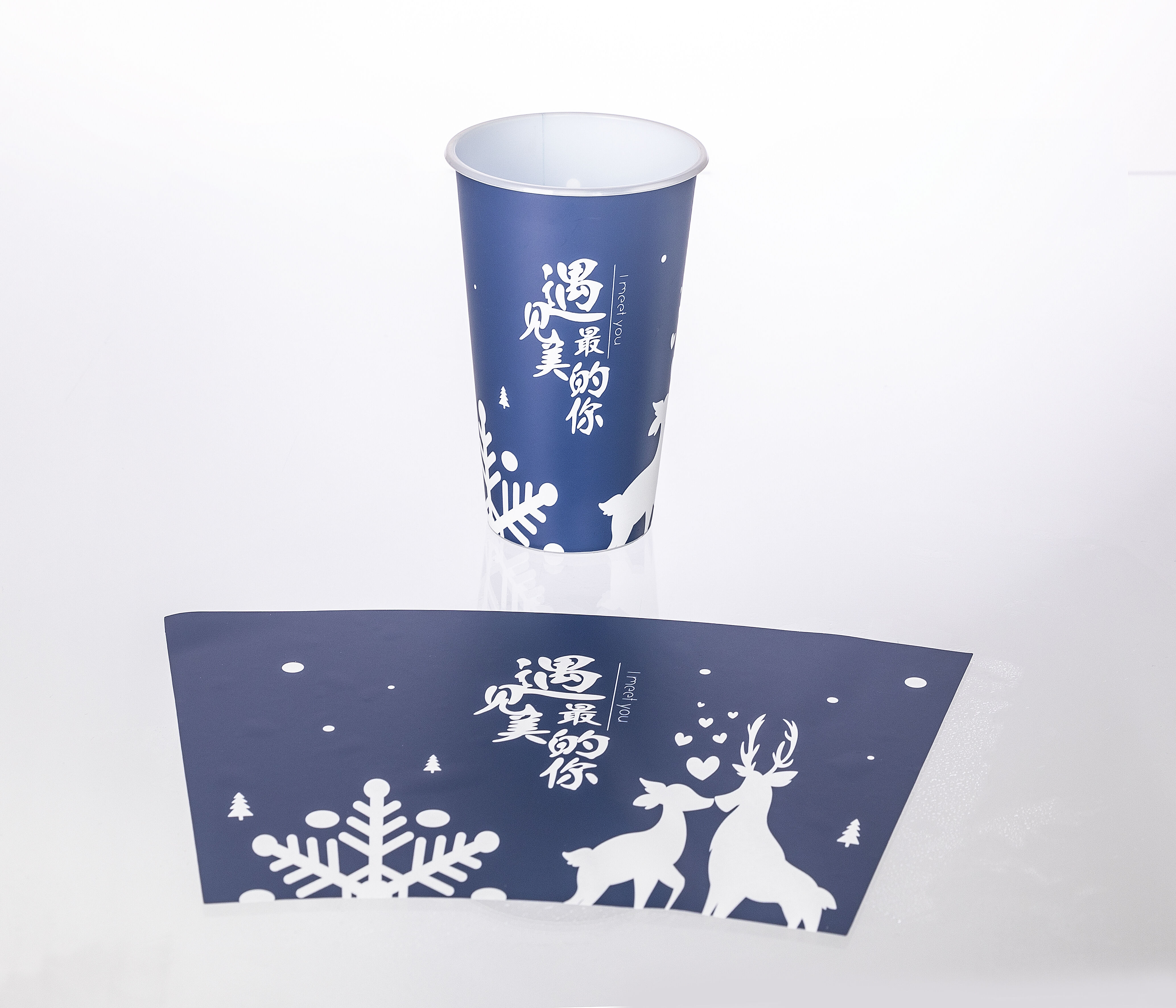
Heat transfer film represents one of the most versatile and efficient methods for applying decorative finishes and protective coatings to various substrates in modern manufacturing. This innovative material has revolutionized how industries approach surface decoration, offering superior adhesion, durability, and aesthetic appeal compared to traditional coating methods. Understanding the fundamental principles behind heat transfer film technology is essential for manufacturers seeking to optimize their production processes and achieve consistent, high-quality results.
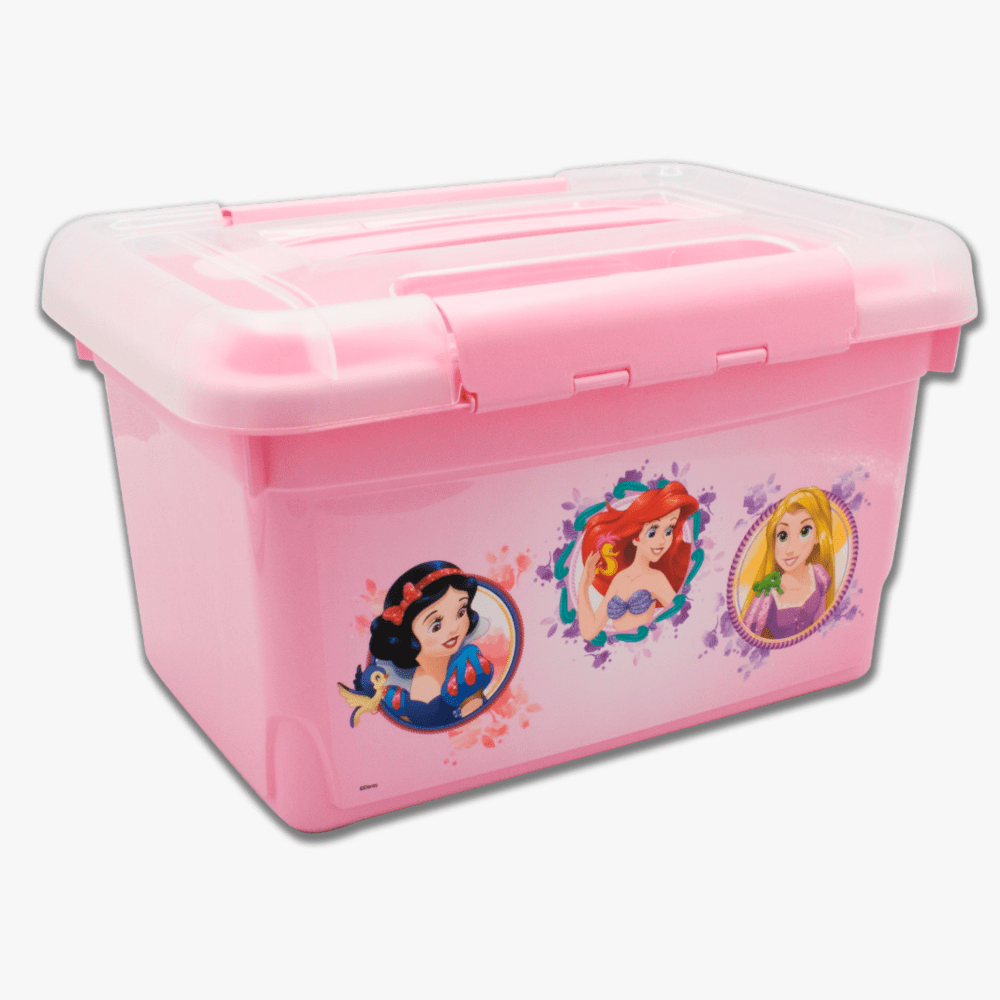
The heat transfer film process involves the strategic application of controlled temperature and pressure to create permanent bonds between decorative films and target substrates. This thermally activated adhesion mechanism enables manufacturers to achieve complex patterns, textures, and finishes that would be difficult or impossible to accomplish through conventional printing or coating techniques. The technology has found widespread adoption across automotive, electronics, appliance, and consumer goods industries.
Fundamental Principles of Heat Transfer Technology
Thermoplastic Adhesion Mechanisms
The core principle underlying heat transfer film functionality relies on thermoplastic polymer behavior under controlled thermal conditions. When heat transfer film is exposed to specific temperature ranges, typically between 150°C to 200°C, the adhesive layer transitions from a solid state to a viscous, flowable condition. This thermal activation enables the adhesive to penetrate microscopic surface irregularities and establish mechanical interlocking with the substrate material.
During this critical phase, molecular chains within the adhesive system become highly mobile, allowing for optimal wetting and contact with the substrate surface. The thermoplastic nature of the adhesive ensures that upon cooling, the bond becomes permanent and highly resistant to environmental stressors. This mechanism distinguishes heat transfer film from pressure-sensitive adhesives, which rely primarily on tackiness rather than thermal activation.
Pressure Distribution and Contact Optimization
Effective heat transfer film application requires precise pressure control to ensure uniform contact between the film and substrate surfaces. Typical pressure requirements range from 2 to 6 bar, depending on substrate material properties and surface texture characteristics. The pressure application must be maintained throughout the heating cycle to prevent air entrapment and ensure complete film conformability to complex geometries.
Advanced heat transfer systems incorporate pneumatic or hydraulic pressure control mechanisms that can adapt to varying substrate thicknesses and surface irregularities. The pressure profile often includes an initial contact phase at lower pressures, followed by increased pressure during peak temperature exposure, and gradual release during the cooling cycle. This controlled approach minimizes substrate deformation while maximizing bond strength.
Material Composition and Layer Structure
Carrier Film Technology
Modern heat transfer film typically consists of multiple specialized layers, each serving specific functional requirements. The carrier film, usually composed of polyethylene terephthalate or similar thermally stable polymers, provides dimensional stability and handling characteristics during the transfer process. This layer must exhibit excellent thermal resistance to withstand processing temperatures without degradation or dimensional changes.
The carrier film thickness generally ranges from 12 to 50 microns, with thinner films offering better conformability to curved surfaces and thicker films providing enhanced handling durability. Surface treatments on the carrier film, such as corona discharge or plasma treatments, can improve adhesion to subsequent layers while maintaining easy release characteristics after transfer completion.
Adhesive System Formulation
The adhesive layer represents the most critical component of heat transfer film, determining both processing characteristics and final bond performance. Modern Heat Transfer Film adhesive systems typically incorporate thermoplastic polyurethanes, modified acrylates, or specialized polyester formulations that offer excellent thermal stability and substrate adhesion properties.
Adhesive formulations must balance multiple performance requirements including initial tack, flow characteristics at processing temperatures, final bond strength, and environmental resistance. Advanced formulations may include crosslinking agents that activate during the thermal cycle, creating chemical bonds that enhance long-term durability and resistance to solvents, moisture, and temperature extremes.
Processing Parameters and Control Systems
Temperature Profile Management
Successful heat transfer film application requires precise thermal management throughout the entire process cycle. Temperature profiles must account for substrate thermal mass, film thickness, and desired bond characteristics. Initial heating phases typically involve rapid temperature rise to activation levels, followed by controlled dwell periods that allow complete adhesive flow and substrate penetration.
Advanced processing equipment incorporates multiple temperature zones with independent control capabilities, enabling optimization for different substrate materials and geometries. Infrared heating, convection systems, and conductive heating methods each offer specific advantages depending on application requirements. Real-time temperature monitoring ensures consistent processing conditions and prevents overheating that could degrade film properties or substrate materials.
Timing and Cycle Optimization
Process timing parameters significantly influence final bond quality and production efficiency. Typical heat transfer film cycles include preheating phases ranging from 10 to 60 seconds, depending on substrate thermal mass and equipment capabilities. Dwell time at peak temperatures generally ranges from 5 to 30 seconds, with longer times required for thicker substrates or complex geometries.
Cooling rates must be controlled to prevent thermal stress and ensure proper adhesive solidification. Rapid cooling can create internal stresses that compromise bond durability, while excessive cooling times reduce production throughput. Optimized cooling profiles often incorporate graduated temperature reduction with controlled air circulation or water cooling systems.
Substrate Compatibility and Surface Preparation
Material Compatibility Assessment
Heat transfer film compatibility varies significantly across different substrate materials, requiring careful evaluation of thermal expansion coefficients, surface energy characteristics, and chemical compatibility. Thermoplastic substrates such as ABS, polypropylene, and polyethylene generally offer excellent compatibility due to similar thermal behavior and chemical structure.
Thermoset materials, metals, and composite substrates may require specialized heat transfer film formulations or surface treatments to achieve optimal adhesion. Surface energy matching between the adhesive system and substrate is critical for achieving strong, durable bonds. Low surface energy materials often benefit from plasma treatment, corona discharge, or chemical primers to enhance wettability and adhesion characteristics.
Surface Treatment Requirements
Proper surface preparation is essential for achieving consistent heat transfer film performance across production volumes. Surface cleanliness directly impacts adhesion quality, requiring removal of oils, release agents, dust, and other contaminants that could interfere with bond formation. Isopropyl alcohol or specialized cleaning solvents are commonly employed for degreasing operations.
Surface roughness optimization often involves balancing mechanical interlocking opportunities with film conformability requirements. Moderate surface texturing, typically in the range of 0.5 to 2.0 microns Ra, provides optimal conditions for most heat transfer film applications. Excessive roughness can create air entrapment issues, while overly smooth surfaces may result in reduced mechanical adhesion.
Quality Control and Process Monitoring
Adhesion Testing Methodologies
Comprehensive quality control programs for heat transfer film applications must incorporate multiple testing methodologies to ensure consistent bond performance. Peel strength testing, typically conducted according to ASTM D903 or similar standards, provides quantitative measures of adhesive bond strength under controlled conditions. Target peel strengths generally range from 5 to 25 N/cm, depending on application requirements.
Cross-hatch adhesion testing offers rapid assessment of film adhesion to flat substrates, while more complex geometries may require specialized test fixtures and procedures. Environmental testing, including temperature cycling, humidity exposure, and chemical resistance evaluation, ensures long-term performance under service conditions. Advanced quality systems incorporate statistical process control methodologies to identify trends and optimize processing parameters.
Process Parameter Documentation
Effective heat transfer film processing requires comprehensive documentation of all critical parameters to ensure reproducibility and enable continuous improvement initiatives. Temperature profiles, pressure settings, timing parameters, and substrate preparation procedures must be recorded for each production run to establish traceability and support troubleshooting activities.
Modern processing equipment often incorporates data logging capabilities that automatically capture processing parameters and correlate them with quality test results. This information enables statistical analysis of process capability and identification of parameter optimization opportunities. Regular calibration of temperature and pressure measurement systems ensures accuracy and reliability of recorded data.
Advanced Applications and Emerging Technologies
Multi-Layer Film Systems
Contemporary heat transfer film technology has evolved to incorporate complex multi-layer structures that provide enhanced functionality beyond basic decoration. These advanced systems may include barrier layers for chemical resistance, conductive layers for electromagnetic shielding, or specialized surface treatments for improved scratch resistance and durability.
Multi-layer heat transfer film construction enables the combination of different polymer systems to optimize specific performance characteristics. For example, a polyurethane topcoat might provide excellent abrasion resistance, while an acrylic adhesive layer ensures superior substrate adhesion. The integration of these different materials requires careful consideration of thermal compatibility and processing parameters to achieve successful transfer.
Digital Integration and Automation
Modern heat transfer film processing increasingly incorporates digital control systems and automation technologies to improve consistency and reduce operator dependency. Programmable logic controllers with advanced process monitoring capabilities enable precise control of temperature, pressure, and timing parameters while providing real-time feedback on process conditions.
Automated material handling systems reduce contamination risks and improve production efficiency by minimizing manual intervention during critical processing phases. Vision systems can inspect film placement accuracy and detect defects before the thermal activation cycle begins, reducing waste and improving overall quality outcomes. These technological advances are driving heat transfer film adoption in high-volume production environments where consistency and efficiency are paramount.
FAQ
What temperature range is required for effective heat transfer film processing
Most heat transfer film applications require processing temperatures between 150°C and 200°C, though specific requirements vary based on adhesive formulation and substrate materials. The optimal temperature depends on the thermal activation characteristics of the adhesive system and the heat sensitivity of the substrate material. Temperature uniformity across the processing area is critical for achieving consistent bond quality and preventing localized overheating or underprocessing.
How long does the typical heat transfer film application cycle take
Complete heat transfer film cycles typically range from 30 seconds to 3 minutes, including preheating, dwell, and cooling phases. Cycle time optimization depends on substrate thermal mass, equipment capabilities, and required bond strength characteristics. Thicker substrates or complex geometries may require extended heating periods to ensure uniform temperature distribution throughout the material thickness.
What factors affect heat transfer film adhesion quality
Adhesion quality is influenced by multiple factors including substrate surface preparation, processing temperature accuracy, pressure uniformity, and dwell time optimization. Surface contamination, inadequate temperature control, or insufficient pressure can significantly reduce bond strength and durability. Environmental factors such as humidity and ambient temperature during processing can also impact final adhesion performance.
Can heat transfer film be applied to curved or complex geometries
Heat transfer film can successfully conform to moderately curved surfaces and simple three-dimensional geometries, though severe compound curves or sharp radius features may present challenges. Film thickness, adhesive flow characteristics, and processing pressure all influence conformability to complex shapes. Specialized tooling and processing techniques may be required for highly complex geometries to ensure uniform film contact and prevent wrinkle formation.