 EN
EN


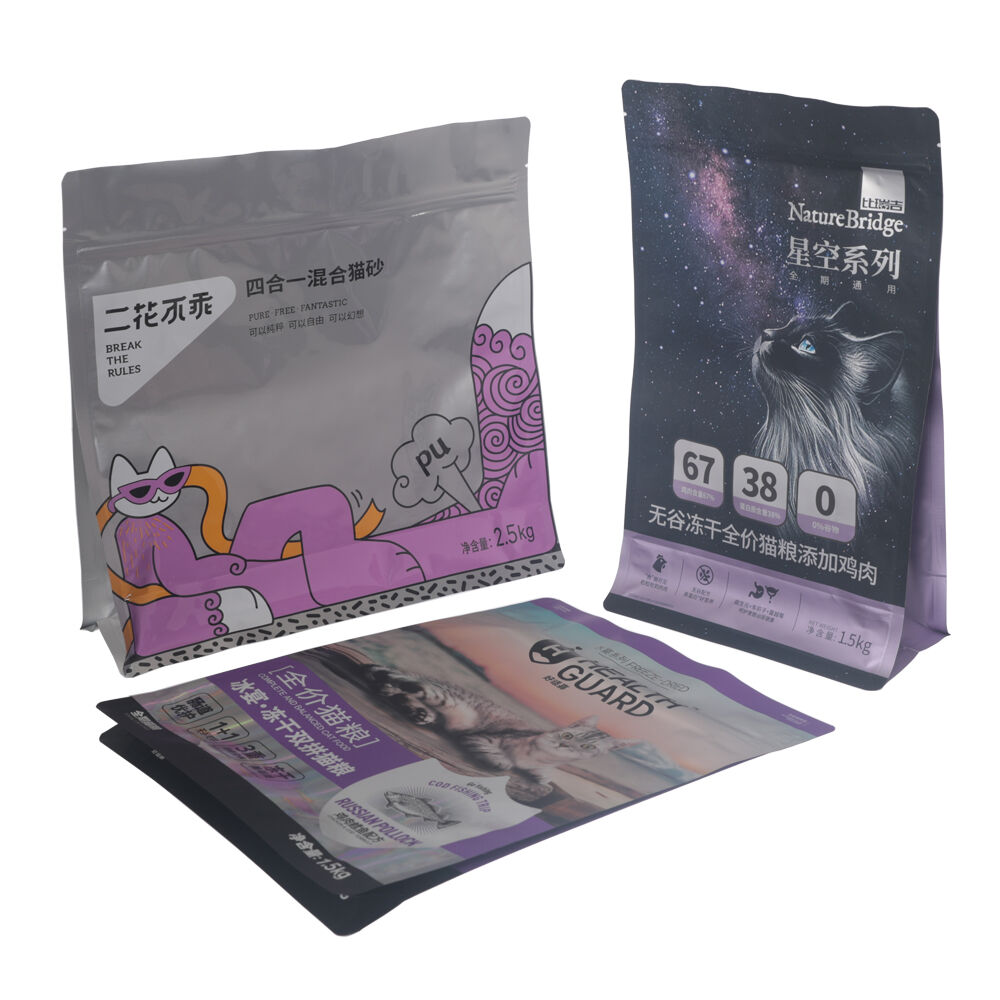
Manufacturing companies constantly seek cost-effective labeling solutions that deliver both quality and efficiency. Traditional labeling methods often involve multiple production steps, increased labor costs, and potential quality issues that impact the bottom line. In contrast, In Mold Label technology represents a revolutionary approach that integrates labeling directly into the molding process, potentially offering significant long-term cost advantages. This comprehensive cost analysis examines whether In Mold Label solutions truly provide superior cost-effectiveness compared to conventional labeling methods, considering both immediate expenses and extended operational benefits.

Initial Investment Considerations for In Mold Label Systems
Equipment and Setup Costs
The initial investment in In Mold Label technology requires careful financial planning and strategic consideration. Manufacturing facilities must evaluate equipment costs, including specialized molding machines, label placement robots, and quality control systems designed specifically for In Mold Label applications. These systems typically require higher upfront capital compared to traditional labeling equipment, but this initial investment forms the foundation for long-term cost savings. The equipment costs vary significantly based on production volume requirements, automation levels, and specific industry applications.
Installation and commissioning expenses also contribute to the initial investment calculation. Specialized technicians must configure In Mold Label systems to ensure optimal performance, proper label placement accuracy, and seamless integration with existing production lines. Training personnel on In Mold Label operation procedures represents another upfront cost that manufacturers must factor into their financial projections. However, this initial training investment typically pays dividends through improved operational efficiency and reduced error rates.
Tooling and Mold Modifications
Implementing In Mold Label technology often necessitates mold modifications or completely new tooling designed to accommodate label integration during the molding process. These modifications ensure proper label adhesion, prevent wrinkles or air bubbles, and maintain consistent quality standards throughout production runs. The tooling costs depend on product complexity, label size requirements, and the specific In Mold Label application method chosen by manufacturers.
Precision engineering becomes crucial when designing molds for In Mold Label applications, as even minor imperfections can compromise label quality and increase waste rates. Advanced CAD software and simulation tools help optimize mold designs before production, reducing the likelihood of costly modifications after initial tooling completion. Many manufacturers find that investing in high-quality tooling upfront minimizes long-term maintenance costs and ensures consistent In Mold Label performance.
Operational Cost Analysis and Labor Efficiency
Labor Cost Reductions
One of the most significant advantages of In Mold Label technology lies in substantial labor cost reductions compared to traditional post-molding labeling processes. Conventional labeling methods typically require dedicated operators to apply labels manually or supervise semi-automated labeling equipment, increasing per-unit labor costs. In Mold Label systems eliminate these additional labor requirements by integrating labeling directly into the molding cycle, allowing single operators to manage both molding and labeling simultaneously.
The automation inherent in In Mold Label processes reduces human error rates, minimizes quality control labor, and decreases the need for rework or product rejection. Manufacturers report significant reductions in labor overhead when transitioning from traditional labeling to In Mold Label systems, particularly in high-volume production environments. These labor savings compound over time, contributing substantially to the long-term cost-effectiveness of In Mold Label technology.
Production Efficiency Gains
In Mold Label systems dramatically improve production efficiency by eliminating secondary labeling operations and reducing overall cycle times. Traditional labeling processes require products to move through separate labeling stations, creating bottlenecks and increasing handling time. In Mold Label technology produces finished, labeled products in a single molding cycle, streamlining production flow and maximizing throughput capacity.
The elimination of post-molding handling also reduces the risk of product damage, scratches, or contamination that can occur during traditional labeling processes. This improved product protection translates into higher yield rates and reduced waste costs. Manufacturing facilities utilizing In Mold Label systems often report increased overall equipment effectiveness and improved production scheduling flexibility due to simplified workflow processes.
Material Cost Considerations and Waste Reduction
Label Material Optimization
In Mold Label technology enables manufacturers to optimize material usage through precise label placement and reduced waste generation. Traditional labeling methods often result in label waste due to misalignment, application errors, or damage during handling. In Mold Label systems eliminate these waste sources by integrating labels directly into the molding process with precise positioning control.
The materials used in In Mold Label applications are specifically engineered for high-temperature molding conditions, ensuring excellent adhesion and durability without additional adhesives or primers. This material optimization reduces overall material costs while improving final product quality. Many In Mold Label materials also offer superior printability and graphics quality compared to traditional labels, providing additional value without corresponding cost increases.
Inventory and Storage Savings
Implementing In Mold Label systems can significantly reduce inventory carrying costs and storage space requirements. Traditional labeling operations require manufacturers to maintain separate inventories of unlabeled products and various label stocks, increasing warehouse space needs and inventory management complexity. In Mold Label production creates finished products directly, eliminating the need for intermediate inventory stages.
The reduced inventory requirements translate into lower carrying costs, decreased obsolescence risk, and improved cash flow management. Manufacturers can respond more quickly to market demands and customize production runs without maintaining extensive pre-labeled inventory stocks. This inventory optimization becomes particularly valuable for companies producing multiple product variants or serving markets with frequent design changes.
Quality and Durability Impact on Long-term Costs
Enhanced Product Durability
In Mold Label technology creates exceptionally durable labeled products that resist peeling, fading, and damage under harsh environmental conditions. The molecular bonding that occurs during the molding process creates a permanent integration between the label and substrate, eliminating the adhesion failures common with traditional labeling methods. This enhanced durability reduces warranty claims, customer complaints, and product returns that can significantly impact long-term profitability.
The superior durability of In Mold Label products extends product lifecycles and maintains visual appeal throughout extended use periods. This longevity provides additional value to end customers while reducing manufacturer liability for label-related product failures. Industries requiring labels to withstand extreme temperatures, chemicals, or mechanical stress particularly benefit from In Mold Label durability advantages.
Quality Consistency and Defect Reduction
In Mold Label processes deliver superior quality consistency compared to traditional labeling methods, reducing defect rates and associated quality costs. The automated nature of In Mold Label application eliminates human variability in label placement, adhesion pressure, and positioning accuracy. This consistency translates into predictable quality outcomes and reduced quality control inspection requirements.
Lower defect rates directly impact manufacturing costs by reducing rework, scrap, and customer returns. The improved first-pass yield rates achievable with In Mold Label systems contribute significantly to overall cost-effectiveness calculations. Manufacturers often discover that quality improvements alone justify the initial investment in In Mold Label technology, with additional cost savings representing bonus benefits.
Energy and Environmental Cost Factors
Energy Efficiency Considerations
In Mold Label systems can provide energy efficiency advantages by eliminating separate labeling equipment and reducing overall production cycle times. Traditional labeling processes often require additional heating, drying, or curing equipment that consumes substantial energy. In Mold Label integration utilizes existing molding process heat and energy, maximizing resource utilization efficiency.
The consolidated production process reduces total energy consumption per unit produced, contributing to lower operating costs and improved environmental sustainability. Many manufacturers find that energy savings from In Mold Label implementation help offset initial equipment investment costs while supporting corporate sustainability initiatives. These energy efficiencies become increasingly valuable as utility costs rise and environmental regulations strengthen.
Environmental Compliance and Waste Management
In Mold Label technology supports improved environmental compliance by reducing waste generation and eliminating the need for adhesive chemicals used in traditional labeling processes. The integrated labeling approach creates less packaging waste and simplifies recycling processes for end-of-life products. These environmental benefits can translate into cost savings through reduced waste disposal fees and simplified regulatory compliance.
Many In Mold Label materials are designed for enhanced recyclability, supporting circular economy initiatives while potentially qualifying for environmental incentives or certifications. The elimination of adhesive residues and label separation challenges makes recycling more efficient and cost-effective. Forward-thinking manufacturers recognize these environmental advantages as long-term competitive benefits that justify In Mold Label investment decisions.
Market Competition and Pricing Advantages
Product Differentiation Benefits
In Mold Label technology enables manufacturers to create premium product appearances and enhanced functionality that command higher market prices. The seamless integration and superior graphics quality achievable with In Mold Label systems allow manufacturers to differentiate their products from competitors using traditional labeling methods. This differentiation can justify premium pricing strategies that improve profit margins and accelerate return on investment.
The ability to create complex graphics, textures, and special effects through In Mold Label processes opens new market opportunities and customer segments. Manufacturers can develop innovative product designs that were previously impossible or cost-prohibitive with traditional labeling technologies. These design capabilities provide competitive advantages that extend beyond simple cost considerations to encompass market positioning and brand value enhancement.
Customer Satisfaction and Retention
The superior quality and durability of In Mold Label products typically result in higher customer satisfaction rates and improved customer retention. Satisfied customers generate repeat business, positive referrals, and reduced marketing costs for customer acquisition. The long-term value of enhanced customer relationships often justifies In Mold Label investments even when immediate cost savings are modest.
Customer feedback consistently highlights the professional appearance and durability advantages of In Mold Label products compared to traditionally labeled alternatives. This positive customer perception translates into brand value enhancement and market position strengthening that provides ongoing competitive advantages. Manufacturers often discover that customer satisfaction improvements represent the most significant long-term benefit of In Mold Label implementation.
FAQ
What is the typical payback period for In Mold Label system investments
The payback period for In Mold Label investments typically ranges from 18 to 36 months, depending on production volumes, labor cost savings, and quality improvements achieved. High-volume manufacturers often realize payback within the shorter timeframe due to substantial labor savings and increased production efficiency. The payback calculation should include both direct cost savings and indirect benefits such as improved quality, reduced waste, and enhanced customer satisfaction.
How do maintenance costs compare between In Mold Label and traditional labeling systems
In Mold Label systems generally require lower maintenance costs compared to traditional labeling equipment due to fewer moving parts and reduced mechanical complexity. The integrated nature of In Mold Label processes eliminates many maintenance points associated with separate labeling machinery, adhesive application systems, and label feeding mechanisms. Regular maintenance primarily focuses on mold care and occasional robot calibration, resulting in predictable and manageable maintenance expenses.
Can In Mold Label technology accommodate small production runs cost-effectively
While In Mold Label technology traditionally favored high-volume production, advances in equipment flexibility and setup procedures have made smaller production runs increasingly cost-effective. Modern In Mold Label systems offer quick changeover capabilities and reduced setup times that make shorter runs viable. The key factors include label complexity, mold sharing opportunities, and the premium pricing potential for specialized products produced with In Mold Label quality advantages.
What hidden costs should manufacturers consider when evaluating In Mold Label systems
Manufacturers should consider potential hidden costs including specialized staff training, initial production optimization periods, and possible supply chain modifications for In Mold Label materials. Quality certification processes and customer approval procedures may require additional time and resources during implementation. However, most manufacturers find these initial costs are quickly offset by operational efficiencies and quality improvements that exceed original projections, making In Mold Label systems highly cost-effective long-term investments.
Table of Contents
- Initial Investment Considerations for In Mold Label Systems
- Operational Cost Analysis and Labor Efficiency
- Material Cost Considerations and Waste Reduction
- Quality and Durability Impact on Long-term Costs
- Energy and Environmental Cost Factors
- Market Competition and Pricing Advantages
-
FAQ
- What is the typical payback period for In Mold Label system investments
- How do maintenance costs compare between In Mold Label and traditional labeling systems
- Can In Mold Label technology accommodate small production runs cost-effectively
- What hidden costs should manufacturers consider when evaluating In Mold Label systems