 EN
EN


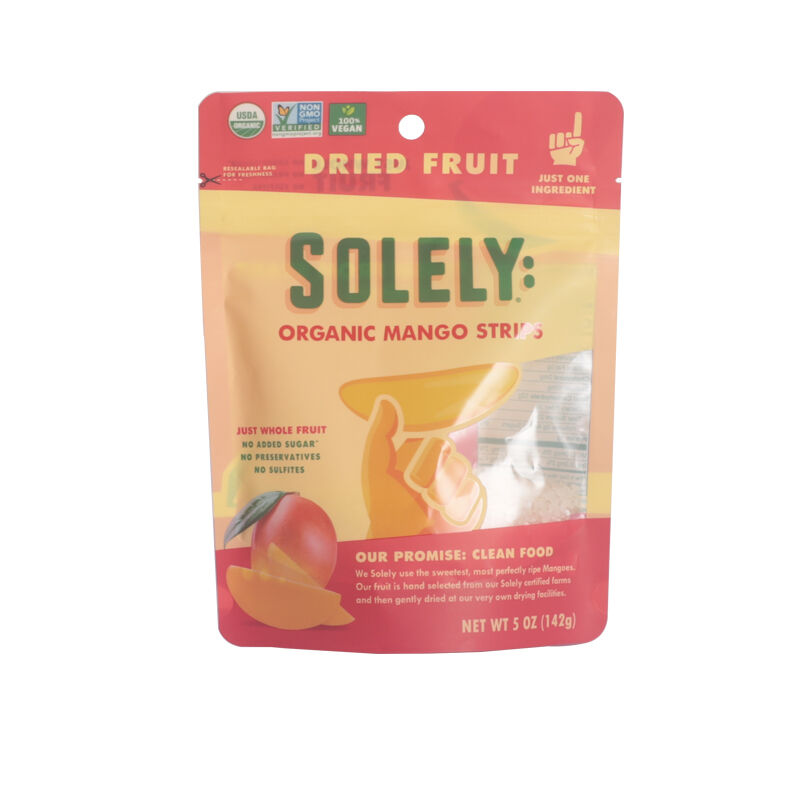
The packaging industry continues to evolve with innovative labeling solutions that offer superior aesthetics, durability, and cost-effectiveness. Among these advanced technologies, In Mold Label systems have emerged as a game-changing approach for manufacturers seeking to enhance their product presentation while streamlining production processes. This revolutionary labeling method integrates the label directly into the molding process, creating a seamless bond between the label and the container that eliminates traditional adhesive-based applications. Modern businesses across various industries are discovering how In Mold Label technology can transform their packaging strategies while delivering exceptional value to consumers.
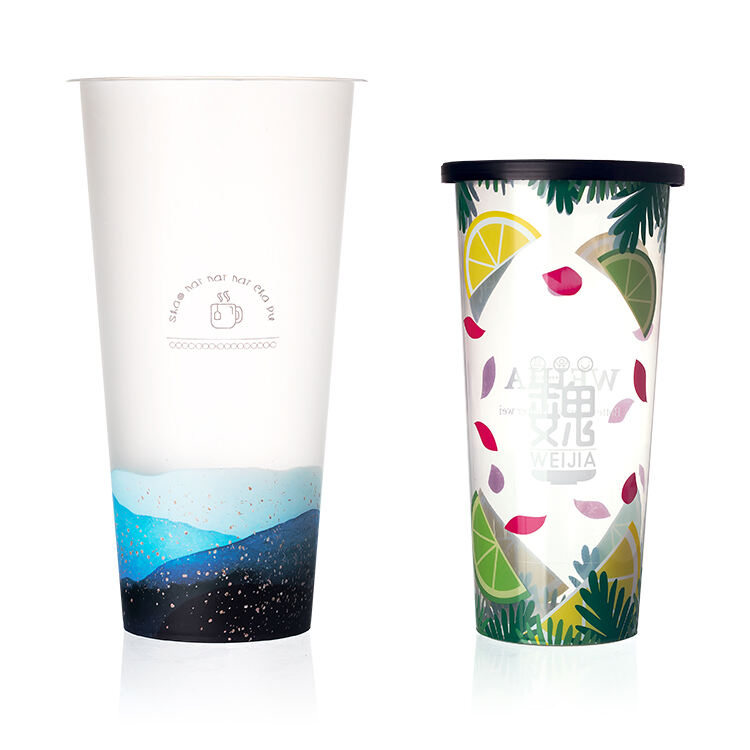
Superior Durability and Longevity Benefits
Enhanced Resistance to Environmental Factors
In Mold Label technology provides exceptional resistance to various environmental challenges that traditionally compromise label integrity. The fusion process creates a molecular bond between the label material and the container substrate, resulting in labels that withstand extreme temperatures, moisture exposure, and chemical contact without degradation. This enhanced durability ensures that product information, branding elements, and regulatory details remain clearly visible throughout the entire product lifecycle, even under harsh storage and usage conditions.
Manufacturing facilities utilizing In Mold Label systems report significantly reduced warranty claims related to label failure, as these integrated labels maintain their appearance and functionality even after extended exposure to UV radiation, temperature fluctuations, and mechanical stress. The technology proves particularly valuable for products stored in outdoor environments, refrigerated conditions, or industrial settings where traditional pressure-sensitive labels often fail prematurely.
Scratch and Wear Resistance Properties
The integrated nature of In Mold Label applications creates a surface that demonstrates remarkable resistance to scratching, scuffing, and general wear patterns. Unlike conventional labels that sit on top of container surfaces, these labels become an integral part of the container wall, eliminating the vulnerable adhesive interface where damage typically occurs. This characteristic proves especially beneficial for products that experience frequent handling, transportation stress, or consumer interaction throughout their market life.
Testing data consistently shows that In Mold Label applications maintain their visual appeal and functional integrity even after exposure to abrasive conditions that would quickly deteriorate traditional labeling solutions. This durability translates into sustained brand visibility, reduced product returns, and enhanced consumer satisfaction levels across diverse market segments.
Cost-Effectiveness and Production Efficiency
Streamlined Manufacturing Processes
Implementation of In Mold Label technology significantly reduces manufacturing complexity by eliminating multiple production steps traditionally required for label application. The single-step process combines container formation and label integration, reducing labor requirements, equipment needs, and quality control checkpoints throughout the production cycle. This streamlined approach allows manufacturers to achieve higher throughput rates while maintaining consistent quality standards across large production volumes.
Production facilities report substantial reductions in line changeover times when switching between different product variants, as the In Mold Label process adapts quickly to new specifications without requiring extensive equipment reconfiguration. The elimination of separate labeling stations, adhesive application systems, and associated maintenance requirements creates opportunities for significant operational savings and improved production flexibility.
Reduced Material and Labor Costs
The integrated nature of In Mold Label systems eliminates the need for adhesives, release liners, and secondary application equipment, resulting in substantial material cost reductions compared to traditional labeling methods. The process requires fewer raw materials overall, as the label becomes structurally integrated with the container rather than representing an additional layer of material with separate application requirements.
Labor cost benefits emerge from the automated nature of the In Mold Label process, which requires minimal manual intervention once properly configured. Quality control procedures become more efficient as the integrated labeling process produces fewer defects and rejects, reducing waste disposal costs and material consumption throughout the production cycle.
Enhanced Aesthetic Appeal and Design Flexibility
Superior Print Quality and Visual Impact
In Mold Label technology enables exceptional print quality through advanced pre-printing processes that occur before the molding integration. This approach allows for precise color reproduction, sharp text definition, and complex graphic elements that maintain their clarity throughout the container's lifecycle. The smooth integration process preserves fine details and subtle color gradations that might be compromised through traditional post-molding label application methods.
The absence of air bubbles, wrinkles, or adhesive artifacts creates a premium appearance that enhances brand perception and product appeal on retail shelves. Consumer research indicates that products featuring In Mold Label applications are perceived as higher quality compared to similar items with conventional labeling, contributing to improved brand positioning and market differentiation opportunities.
Creative Design Possibilities and Customization
The In Mold Label process supports complex three-dimensional container shapes and unconventional surface geometries that would challenge traditional labeling approaches. Designers can create labels that wrap seamlessly around curved surfaces, incorporate textured elements, or extend across multiple container faces without visible seams or application boundaries.
Special effects such as metallic finishes, holographic elements, and tactile textures can be incorporated directly into the label design, creating distinctive product presentations that command attention in competitive retail environments. The technology supports variable data printing capabilities, enabling personalization, serialization, and region-specific customization without significant production complexity increases.
Environmental Sustainability Advantages
Improved Recyclability and Waste Reduction
In Mold Label applications contribute significantly to environmental sustainability through improved container recyclability and reduced material waste generation. The elimination of adhesive layers and release liners simplifies the recycling process, as the integrated label materials can be processed together with the container substrate without requiring separation procedures that often contaminate recycling streams.
Manufacturing waste reduction occurs through the elimination of label application rejects, adhesive overspray, and liner disposal requirements that typically contribute to industrial waste streams. The precise material application inherent in In Mold Label processes ensures optimal material utilization with minimal excess consumption throughout the production cycle.
Reduced Chemical Impact and Environmental Footprint
The absence of adhesive systems in In Mold Label applications eliminates potential volatile organic compound emissions and chemical contamination concerns associated with traditional labeling approaches. This characteristic proves particularly valuable for food and beverage applications where chemical migration and contamination represent significant safety considerations.
Transportation efficiency improvements result from the integrated nature of In Mold Label containers, which eliminate the bulk associated with separate label inventory, adhesive storage, and application equipment. This consolidation reduces transportation requirements, energy consumption, and associated carbon emissions throughout the supply chain from manufacturing to end-user delivery.
Quality Control and Consistency Benefits
Automated Quality Assurance Processes
In Mold Label technology enables advanced quality control procedures through integrated monitoring systems that track label placement, adhesion quality, and visual consistency throughout the production process. Automated inspection systems can identify defects immediately during the molding cycle, preventing defective products from progressing through subsequent production stages and reducing overall quality control costs.
The consistent positioning and application characteristics inherent in In Mold Label processes minimize variability between individual containers, ensuring uniform appearance and performance across entire production batches. This consistency reduces customer complaints, return rates, and quality-related warranty expenses while enhancing brand reputation and consumer confidence.
Elimination of Application Defects
Traditional labeling methods frequently encounter application defects such as bubble formation, edge lifting, label skew, or incomplete adhesion that compromise product appearance and functionality. In Mold Label technology eliminates these common failure modes through the integrated molding process that ensures complete label-to-container fusion without vulnerable interfaces or application variables.
The molding process provides consistent pressure, temperature, and time parameters that optimize label integration while eliminating the variability associated with separate application equipment, environmental conditions, or operator skill levels. This consistency translates into predictable quality outcomes and reduced production monitoring requirements throughout extended production runs.
Market Differentiation and Brand Enhancement
Premium Product Positioning Opportunities
In Mold Label applications create distinctive product presentations that communicate quality and innovation to consumers, supporting premium pricing strategies and brand positioning objectives. The seamless integration and superior durability characteristics signal advanced manufacturing capabilities and attention to quality details that resonate with quality-conscious consumer segments.
Market research demonstrates that products featuring In Mold Label technology achieve higher consumer preference ratings compared to similar items with conventional labeling, particularly in categories where package appearance significantly influences purchasing decisions. This preference translates into competitive advantages and opportunities for market share expansion in crowded product categories.
Innovative Brand Communication Capabilities
The design flexibility inherent in In Mold Label systems enables creative brand communication approaches that extend beyond traditional labeling limitations. Brands can incorporate interactive elements, augmented reality triggers, or unique tactile features that enhance consumer engagement and create memorable product experiences that strengthen brand loyalty and advocacy.
The durability characteristics of In Mold Label applications ensure that brand messages, promotional content, and product information remain clearly visible throughout the product's entire lifecycle, maximizing brand exposure and communication effectiveness compared to labels that may deteriorate or become illegible over time.
Technical Performance and Application Versatility
Wide Temperature Range Compatibility
In Mold Label systems demonstrate exceptional performance across extensive temperature ranges, from deep-freeze applications to high-temperature sterilization processes. This versatility enables utilization across diverse industry segments including frozen foods, heated products, medical devices, and industrial applications where temperature extremes would compromise traditional labeling solutions.
The molecular integration achieved through In Mold Label processes creates thermal stability that maintains label integrity and appearance regardless of temperature cycling or extreme exposure conditions. This characteristic proves particularly valuable for products requiring thermal processing, cold chain distribution, or end-use applications involving significant temperature variations.
Chemical Resistance and Safety Compliance
In Mold Label applications provide superior resistance to chemical exposure from cleaning agents, product contents, and environmental contaminants that frequently damage conventional labels. This resistance ensures continued legibility of safety information, regulatory compliance data, and usage instructions throughout the product lifecycle, supporting safety objectives and regulatory compliance requirements.
The integrated nature of In Mold Label systems eliminates potential contamination sources associated with adhesive migration, label delamination, or material degradation that could compromise product safety or quality. This characteristic proves essential for pharmaceutical, food contact, and sensitive industrial applications where material compatibility represents a critical safety consideration.
FAQ
What makes In Mold Label technology more durable than traditional labels
In Mold Label technology achieves superior durability through molecular integration during the molding process, creating a permanent bond between the label and container that eliminates vulnerable adhesive interfaces. This integration provides exceptional resistance to environmental factors, mechanical stress, and chemical exposure that typically compromise conventional labels, ensuring consistent appearance and functionality throughout the product lifecycle.
How does In Mold Label implementation affect production costs and efficiency
In Mold Label systems reduce overall production costs by eliminating separate labeling equipment, adhesive materials, and associated labor requirements while streamlining the manufacturing process into a single integrated step. The technology reduces material waste, quality control requirements, and maintenance costs while improving production throughput and flexibility compared to traditional multi-step labeling approaches.
Can In Mold Label technology accommodate complex design requirements and special effects
In Mold Label applications support extensive design flexibility including complex geometries, three-dimensional surfaces, special finishes, and variable data printing capabilities. The pre-printing process enables high-quality graphics, metallic effects, tactile textures, and customization options that would be challenging or impossible with conventional labeling methods, providing significant creative opportunities for brand differentiation.
What environmental benefits does In Mold Label technology provide compared to traditional labeling
In Mold Label systems enhance environmental sustainability through improved recyclability, elimination of adhesive chemicals and release liner waste, and reduced material consumption throughout the production cycle. The integrated approach simplifies recycling processes, reduces transportation requirements, and eliminates volatile organic compound emissions associated with adhesive-based labeling systems, contributing to reduced environmental impact across the entire product lifecycle.
Table of Contents
- Superior Durability and Longevity Benefits
- Cost-Effectiveness and Production Efficiency
- Enhanced Aesthetic Appeal and Design Flexibility
- Environmental Sustainability Advantages
- Quality Control and Consistency Benefits
- Market Differentiation and Brand Enhancement
- Technical Performance and Application Versatility
-
FAQ
- What makes In Mold Label technology more durable than traditional labels
- How does In Mold Label implementation affect production costs and efficiency
- Can In Mold Label technology accommodate complex design requirements and special effects
- What environmental benefits does In Mold Label technology provide compared to traditional labeling