 EN
EN


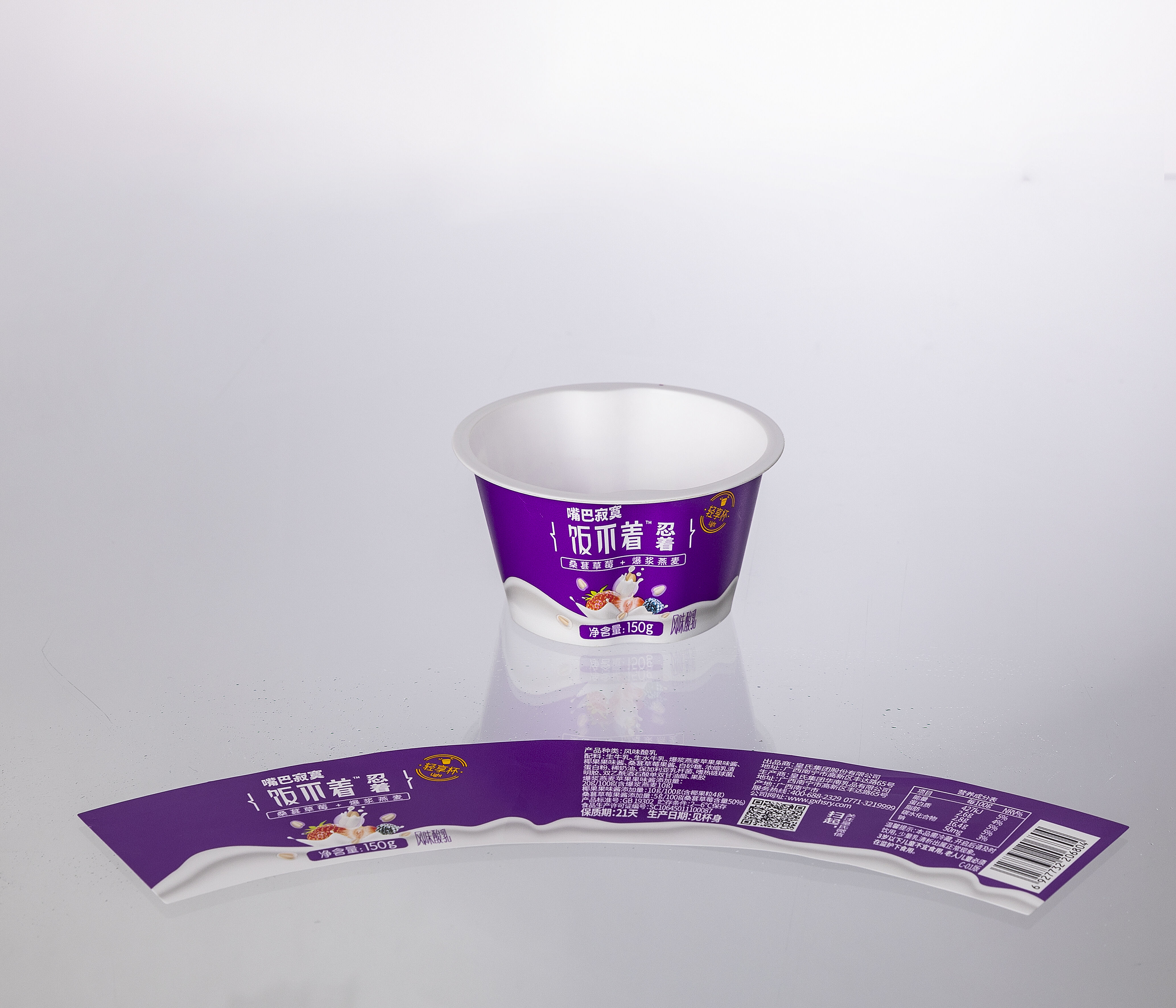
Frozen food preservation demands specialized packaging solutions that go far beyond conventional storage methods. The integrity of frozen products depends heavily on the protective barrier provided by their containers, making the selection of appropriate packaging materials critical for both food safety and commercial success. Modern food packaging bag technology has evolved to meet these stringent requirements, incorporating advanced materials and design features that maintain product quality throughout the entire cold chain distribution process.
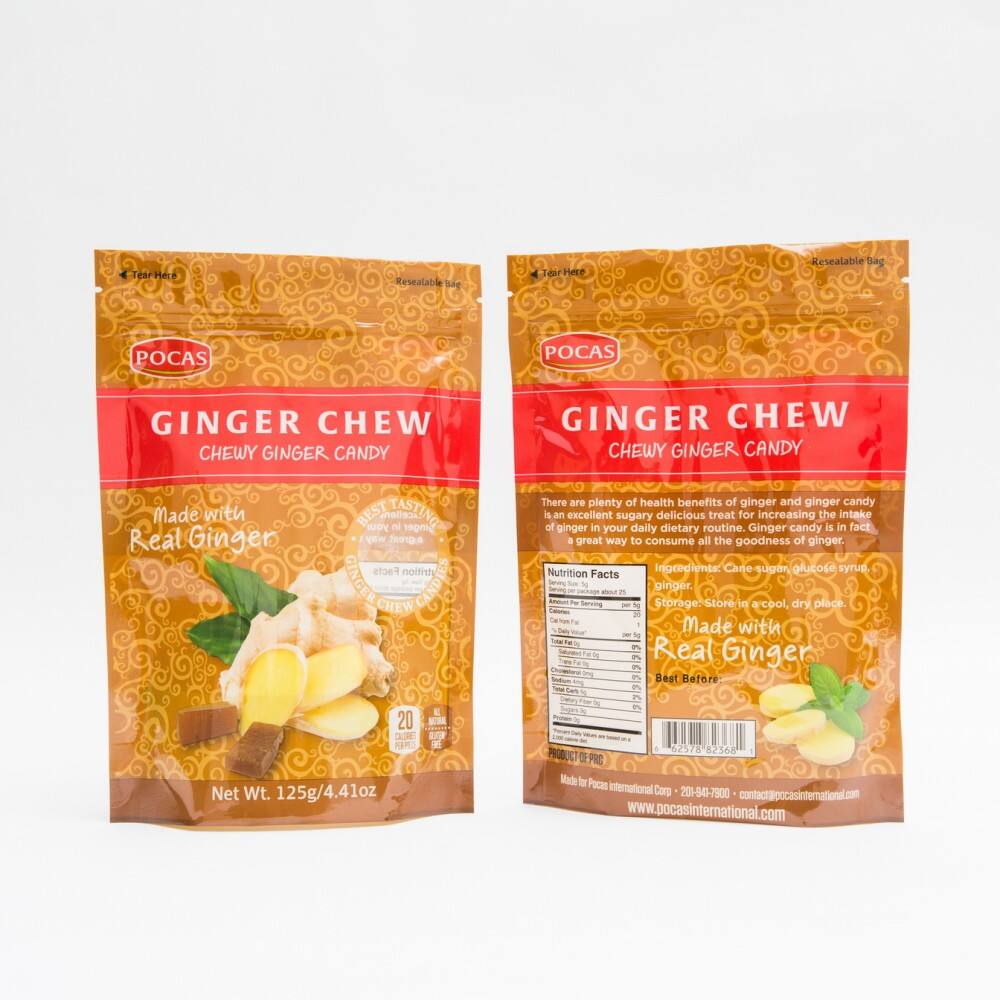
The frozen food industry represents one of the most challenging environments for packaging materials, where temperature fluctuations, moisture control, and mechanical stress converge to create demanding performance criteria. Understanding these requirements enables manufacturers to select optimal packaging solutions that preserve product quality while minimizing waste and ensuring consumer satisfaction.
Temperature Resistance and Structural Integrity
Low Temperature Performance Standards
Frozen food packaging materials must maintain their structural integrity across extreme temperature ranges, typically from -18°C to -40°C in commercial freezing applications. Traditional plastic materials become brittle and prone to cracking under these conditions, necessitating specialized polymer formulations. High-density polyethylene and specialized multilayer constructions demonstrate superior performance in maintaining flexibility and tear resistance even at sub-zero temperatures.
The molecular structure of packaging materials undergoes significant changes when exposed to freezing temperatures, affecting their barrier properties and mechanical strength. Advanced food packaging bag designs incorporate plasticizers and impact modifiers that preserve material flexibility throughout temperature cycling. This ensures that packages maintain their seal integrity and resist puncture damage during handling and storage operations.
Thermal Shock Resistance
Rapid temperature changes during processing, transportation, and storage create thermal stress that can compromise package integrity. Quality food packaging bag materials must withstand sudden temperature variations without developing micro-cracks or seal failures. Coextruded films with balanced thermal expansion coefficients provide superior resistance to thermal shock compared to single-layer alternatives.
The design of heat-sealable layers requires careful consideration of thermal properties to ensure consistent seal formation across varying temperature conditions. Advanced sealing technologies incorporate temperature-compensating adhesive systems that maintain bond strength regardless of environmental temperature fluctuations, ensuring package integrity throughout the distribution chain.
Moisture and Oxygen Barrier Properties
Water Vapor Transmission Control
Moisture migration represents one of the primary challenges in frozen food preservation, as ice crystal formation can damage product texture and promote freezer burn. Effective moisture barrier properties in packaging materials prevent water vapor transmission while maintaining optimal humidity levels within the package environment. Ethylene vinyl alcohol copolymers and specialized barrier coatings provide exceptional moisture resistance for extended storage periods.
The relationship between temperature and water vapor permeability requires careful consideration in barrier material selection. Lower temperatures generally reduce permeability rates, but temperature fluctuations during storage and transport can create pressure differentials that drive moisture migration. Multi-layer constructions with redundant barrier layers provide enhanced protection against moisture-related quality degradation.
Oxygen Transmission Prevention
Oxidative degradation continues even at frozen temperatures, making oxygen barrier properties essential for maintaining product quality and extending shelf life. High-performance oxygen barriers such as metallized films or aluminum foil laminations create virtually impermeable protective environments. The selection of appropriate barrier materials depends on specific product sensitivity and required shelf life expectations.
Modern food packaging bag designs often incorporate active oxygen scavenging systems that actively remove residual oxygen from package headspace. These systems provide additional protection beyond passive barrier properties, ensuring optimal preservation conditions throughout extended storage periods.
Mechanical Strength and Durability Requirements
Impact and Puncture Resistance
Frozen products often contain sharp edges or hard components that can puncture conventional packaging materials during handling and storage. Enhanced puncture resistance requires specialized polymer blends and reinforcement strategies that maintain flexibility while providing superior protection against mechanical damage. Linear low-density polyethylene blends offer excellent puncture resistance combined with good seal strength properties.
The handling characteristics of frozen packages create unique stress patterns that differ significantly from ambient temperature applications. Impact resistance becomes particularly important during automated packaging operations and consumer handling, where packages may experience sudden mechanical stress. Multi-layer constructions with impact-absorbing core layers distribute stress forces more effectively than single-layer alternatives.
Seal Strength and Integrity
Package seals must maintain their integrity throughout freeze-thaw cycles while resisting the mechanical stresses associated with product expansion and contraction. Advanced heat-sealing technologies create molecular bonds that remain stable across temperature variations, preventing seal failure and contamination risks. Peelable seal designs allow convenient package opening while maintaining tamper-evident properties.
The geometry of seal areas requires optimization to distribute stress forces evenly and prevent concentration points that could lead to failure. Corner reinforcements and graduated seal profiles improve overall package durability while maintaining cost-effective manufacturing processes.
Food Safety and Regulatory Compliance
Material Safety Standards
All materials used in frozen food packaging must comply with stringent food contact regulations established by authorities such as the FDA, EU, and other international bodies. These regulations specify acceptable migration limits for chemical substances that could potentially transfer from packaging materials to food products. Advanced testing protocols verify that packaging materials meet safety requirements under worst-case storage conditions.
The selection of additives, colorants, and processing aids requires careful evaluation to ensure compliance with food safety standards. Many traditional plastic additives are restricted or prohibited in food contact applications, necessitating specialized formulations designed specifically for food packaging applications.
Traceability and Identification
Modern food packaging bag designs incorporate identification systems that enable product traceability throughout the supply chain. Lot coding, date marking, and product identification requirements must be integrated into package design without compromising barrier properties or mechanical performance. Digital printing technologies enable variable information printing while maintaining high-quality graphics and regulatory compliance.
Supply chain transparency requirements increasingly demand detailed material composition information and sustainability metrics. Packaging suppliers must provide comprehensive documentation regarding material sources, manufacturing processes, and end-of-life disposal options to support customer sustainability initiatives.
Advanced Design Features and Innovations
Convenience and Consumer Functionality
Modern consumers demand packaging solutions that provide convenience without compromising product protection. Resealable closures, easy-open features, and portion control designs enhance user experience while maintaining package integrity. Zipper closures and slider mechanisms must function reliably at low temperatures while preserving barrier properties.
Microwave compatibility represents an increasingly important feature for frozen food packaging, requiring materials that remain stable under microwave heating conditions. Steam venting systems and specialized film constructions enable safe microwave heating while preventing package failure or food contamination.
Sustainability and Environmental Considerations
Environmental sustainability concerns drive innovation in frozen food packaging materials and design approaches. Recyclable mono-material constructions, bio-based polymers, and reduced material thickness strategies help minimize environmental impact while maintaining performance requirements. Life cycle assessments guide material selection decisions to optimize overall environmental footprint.
The development of compostable barrier materials for frozen food applications represents an emerging technology area with significant potential impact. These materials must demonstrate equivalent performance to conventional materials while providing end-of-life disposal advantages.
FAQ
What temperature range must frozen food packaging withstand
Frozen food packaging must perform reliably across temperatures from -18°C to -40°C in typical commercial applications. Some specialty applications may require performance at even lower temperatures. The packaging must maintain flexibility, barrier properties, and seal integrity throughout this temperature range while resisting thermal shock from rapid temperature changes.
How do barrier properties change at freezing temperatures
Most barrier properties improve at lower temperatures, with reduced permeability rates for oxygen, moisture, and aromatic compounds. However, mechanical properties may become more brittle, and thermal cycling can create stress that compromises barrier effectiveness. Multi-layer constructions provide more stable barrier performance across temperature variations.
What sealing technologies work best for frozen food applications
Heat sealing remains the most common technology, but advanced formulations with low-temperature sealing capabilities provide better performance. Impulse sealing, ultrasonic welding, and specialized adhesive systems offer alternatives for specific applications. The key requirement is maintaining seal integrity through freeze-thaw cycles and mechanical stress.
Are there specific regulations for frozen food packaging materials
Yes, frozen food packaging must comply with all standard food contact regulations plus additional requirements related to low-temperature performance and thermal processing compatibility. Migration testing under frozen storage conditions may be required, and materials must demonstrate stability across the intended temperature range. International regulations may vary, requiring careful compliance verification for global markets.