 EN
EN


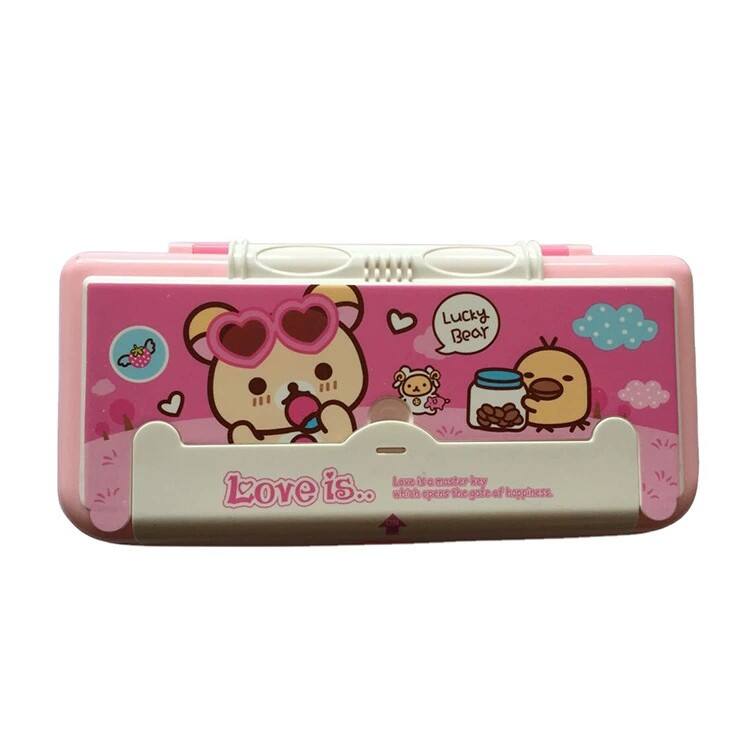
Heat transfer film has emerged as a transformative decorating technology across multiple manufacturing sectors, with particularly innovative applications emerging in promotional gifts and the toy industry. This specialized film enables brands to apply vibrant, detailed graphics onto three-dimensional products with exceptional durability and visual appeal. As manufacturers seek cost-effective methods to enhance product differentiation while maintaining production efficiency, heat transfer film technology has evolved from a niche decorating solution into a strategic competitive advantage for companies producing consumer-facing products that demand both aesthetic excellence and functional performance.
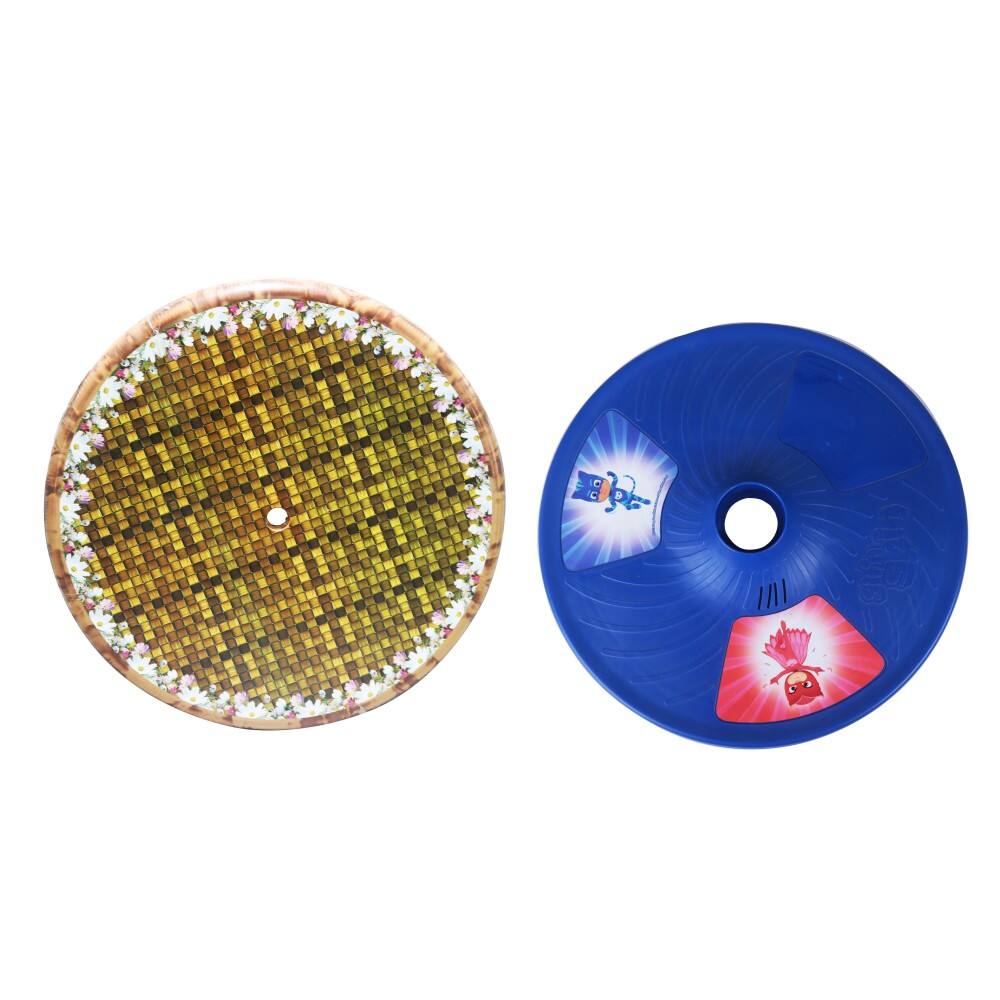
The promotional gifts and toy sectors face unique decorating challenges that traditional methods like pad printing, screen printing, or adhesive labels struggle to address effectively. Complex product geometries, stringent safety requirements, high-volume production demands, and the need for photographic-quality graphics have created an ideal environment for heat transfer film adoption. This article explores the innovative ways manufacturers are leveraging this technology to create promotional products and toys that stand out in crowded marketplaces while meeting increasingly rigorous quality and safety standards demanded by global retailers and end consumers.
Understanding Heat Transfer Film Technology and Its Distinctive Advantages
The Fundamental Mechanism Behind Heat Transfer Film Application
Heat transfer film operates through a precisely controlled thermal bonding process where pre-printed decorative graphics are transferred from a carrier film onto a product surface using heat and pressure. The technology utilizes specialized inks and adhesive layers formulated to create molecular bonding with substrate materials when exposed to specific temperature thresholds. Unlike surface-applied decorations that sit atop a product, heat transfer film becomes integrated with the substrate surface, creating a permanent decoration that resists peeling, scratching, and fading throughout the product lifecycle. This integration mechanism makes heat transfer film particularly valuable for items subject to frequent handling, outdoor exposure, or cleaning processes.
The film itself consists of multiple functional layers engineered for specific performance characteristics. The base carrier layer provides dimensional stability during storage and handling, while the release coating enables clean separation during transfer. The decorative ink layer contains the visual graphics, which can include full-color photographic images, gradients, metallic effects, and intricate patterns that would be impossible or cost-prohibitive with conventional printing methods. The adhesive layer is formulated to match specific substrate materials, ensuring optimal bonding strength while maintaining flexibility that prevents cracking or delamination during product use.
Material Compatibility and Surface Adhesion Properties
One of the most significant advantages of heat transfer film in promotional gifts and toys is its exceptional compatibility with diverse substrate materials. The technology works effectively on polypropylene, polyethylene, ABS plastic, polycarbonate, and various thermoplastic elastomers commonly used in these industries. This versatility eliminates the need for multiple decorating processes when product lines incorporate different material types, streamlining manufacturing operations and reducing equipment investment. The chemical formulation of adhesive layers can be customized to optimize bonding with specific polymers, ensuring consistent quality across varied product portfolios.
Surface preparation requirements for heat transfer film application are minimal compared to alternative decorating methods. While traditional pad printing often requires corona treatment or chemical primers to achieve adequate adhesion, heat transfer film can bond directly to properly molded surfaces with appropriate energy characteristics. This simplification reduces processing steps, eliminates consumable primer costs, and decreases the risk of adhesion failures caused by inconsistent surface preparation. For toy manufacturers working with rapid production cycles and high volume throughput, these operational efficiencies translate directly into reduced manufacturing costs and improved production reliability.
Durability and Performance Under Real-World Conditions
Products decorated with heat transfer film demonstrate superior resistance to environmental stressors that typically degrade conventional surface decorations. The integrated nature of the decoration provides inherent protection against abrasion, chemical exposure, UV radiation, and moisture intrusion. In the toy industry where products undergo rigorous testing protocols including tumble tests, bite tests, and cleaning simulations, heat transfer film consistently outperforms adhesive labels and surface-printed graphics. This durability extends product lifespan and reduces warranty claims, creating measurable value for brands investing in quality differentiation.
Temperature resistance represents another critical performance advantage for heat transfer film applications. Once properly bonded, the decoration maintains its integrity across temperature ranges from negative 40 degrees Celsius to positive 80 degrees Celsius, making it suitable for toys used in diverse climates and promotional items that may be exposed to vehicle interiors, outdoor events, or storage in uncontrolled environments. This thermal stability ensures that graphics remain vibrant and intact regardless of seasonal temperature fluctuations or inadvertent exposure to heat sources, maintaining brand presentation quality throughout the product's useful life.
Strategic Applications in the Promotional Gifts Industry
Creating Premium Brand Experiences Through Visual Complexity
Promotional gifts serve as tangible brand ambassadors that extend marketing messages beyond digital channels and traditional advertising. Heat transfer film enables marketers to create promotional items with visual sophistication that commands attention and reinforces premium brand positioning. The technology supports full-color photographic reproduction, allowing corporate logos, product imagery, and complex brand elements to be rendered with exceptional fidelity on three-dimensional products. This capability transforms utilitarian promotional items into visually striking brand artifacts that recipients are more likely to retain and use, increasing the duration and frequency of brand exposure.
Complex surface geometries that characterize many popular promotional products present significant decorating challenges for traditional methods. Drinkware, personal care items, tech accessories, and sporting goods often feature compound curves, deep draws, and irregular contours that cannot be effectively decorated with flat printing processes. Heat transfer film conforms to these complex shapes during the application process, delivering consistent graphic quality across the entire decorated surface without distortion or incomplete coverage. This geometric flexibility expands the range of products suitable for premium decoration, enabling marketers to select items based on functional value and target audience preferences rather than decorating limitations.
Achieving Cost-Effectiveness in Short-Run and Customized Campaigns
Traditional decorating methods often require significant setup investments that make them economically viable only for large production runs. Screen printing demands custom screens for each color, while pad printing requires tooled pads matched to specific product geometries. These setup costs create minimum order quantities that restrict promotional campaign flexibility. Heat transfer film dramatically reduces these economic barriers by utilizing digital printing technology for film production, where graphic changeovers require only digital file updates rather than physical tooling modifications. This setup efficiency makes small-batch promotional runs economically feasible, enabling targeted campaigns for specific events, regional markets, or customer segments.
Variable data printing capabilities integrated with heat transfer film production enable mass customization at scales previously unattainable. Promotional campaigns can incorporate individualized elements such as recipient names, sequential numbering, regional identifiers, or campaign-specific messaging without disrupting production flow or incurring prohibitive costs. This personalization capability transforms generic promotional items into customized brand experiences that strengthen recipient engagement and improve campaign response metrics. For B2B promotional applications, the ability to cost-effectively produce customized gifts for key accounts or channel partners creates differentiated relationship-building opportunities that generic promotional items cannot deliver.
Meeting Regulatory Compliance and Safety Standards
Promotional products distributed in consumer markets must comply with various safety regulations governing chemical content, material safety, and product marking requirements. Heat transfer film formulations designed for consumer product applications utilize inks and adhesives that meet stringent safety standards including California Proposition 65, REACH regulations, and FDA indirect food contact guidelines. This compliance assurance simplifies regulatory documentation for brands distributing promotional items across multiple jurisdictions, reducing legal risk and accelerating time-to-market for international promotional campaigns.
The permanent nature of heat transfer film decoration eliminates concerns about label separation or adhesive residue that can create safety hazards or aesthetic problems. Promotional drinkware, food containers, and personal care items benefit particularly from this permanence, as the decoration cannot separate and contaminate contents or create choking hazards. For brands prioritizing consumer safety and quality assurance, heat transfer film provides decoration permanence that aligns with corporate responsibility commitments while delivering the visual impact necessary for effective promotional communication.
Transformative Implementation in Toy Manufacturing
Enhancing Play Value Through High-Fidelity Graphics
The toy industry has embraced heat transfer film as a critical technology for delivering the photographic-quality graphics that contemporary consumers expect. Children's media properties featuring detailed character designs, intricate environments, and rich color palettes require decoration methods capable of reproducing these complex visuals with absolute fidelity. Heat transfer film supports this requirement through digital printing capabilities that eliminate the color limitations inherent in traditional screen printing. Manufacturers can reproduce licensed artwork exactly as provided by licensors, ensuring brand consistency across product lines and reducing the risk of approval delays or market rejections due to graphic quality issues.
Play pattern considerations drive specific decoration requirements that heat transfer film uniquely addresses. Action figures, dolls, and role-play toys require durable decoration that withstands the intensive handling characteristic of child play without degrading visual quality. The abrasion resistance of properly applied heat transfer film ensures that character details, costume elements, and facial features remain intact throughout years of active use, maintaining play value and reducing consumer dissatisfaction. This durability extends to outdoor toys where UV exposure, temperature extremes, and moisture contact would rapidly degrade alternative decoration methods, ensuring that graphics remain vibrant regardless of play environment.
Accelerating Product Development and Market Responsiveness
Toy markets operate on compressed development cycles driven by entertainment property releases, seasonal selling windows, and rapidly shifting consumer preferences. Heat transfer film technology supports these demanding timelines through rapid prototyping capabilities and flexible production changeovers. Design iterations can be evaluated using digitally printed film samples applied to prototype components, enabling functional and aesthetic validation without committing to expensive tooling or lengthy setup procedures. This prototyping agility reduces development risk and accelerates decision-making, allowing product teams to iterate designs based on consumer testing feedback or licensor input without incurring significant time or cost penalties.
Production flexibility represents an equally important advantage for toy manufacturers managing diverse product portfolios and unpredictable demand patterns. The minimal changeover requirements associated with heat transfer film enable manufacturers to switch between different character decorations, product variants, or market-specific designs with minimal downtime or waste generation. This operational flexibility allows for just-in-time production strategies that reduce inventory carrying costs while maintaining rapid response capabilities for unexpected demand surges or promotional opportunities. Manufacturers can economically produce smaller batch sizes aligned with demand forecasts, reducing the risk of overproduction and obsolete inventory that erodes profitability in hit-driven toy categories.
Addressing Child Safety and International Toy Standards
Global toy safety standards impose rigorous requirements on decoration materials, chemical content, and physical characteristics to protect child health and safety. Heat transfer film formulations developed specifically for toy applications comply with comprehensive safety frameworks including ASTM F963, EN 71, ISO 8124, and country-specific regulations governing phthalate content, heavy metals, and small parts. These compliant formulations eliminate toxic constituents while maintaining the performance characteristics necessary for durable decoration, enabling manufacturers to pursue global distribution without reformulating decoration systems for different regulatory jurisdictions.
Physical safety considerations extend beyond chemical composition to include decoration permanence and edge characteristics. Heat transfer film creates decorations without raised edges or discrete components that could separate and create choking hazards. The molecular integration between film and substrate eliminates the possibility of decoration delamination even under extreme abuse conditions simulated in safety testing protocols. This physical integrity addresses safety concerns while simultaneously delivering aesthetic benefits, as the smooth, integrated surface eliminates tactile discontinuities that can detract from perceived quality. For manufacturers targeting premium market segments where safety assurance and quality perception drive purchasing decisions, these combined benefits create significant competitive differentiation.
Operational Implementation and Production Integration
Equipment Requirements and Process Configuration
Successful heat transfer film implementation requires carefully configured application equipment matched to specific product characteristics and production volume requirements. Manual application systems suitable for low-volume specialty production utilize heated platens and pneumatic pressure delivery to transfer graphics onto pre-positioned products. These systems offer flexibility for prototype runs, customized production, and small-batch specialty items while requiring minimal capital investment. Semi-automated systems incorporate product fixtures, automated film feeding, and programmable heat and pressure cycles that increase throughput while maintaining application consistency. High-volume automated systems integrate with molding operations to enable in-line decoration immediately following part production, maximizing production efficiency and eliminating separate decoration operations.
Temperature control represents a critical parameter requiring precise monitoring and adjustment based on substrate material characteristics and film formulation specifications. Application temperatures typically range from 140 to 200 degrees Celsius depending on polymer substrate and adhesive chemistry. Inadequate temperature results in incomplete adhesive activation and poor bond strength, while excessive temperature can cause substrate deformation or graphic degradation. Modern application equipment incorporates closed-loop temperature control systems with thermocouples positioned at the contact surface, ensuring consistent thermal energy delivery regardless of production rate variations or ambient environmental conditions. This precision control eliminates trial-and-error setup procedures and reduces scrap rates during production startups and product changeovers.
Quality Assurance and Process Validation Methodologies
Robust quality assurance protocols ensure consistent decoration quality and identify process deviations before they generate significant scrap or customer returns. Initial process validation involves systematic testing of adhesion strength, graphic registration accuracy, and visual quality across the full range of expected production variables. Adhesion testing protocols adapted from automotive and electronics industries measure peel strength, cross-hatch adhesion, and resistance to accelerated environmental aging. These validation tests establish process windows defining acceptable parameter ranges for temperature, pressure, dwell time, and surface preparation variables that consistently produce conforming parts.
In-process monitoring systems track critical parameters in real-time and alert operators to deviations requiring corrective action. Modern heat transfer film application systems incorporate vision inspection technology that automatically evaluates graphic registration, color consistency, and surface defects on every decorated part. Statistical process control methodologies identify trending conditions that might indicate equipment degradation, material variation, or environmental influences affecting decoration quality. This proactive monitoring approach prevents defect propagation and maintains the consistent quality standards necessary for brand protection and customer satisfaction in competitive consumer product markets.
Sustainability Considerations and Environmental Impact
Environmental sustainability has become an increasingly important consideration in decoration technology selection as brands respond to consumer preferences, regulatory pressures, and corporate responsibility commitments. Heat transfer film offers several sustainability advantages compared to alternative decorating methods. The process generates minimal waste compared to screen printing with its inherent ink waste and cleaning solvent consumption. Digital printing technology used for film production eliminates the plate-making and setup waste associated with traditional printing processes. The carrier film used in heat transfer processes can often be recycled through established plastic recycling streams, reducing landfill contributions and supporting circular economy objectives.
Solvent-free operation represents another significant environmental benefit of heat transfer film technology. Traditional pad printing and screen printing processes utilize solvent-based inks that generate volatile organic compound emissions requiring expensive capture and treatment systems to meet air quality regulations. Heat transfer film application involves no solvent evaporation, eliminating these emissions and their associated environmental impact. The absence of solvents also improves workplace safety by eliminating exposure risks and reducing fire hazards, creating safer working conditions for production personnel while simplifying facility permitting and regulatory compliance documentation.
Future Developments and Emerging Application Opportunities
Advanced Functional Capabilities Beyond Decoration
Emerging heat transfer film technologies incorporate functional capabilities that extend beyond purely decorative applications. Conductive inks integrated into film structures enable touch-sensitive controls, LED illumination circuits, and RFID antenna patterns to be incorporated directly into product decoration. These functional decoration technologies eliminate separate electronic component assembly operations while enabling industrial designers to integrate interactive features seamlessly into product aesthetics. Toy manufacturers are exploring these capabilities to create interactive play features without the cost and complexity of traditional electronic assembly, opening new possibilities for engaging play experiences at accessible price points.
Antimicrobial and easy-clean surface treatments incorporated into heat transfer film formulations address hygiene concerns increasingly important to consumers. Silver ion additives, photocatalytic coatings, and hydrophobic surface treatments can be engineered into film structures, delivering functional surface properties through the decoration process. These functional enhancements create measurable consumer benefits while differentiating products in crowded categories where functional innovation drives purchasing decisions. For promotional products and toys subject to frequent handling and cleaning, these functional properties enhance practical utility while maintaining the visual impact that drives initial purchase consideration.
Digital Integration and Mass Customization Expansion
Digital manufacturing technologies continue to expand the practical boundaries of mass customization in promotional gifts and toys. Cloud-based design platforms enable consumers to personalize product graphics through intuitive web interfaces, with customized designs automatically transmitted to production facilities for immediate manufacturing. Heat transfer film technology enables this customization vision through rapid digital printing capabilities that accommodate unique graphics on every produced unit without disrupting production efficiency. This individualization capability creates new business models where consumers transition from passive product purchasers to active design participants, generating higher engagement and willingness to pay premium prices for personalized items.
Augmented reality integration represents an emerging application area where physical product decoration serves as a trigger for digital content experiences. Heat transfer film graphics can incorporate embedded markers or patterns that mobile applications recognize to deliver supplementary digital content including product information, entertainment experiences, or gamified interactions. This physical-digital convergence creates extended engagement opportunities beyond the physical product itself, generating ongoing brand interaction and data capture opportunities that inform future product development and marketing strategies. For toy manufacturers, these hybrid experiences align with contemporary play patterns where physical and digital experiences increasingly overlap and reinforce each other.
Material Innovation and Sustainable Alternative Development
Ongoing material science research continues to improve heat transfer film performance while addressing environmental sustainability objectives. Bio-based polymer carriers derived from renewable resources offer potential alternatives to petroleum-based film substrates, reducing carbon footprint and supporting renewable material transition goals. Adhesive formulations incorporating recycled content or bio-derived components maintain bonding performance while improving environmental profiles. Water-based ink systems continue to evolve, offering color gamut and durability approaching solvent-based systems while eliminating hazardous material concerns and simplifying disposal of production waste.
Closed-loop recycling systems designed to accommodate decorated products represent an important area of development addressing end-of-life considerations. Traditional concerns about decoration hindering material recycling are being addressed through adhesive chemistries that facilitate clean separation during mechanical recycling processes, enabling decorated products to enter recycling streams without contaminating recovered resin. Alternative approaches incorporate decoration materials compatible with substrate polymers, allowing decorated products to be recycled together without separation requirements. These innovations align decoration technology with circular economy principles, enabling brands to pursue ambitious sustainability goals without compromising the visual quality and durability expectations that drive market success.
FAQ
What makes heat transfer film more suitable for toys compared to adhesive labels?
Heat transfer film creates a permanent molecular bond with the toy substrate that cannot separate or peel during play, eliminating choking hazards associated with label delamination. The decoration becomes integrated with the surface rather than applied atop it, providing superior abrasion resistance that maintains graphic quality throughout years of intensive child play. Additionally, heat transfer film formulations designed for toys comply with stringent child safety regulations regarding chemical content, while the lack of discrete edges eliminates physical safety concerns. The technology also delivers superior resistance to cleaning, moisture exposure, and UV radiation compared to adhesive labels, ensuring toys maintain their visual appeal throughout their useful life regardless of play environment or maintenance practices.
How does heat transfer film enable cost-effective customization for promotional gift campaigns?
Unlike traditional decorating methods requiring physical tooling changes for each design variation, heat transfer film utilizes digital printing technology where graphic changeovers involve only updating digital files rather than producing new screens or pads. This eliminates setup costs and minimum order quantities that make traditional methods economically impractical for small batches or customized runs. Variable data printing capabilities allow each applied film to feature unique information such as recipient names, sequential numbering, or campaign-specific messaging without disrupting production flow. The combination of minimal changeover costs and variable printing capability enables promotional campaigns to economically incorporate personalization levels that significantly enhance recipient engagement and campaign effectiveness compared to generic mass-produced promotional items.
What are the critical process parameters affecting heat transfer film application quality?
Temperature represents the most critical parameter, requiring precise control within narrow windows specific to substrate material and film formulation. Inadequate temperature prevents complete adhesive activation resulting in poor bond strength, while excessive temperature can deform substrates or degrade graphics. Pressure and dwell time work together to ensure complete contact between film and substrate across complex geometries, with insufficient pressure causing incomplete transfer and excessive pressure potentially damaging delicate product features. Surface energy of the substrate must meet minimum thresholds to enable proper wetting and molecular bonding, sometimes requiring surface treatment for materials with naturally low surface energy. Proper parameter optimization and consistent control across these variables ensure reliable decoration quality and minimize scrap rates in production environments.
Can heat transfer film be applied to products that will contact food or be used by young children?
Specialized heat transfer film formulations are engineered specifically for food-contact applications and children's products, utilizing inks and adhesives that comply with FDA indirect food contact regulations, European Framework Regulation EC 1935/2004, and comprehensive child product safety standards including ASTM F963 and EN 71. These compliant formulations eliminate toxic heavy metals, phthalates, and other restricted substances while maintaining the performance characteristics necessary for durable decoration. Migration testing protocols verify that no harmful substances transfer from the decoration into food or saliva under simulated use conditions. Manufacturers producing promotional drinkware, food containers, or children's toys should specify compliant film formulations and maintain documentation demonstrating regulatory conformance for the specific markets where products will be distributed, ensuring both consumer safety and legal compliance across diverse regulatory jurisdictions.
Table of Contents
- Understanding Heat Transfer Film Technology and Its Distinctive Advantages
- Strategic Applications in the Promotional Gifts Industry
- Transformative Implementation in Toy Manufacturing
- Operational Implementation and Production Integration
- Future Developments and Emerging Application Opportunities
-
FAQ
- What makes heat transfer film more suitable for toys compared to adhesive labels?
- How does heat transfer film enable cost-effective customization for promotional gift campaigns?
- What are the critical process parameters affecting heat transfer film application quality?
- Can heat transfer film be applied to products that will contact food or be used by young children?