 EN
EN


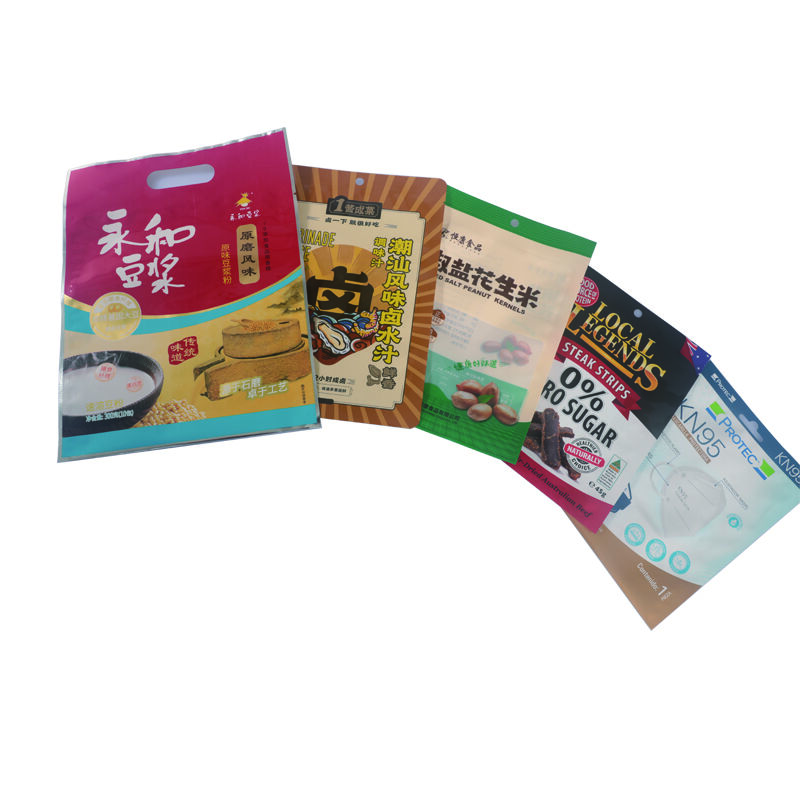
Manufacturing companies constantly evaluate new technologies to improve operational efficiency and product quality, but few innovations offer the compelling financial returns that in-mold label technology delivers. This advanced labeling solution transforms traditional post-production labeling processes by integrating labels directly into plastic components during the molding cycle, creating permanent bonds that eliminate secondary operations while reducing material waste and labor costs.

The financial case for adopting in-mold label technology extends beyond immediate cost savings to encompass enhanced product durability, reduced quality defects, and expanded market opportunities. Understanding the comprehensive return on investment requires analyzing both quantifiable benefits such as labor reduction and material savings, alongside strategic advantages including improved brand differentiation and customer satisfaction that drive long-term revenue growth.
Financial Benefits and Cost Reduction Analysis
Direct Labor Cost Elimination
Traditional labeling processes require dedicated workstations, specialized equipment, and trained operators to apply adhesive labels after molding completion. In-mold label technology eliminates these secondary operations by incorporating labels during the injection molding cycle, typically reducing labor requirements by 60-80% compared to post-molding labeling systems. For manufacturers producing 100,000 units monthly, this translates to annual labor savings ranging from $150,000 to $300,000 depending on regional wage rates and operational complexity.
The elimination of labeling workstations also frees valuable floor space for additional production equipment or inventory storage, creating indirect cost benefits that compound over time. Production supervisors report significant reductions in quality control inspections since in-mold label technology produces consistent results without the placement variations common in manual or semi-automated labeling operations.
Material Waste Reduction and Efficiency Gains
Post-production labeling generates substantial material waste through label placement errors, adhesive failures, and rejected products requiring rework. In-mold label technology achieves near-zero waste rates by ensuring precise label placement and permanent adhesion during the molding process. Manufacturing facilities typically experience 85-95% reduction in labeling-related waste, with corresponding decreases in raw material costs and disposal expenses.
Energy consumption decreases significantly when secondary labeling operations are eliminated, as manufacturers no longer require heating elements for adhesive activation, conveyor systems for product transport, or additional lighting for quality inspection stations. These operational efficiencies contribute to reduced utility costs while supporting corporate sustainability initiatives that increasingly influence customer purchasing decisions.
Production Efficiency and Quality Improvements
Cycle Time Optimization
Implementing in-mold label technology reduces overall production cycle times by eliminating the need to transport molded parts to separate labeling stations and back into the production flow. This streamlined process typically decreases total cycle time by 20-35%, enabling manufacturers to increase output without investing in additional molding equipment. The improved throughput directly impacts profitability by maximizing equipment utilization and reducing per-unit manufacturing costs.
Quality consistency improves dramatically when labels become integral components of the molded product rather than applied additions. In-mold label technology eliminates common failure modes including edge lifting, adhesive degradation, and moisture infiltration that plague traditional labeling methods. This reliability reduces customer complaints, warranty claims, and product recalls that can devastate profit margins and brand reputation.
Enhanced Durability and Performance
Products manufactured with in-mold label technology demonstrate superior durability compared to traditionally labeled items, particularly in challenging environments involving chemical exposure, temperature fluctuations, or mechanical stress. The permanent molecular bond created during the molding process ensures labels remain intact throughout the product lifecycle, reducing replacement costs and maintaining aesthetic appeal that supports premium pricing strategies.
This enhanced durability proves especially valuable in industrial applications where label legibility affects safety compliance and operational efficiency. Companies report significant reductions in field service calls related to illegible or damaged labels, translating to decreased warranty expenses and improved customer satisfaction ratings that drive repeat business and referral opportunities.
Strategic Market Advantages and Revenue Impact
Brand Differentiation and Premium Positioning
In-mold label technology enables sophisticated graphic designs, multiple colors, and special effects that create distinct competitive advantages in crowded marketplaces. The ability to incorporate complex branding elements directly into product surfaces allows manufacturers to command premium prices while building stronger brand recognition. Market research indicates that products featuring advanced labeling technologies achieve 12-18% higher selling prices compared to conventionally labeled alternatives.
The professional appearance and permanent integration of in-mold label technology supports brand positioning strategies that emphasize quality, innovation, and attention to detail. This differentiation becomes increasingly important as customers evaluate suppliers based on technological capabilities and production sophistication rather than price alone.
Market Expansion Opportunities
The superior performance characteristics of products manufactured with in-mold label technology open access to new market segments with stringent quality requirements or challenging operating conditions. Pharmaceutical, food packaging, and automotive industries frequently specify permanent labeling solutions that traditional methods cannot reliably provide, creating revenue opportunities that offset initial technology investment costs.
Export markets particularly value the durability and professional appearance that in-mold label technology delivers, as products must maintain quality throughout extended shipping periods and diverse storage conditions. Manufacturers report successful entry into premium international markets that were previously inaccessible due to labeling quality concerns or regulatory requirements.
Investment Analysis and Implementation Considerations
Capital Requirements and Payback Calculations
Initial investment in in-mold label technology typically ranges from $200,000 to $800,000 depending on production volume requirements, automation levels, and existing equipment compatibility. This capital expenditure includes specialized mold modifications, label handling systems, and operator training programs necessary for successful implementation. However, comprehensive financial analysis reveals payback periods of 18-30 months when all cost savings and revenue enhancements are properly calculated.
The investment timeline considers not only equipment costs but also the learning curve associated with optimizing process parameters and achieving consistent quality results. Early adopters recommend planning for 3-6 months of process refinement during which production efficiency gradually improves to full potential levels.
Risk Mitigation and Success Factors
Successful implementation of in-mold label technology requires careful attention to mold design, material compatibility, and process control systems that ensure consistent results across production runs. Companies that invest in comprehensive training programs and establish close partnerships with technology suppliers achieve faster implementation timelines and more predictable return on investment outcomes.
Risk factors include potential production disruptions during initial implementation, higher material costs for specialized labels, and the need for more sophisticated quality control procedures. However, manufacturers who address these challenges through systematic planning and phased rollouts consistently achieve positive financial returns that justify the initial investment and complexity.
Long-Term Value Creation and Competitive Positioning
Operational Excellence and Scalability
The long-term value proposition of in-mold label technology extends beyond immediate cost savings to encompass operational excellence that supports business growth and market expansion. As production volumes increase, the technology delivers progressively greater value through economies of scale that reduce per-unit costs while maintaining consistent quality standards that support premium pricing strategies.
Manufacturing flexibility improves significantly when in-mold label technology eliminates the constraints imposed by traditional labeling equipment and processes. Companies can respond more quickly to customer requirements for custom graphics, seasonal promotions, or regulatory changes without the lead times and setup costs associated with conventional labeling systems.
Sustainability and Regulatory Compliance
Environmental regulations increasingly favor manufacturing processes that minimize waste generation and energy consumption, positioning in-mold label technology as a forward-looking investment that supports compliance with emerging sustainability requirements. The elimination of adhesive waste, reduced energy consumption, and improved recyclability of finished products align with corporate environmental goals while potentially qualifying for tax incentives or regulatory preferences.
Customer preferences increasingly favor suppliers who demonstrate environmental responsibility and technological innovation, creating competitive advantages that extend beyond immediate cost considerations. Companies implementing in-mold label technology report improved customer retention rates and enhanced reputation among environmentally conscious market segments that command premium pricing.
FAQ
What is the typical return on investment timeline for in-mold label technology?
Most manufacturers achieve full return on investment within 18-30 months of implementation, with payback periods varying based on production volume, labor costs, and market premium opportunities. Higher-volume operations typically experience faster payback due to greater labor savings and material efficiency gains.
How does in-mold label technology impact production flexibility and customization capabilities?
In-mold label technology significantly enhances production flexibility by enabling rapid changeovers between different label designs without equipment modifications or extensive setup procedures. This capability supports mass customization strategies and seasonal product variations that drive additional revenue opportunities.
What are the primary risk factors when implementing in-mold label technology?
Key risk factors include initial production disruptions during the learning curve, higher material costs for specialized labels, and the need for enhanced process control systems. These risks can be effectively managed through comprehensive planning, supplier partnerships, and phased implementation approaches.
How does in-mold label technology contribute to sustainability goals and environmental compliance?
The technology supports sustainability initiatives by eliminating adhesive waste, reducing energy consumption, and improving product recyclability. These environmental benefits often qualify for regulatory incentives while supporting corporate responsibility goals that increasingly influence customer purchasing decisions.
Table of Contents
- Financial Benefits and Cost Reduction Analysis
- Production Efficiency and Quality Improvements
- Strategic Market Advantages and Revenue Impact
- Investment Analysis and Implementation Considerations
- Long-Term Value Creation and Competitive Positioning
-
FAQ
- What is the typical return on investment timeline for in-mold label technology?
- How does in-mold label technology impact production flexibility and customization capabilities?
- What are the primary risk factors when implementing in-mold label technology?
- How does in-mold label technology contribute to sustainability goals and environmental compliance?