 EN
EN


Industrial heat transfer operations rely heavily on consistent equipment performance, making daily maintenance protocols essential for maximizing production efficiency and equipment lifespan. A well-maintained heat transfer machine operates at peak capacity while minimizing unexpected downtime and costly repairs. Understanding the fundamental maintenance requirements allows operators to prevent minor issues from escalating into major mechanical failures that could halt production for days or weeks.
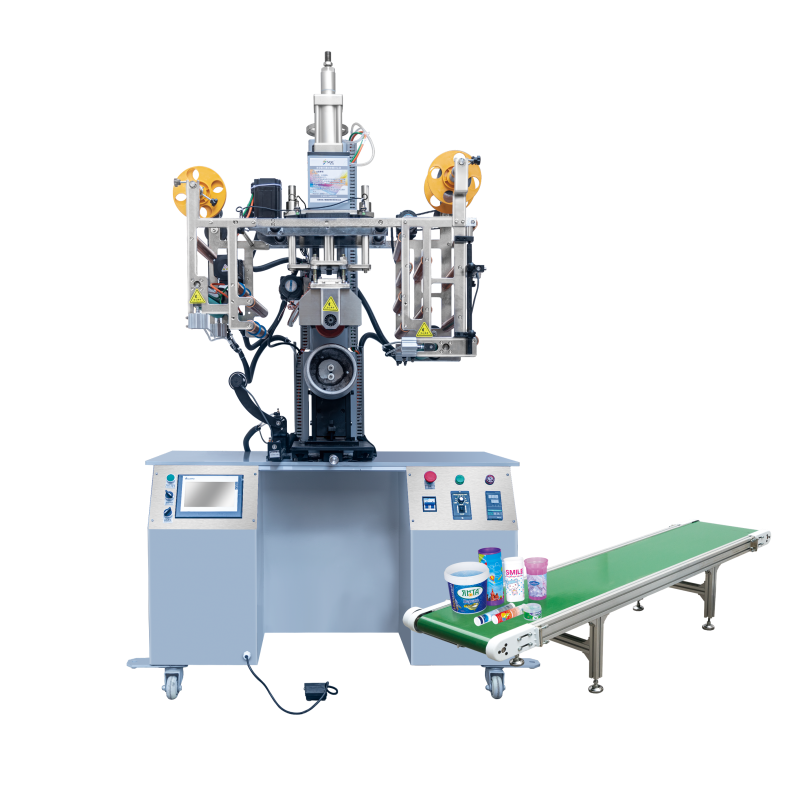
Professional manufacturing facilities worldwide have discovered that implementing systematic daily maintenance routines significantly extends the operational life of their heat transfer machine equipment. These maintenance protocols not only preserve machinery integrity but also ensure consistent product quality and reduce long-term operational costs. Modern industrial environments demand reliability, and proper maintenance practices serve as the foundation for achieving sustained productivity goals.
Essential Pre-Operation Inspection Procedures
Visual Equipment Assessment
Beginning each operational day with a comprehensive visual inspection establishes the foundation for reliable heat transfer machine performance. Operators should examine all external components for signs of wear, damage, or unusual conditions that might indicate developing problems. This inspection includes checking for loose bolts, cracked surfaces, unusual discoloration, or any foreign objects that may have accumulated around the equipment during shutdown periods.
The visual assessment extends to examining electrical connections, ensuring all safety guards remain properly positioned, and verifying that emergency stop mechanisms function correctly. Experienced technicians recognize that early detection of potential issues through visual inspection prevents minor problems from developing into catastrophic failures that require extensive repair work and prolonged downtime.
Temperature and Pressure Verification
Accurate temperature and pressure readings provide critical insights into heat transfer machine operational status and help identify potential inefficiencies before they impact production quality. Daily verification of these parameters ensures that the equipment operates within manufacturer specifications and maintains optimal performance levels throughout extended production runs.
Recording baseline measurements at startup allows operators to track gradual changes that might indicate developing maintenance needs. Sudden deviations from normal operating parameters often signal immediate attention requirements, while gradual changes may indicate component wear that can be addressed during scheduled maintenance windows without disrupting production schedules.
Critical Component Maintenance Tasks
Heat Exchange Surface Cleaning
Heat exchange surfaces accumulate residue, scale, and contaminants during normal operation, reducing thermal efficiency and potentially causing uneven heat distribution patterns. Daily cleaning protocols remove these deposits before they harden or create permanent surface damage that compromises long-term heat transfer machine effectiveness.
Proper cleaning techniques vary depending on the specific materials processed, but generally involve gentle removal of surface deposits using appropriate solvents or cleaning agents recommended by the manufacturer. Abrasive cleaning methods should be avoided as they can damage delicate surface treatments designed to enhance heat transfer efficiency and prevent corrosion.
Lubrication System Monitoring
Lubrication systems require daily attention to ensure adequate oil levels, proper viscosity, and contamination-free operation that protects moving components from premature wear. Checking lubrication points identified in the manufacturer's maintenance manual prevents bearing failures, reduces friction-related heat buildup, and maintains smooth mechanical operation throughout production cycles.
Regular lubrication system monitoring includes verifying automatic lubrication system function, checking for leaks that could indicate seal wear, and ensuring that manual lubrication points receive appropriate attention. Contaminated or degraded lubricants can cause more damage than inadequate lubrication, making quality assessment as important as quantity verification.
Operational Parameter Optimization
Control System Calibration
Daily calibration verification ensures that control systems accurately monitor and regulate heat transfer machine operations according to production requirements. Modern equipment relies heavily on electronic controls that require periodic verification to maintain accuracy and prevent gradual drift that could affect product quality or process efficiency.
Control system maintenance includes checking sensor accuracy, verifying setpoint consistency, and ensuring that automated sequences execute properly without delays or irregularities. These systems often include self-diagnostic features that can alert operators to potential issues, but manual verification provides additional assurance that all components function within acceptable parameters.
Safety System Testing
Safety systems protect both personnel and equipment from potential hazards associated with high-temperature operations, making their daily verification an essential maintenance responsibility. Testing emergency shutdown procedures, temperature limit switches, and pressure relief systems ensures that protective measures activate properly when needed.
Comprehensive safety system testing includes verifying alarm functions, checking emergency stop button operation, and ensuring that safety interlocks prevent unsafe operating conditions. These systems must respond immediately when activated, as delayed response times could result in equipment damage or personnel injury during emergency situations.
Performance Monitoring and Documentation
Data Collection Protocols
Systematic data collection provides valuable insights into heat transfer machine performance trends and helps identify optimization opportunities that improve efficiency and reduce operating costs. Daily recording of key performance indicators creates a historical database that supports predictive maintenance planning and troubleshooting efforts.
Essential data points include operating temperatures, pressure readings, cycle times, energy consumption, and production output metrics that collectively paint a comprehensive picture of equipment performance. This information becomes invaluable when analyzing performance trends, planning maintenance schedules, and making informed decisions about equipment upgrades or replacements.
Maintenance Record Management
Maintaining detailed records of all maintenance activities creates accountability and provides valuable reference information for troubleshooting future issues or planning preventive maintenance schedules. These records should include dates, specific tasks performed, materials used, and observations about equipment condition or performance changes.
Digital maintenance management systems streamline record keeping and enable advanced analytics that can identify patterns or predict maintenance needs based on historical data. Whether using traditional paper logs or sophisticated software platforms, consistent documentation practices support effective maintenance program management and equipment lifecycle optimization.
Troubleshooting Common Issues
Temperature Inconsistency Resolution
Temperature inconsistencies in heat transfer machine operations often indicate problems with heat distribution, control system calibration, or contaminated heat exchange surfaces that require immediate attention. Identifying the root cause involves systematic investigation of potential contributing factors and implementing appropriate corrective measures.
Common causes include partially blocked heat exchange passages, faulty temperature sensors, or control system programming errors that can be resolved through proper cleaning, sensor replacement, or recalibration procedures. Addressing temperature inconsistencies promptly prevents product quality issues and reduces the risk of more serious equipment damage.
Mechanical Vibration Analysis
Unusual vibrations often indicate mechanical problems that could lead to component failure if not addressed promptly through appropriate maintenance interventions. Vibration analysis helps identify imbalanced rotating components, worn bearings, or misaligned mechanical connections that require professional attention.
Early detection of vibration-related issues allows for planned maintenance interventions during scheduled downtime rather than emergency repairs that disrupt production schedules. Regular vibration monitoring using portable analyzers or permanently installed sensors provides objective data for maintenance decision-making and helps prevent catastrophic failures.
Long-Term Maintenance Planning
Preventive Maintenance Scheduling
Effective long-term maintenance planning balances daily maintenance requirements with periodic intensive maintenance procedures that address components requiring less frequent attention. This approach ensures comprehensive heat transfer machine care while minimizing production disruptions and optimizing maintenance resource allocation.
Preventive maintenance schedules should align with production demands, considering seasonal variations, planned shutdowns, and component replacement intervals recommended by manufacturers. Strategic scheduling allows maintenance teams to prepare necessary materials and coordinate with production planning to minimize operational impact.
Component Replacement Strategies
Proactive component replacement based on condition monitoring and historical performance data prevents unexpected failures that could cause extended downtime and emergency repair costs. This strategy requires maintaining adequate spare parts inventory while avoiding excessive capital investment in unused components.
Successful replacement strategies consider component criticality, lead times for procurement, and the potential impact of failure on production operations. Critical components may warrant redundant systems or accelerated replacement schedules to ensure continuous operation, while less critical items can follow more relaxed replacement criteria based on condition assessment.
FAQ
How often should heat exchange surfaces be cleaned during daily maintenance
Heat exchange surfaces should be inspected daily and cleaned whenever visible deposits or reduced thermal efficiency is observed. The cleaning frequency depends on the materials being processed and operating conditions, but most industrial applications benefit from light cleaning every shift and thorough cleaning weekly. Consistent daily cleaning prevents heavy buildup that requires aggressive cleaning methods potentially damaging to heat exchange surfaces.
What are the most critical temperature points to monitor in a heat transfer machine
The most critical temperature monitoring points include the inlet and outlet temperatures of the heating medium, substrate temperature before and after heat transfer, and any intermediate process temperatures specified by the manufacturer. Additionally, bearing temperatures and control cabinet temperatures should be monitored to ensure proper equipment operation and prevent overheating conditions that could damage sensitive components.
How can operators identify when lubrication systems require immediate attention
Operators should watch for signs including unusual noise from mechanical components, visible oil leaks, low oil level indicators, or oil contamination indicated by color changes or visible particles. Additionally, increased operating temperatures in bearings or gearboxes, irregular automatic lubrication system cycling, or difficulty in manual lubrication point servicing indicate immediate attention requirements.
What documentation should be maintained for heat transfer machine daily maintenance
Essential documentation includes daily inspection checklists, temperature and pressure readings, maintenance task completion records, and any unusual observations or corrective actions taken. This documentation should also include material consumption records, component condition assessments, and performance metrics that support trend analysis and predictive maintenance planning for optimal equipment lifecycle management.
Table of Contents
- Essential Pre-Operation Inspection Procedures
- Critical Component Maintenance Tasks
- Operational Parameter Optimization
- Performance Monitoring and Documentation
- Troubleshooting Common Issues
- Long-Term Maintenance Planning
-
FAQ
- How often should heat exchange surfaces be cleaned during daily maintenance
- What are the most critical temperature points to monitor in a heat transfer machine
- How can operators identify when lubrication systems require immediate attention
- What documentation should be maintained for heat transfer machine daily maintenance