 EN
EN


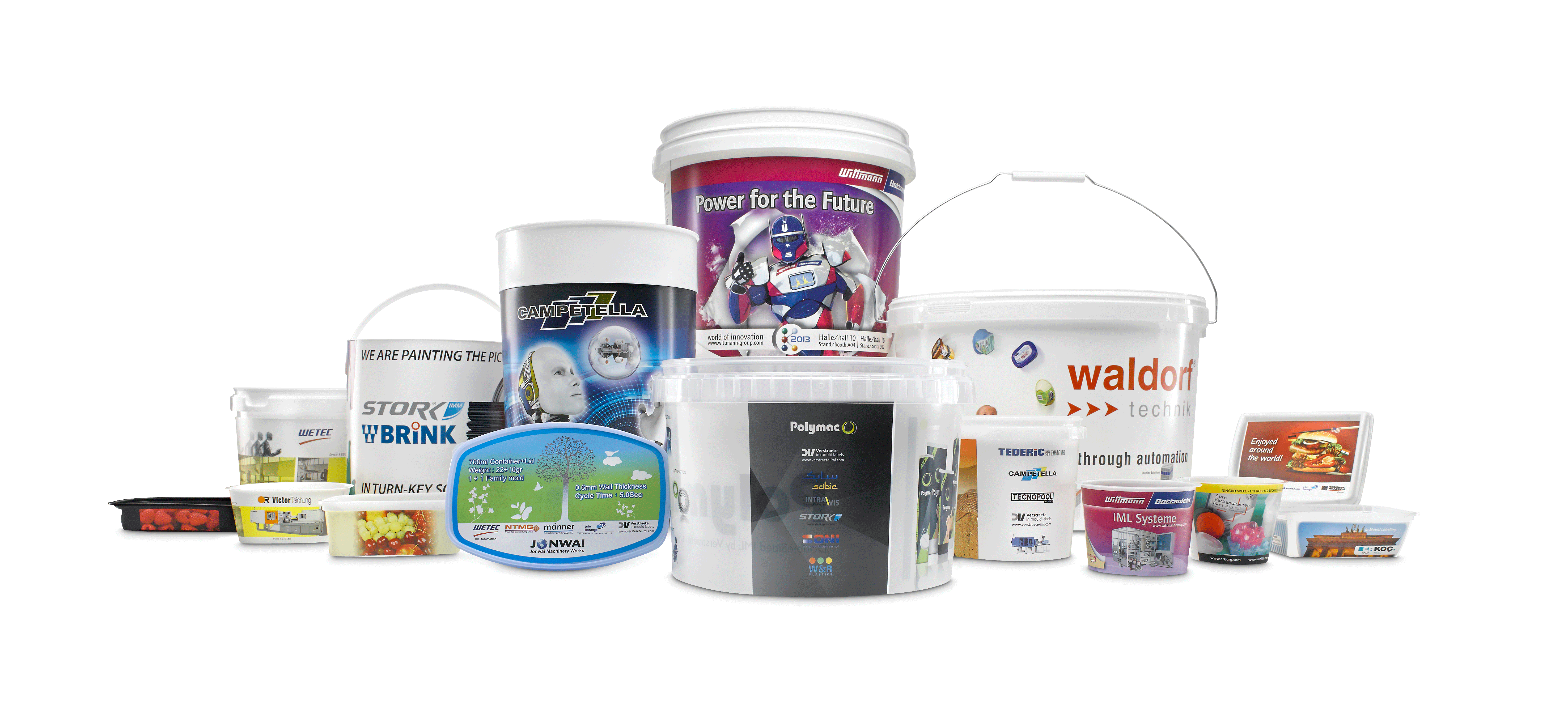
Operating a Heat Transfer Machine requires careful attention to safety protocols and proper procedures to prevent workplace accidents and equipment damage. These sophisticated industrial systems are essential for applying designs, logos, and graphics to various materials, but improper handling can lead to serious injuries and costly downtime. Understanding the most common operating errors and how to avoid them is crucial for maintaining a safe and efficient production environment.
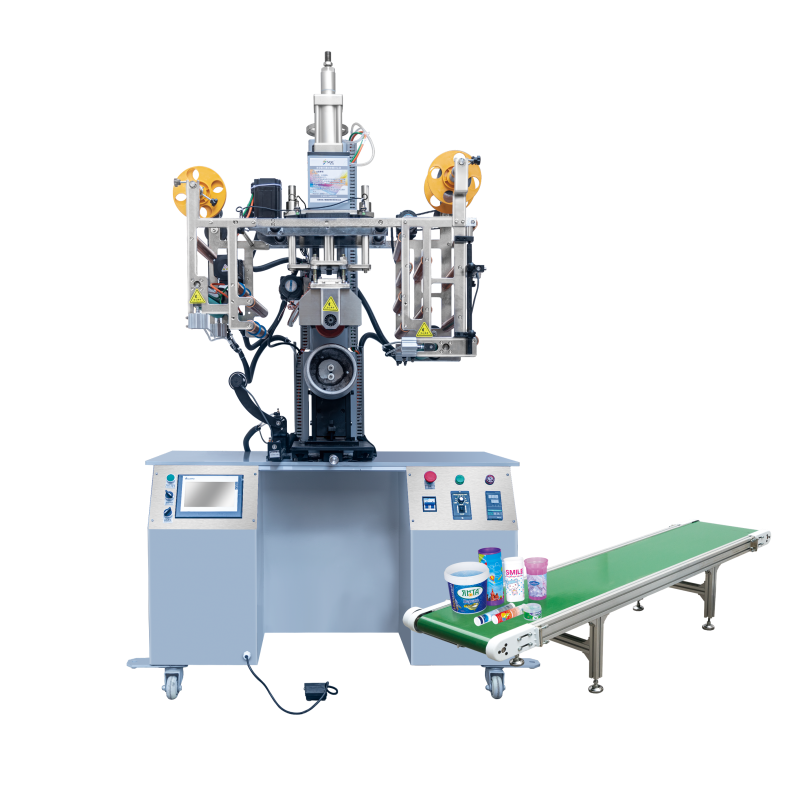
Modern manufacturing facilities rely heavily on heat transfer technology to produce high-quality branded products across multiple industries. From textile printing to promotional item manufacturing, the precision and reliability of heat transfer equipment directly impact production quality and worker safety. Implementing comprehensive safety measures and operator training programs significantly reduces the risk of accidents while maximizing equipment performance and longevity.
Critical Temperature Management Protocols
Proper Heating Element Control
Temperature regulation represents one of the most critical aspects of Heat Transfer Machine operation. Excessive heat can cause severe burns, material damage, and equipment failure. Operators must always verify temperature settings before beginning any transfer process and allow adequate warm-up time according to manufacturer specifications. Digital temperature controllers should be calibrated regularly to ensure accurate readings and prevent overheating incidents.
Maintaining consistent temperature throughout the transfer cycle prevents material warping and ensures uniform application results. Sudden temperature fluctuations can create dangerous conditions where operators might accidentally contact superheated surfaces. Installing temperature monitoring systems with automatic shutoff capabilities provides an additional layer of protection against thermal hazards while maintaining production quality standards.
Cooling and Ventilation Requirements
Adequate cooling systems are essential for safe Heat Transfer Machine operation and preventing heat-related injuries. Proper ventilation removes harmful fumes and maintains comfortable working temperatures around the equipment. Operators should never attempt to speed up cooling processes by applying water or other liquids directly to heated components, as this can cause thermal shock and potential equipment damage.
Emergency cooling procedures must be clearly posted and regularly reviewed with all operators. Installing exhaust fans and air circulation systems helps maintain optimal working conditions while protecting workers from heat stress and respiratory hazards. Regular maintenance of cooling systems ensures reliable operation and prevents unexpected equipment failures during critical production periods.
Pressure System Safety Measures
Hydraulic and Pneumatic Controls
Pressure systems in Heat Transfer Machine applications require constant monitoring to prevent dangerous overpressure conditions. Hydraulic and pneumatic components must be inspected regularly for leaks, wear, and proper operation. Operators should never exceed recommended pressure limits or attempt to bypass safety relief valves, as these actions can result in catastrophic equipment failure and serious injuries.
Proper lockout and tagout procedures are essential when performing maintenance on pressure systems. All stored energy must be safely released before beginning any repair work, and multiple verification steps should confirm system isolation. Training operators to recognize pressure system warning signs, such as unusual noises or visible leaks, helps prevent accidents and extends equipment service life.
Emergency Pressure Release Procedures
Every Heat Transfer Machine installation must include clearly marked emergency pressure release mechanisms accessible to all operators. These systems should be tested regularly to ensure proper function during emergency situations. Training programs must cover rapid pressure relief procedures and evacuation protocols to protect personnel when system failures occur.
Documentation of pressure system maintenance and testing helps identify potential problems before they become safety hazards. Regular pressure testing and component replacement according to manufacturer schedules prevents unexpected failures and maintains optimal safety margins. Emergency response plans should include specific procedures for pressure-related incidents and coordination with facility safety personnel.
Electrical Safety Standards and Practices
Power Supply Protection
Electrical safety represents a fundamental concern in Heat Transfer Machine operations due to the high power requirements and potential for electrical shock. Ground fault circuit interrupters and proper grounding systems must be installed and regularly tested to prevent electrical accidents. All electrical connections should be inspected for corrosion, loose connections, and proper insulation before each operating session.
Lockout and tagout procedures are particularly important when working around electrical components of Heat Transfer Machine systems. Multiple energy sources often power these complex machines, requiring comprehensive isolation procedures before maintenance activities. Operators must be trained to recognize electrical hazards and understand proper emergency response procedures for electrical incidents.
Control System Reliability
Modern Heat Transfer Machine control systems incorporate multiple safety interlocks and monitoring functions to prevent operator errors and equipment damage. These electronic systems require regular calibration and testing to ensure reliable operation under all conditions. Backup control systems and manual overrides provide additional safety measures when primary control systems fail unexpectedly.
Regular software updates and system diagnostics help identify potential control system problems before they compromise safety or production quality. Operators should be familiar with all control functions and emergency shutdown procedures to respond quickly to system malfunctions. Maintaining detailed maintenance logs helps track control system performance and schedule preventive maintenance activities.
Material Handling and Positioning Safety
Substrate Preparation Protocols
Proper material handling procedures prevent injuries and ensure consistent Heat Transfer Machine results. Substrates must be clean, dry, and properly positioned to avoid shifting during the transfer process. Contaminated or improperly prepared materials can cause unpredictable reactions when exposed to heat and pressure, potentially creating safety hazards for operators.
Material positioning systems should include safety guards and emergency stops to prevent operator contact with moving components. Regular inspection of material handling equipment ensures reliable operation and prevents unexpected mechanical failures. Training operators in proper lifting techniques and material handling procedures reduces the risk of repetitive strain injuries and accidents.
Transfer Film and Adhesive Safety
Heat Transfer Machine operations often involve specialized films and adhesives that can release harmful vapors when heated. Proper ventilation systems and personal protective equipment protect operators from chemical exposure during normal operations. Material safety data sheets must be readily available for all transfer materials used in production processes.
Storage and handling of transfer materials require specific environmental conditions to maintain safety and product quality. Temperature-sensitive materials must be stored within recommended ranges to prevent degradation and potential safety hazards. Regular inventory rotation ensures that materials are used within their safe operating periods and prevents the accumulation of expired or degraded products.
Operator Training and Certification Programs
Initial Safety Certification
Comprehensive training programs are essential for safe Heat Transfer Machine operation and must cover all aspects of equipment safety, emergency procedures, and proper operating techniques. Initial certification should include hands-on training under supervision and written testing to verify understanding of safety protocols. Regular recertification ensures that operators maintain current knowledge of safety procedures and equipment updates.
Training documentation and certification records help ensure compliance with safety regulations and provide evidence of proper operator preparation. Standardized training curricula ensure consistent safety practices across all shifts and operators. Regular safety meetings and refresher training sessions help maintain awareness of safety issues and reinforce proper procedures.
Ongoing Safety Education
Continuous education programs keep Heat Transfer Machine operators informed about new safety technologies, regulatory changes, and best practices in industrial safety. Regular safety audits and performance evaluations help identify areas where additional training may be needed. Incident analysis and lessons learned sessions provide valuable learning opportunities to prevent similar accidents in the future.
Safety suggestion programs encourage operator participation in identifying and resolving potential hazards before accidents occur. Regular safety committee meetings provide forums for discussing safety concerns and implementing improvements to existing procedures. Recognition programs for safe operating practices help reinforce positive safety behaviors and maintain high safety standards throughout the organization.
Maintenance and Inspection Protocols
Preventive Maintenance Scheduling
Regular maintenance schedules are crucial for maintaining Heat Transfer Machine safety and performance. Preventive maintenance programs should include daily, weekly, monthly, and annual inspection and maintenance activities. Properly maintained equipment operates more safely and reliably, reducing the risk of unexpected failures that could endanger operators or damage products.
Maintenance records provide valuable information about equipment performance trends and help predict when components may need replacement. Scheduled maintenance activities should be performed during planned downtime to minimize disruption to production schedules. Emergency maintenance procedures should be established for addressing urgent safety issues that cannot wait for scheduled maintenance periods.
Safety Inspection Checklists
Comprehensive safety inspection checklists ensure that all critical safety systems are regularly evaluated and maintained in proper working condition. Daily pre-operational checks should verify that all safety devices are functional before beginning Heat Transfer Machine operations. Weekly and monthly inspections provide more detailed evaluation of safety systems and equipment condition.
Inspection findings must be documented and addressed promptly to maintain safe operating conditions. Critical safety issues should result in immediate equipment shutdown until repairs can be completed. Regular review of inspection data helps identify recurring problems and implement permanent solutions to prevent future safety issues.
FAQ
What are the most common causes of Heat Transfer Machine accidents
The most frequent Heat Transfer Machine accidents result from contact with heated surfaces, improper material handling, electrical hazards, and pressure system failures. Inadequate training, rushed operations, and bypassed safety systems contribute significantly to accident rates. Implementing comprehensive safety protocols and regular training programs can prevent most workplace accidents involving heat transfer equipment.
How often should Heat Transfer Machine safety systems be tested
Safety systems should be tested daily before operations begin, with more comprehensive testing conducted weekly and monthly according to manufacturer recommendations. Emergency shutdown systems, pressure relief devices, and temperature controls require regular calibration and testing to ensure proper function. Annual professional inspections help identify potential safety issues that may not be apparent during routine testing.
What personal protective equipment is required for Heat Transfer Machine operation
Operators should wear heat-resistant gloves, safety glasses, closed-toe shoes, and appropriate clothing that covers exposed skin. Respiratory protection may be required when working with certain transfer materials that produce vapors or particulates. The specific PPE requirements depend on the materials being processed and the operating environment, so consultation with safety professionals is recommended for each application.
How can facilities reduce Heat Transfer Machine operating costs while maintaining safety
Preventive maintenance programs, proper operator training, and regular safety audits help reduce operating costs by preventing accidents, equipment damage, and unplanned downtime. Investing in modern safety systems and automated controls can improve both safety and efficiency. Regular review of operating procedures and continuous improvement initiatives help identify opportunities to enhance both safety and cost-effectiveness in Heat Transfer Machine operations.