 EN


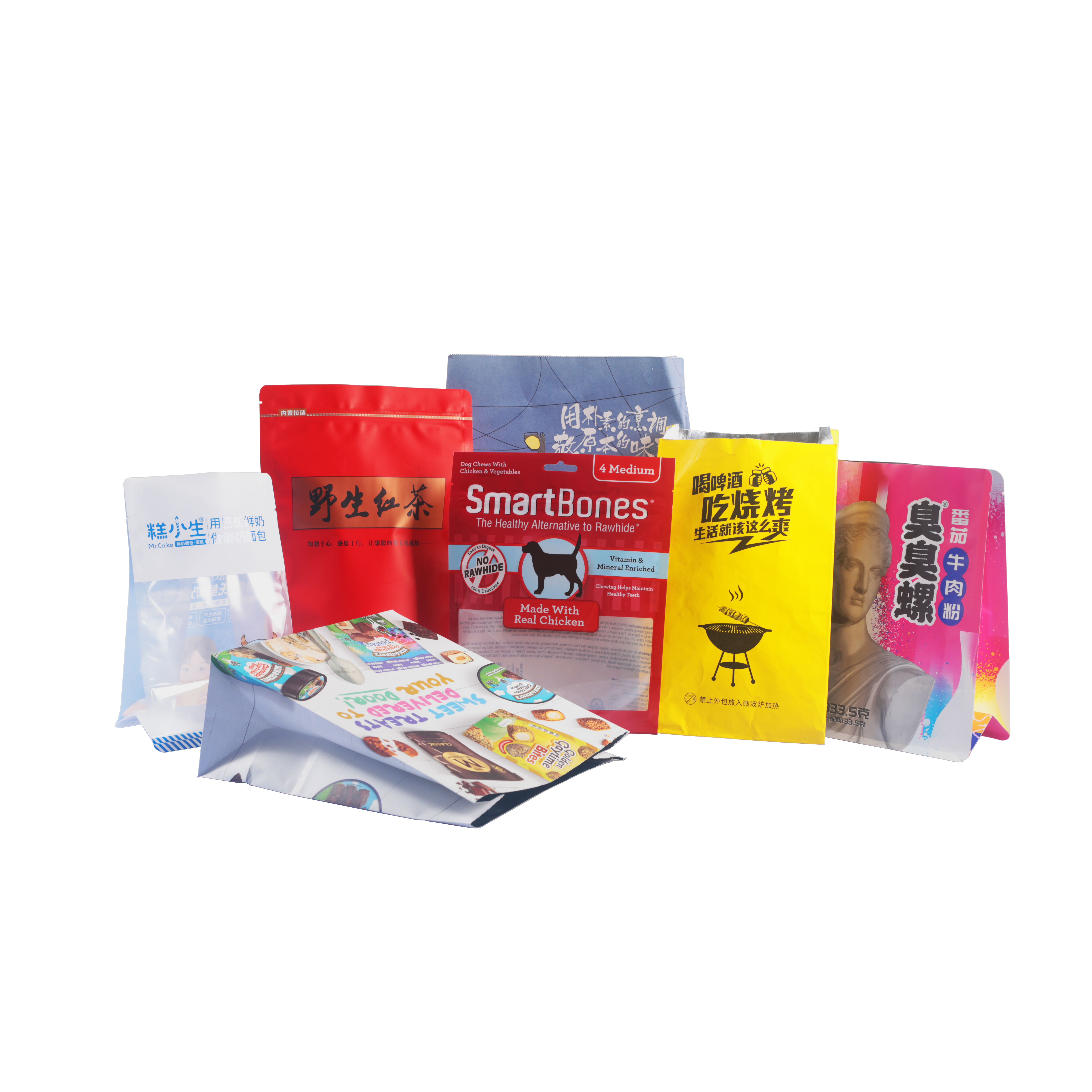
The barrier properties of food packaging bags represent one of the most critical factors in modern food preservation and product protection. Understanding how barrier properties food packaging functions is essential for manufacturers, distributors, and retailers who need to maintain product quality, extend shelf life, and reduce waste. Barrier properties food packaging works by creating a protective shield that prevents external elements from compromising the contents inside, whether that involves oxygen, moisture, light, or other contaminants.
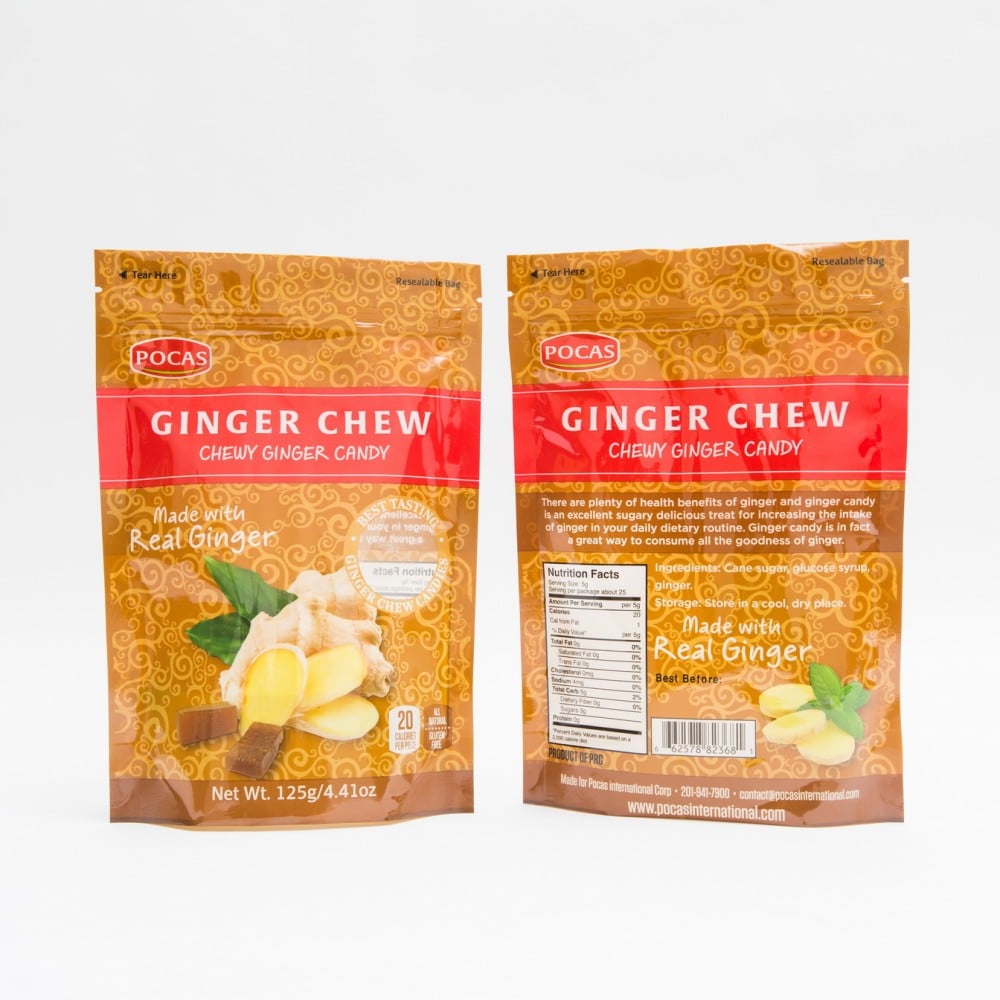
Effective barrier properties of food packaging bags determine how long products remain fresh, flavorful, and safe for consumption. Different food categories require different levels of barrier protection, and choosing the right packaging solution depends on understanding what specific threats your product faces. Whether you are packaging dry goods, oils, snacks, or specialty items, the barrier properties food packaging offers can make or break your product's market performance and customer satisfaction.
Understanding Oxygen Barrier Properties in Food Packaging
Why Oxygen Barrier Matters for Food Preservation
Oxygen is one of the primary enemies of food freshness and quality. When oxygen penetrates food packaging, it triggers oxidation reactions that degrade fats, proteins, and color compounds, leading to rancidity, discoloration, and flavor deterioration. The barrier properties food packaging provides against oxygen directly impacts how long your product remains commercially viable on store shelves. Foods like nuts, oils, cereals, and baked goods are particularly vulnerable to oxygen exposure, which makes choosing the right packaging with superior oxygen barrier properties absolutely critical for brand reputation and customer retention.
Oxygen Transmission Rate and Material Selection
The oxygen transmission rate, commonly measured as OTR (Oxygen Transmission Rate), quantifies how much oxygen passes through the barrier properties of food packaging material over time. Materials like aluminum foil, metallized films, and high-barrier polyamide offer excellent oxygen barrier properties food packaging requires for sensitive products. The barrier properties food packaging materials must be evaluated against your specific product shelf-life goals and storage conditions. Multi-layer composite structures dramatically improve oxygen barrier properties by combining materials that each contribute unique protective qualities to the overall packaging solution.
Moisture Barrier and Environmental Protection
Managing Moisture Ingress with Barrier Properties
Moisture represents a different but equally serious challenge to food preservation, as excessive humidity can cause caking, mold growth, bacterial proliferation, and texture degradation. The barrier properties food packaging offers against moisture ingress determines whether your product remains shelf-stable throughout its intended retail and storage period. Products like powdered ingredients, dried fruits, pharmaceuticals, and hygroscopic snacks demand exceptional moisture barrier properties from their packaging. Understanding water vapor transmission rate, or WVTR, helps you select packaging with appropriate barrier properties food packaging categories need for protection in different climate zones and storage environments.
Barrier Properties in Humid Climates
Tropical and subtropical regions present unique challenges because high ambient humidity constantly tests the barrier properties of food packaging bags. When barrier properties food packaging cannot adequately resist moisture, products shipped to these regions arrive damaged or unsafe. Specialized multi-layer constructions enhance the barrier properties food packaging provides by incorporating hydrophobic films and moisture-blocking layers that maintain product integrity regardless of external humidity. The investment in superior barrier properties food packaging pays dividends through reduced returns, improved customer satisfaction, and stronger brand loyalty in moisture-prone markets.
Light Barrier Properties and Product Stability
UV Light Protection Through Advanced Barrier Properties
Light exposure, particularly ultraviolet radiation, triggers photodegradation and accelerates the breakdown of vitamins, pigments, and functional ingredients in many food products. The barrier properties food packaging must include effective light blocking to protect sensitive items like oils, seasonings, vitamins, and photosensitive beverages. Opaque and metallized films excel at providing light barrier properties that food packaging needs to keep products stable. When barrier properties food packaging successfully block light transmission, manufacturers can reduce or eliminate expensive preservatives and deliver cleaner label products that consumers increasingly demand.
Color and Transparency Trade-offs
Achieving barrier properties in food packaging while maintaining product visibility requires strategic material selection and design choices. Some consumers expect to see the product inside, while others prioritize protection, creating a tension that barrier properties food packaging must balance thoughtfully. Metallized films provide exceptional light barrier properties while still allowing partial visibility, offering a middle-ground solution where barrier properties food packaging can serve both aesthetic and protective purposes. Advanced coating technologies now enable barrier properties food packaging to achieve near-opaque light blocking on transparent substrates, expanding design flexibility while maintaining the barrier properties food packaging experts recommend for demanding applications.
Multi-Layer Design and Barrier Properties Integration
Composite Structure Benefits
Modern barrier properties in food packaging rely on multi-layer composite construction where each material contributes specific protective functions. The barrier properties food packaging achieves through composite design far exceed what any single material could provide alone, making composite solutions the industry standard for premium applications. Polyester, polyamide, polypropylene, and aluminum layers work synergistically to create barrier properties that food packaging demands for long shelf life and maximum freshness retention. When properly engineered, the barrier properties of food packaging bags can achieve oxygen transmission rates below 0.5 cc/m²/day and moisture vapor transmission rates under 1 g/m²/day.
Manufacturing and Quality Verification
Verifying that the barrier properties food packaging offers actually meets specification requires rigorous testing throughout production. Advanced testing equipment measures the barrier properties food packaging exhibits under controlled conditions that simulate real-world storage scenarios. Quality assurance protocols ensure the barrier properties of food packaging bags remain consistent across production runs and remain stable throughout the product's shelf life. When barrier properties food packaging pass stringent verification protocols, you gain confidence that your investment in premium packaging delivers measurable protection and customer value. The barrier properties food packaging provides must be validated through independent testing to ensure claims are defensible and compliance is maintained.
FAQ
What specific barrier properties should I prioritize for my product?
The barrier properties your product needs depends on its specific vulnerabilities: dry goods benefit most from moisture and oxygen barrier properties, oils and fats need exceptional oxygen barrier properties food packaging offers, while light-sensitive supplements require strong light barrier properties. Evaluate your product's shelf-life requirements, target markets' humidity levels, and storage conditions to determine which barrier properties food packaging should take priority. Consulting with packaging engineers who understand your product category helps optimize the barrier properties of food packaging bags for both protection and cost-efficiency without over-specification.
How do I measure and verify barrier properties in food packaging?
Industry standard testing methods measure oxygen transmission rate, water vapor transmission rate, and light transmission properties through controlled laboratory procedures that simulate actual storage conditions. Reputable packaging suppliers provide third-party test reports documenting the barrier properties food packaging offers, allowing you to compare options objectively. Accelerated aging tests reveal how barrier properties food packaging maintains protective performance over extended storage periods and in various environmental conditions. Requesting barrier properties documentation from your packaging provider ensures you can make data-driven decisions about which barrier properties food packaging best serves your business requirements.
Does improved barrier properties mean higher packaging costs?
Superior barrier properties in food packaging do typically increase material costs, but the investment often delivers strong return through reduced product loss, extended shelf life, and improved customer satisfaction that protects brand reputation. While basic barrier properties food packaging meets simple requirements, premium barrier properties for challenging products require advanced multi-layer structures and specialty materials that command higher prices. However, comparing total cost of ownership including product damage, waste, and customer returns often reveals that superior barrier properties food packaging represents excellent value despite higher upfront packaging expense. Strategic sourcing and optimizing barrier properties specifically to meet your actual product needs, rather than exceeding requirements, helps balance protection and economics effectively.