 EN
EN


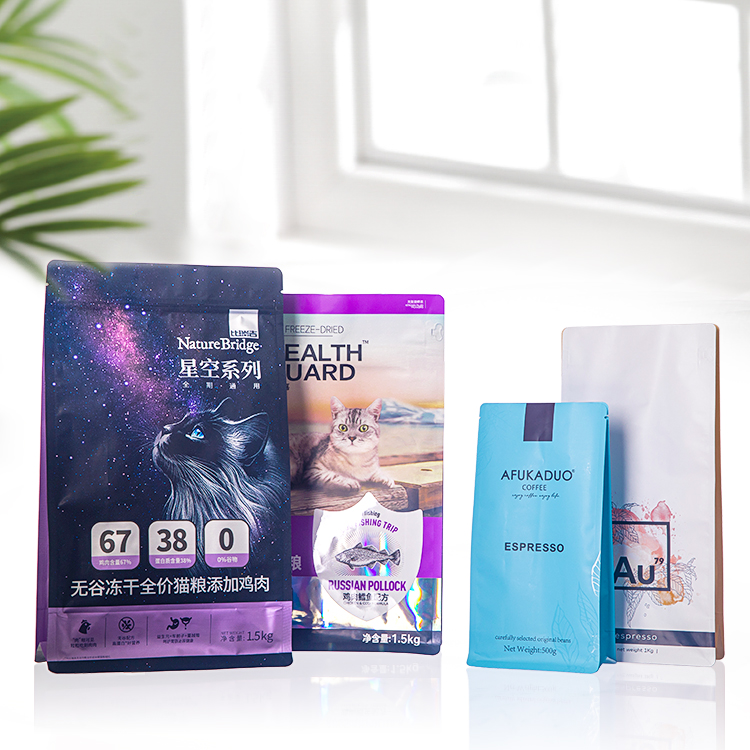
Food waste represents a significant challenge for households and businesses alike, with improper storage being a primary culprit behind spoilage. Understanding how vacuum bags extend food shelf life opens the door to practical, science-backed preservation methods that can dramatically reduce waste and save money. The mechanics behind vacuum bags extend food shelf life involve fundamental principles of food chemistry and microbial growth prevention that have been refined over decades.
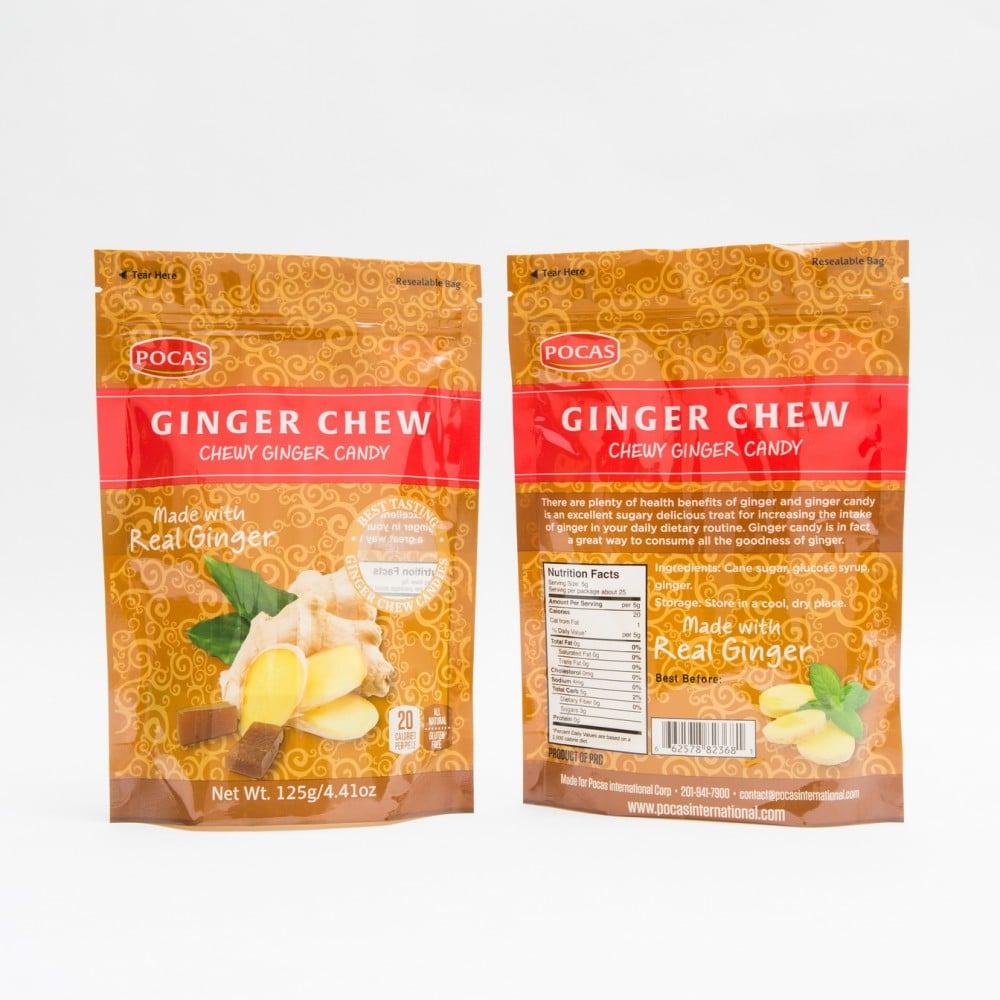
Vacuum bags extend food shelf life through a combination of oxygen removal, moisture control, and barrier protection. When air is extracted from the packaging, the environment becomes hostile to aerobic bacteria and mold, which require oxygen to reproduce and thrive. This oxygen-depleted environment dramatically slows the oxidation process, inhibits microbial growth, and preserves the nutritional integrity of stored foods far longer than conventional storage methods.
The Oxygen Removal Principle Behind Vacuum Bags
How Oxygen Accelerates Food Deterioration
Oxygen is one of the most damaging elements affecting stored food, triggering multiple degradation pathways simultaneously. When oxygen contacts food surfaces, it initiates oxidation reactions that break down fats, proteins, and vitamins, causing rancidity, discoloration, and nutrient loss. Aerobic bacteria and mold organisms require oxygen to metabolize and reproduce, making oxygen presence the primary driver of microbial spoilage in most storage scenarios. Vacuum bags extend food shelf life by eliminating this oxygen dependency, creating an environment where bacterial growth slows to near-zero rates and chemical deterioration processes decelerate significantly.
Creating an Anaerobic Storage Environment
The vacuum sealing process removes approximately 90 percent of air from the bag, establishing an anaerobic state that fundamentally transforms food preservation chemistry. Once vacuum bags extend food shelf life by removing oxygen, anaerobic bacteria may eventually emerge, but they reproduce far more slowly than aerobic pathogens and rarely produce harmful toxins in properly sealed, refrigerated conditions. The oxygen barrier created by vacuum sealing prevents oxygen reintroduction from external sources, maintaining this protective anaerobic environment throughout the storage period. Industrial-grade vacuum bags extend food shelf life even more effectively through multi-layer construction that combines plastic films with aluminum or nylon barriers, further reducing oxygen permeability.
Moisture Control and Microbial Growth Prevention
Managing Water Activity and Bacterial Proliferation
Water activity is the critical factor that determines microbial growth rates, as bacteria require moisture to replicate and colonize food surfaces. Vacuum bags extend food shelf life by creating a sealed microenvironment where moisture remains trapped within the package, preventing external humidity from promoting bacterial growth while also preventing food dehydration that occurs in conventional storage. The hermetic seal created by vacuum packaging eliminates the air exchange cycles that cause moisture fluctuation, stabilizing the internal humidity and suppressing mold and fungal development. High-moisture foods like meats and seafood see particularly dramatic shelf-life extensions when stored in vacuum bags extend food shelf life, sometimes doubling or tripling storage duration compared to open-air refrigeration.
Reducing Enzymatic Degradation and Color Loss
Enzymes naturally present in foods trigger browning, texture breakdown, and flavor deterioration even in the absence of microbial activity. When vacuum bags extend food shelf life, they reduce the enzymatic activity rate by limiting oxygen availability and maintaining lower, more stable temperatures through reduced exposure during storage. The moisture containment in vacuum-sealed packages also slows enzymatic reactions by preventing the surface drying that accelerates oxidative browning in conventional freezer storage. This enzymatic control is particularly important for preserved meats, vegetables, and seafood, where color retention and texture integrity directly impact perceived quality and consumer satisfaction.
Temperature Stability and Long-Term Preservation Outcomes
Synergistic Effects of Vacuum Sealing and Refrigeration
While vacuum bags extend food shelf life significantly on their own, the combination of vacuum sealing with refrigeration or freezing creates exponential preservation benefits that far exceed either method alone. The sealed environment prevents temperature cycling effects that normally occur when packages are repeatedly exposed to warmer external conditions, which would otherwise promote condensation, ice crystal formation, and accelerated spoilage. When vacuum bags extend food shelf life in freezer environments, they also eliminate freezer burn by preventing ice crystal formation on food surfaces, a common problem in conventional packaging that degrades texture and quality even at subzero temperatures. Professional food service operations and home preservation enthusiasts both recognize that vacuum sealing represents the gold standard for long-term frozen storage, with properly vacuum-sealed foods maintaining quality for months longer than traditionally packaged items.
Practical Shelf-Life Extension Benchmarks
Real-world data demonstrates the dramatic impact vacuum bags extend food shelf life across diverse food categories and storage conditions. Raw meats typically remain safe and quality-retained for three to five days in conventional packaging but extend to two to three weeks in vacuum bags within refrigerated conditions. Frozen meats show even more dramatic differences, with vacuum-sealed items remaining high-quality for six to twelve months compared to three to six months for conventional freezer wrapping. Prepared foods, vegetables, and seafood show similar proportional improvements, making vacuum bags extend food shelf life a scientifically validated approach for minimizing waste and maximizing storage efficiency. The financial return on vacuum sealing equipment quickly becomes apparent when calculating the food waste reduction and reduced spoilage losses over typical household or commercial operations.
Practical Implementation for Optimal Results
Selecting Appropriate Vacuum Bag Materials and Thickness
Not all vacuum bags are equally effective at extending food shelf life, as thickness, material composition, and barrier layer design directly influence long-term preservation performance. Standard single-layer plastic bags provide moderate oxygen barrier properties sufficient for short-term storage, while multi-layer composite bags with aluminum foil or nylon layers create superior oxygen barriers that allow vacuum bags extend food shelf life for extended periods. For commercial applications or premium home preservation, vacuum bags with enhanced barrier properties justify the additional cost through dramatically improved shelf-life extension and superior protection against oxidative degradation. The selection between refrigerated versus frozen storage applications should also influence bag choice, as freezing applications may require thicker materials to withstand brittleness at subzero temperatures.
Proper Vacuum Sealing Techniques and Common Errors
Even with high-quality vacuum bags extend food shelf life materials, improper sealing technique can dramatically reduce preservation effectiveness and create premature spoilage conditions. Incomplete vacuum formation leaves residual oxygen that supports rapid microbial growth, negating the preservation benefits and potentially creating food safety risks if sealed products are left at room temperature. Moisture and food particles in the seal area can prevent hermetic sealing, allowing external air penetration that quickly reintroduces oxygen and reduces shelf-life extension. Proper vacuum sealing technique requires ensuring clean, dry seal zones, using appropriate sealing temperature settings, and allowing adequate dwell time for complete heat fusion. When executed correctly, vacuum bags extend food shelf life through reliable, repeatable preservation that transforms food storage practices and eliminates the waste typically associated with conventional packaging methods.
FAQ
How much longer do vacuum bags extend food shelf life compared to conventional storage?
Vacuum bags extend food shelf life by approximately three to five times the duration of conventional packaging for refrigerated storage, and up to two to four times longer for frozen applications. Raw meats extend from three to five days to two to three weeks when refrigerated in vacuum packaging, while frozen items extend from three to six months to six to twelve months. The actual extension varies based on food type, initial quality, storage temperature, and bag material properties, but vacuum sealing consistently delivers dramatic shelf-life improvements across all food categories.
Are vacuum-sealed foods safe for long-term storage without refrigeration?
Vacuum bags extend food shelf life significantly, but room-temperature storage still requires careful consideration due to anaerobic bacteria risks. While vacuum removal eliminates aerobic pathogens, anaerobic organisms like botulism can potentially develop in non-acidic foods stored at room temperature without additional preservation methods like heat processing. Vacuum bags extend food shelf life most safely when combined with refrigeration, freezing, or other preservation methods like smoking, curing, or acidification that address anaerobic pathogen concerns.
What types of foods benefit most from vacuum bag preservation?
Vacuum bags extend food shelf life most dramatically for high-moisture, protein-rich foods including raw meats, seafood, and prepared dishes that spoil rapidly through conventional storage. Vegetables, fruits, cheeses, and baked goods also show substantial shelf-life improvements, though soft items may require special care to prevent crushing during vacuum sealing. Dry goods like grains, nuts, and coffee beans benefit from vacuum bags extend food shelf life through oxidation prevention, while foods with high salt, sugar, or acid content naturally resist spoilage and show proportionally smaller shelf-life extensions.