 EN
EN



Food packaging bags serve as critical barriers between products and consumers, making them central to food safety, regulatory compliance, and brand protection worldwide. The global market for food packaging bags is governed by an intricate framework of safety standards and regulations designed to prevent contamination, maintain product integrity, and protect public health. Understanding these requirements is essential for manufacturers, distributors, and retailers who must ensure their food packaging bags meet stringent criteria across multiple jurisdictions. This comprehensive overview explores the key safety standards, regulatory frameworks, and compliance mechanisms that shape the food packaging bags industry internationally.
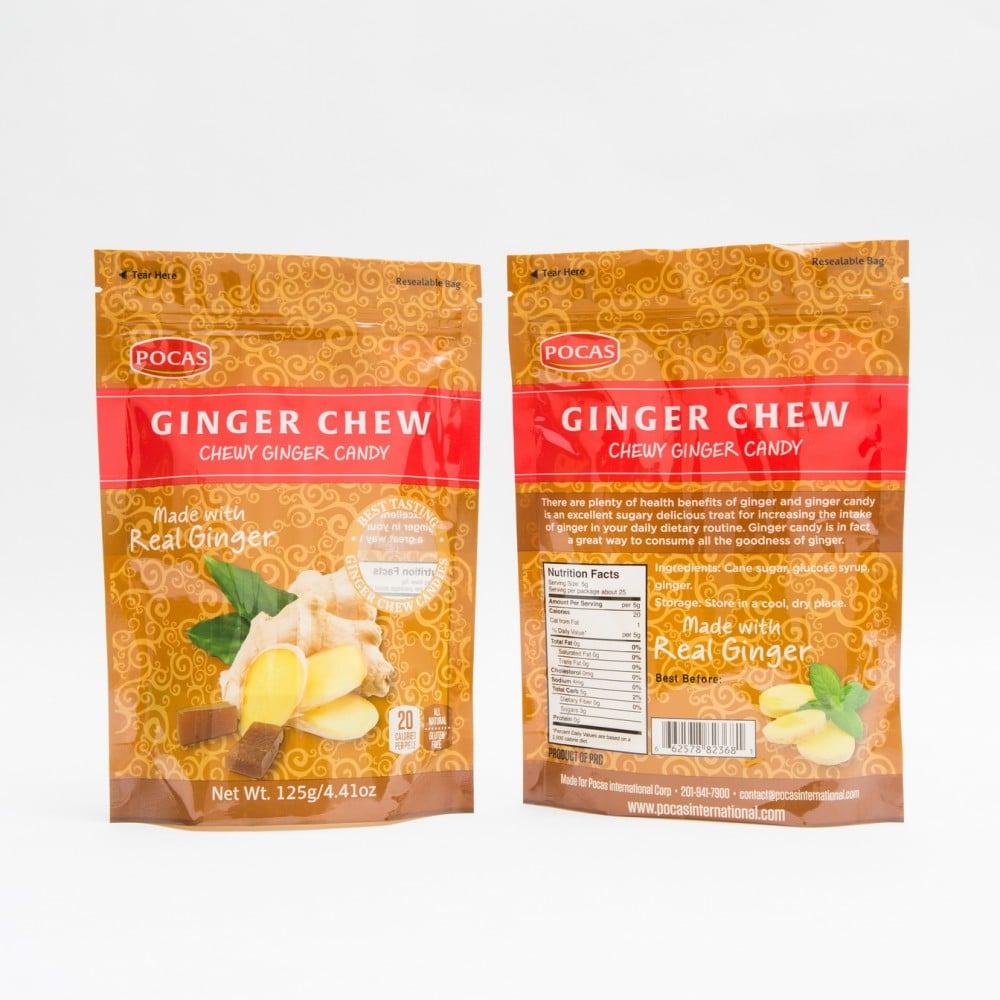
The regulatory landscape for food packaging bags continues to evolve as scientific research uncovers new risks and consumer awareness grows regarding packaging materials. Different regions enforce distinct standards for food packaging bags, reflecting local regulatory philosophies, manufacturing practices, and food safety priorities. The stakes are high: non-compliant food packaging bags can result in product recalls, legal liability, financial losses, and damage to brand reputation. Businesses operating in multiple markets must navigate overlapping requirements while maintaining cost efficiency and operational consistency across their food packaging bags supply chain.
Regulatory Frameworks Governing Food Packaging Bags Worldwide
European Union Standards for Food Packaging Bags
The European Union maintains some of the world's most rigorous standards for food packaging bags through regulations like EC 1935/2004 and EC 10/2011. These frameworks establish requirements for materials in contact with food, including plastic, paper, glass, and composite food packaging bags. The EU Framework Regulation mandates that all food packaging bags must not transfer harmful substances to food at levels that could pose health risks or cause unacceptable deterioration of food quality. Manufacturers of food packaging bags must conduct migration testing, which measures how much material leaches from packaging into food under specific temperature and contact conditions. The EU approach emphasizes precaution and scientific evidence, requiring food packaging bags producers to maintain detailed compliance documentation and supply chain traceability.
United States FDA Requirements for Food Packaging Bags
In the United States, the Food and Drug Administration (FDA) regulates food packaging bags under 21 CFR Parts 170 through 186, collectively known as Food Additives regulations. The FDA maintains a Positive List of approved materials for food packaging bags, and manufacturers must ensure their food packaging bags compositions comply with this list. FDA regulations for food packaging bags focus on indirect food additives, establishing limits on acceptable migration levels and requiring safety data supporting each additive used in food packaging bags. Unlike the EU, the FDA does not require pre-market notification for most food packaging bags materials, but manufacturers bear full responsibility for ensuring compliance. The FDA conducts periodic inspections and may issue warnings or recalls if food packaging bags are found to violate standards, making proactive compliance essential for food packaging bags producers.
Material Safety Standards and Testing Requirements for Food Packaging Bags
Plastic Food Packaging Bags Material Specifications
Plastic food packaging bags represent the largest segment of global packaging solutions, and their safety depends on polymer selection, additives, and manufacturing controls. Common plastics used in food packaging bags include polyethylene (PE), polypropylene (PP), polyethylene terephthalate (PET), and polystyrene (PS), each with specific regulatory clearances and migration limits. Food packaging bags manufacturers must verify that plastic resins meet pharmacopeial standards and that all additives—including plasticizers, colorants, and stabilizers—are approved for food contact use. Migration testing of food packaging bags requires simulating real-world conditions by exposing packaging to fatty, acidic, or aqueous food simulants at elevated temperatures. Non-compliant food packaging bags can leach substances like BPA, phthalates, or other chemical contaminants, triggering recalls and regulatory action. Manufacturers maintain comprehensive material certifications and test reports for all food packaging bags batches to demonstrate ongoing compliance with evolving standards.
Paper and Composite Food Packaging Bags Testing Protocols
Paper-based food packaging bags and multi-layer composite food packaging bags face distinct testing requirements because they often contain coatings, adhesives, and barrier layers that may release substances into food. For food packaging bags made from recycled materials, FDA and EU regulations impose stricter scrutiny, requiring food packaging bags producers to establish the origin and treatment history of recycled inputs. Sensory testing of food packaging bags involves evaluating whether packaging imparts off-flavors, odors, or visual changes to the product. Food packaging bags composed of multiple layers must be tested as a complete system, not individually, since interactions between layers can affect migration patterns. Regulatory agencies require food packaging bags manufacturers to provide technical documentation proving that coatings, inks, and adhesives do not exceed migration thresholds. These comprehensive food packaging bags evaluations demand investment in laboratory capabilities and ongoing monitoring as formulations or suppliers change.
Compliance, Labeling, and International Trade Considerations for Food Packaging Bags
Regulatory Compliance Documentation for Food Packaging Bags
Manufacturers of food packaging bags must maintain detailed compliance files demonstrating that their products meet applicable standards in target markets. Food packaging bags compliance documentation typically includes material certifications, test reports from accredited laboratories, risk assessments, and supplier quality agreements. The EU requires food packaging bags producers to issue a Declaration of Compliance stating that their food packaging bags conform to EC 1935/2004, with supporting evidence available for inspection. In the US, FDA expects food packaging bags manufacturers to keep records of food packaging bags formulations, test results, and safety evaluations available for regulatory review. Cross-border trade in food packaging bags increasingly requires demonstrating compliance with multiple regional standards simultaneously, necessitating robust quality management systems and supply chain transparency for food packaging bags operations.
Labeling Requirements and Consumer Information on Food Packaging Bags
Food packaging bags must display appropriate labeling and information to enable downstream users to ensure compliance when the food packaging bags contact food products. Labeling for food packaging bags typically includes composition information, safety warnings for specific end-uses, recycling instructions, and supplier contact details. Some jurisdictions require food packaging bags to bear specific warnings or symbols, such as 'food packaging bags' symbols indicating suitability for specific applications or temperature ranges. Digital traceability systems now enable food packaging bags suppliers to provide detailed compliance information electronically, improving transparency and reducing documentation burdens. Retail and institutional food service customers increasingly audit suppliers' food packaging bags compliance records, making transparent labeling and documentation a competitive advantage in procurement processes.
Emerging Trends and Future Considerations in Food Packaging Bags Regulation
Sustainability and Safety Integration in Food Packaging Bags Standards
Regulatory bodies are increasingly integrating sustainability criteria into food packaging bags standards, requiring manufacturers to balance safety compliance with environmental responsibility. Extended Producer Responsibility (EPR) schemes affect food packaging bags design and material selection, incentivizing recyclable and compostable options while maintaining safety performance. Regulations on single-use plastics directly influence food packaging bags material choices, pushing innovation toward alternative materials and closure systems for food packaging bags. Bio-based and compostable food packaging bags must meet the same safety standards as conventional plastic food packaging bags, requiring additional testing protocols. The intersection of food packaging bags safety standards with circular economy principles creates opportunities for manufacturers who can demonstrate both regulatory compliance and environmental stewardship in their food packaging bags offerings.
Technological Advances in Food Packaging Bags Compliance Verification
Advanced analytical techniques and rapid testing methods are transforming how manufacturers verify food packaging bags compliance and streamline quality assurance processes. Blockchain and digital supply chain tracking enable real-time verification of food packaging bags material origins and compliance status across global networks. Artificial intelligence applications in quality control help manufacturers detect potential food packaging bags contamination or defects before products reach the market. Harmonization efforts across regional regulatory bodies continue to simplify food packaging bags compliance frameworks, though divergences in standards for food packaging bags remain significant. Investment in digital infrastructure and testing technology positions food packaging bags manufacturers to adapt quickly to regulatory changes while maintaining the highest safety standards for consumers and food businesses.
FAQ
What are the main regulatory agencies governing food packaging bags standards globally?
The primary regulatory authorities for food packaging bags include the European Commission and Member State authorities in the EU, the FDA in the United States, Health Canada in Canada, the CFIA in Australia, and MFDS in South Korea. Each jurisdiction maintains its own food packaging bags standards framework with varying requirements. International organizations like ISO and the Codex Alimentarius Commission provide guidance and promote harmonization of food packaging bags standards, though regulatory enforcement remains a national or regional responsibility. Major trading partners often require food packaging bags suppliers to comply with multiple standards simultaneously to access different markets.
How do manufacturers ensure their food packaging bags meet migration safety limits?
Manufacturers conduct migration testing by exposing food packaging bags samples to standardized food simulants—such as water, acetic acid, ethanol, or fatty substances—at specified temperatures and times matching intended use conditions. Accredited laboratories measure the quantity and identity of substances released from food packaging bags into simulants, comparing results against regulatory limits. Food packaging bags manufacturers must work with material suppliers to select approved additives and establish processing controls that prevent excessive migration. Documentation of food packaging bags testing protocols and results forms the foundation of regulatory compliance demonstrations and customer audits. Regular retesting of food packaging bags batches and when formulations change ensures ongoing compliance throughout the product lifecycle.
What happens if food packaging bags fail regulatory compliance testing?
Non-compliant food packaging bags can trigger regulatory warnings, market recalls, and legal penalties for manufacturers and distributors. When food packaging bags are found to violate standards, regulatory agencies may seize products, issue fines, and require corrective action plans. Affected food packaging bags must be reformulated, reprocessed, or destroyed depending on the nature of the violation and regulatory guidance. Manufacturers of non-compliant food packaging bags may face suspension from selling in that market, reputation damage, and customer loss. Supply chain partners often conduct root cause investigations and demand preventive measures from food packaging bags suppliers. Insurance and legal costs associated with food packaging bags recalls can be substantial, making proactive compliance investment significantly more cost-effective than managing regulatory violations.
Table of Contents
- Regulatory Frameworks Governing Food Packaging Bags Worldwide
- Material Safety Standards and Testing Requirements for Food Packaging Bags
- Compliance, Labeling, and International Trade Considerations for Food Packaging Bags
- Emerging Trends and Future Considerations in Food Packaging Bags Regulation
- FAQ