 EN
EN


Nitrogen flushing preservation technology has become a cornerstone of modern food packaging, enabling manufacturers to extend shelf life while maintaining product quality and freshness. This specialized technique involves replacing oxygen in food packaging with nitrogen gas, creating a controlled atmosphere that slows oxidation, microbial growth, and degradation. Understanding nitrogen flushing preservation technology is essential for food producers seeking competitive advantage in today's demanding market where consumers expect both quality and convenience.
The effectiveness of nitrogen flushing preservation technology lies in its simplicity and scientific foundation. By reducing oxygen content within packaging, nitrogen flushing preservation technology creates an inert environment that dramatically slows chemical reactions responsible for food deterioration. This approach applies across diverse food categories including snacks, baked goods, seafood, and specialty products, making nitrogen flushing preservation technology a versatile solution for manufacturers facing shelf life challenges.
The Core Principles Behind Nitrogen Flushing Preservation Technology
Understanding Oxygen's Role in Food Degradation
Oxygen is the primary driver of food spoilage, triggering oxidation reactions that compromise taste, texture, nutrition, and appearance. When nitrogen flushing preservation technology removes oxygen from the packaging headspace, it eliminates the catalyst for these destructive processes. The principle underlying nitrogen flushing preservation technology recognizes that food products deteriorate through multiple pathways: lipid oxidation in fatty foods, enzymatic browning in fresh products, and moisture migration that affects texture and crispness.
Modified Atmosphere Environment Creation
Nitrogen flushing preservation technology creates what industry professionals call a modified atmosphere package, or MAP environment. This controlled atmosphere is specifically calibrated to slow microbial growth, preserve sensory qualities, and maintain nutritional integrity. The science of nitrogen flushing preservation technology extends beyond simple oxygen removal; it establishes a stabilized environment where remaining trace oxygen is insufficient to sustain aerobic bacterial growth, while the nitrogen itself remains inert and does not interact with food components.
How Nitrogen Flushing Preservation Technology Extends Product Shelf Life
Reducing Oxidative Degradation Mechanisms
Products protected by nitrogen flushing preservation technology experience significantly reduced rates of chemical degradation. In baked goods, nitrogen flushing preservation technology prevents staleness by slowing moisture loss and lipid oxidation that creates rancid flavors. For potato chips and other fried snacks, nitrogen flushing preservation technology preserves crispness by preventing oil oxidation that leads to off-flavors and rancidity. The shelf life extension achieved through nitrogen flushing preservation technology often doubles or triples compared to conventional air-packaged products, directly impacting retail inventory turnover and consumer satisfaction.
Inhibiting Microbial Growth and Pathogenic Development
Nitrogen flushing preservation technology creates an oxygen-depleted environment where aerobic bacteria cannot effectively proliferate. This microbial control mechanism complements other preservation methods like thermal processing or acidification, creating multiple barriers against spoilage. When nitrogen flushing preservation technology is combined with proper seal integrity in flexible packaging like zipper bags or stand-up pouches, the result is comprehensive protection against both aerobic bacterial growth and oxidative damage that would otherwise occur during storage and distribution.
Practical Advantages and Industrial Applications of Nitrogen Flushing Preservation Technology
Cost-Effectiveness and Operational Efficiency
Implementing nitrogen flushing preservation technology requires minimal equipment modifications compared to alternative preservation technologies. The process integrates seamlessly into existing packaging lines where nitrogen flushing preservation technology equipment replaces or supplements traditional flow-wrap and sealing systems. For manufacturers seeking improved shelf life without extensive infrastructure investment, nitrogen flushing preservation technology offers practical advantages by working with standard packaging materials including composite films, laminates, and flexible structures.
Versatility Across Diverse Food Categories
The adaptability of nitrogen flushing preservation technology spans numerous food categories and market segments. Fresh pasta products maintain texture and appearance for months when protected by nitrogen flushing preservation technology. Coffee and tea producers rely on nitrogen flushing preservation technology to preserve aroma and flavor compounds that would otherwise degrade in standard air-packaged formats. Pharmaceutical-grade nutrients and specialty ingredients benefit equally from nitrogen flushing preservation technology's protective qualities, making this technology fundamental to quality assurance across the food and beverage industry.
Consumer Appeal and Market Differentiation
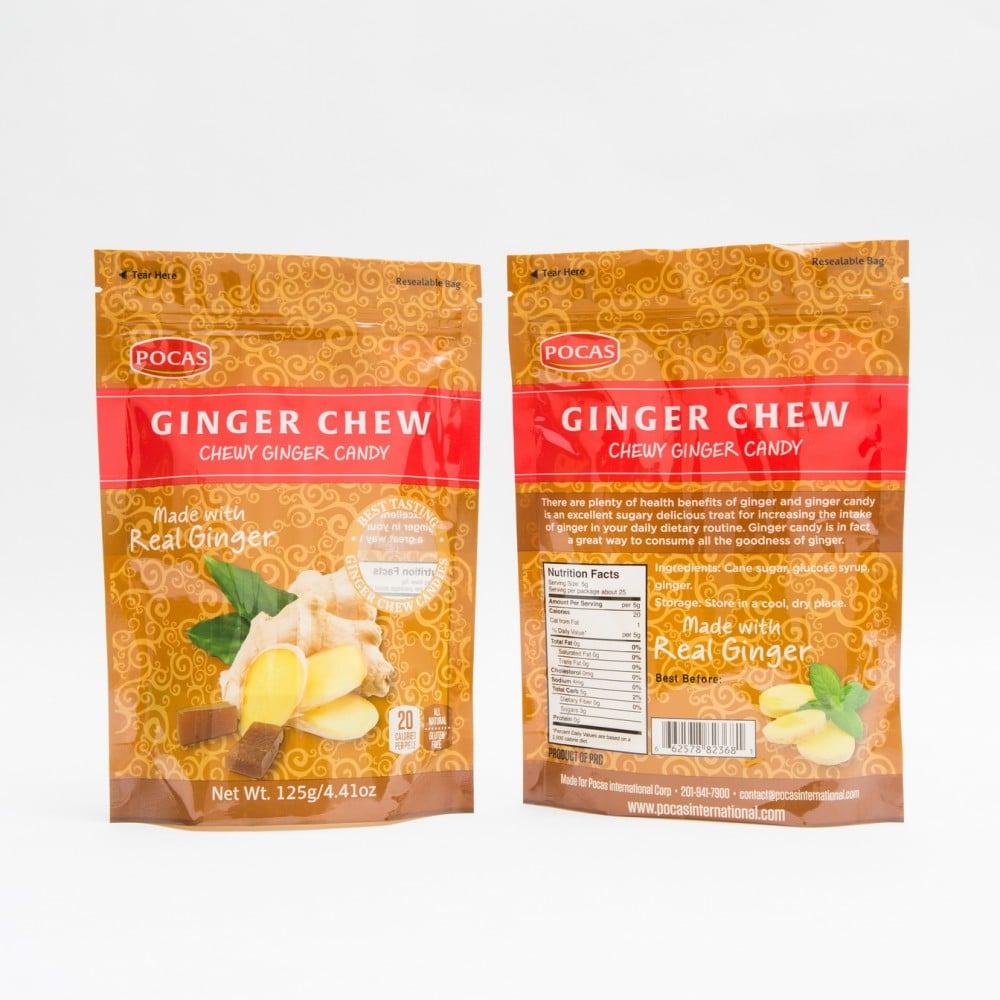
Modern consumers increasingly recognize and value the quality advantages associated with products protected by nitrogen flushing preservation technology. When marketing emphasizes extended freshness and premium quality, nitrogen flushing preservation technology becomes a visible quality marker. Flexible packaging formats utilizing nitrogen flushing preservation technology—such as stand-up pouches with resealable zippers—combine the technical benefits of nitrogen flushing preservation technology with consumer convenience preferences, creating packaging solutions that maintain product integrity while offering practical use advantages.
FAQ
Is nitrogen flushing preservation technology safe for food consumption?
Yes, nitrogen flushing preservation technology is completely safe for food consumption. Nitrogen is a naturally occurring, inert gas that comprises approximately 78 percent of Earth's atmosphere and does not react with food products. Food regulatory agencies including the FDA recognize nitrogen flushing preservation technology as an approved food preservation method. The nitrogen used in commercial nitrogen flushing preservation technology applications meets pharmaceutical-grade purity standards, ensuring no contamination or harmful substances contact food products.
How does nitrogen flushing preservation technology compare to vacuum packaging?
Nitrogen flushing preservation technology and vacuum packaging serve different purposes and suit different product types. Vacuum packaging removes air entirely and works well for products that tolerate compression, while nitrogen flushing preservation technology maintains package volume using inert nitrogen gas. For fragile products like chips, crackers, and fresh baked goods, nitrogen flushing preservation technology preserves texture and appearance better than vacuum packaging would. Nitrogen flushing preservation technology also creates a cushioning effect that protects products during shipping, whereas vacuum-sealed packages offer no such protection.
What packaging materials work best with nitrogen flushing preservation technology?
Nitrogen flushing preservation technology works effectively with high-barrier composite films, laminates, and flexible structures designed to minimize oxygen transmission. Stand-up pouches with resealable zippers and other flexible formats provide excellent platforms for nitrogen flushing preservation technology applications. Rigid containers also accommodate nitrogen flushing preservation technology through top-flush methods. The key requirement for nitrogen flushing preservation technology success is packaging that maintains seal integrity and low oxygen permeability throughout the intended shelf life. Material selection depends on specific product requirements, distribution conditions, and target market expectations.