 EN
EN


In-mold labeling has become one of the most transformative decoration and packaging technologies in modern manufacturing. By integrating a pre-printed label directly into the molding process, in-mold labeling eliminates the need for secondary labeling steps, reduces production time, and produces components with a seamless, high-quality finish. Manufacturers across dozens of industries have recognized that in-mold labeling is not simply a cosmetic upgrade — it is a process-level innovation that changes how products are designed, produced, and delivered to market.
The scope of in-mold labeling has expanded well beyond its early roots in simple container decoration. Today, in-mold labeling serves applications in food and beverage packaging, household goods, automotive components, medical devices, and personal care products. As manufacturing demands grow more sophisticated, in-mold labeling continues to evolve, offering new possibilities for branding, durability, and functional performance. Understanding where and how in-mold labeling is being applied gives manufacturers a clearer view of its strategic value.
Core Application Areas Driving In-Mold Labeling Adoption
Food and Beverage Packaging
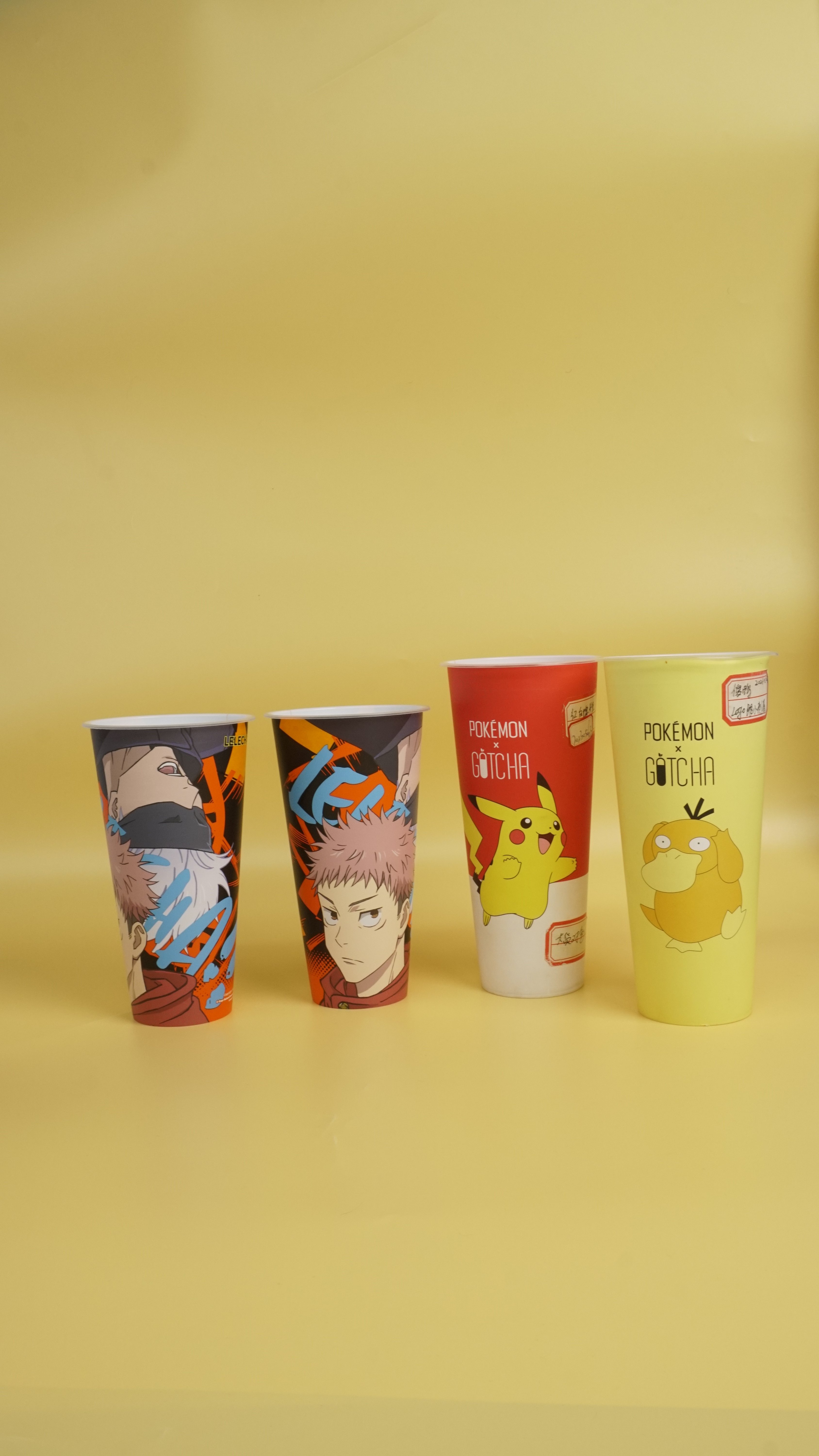
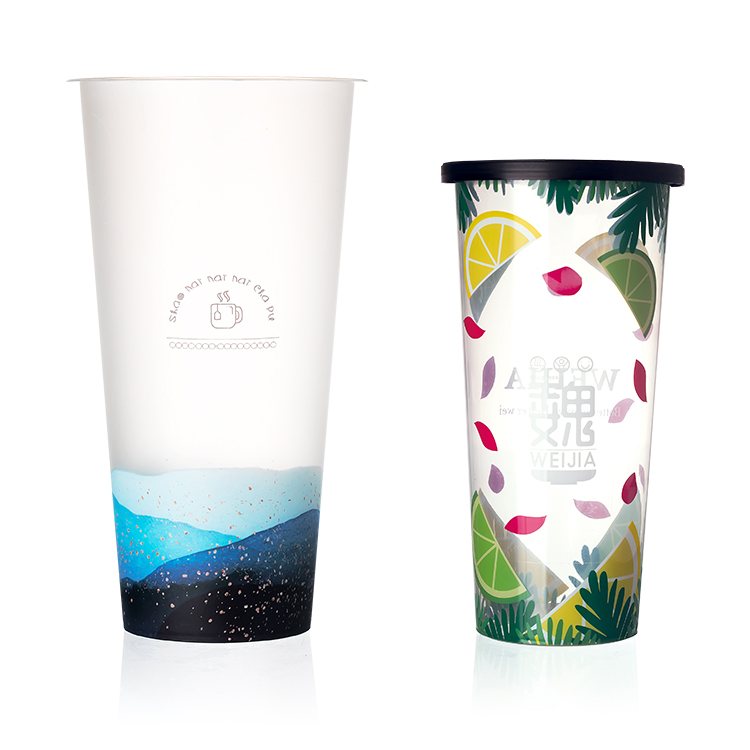
The food and beverage industry remains the largest adopter of in-mold labeling technology. Yogurt containers, dairy cups, ready-meal trays, and beverage cups produced through in-mold labeling deliver exceptional print quality while maintaining full food-safety compliance. Because the label is fused with the container wall during molding, in-mold labeling eliminates gaps where bacteria can accumulate — a critical advantage over adhesive labels in hygienic environments. Milk tea cups and similar specialty drink packaging have also embraced in-mold labeling for its scratch-resistant and wear-resistant surface properties, ensuring brand graphics remain intact throughout the supply chain. in-mold labeling applied to injection-molded PP cups offers vivid decoration with durability that traditional sleeve labels simply cannot match.
Household and Consumer Goods
Beyond packaging, in-mold labeling has found strong adoption in household goods such as storage containers, cleaning product dispensers, and kitchenware. Manufacturers of these products value in-mold labeling because the decoration becomes part of the structural component itself, removing the risk of peeling, bubbling, or fading that affects pressure-sensitive labels. In-mold labeling also supports complex curved geometries and full-wrap decoration that adhesive systems struggle to achieve. The result is a product that looks premium from the first day of retail display to the last day of its service life.
Technical Innovations Expanding In-Mold Labeling Capabilities
Advanced Film and Ink Technologies
In-mold labeling technology has advanced significantly through developments in film substrates and printing inks. Modern in-mold labeling films are engineered to withstand the high temperatures and pressures of the injection molding process while preserving sharp, photographic-quality graphics. UV-cured inks used in in-mold labeling provide exceptional color stability and chemical resistance, making in-mold labeling appropriate for products exposed to oils, detergents, and outdoor environments. Metallized and holographic in-mold labeling films now enable premium visual effects that were once achievable only through expensive post-process decoration, opening new creative directions for brand owners.
Functional and Smart Label Integration
One of the most exciting frontiers in in-mold labeling is the integration of functional elements directly into the label layer. RFID antennas, NFC chips, and conductive traces can be embedded within an in-mold labeling film before the molding cycle, producing components with built-in communication or tracking capabilities. This approach to smart packaging through in-mold labeling reduces assembly steps and improves the reliability of embedded electronics by protecting them within the molded structure. In-mold labeling with embedded sensors is already being piloted in pharmaceutical packaging and industrial component tracking, where product authentication and real-time monitoring add significant value.
Strategic Manufacturing Benefits of In-Mold Labeling
Streamlined Production and Waste Reduction
From a production efficiency standpoint, in-mold labeling offers compelling advantages over traditional post-mold decoration. Because in-mold labeling combines the labeling and molding operations into a single cycle, manufacturers reduce the number of handling steps, lower labor costs, and minimize the risk of damage to finished parts. In-mold labeling also reduces material waste since labels are positioned precisely during each molding cycle, eliminating the scrap and misalignment common in high-speed labeling lines. Facilities adopting in-mold labeling frequently report improved overall equipment effectiveness and lower total cost per unit, particularly in high-volume production environments.
Sustainability and Recyclability Alignment
Sustainability has become a central concern for manufacturers and their customers, and in-mold labeling aligns well with circular economy goals when properly designed. When the in-mold labeling film is made from the same polymer as the molded substrate — for example, PP film on a PP container — the entire decorated part can be recycled in a single stream without requiring label removal. This monomaterial approach to in-mold labeling is gaining regulatory and market support in multiple regions, positioning in-mold labeling as a responsible decoration choice compared to multi-material alternatives. Brands seeking to demonstrate environmental commitment are increasingly specifying in-mold labeling in new product development briefs.
FAQ
What types of products are most suitable for in-mold labeling?
In-mold labeling is best suited for injection-molded or blow-molded plastic components that require durable, high-quality decoration. Common examples include food containers, dairy cups, household product packaging, and automotive interior trims. Products that face harsh handling, moisture, or chemical exposure benefit most from in-mold labeling because the decoration is protected within the part structure rather than applied to its surface.
How does in-mold labeling improve label durability compared to adhesive labels?
With in-mold labeling, the printed film bonds with the plastic substrate during molding, becoming an integral part of the component. There is no adhesive layer that can fail due to heat, moisture, or mechanical abrasion. This means in-mold labeling delivers scratch-resistant, moisture-proof decoration that maintains its appearance throughout the full product lifecycle, from factory to end consumer, without peeling or lifting.
Can in-mold labeling be used with sustainable or recycled materials?
Yes, in-mold labeling can be designed to support sustainability objectives. When the in-mold labeling film is formulated from the same resin family as the molded part — such as polypropylene for both film and container — the decorated product enters the recycling stream as a single material. Manufacturers are also exploring in-mold labeling with recycled content films and bio-based substrates as part of broader initiatives to reduce environmental impact across the packaging supply chain.