 EN
EN


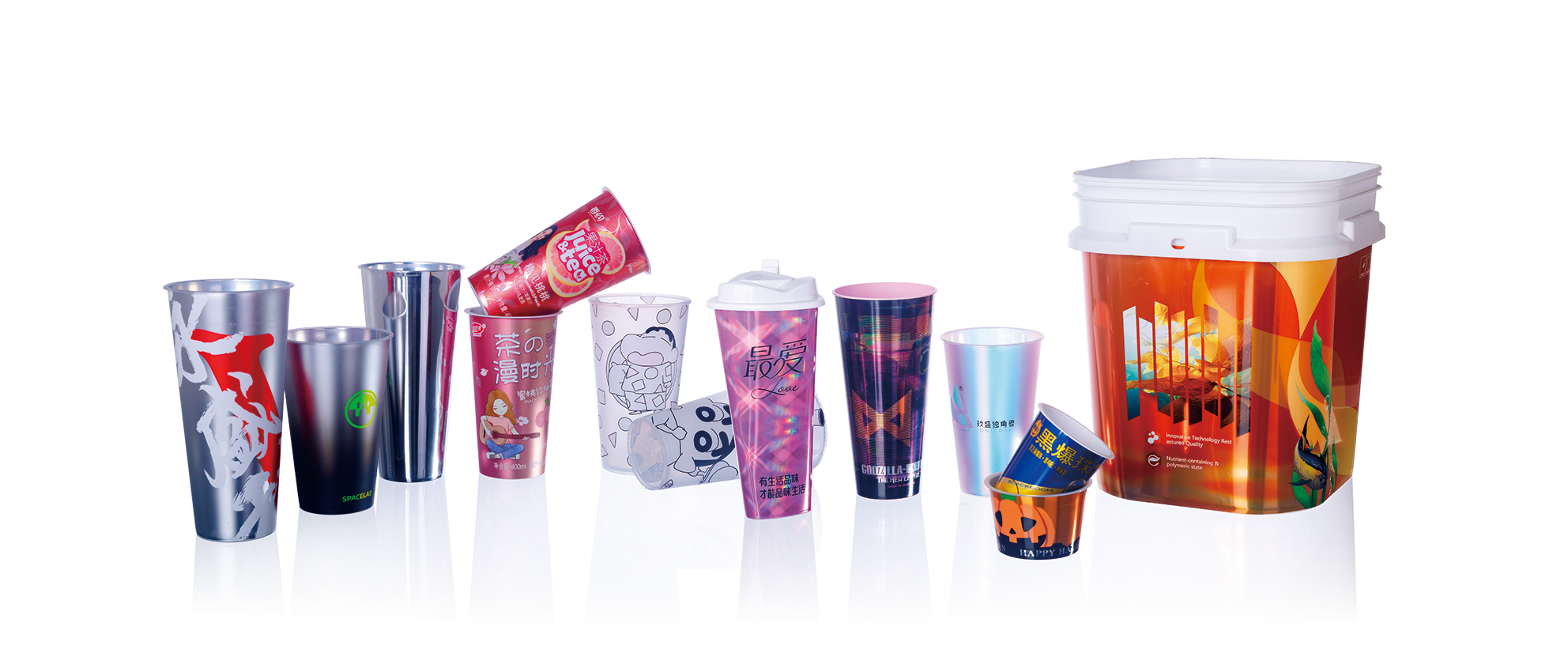
As consumer demand for sustainable packaging grows stronger, manufacturers are actively reconsidering every layer of their product design. In-mold labels have emerged as one of the most impactful innovations in this space, offering a way to decorate containers without the adhesives, films, and secondary processes that generate unnecessary waste. Understanding how in-mold labels contribute to sustainability requires looking at both the materials involved and the production efficiencies they enable.
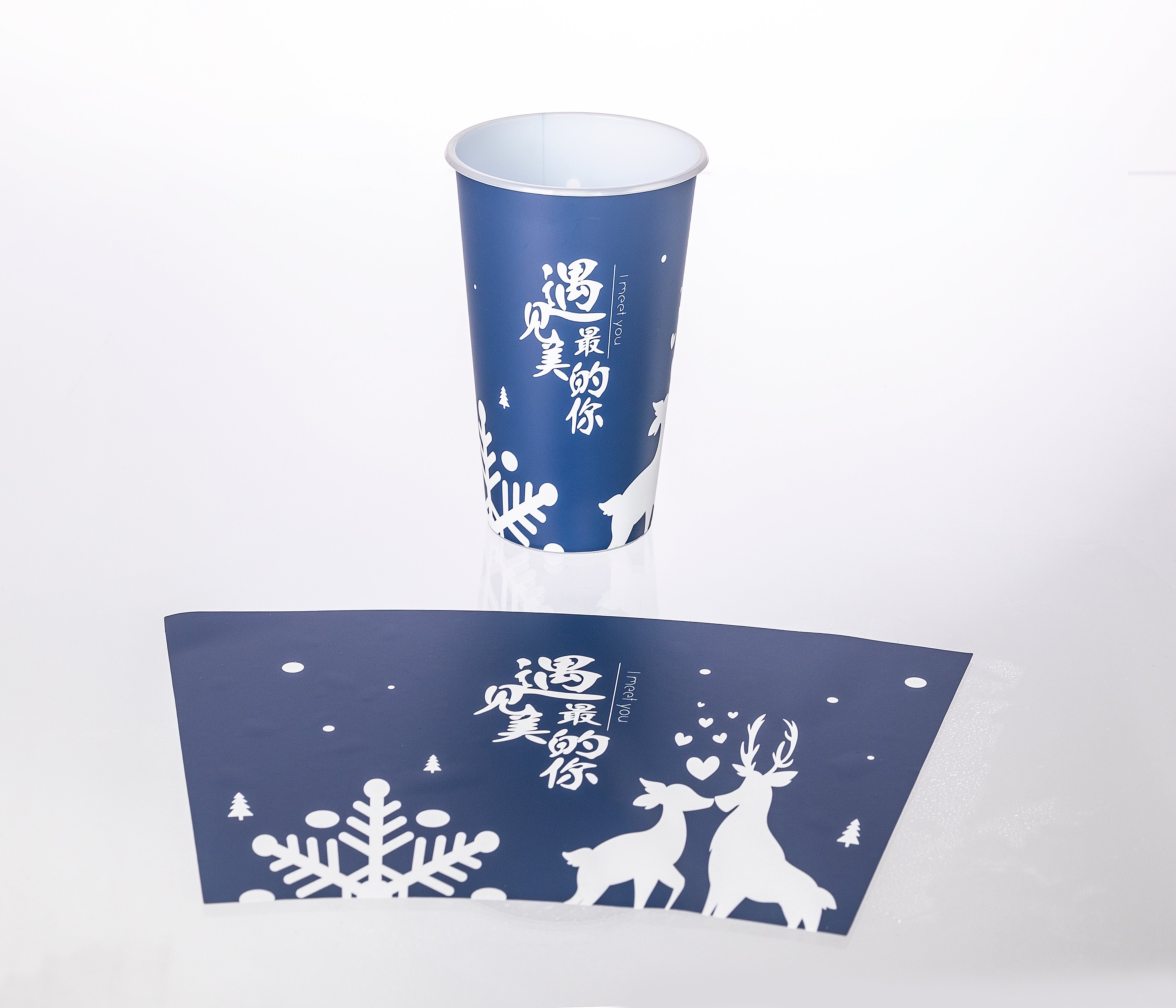
In-mold labels are decorative or informational labels that are placed directly inside a mold before plastic is injected, blown, or thermoformed around them. The label fuses permanently with the container during molding, creating a single integrated unit. Unlike pressure-sensitive or glue-applied labels, in-mold labels eliminate the need for separate application steps, bonding agents, and multi-layer label laminates. This structural simplicity is at the heart of what makes in-mold labels a powerful tool for reducing packaging waste and advancing circular economy goals.
Material Integration and Recyclability
Single-Material Construction Through In-Mold Labels
One of the clearest ways in-mold labels support sustainability is through monomaterial design. When in-mold labels are produced using the same polymer as the container — for example, polypropylene labels on polypropylene cups — the entire package becomes a single material type. This compatibility is critical for recycling streams, because mixed-material packaging is notoriously difficult to process efficiently. With in-mold labels matched to the substrate, the package can enter standard recycling channels without requiring label removal or special sorting.
Traditional pressure-sensitive labels often use polyethylene liners, acrylic adhesives, and polyester face stocks layered together. These combinations create multi-material waste that contaminates recycling streams. In-mold labels bypass this problem entirely by bonding directly to the container at the molecular level during molding. The result is a package that is cleaner to recycle, more compatible with sorting infrastructure, and less likely to be rejected at material recovery facilities.
Reducing Label Waste in Production
In-mold labels also contribute to waste reduction during manufacturing. Because in-mold labels are pre-cut to exact specifications before being placed in the mold, there is minimal trim waste compared to roll-fed labeling systems that generate continuous liner and matrix waste. Production lines using in-mold labels do not require label backing materials that must be collected, handled, and disposed of as industrial waste. Over large production volumes, the cumulative reduction in solid waste is significant, and it directly lowers the environmental footprint of packaging operations.
Production Efficiency and Resource Reduction
Eliminating Secondary Labeling Processes
Conventional labeling often requires a separate, downstream process after containers are formed. This means additional machinery, energy consumption, adhesive application systems, and quality inspection steps. In-mold labels integrate the decorating step directly into the molding cycle, removing the need for secondary labeling equipment entirely. Fewer machines in the production line translate directly into lower energy use, reduced floor space requirements, and fewer consumables such as adhesives and release liners.
The efficiency gains from in-mold labels extend to logistics as well. Because in-mold labels fuse with the container during molding, finished products are already fully decorated and ready for filling or packing immediately after the molding cycle completes. This eliminates holding inventory of unlabeled containers and reduces handling steps that can introduce damage and additional waste. In-mold labels therefore create a leaner, more resource-efficient manufacturing workflow from start to finish.
Durability That Prevents Replacement Waste
In-mold labels are significantly more durable than applied labels. Because in-mold labels are fused into the container surface, they resist moisture, abrasion, and temperature extremes far better than adhesive-backed alternatives. This durability is particularly valuable in cold-chain, refrigerated, and high-humidity environments where applied labels peel, delaminate, or lose legibility. Labels that fail in the field mean reprinting, relabeling, or product returns — all of which generate waste. In-mold labels reduce this downstream waste by maintaining print integrity and adhesion throughout the product's full lifecycle.
Circular Economy Alignment and Brand Impact
Supporting Closed-Loop Packaging Systems
Circular economy frameworks require packaging to be designed for end-of-life recovery from the beginning. In-mold labels align naturally with this principle. When in-mold labels are made from compatible polymers, they do not interfere with mechanical recycling processes. Recyclers can process containers with in-mold labels without additional delamination or washing steps needed to remove adhesive residues. This compatibility makes in-mold labels an appealing choice for brands committed to extended producer responsibility programs and packaging take-back schemes.
Beyond recyclability, in-mold labels also support lightweighting strategies. Because in-mold labels contribute structural rigidity to thin-walled containers, manufacturers can sometimes reduce overall wall thickness while maintaining container strength. Lighter containers use less raw material per unit, lowering the total plastic content per product. In-mold labels therefore contribute to sustainability both by improving end-of-life recyclability and by reducing the amount of virgin material required during production.
Consumer Perception and Sustainable Branding
In-mold labels offer premium print quality with vivid colors, sharp graphics, and a no-label-look finish that resonates with eco-conscious consumers. Brands using in-mold labels can communicate sustainability credentials directly on the container without additional paper inserts or secondary printed materials. The clean, integrated aesthetic of in-mold labels signals thoughtful design and material efficiency to consumers who actively evaluate packaging as part of their purchasing decisions. For brands competing in sustainability-sensitive markets, in-mold labels represent both a functional and a marketing asset.
FAQ
Are in-mold labels suitable for food-grade packaging?
Yes. In-mold labels are widely used in food-grade applications including dairy containers, beverage cups, and condiment tubs. When produced with food-safe inks and compatible polymers, in-mold labels meet regulatory standards for direct and indirect food contact. The fused construction of in-mold labels also eliminates gaps where bacteria or moisture could accumulate beneath adhesive-backed labels.
How do in-mold labels compare to sleeve labels for recyclability?
Sleeve labels require removal before recycling in most cases, and many consumers do not take this step. In-mold labels made from the same polymer as the container do not require removal and can be recycled alongside the container. This makes in-mold labels more reliably recyclable in real-world conditions compared to shrink sleeve labels, which often contaminate recycling streams when left attached.
Can in-mold labels be used with recycled plastic content?
In-mold labels are compatible with containers molded from post-consumer recycled content. As brands increase the recycled polymer content in their containers, in-mold labels remain a viable decoration method. The labeling process does not require changes when transitioning to recycled feedstocks, making in-mold labels a flexible solution for manufacturers moving toward greater use of recycled materials in their packaging lines.