 EN
EN


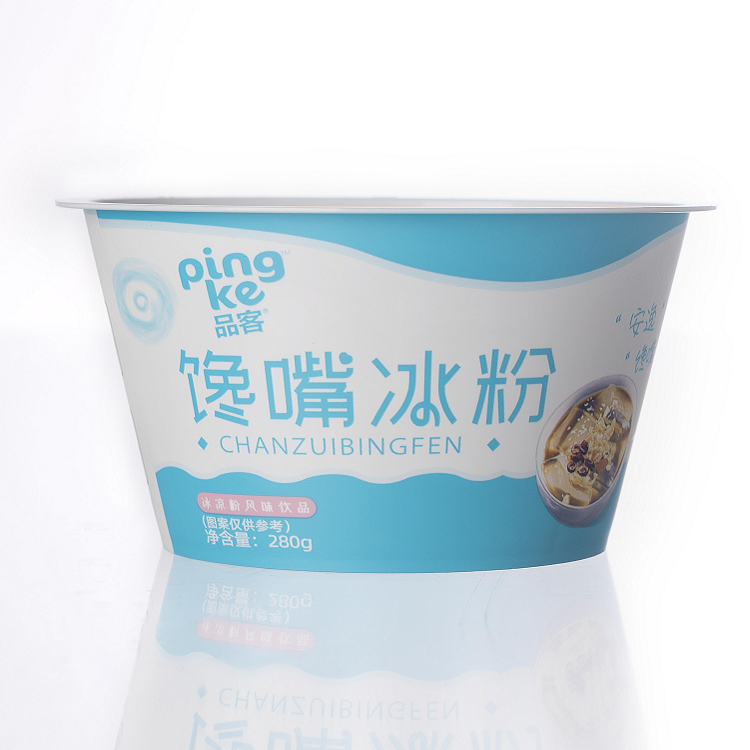
In today's competitive packaging landscape, brands are under constant pressure to deliver products that look premium, perform reliably, and meet increasingly strict regulatory and sustainability standards. in-mold labeling has emerged as one of the most strategically valuable packaging technologies available to manufacturers across food and beverage, personal care, and consumer goods sectors. Rather than applying a label after a container is formed, in-mold labeling integrates the label directly into the molding process itself, producing a finished, labeled product in a single production step.
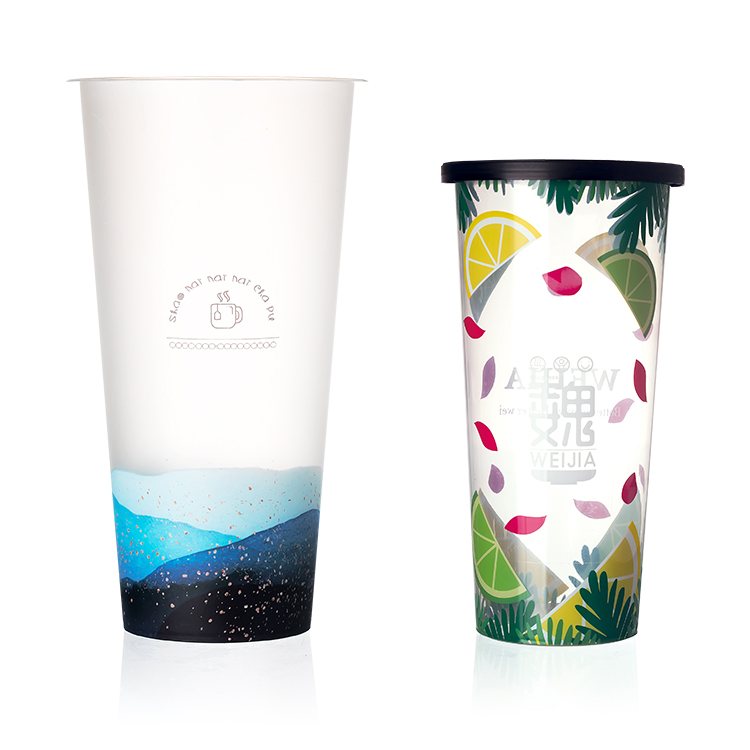
Understanding the specific benefits of in-mold labeling is essential for any packaging decision-maker evaluating whether this technology fits their production goals. This article breaks down the top five advantages that make in-mold labeling a compelling choice for modern product packaging, from visual quality and durability to operational efficiency and environmental performance. Each benefit is examined in practical terms so that procurement managers, brand owners, and production engineers can make well-informed decisions.
Benefit 1: Superior Visual Quality and Brand Presentation
A Label That Becomes Part of the Container
One of the most immediately visible advantages of in-mold labeling is the dramatic improvement in packaging aesthetics. Because the label is fused into the surface of the container during the molding process, there is no visible edge, no air pocket, and no peeling risk. The result is a smooth, seamless finish that gives the product a premium, high-end appearance that pressure-sensitive or shrink-sleeve labels simply cannot replicate.
For brands competing on shelf appeal, this matters enormously. Consumers associate packaging quality with product quality, and a container produced with in-mold labeling communicates a level of craftsmanship that resonates in retail environments. The label surface can accommodate high-resolution graphics, metallic effects, and complex color gradients without any distortion or misalignment.
In categories like premium beverages, dairy products, and personal care, where visual differentiation drives purchase decisions, in-mold labeling gives brands a tangible competitive edge. The label does not sit on top of the container — it is the container surface, which creates a visual coherence that elevates the entire packaging design.
Consistent Print Quality Across High-Volume Runs
In-mold labeling also delivers exceptional print consistency across large production volumes. Because the label is pre-printed under controlled conditions before being placed in the mold, the graphic quality is locked in before any forming takes place. This eliminates the registration errors, label wrinkling, and color inconsistencies that can occur when labels are applied post-production on high-speed lines.
For B2B buyers managing large-scale packaging programs, this consistency translates directly into reduced quality control costs and fewer rejected units. Brand guidelines are maintained reliably across every container in a production run, which is particularly important for global brands managing packaging across multiple facilities or contract manufacturers.
Benefit 2: Outstanding Durability and Label Integrity
Resistance to Moisture, Abrasion, and Chemicals
In-mold labeling produces packaging that is inherently more durable than containers with applied labels. Because the label material is bonded to the container wall during molding, it cannot be separated by moisture, condensation, or chemical exposure. This makes in-mold labeling particularly well-suited for products stored in refrigerated environments, exposed to humidity, or handled in wet processing conditions.
For food and beverage applications — such as injection-molded PP cups used for milk tea, yogurt, or other chilled products — this durability is not just a cosmetic benefit. It ensures that product information, barcodes, and regulatory text remain legible throughout the entire supply chain, from production through retail display and consumer use. Labels that degrade or detach in cold storage create compliance risks and customer complaints that in-mold labeling eliminates entirely.
The scratch-resistant and wear-resistant properties of in-mold labeled containers are especially relevant in high-friction logistics environments where containers are stacked, conveyed, and transported over long distances. The label surface maintains its integrity even under mechanical stress that would visibly damage a pressure-sensitive label.
Long-Term Legibility for Compliance and Traceability
Regulatory compliance in food, pharmaceutical, and consumer goods packaging requires that label information remain fully legible for the entire shelf life of the product. In-mold labeling meets this requirement by design. Since the label cannot peel, fade from moisture exposure, or be accidentally removed, the printed information — including ingredient lists, allergen warnings, batch codes, and expiry dates — stays intact and readable.
For supply chain traceability, this is a significant operational advantage. Barcodes and QR codes printed on in-mold labeled containers scan reliably at every point in the distribution chain, reducing errors in inventory management and improving the accuracy of product recalls if they become necessary. In-mold labeling supports the kind of end-to-end traceability that modern retail and foodservice customers increasingly demand from their suppliers.
Benefit 3: Streamlined Production Efficiency
Eliminating the Post-Molding Labeling Step
From a manufacturing efficiency standpoint, in-mold labeling offers a structural advantage over conventional labeling methods. By integrating the labeling step directly into the injection molding or blow molding cycle, manufacturers eliminate the need for a separate labeling line, the associated equipment investment, and the labor required to operate it. The container exits the mold already labeled and ready for filling or downstream processing.
This consolidation of production steps reduces cycle time, lowers the risk of production bottlenecks, and simplifies the overall manufacturing footprint. For high-volume packaging operations, the cumulative time savings across millions of units per year can be substantial. In-mold labeling also reduces the inventory complexity associated with managing separate label stocks, adhesives, and application equipment.
The reduction in handling steps also lowers the risk of contamination and damage during production, which is particularly relevant for food-grade packaging where hygiene standards are stringent. Fewer process steps mean fewer opportunities for quality deviations to occur.
Automation Compatibility and Line Speed
Modern in-mold labeling systems are designed for full automation, with robotic label placement integrated directly into the molding cell. This makes in-mold labeling highly compatible with the high-speed, low-labor production models that B2B manufacturers are increasingly adopting. Automated in-mold labeling systems can operate continuously with minimal human intervention, maintaining consistent label placement accuracy at production speeds that manual or semi-automated post-molding labeling cannot match.
For packaging buyers evaluating total cost of ownership, the automation compatibility of in-mold labeling is a key factor. While the initial tooling and setup investment may be higher than for conventional labeling, the long-term savings in labor, equipment maintenance, and quality control often deliver a favorable return on investment over the production lifecycle of a packaging program.
Benefit 4: Enhanced Sustainability Profile
Mono-Material Construction Supports Recyclability
Sustainability is now a core requirement in packaging procurement, and in-mold labeling offers a meaningful advantage in this area. When the label material is selected to match the base resin of the container — for example, a polypropylene label on a PP container — the result is a mono-material package that can be recycled through standard plastic recycling streams without the need to separate the label from the container.
This is a significant improvement over containers with paper labels, foil labels, or multi-material shrink sleeves, which complicate the recycling process and can cause contamination in recycling streams. In-mold labeling enables packaging designers to create fully recyclable containers that meet the requirements of extended producer responsibility regulations and retailer sustainability commitments without sacrificing label quality or functionality.
As regulatory pressure on packaging recyclability increases across major markets, the ability to demonstrate mono-material recyclability is becoming a procurement differentiator. In-mold labeling positions brands and their packaging suppliers ahead of this regulatory curve.
Reduced Material Waste in Production
In-mold labeling also contributes to waste reduction in the production process itself. Because labels are pre-cut and placed precisely in the mold, there is minimal label waste compared to roll-fed labeling systems that generate significant trim waste. The elimination of adhesives removes another category of material consumption and the associated waste disposal requirements.
For manufacturers operating under ISO 14001 environmental management systems or reporting against sustainability KPIs, the waste reduction benefits of in-mold labeling contribute measurably to environmental performance metrics. These gains are increasingly relevant in supplier qualification processes where buyers assess the environmental footprint of their packaging supply chain.
Benefit 5: Tamper Evidence and Product Security
Integrated Label as a Security Feature
Because the label in in-mold labeling is permanently bonded to the container surface, it cannot be removed and reapplied without visible damage to the container. This inherent tamper-evidence property makes in-mold labeling a valuable security feature for products where authenticity and integrity are critical concerns. Any attempt to alter or replace the label will result in visible damage to the container itself, providing a clear signal of tampering.
For food and beverage brands, pharmaceutical packaging, and premium consumer goods, this tamper-evidence characteristic supports consumer trust and brand protection. It also simplifies compliance with regulations that require tamper-evident packaging in certain product categories, since the in-mold labeling process delivers this property as a built-in feature rather than requiring an additional tamper-evident seal or band.
Anti-Counterfeiting Applications
In-mold labeling can also be leveraged as part of an anti-counterfeiting strategy. High-resolution graphics, holographic elements, and covert security features can be incorporated into the label design and locked into the container surface during molding. This makes it significantly more difficult for counterfeiters to replicate the packaging convincingly, since reproducing the in-mold labeling process requires access to specialized tooling and materials.
For brands operating in markets where product counterfeiting is a known risk, the security benefits of in-mold labeling add a layer of protection that conventional labeling methods cannot provide. This is particularly relevant for premium food and beverage products, where counterfeit packaging can damage brand reputation and create serious consumer safety risks.
FAQ
What types of containers are most commonly produced using in-mold labeling?
In-mold labeling is widely used for injection-molded and blow-molded containers made from polypropylene, polyethylene, and other thermoplastics. Common applications include food containers, dairy cups, beverage cups such as milk tea cups, personal care packaging, paint cans, and household product containers. The technology is suitable for any container geometry that can be produced through injection or blow molding.
Is in-mold labeling more expensive than conventional labeling methods?
The upfront tooling and setup costs for in-mold labeling are generally higher than for pressure-sensitive or shrink-sleeve labeling. However, the elimination of a separate labeling line, reduced labor requirements, lower material waste, and improved quality consistency typically result in a lower total cost of ownership over high-volume production runs. The economic case for in-mold labeling strengthens as production volumes increase.
Can in-mold labeling be used for containers that require refrigeration or freezing?
Yes, in-mold labeling is particularly well-suited for cold-chain applications. Because the label is bonded to the container surface rather than adhered with a pressure-sensitive adhesive, it is not affected by condensation, temperature cycling, or moisture exposure. This makes in-mold labeling a preferred choice for dairy products, chilled beverages, frozen foods, and other products stored and distributed under refrigerated or frozen conditions.
How does in-mold labeling support sustainability goals compared to other labeling technologies?
When the label material is matched to the container resin, in-mold labeling enables mono-material packaging construction that is compatible with standard plastic recycling streams. This eliminates the need to separate labels from containers before recycling, which is a common challenge with paper, foil, and multi-material labels. In-mold labeling also reduces adhesive use and label trim waste, contributing to a lower overall environmental footprint for the packaging production process.
Table of Contents
- Benefit 1: Superior Visual Quality and Brand Presentation
- Benefit 2: Outstanding Durability and Label Integrity
- Benefit 3: Streamlined Production Efficiency
- Benefit 4: Enhanced Sustainability Profile
- Benefit 5: Tamper Evidence and Product Security
-
FAQ
- What types of containers are most commonly produced using in-mold labeling?
- Is in-mold labeling more expensive than conventional labeling methods?
- Can in-mold labeling be used for containers that require refrigeration or freezing?
- How does in-mold labeling support sustainability goals compared to other labeling technologies?