 EN
EN


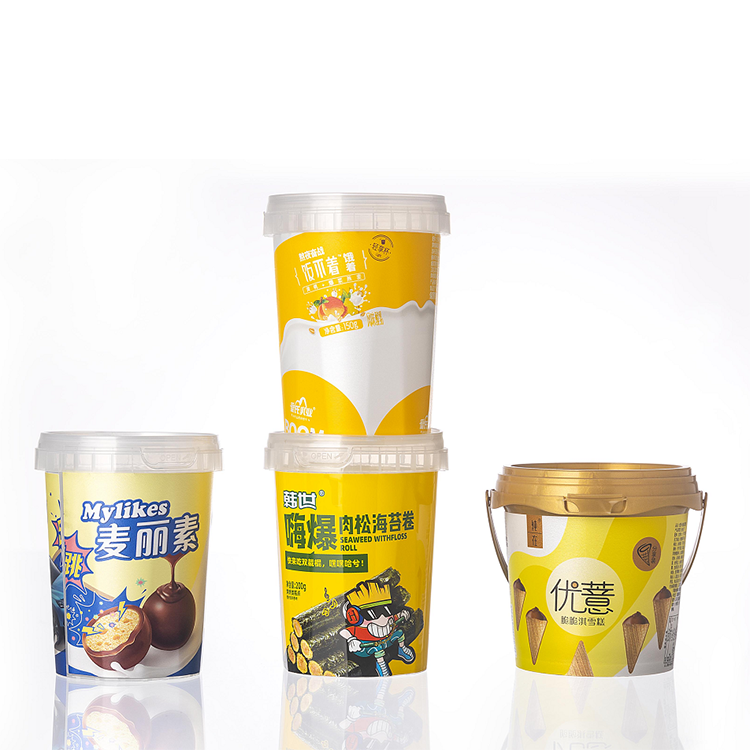
In the world of modern manufacturing, packaging innovation continues to drive competitive advantages across countless industries. One particularly remarkable advancement that has transformed how products are labeled and branded is the In Mold Label technology. This revolutionary approach to product identification seamlessly integrates labeling directly into the manufacturing process, creating a permanent bond between the label and the container that offers superior durability, aesthetics, and functionality compared to traditional post-production labeling methods.
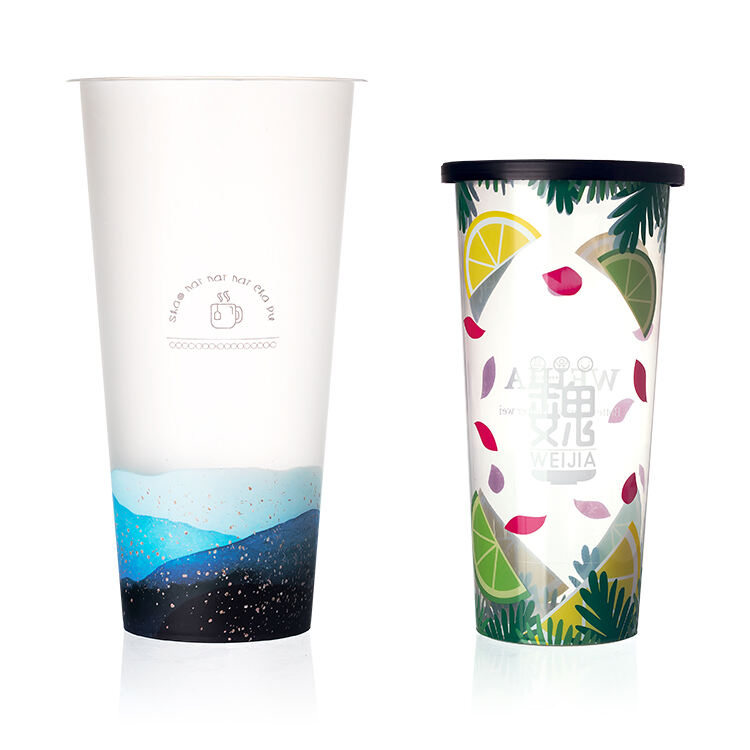
Understanding In Mold Labeling Technology
The Fundamental Process
In Mold Label technology represents a sophisticated manufacturing technique where pre-printed labels are placed inside the mold cavity before the injection molding process begins. During the molding cycle, the molten plastic material flows around and bonds with the label, creating an integral part of the final product. This process eliminates the need for secondary labeling operations and ensures that the label becomes permanently fused with the container surface.
The technology relies on precise timing and temperature control to achieve optimal adhesion between the label material and the molten plastic. The label substrate must be compatible with the plastic resin being used, typically requiring materials that can withstand the high temperatures and pressures involved in injection molding. Most In Mold Label applications utilize polypropylene or polyethylene films that match the thermal properties of the container material.
Materials and Compatibility
The success of In Mold Label applications depends heavily on material compatibility between the label substrate and the container resin. Manufacturers typically use thermoplastic films such as polypropylene, polyethylene, or specialized multilayer constructions that provide excellent printability while maintaining thermal stability during the molding process. These materials must exhibit similar shrinkage characteristics to prevent delamination or wrinkling during cooling.
Advanced label constructions often incorporate barrier properties, UV resistance, or antimicrobial features depending on the end-use application. The printing inks used must also be formulated to withstand the extreme conditions of injection molding while maintaining color stability and adhesion. This requires specialized ink systems that can cure properly under high-temperature conditions without compromising print quality or durability.
Manufacturing Process and Equipment Requirements
Injection Molding Integration
The integration of In Mold Label technology into injection molding operations requires specific equipment modifications and process controls. Automated label placement systems position the pre-cut labels precisely within the mold cavity using electrostatic charges, vacuum systems, or mechanical fixtures. The timing of label placement must be synchronized with the mold opening and closing cycles to ensure consistent positioning and prevent damage to the label during handling.
Temperature control becomes critical throughout the process, as the mold must be maintained at optimal temperatures to promote proper label adhesion while preventing thermal degradation. Cycle times may need adjustment to accommodate the additional heat transfer requirements of the label fusion process. Most modern injection molding machines can be equipped with specialized controls and monitoring systems to manage these parameters automatically.
Quality Control and Automation
Quality control in In Mold Label production involves multiple checkpoints throughout the manufacturing process. Vision systems can verify proper label placement before molding begins, while post-molding inspection ensures complete adhesion and print quality. Automated rejection systems remove any parts that fail to meet quality standards, maintaining consistent output quality.
Advanced manufacturing facilities employ statistical process control methods to monitor key parameters such as mold temperature, cycle time, and adhesion strength. This data-driven approach enables operators to identify trends and make proactive adjustments before quality issues occur. Real-time monitoring systems can track hundreds of variables simultaneously, providing comprehensive process visibility and control.
Advantages and Benefits of In Mold Labeling
Durability and Performance Benefits
One of the most significant advantages of In Mold Label technology is the exceptional durability it provides compared to traditional labeling methods. Because the label becomes an integral part of the container structure, it cannot peel, fade, or separate under normal use conditions. This permanent integration makes In Mold Label ideal for products that experience rough handling, exposure to moisture, chemicals, or extreme temperatures.
The scratch resistance and wear characteristics of In Mold Label applications far exceed those of pressure-sensitive labels or heat-transfer decals. The label surface becomes protected by the same material properties as the container itself, providing excellent resistance to abrasion, impact, and environmental degradation. This durability translates to maintained brand appearance and product identification throughout the entire product lifecycle.
Cost Efficiency and Production Benefits
From a manufacturing perspective, In Mold Label technology offers significant cost advantages through process consolidation and labor reduction. Traditional labeling operations require separate equipment, additional handling steps, and dedicated workspace for label application and quality control. By integrating labeling into the molding process, manufacturers eliminate these secondary operations and reduce overall production costs.
The elimination of label application equipment also reduces maintenance requirements and potential failure points in the production line. Inventory management becomes simplified as manufacturers no longer need to coordinate separate label and container production schedules. This streamlined approach to production planning can result in reduced lead times and improved customer responsiveness.
Applications Across Industries
Food and Beverage Packaging
The food and beverage industry has embraced In Mold Label technology for its ability to provide tamper-evident packaging solutions and superior graphics quality. Dairy products, frozen foods, and beverage containers commonly utilize In Mold Label applications to achieve brand differentiation while meeting stringent food safety requirements. The permanent nature of the labeling helps prevent label tampering and provides clear indication if container integrity has been compromised.
In Mold Label applications in food packaging often incorporate barrier properties that help extend shelf life by protecting contents from light, oxygen, or moisture penetration. The ability to integrate functional properties directly into the label structure provides additional value beyond traditional decorative labeling. This integration supports sustainable packaging initiatives by reducing the number of separate materials required for effective product protection.
Consumer Products and Industrial Applications
Consumer product manufacturers utilize In Mold Label technology for items ranging from household cleaners to automotive fluids, where durability and chemical resistance are essential. The permanent labeling ensures that safety information, usage instructions, and brand identification remain legible throughout the product's service life. This reliability is particularly important for products that may be stored in harsh environments or subjected to frequent handling.
Industrial applications often require specialized In Mold Label constructions that can withstand extreme conditions such as high temperatures, chemical exposure, or UV radiation. Oil containers, automotive parts, and industrial chemicals benefit from the permanent identification and tracking capabilities that In Mold Label technology provides. The ability to incorporate serialization, barcoding, or other identification features directly into the molded part supports supply chain management and traceability requirements.
Design Considerations and Technical Specifications
Graphic Design Requirements
Designing graphics for In Mold Label applications requires understanding of the unique constraints and opportunities presented by the molding process. Print areas must account for material flow patterns and potential distortion that occurs during the injection molding cycle. Designers need to consider how graphics will appear on curved or complex surfaces, as the label conforms to the final container shape during molding.
Color management becomes particularly important in In Mold Label applications, as the high temperatures involved in molding can affect color reproduction and stability. Designers must work closely with ink suppliers to ensure that specified colors will maintain their appearance throughout the manufacturing process. Special consideration must be given to metallic inks, fluorescent colors, or other specialty effects that may be sensitive to thermal processing.
Structural Design Parameters
The structural design of In Mold Label applications must account for the thermal and mechanical stresses encountered during injection molding. Label thickness, material selection, and adhesive formulation all influence the final bond strength and appearance quality. Engineers must balance the need for conformability during molding with the requirement for dimensional stability in the finished product.
Mold design considerations include proper venting, gate placement, and cooling channel design to ensure uniform temperature distribution during the molding cycle. The label placement mechanism must be designed to position labels accurately while minimizing the risk of wrinkles, air entrapment, or other defects. These engineering considerations require close collaboration between mold designers, material suppliers, and production personnel.
FAQ
What types of containers are best suited for In Mold Label applications
In Mold Label technology works best with injection-molded containers made from thermoplastic materials such as polypropylene, polyethylene, or polystyrene. The container design should feature relatively simple geometry without extreme undercuts or complex curves that could interfere with label placement or cause distortion during molding. Containers with wall thicknesses between 0.5mm and 5mm typically provide optimal results for label adhesion and appearance quality.
How does In Mold Label technology compare to traditional pressure-sensitive labels in terms of cost
While the initial setup costs for In Mold Label production may be higher due to specialized equipment requirements, the overall cost per unit often becomes lower in high-volume applications. The elimination of secondary labeling operations, reduced labor requirements, and improved production efficiency typically offset the higher material costs. Additionally, the elimination of label waste and improved durability can provide long-term cost benefits that justify the initial investment.
Can In Mold Label technology accommodate variable data printing or personalization
Traditional In Mold Label applications are limited to pre-printed static designs, as the labels must be produced separately before the molding process. However, advances in digital printing technology have enabled short-run personalization capabilities for specialized applications. Variable data elements such as serial numbers, dates, or batch codes can be incorporated through hybrid approaches that combine In Mold Label technology with secondary printing processes.
What are the environmental benefits of using In Mold Label technology
In Mold Label technology supports environmental sustainability by creating containers that are easier to recycle since the label and container are made from compatible materials. This eliminates the need to separate different materials during recycling processing, improving recycling efficiency and reducing contamination. Additionally, the permanent nature of In Mold Label applications reduces the likelihood of labels becoming litter, as they cannot separate from the container during normal use or disposal.
Table of Contents
- Understanding In Mold Labeling Technology
- Manufacturing Process and Equipment Requirements
- Advantages and Benefits of In Mold Labeling
- Applications Across Industries
- Design Considerations and Technical Specifications
-
FAQ
- What types of containers are best suited for In Mold Label applications
- How does In Mold Label technology compare to traditional pressure-sensitive labels in terms of cost
- Can In Mold Label technology accommodate variable data printing or personalization
- What are the environmental benefits of using In Mold Label technology