 EN
EN


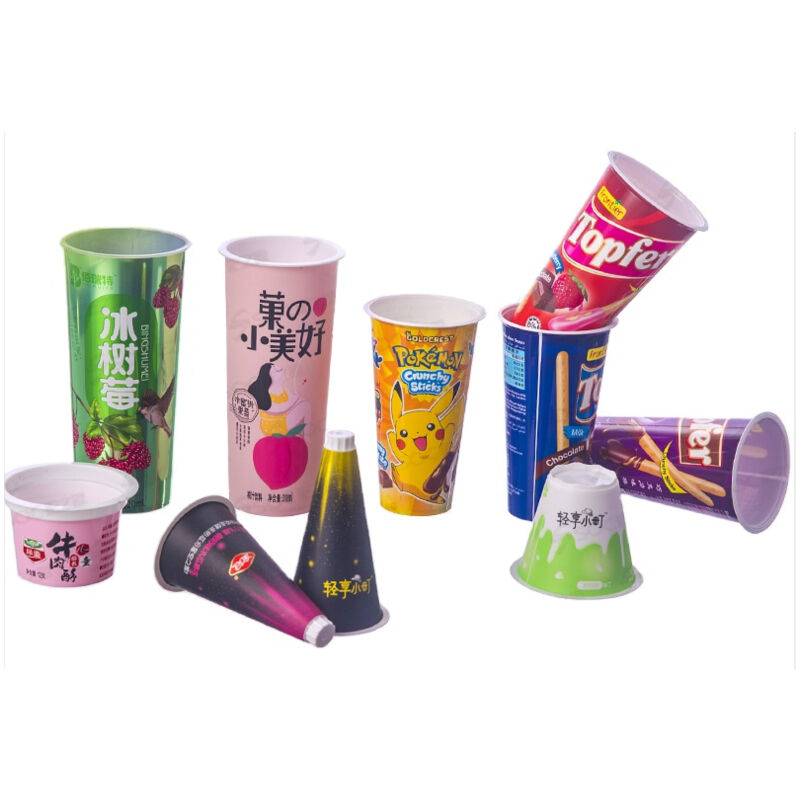
Premium brands across industries are increasingly turning to advanced labeling solutions that offer superior durability, aesthetic appeal, and cost-effectiveness. Among the most innovative technologies gaining traction in high-end packaging is the In Mold Label system, which has revolutionized how manufacturers approach product identification and branding. This cutting-edge labeling method integrates seamlessly with injection molding processes, creating a permanent bond between the label and the container that cannot be achieved through traditional post-production labeling methods. The result is a premium finish that meets the exacting standards of luxury brands while providing exceptional resistance to wear, moisture, and environmental factors.
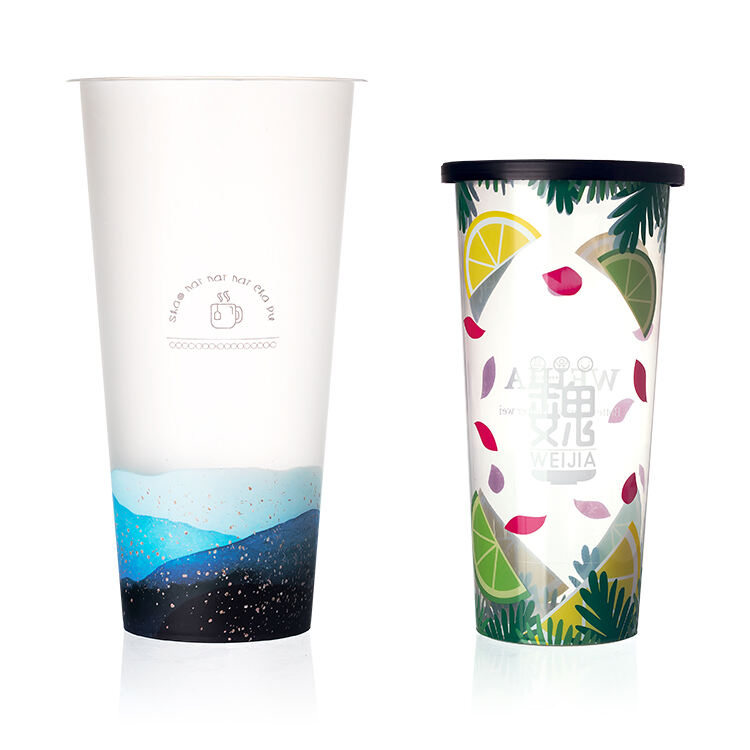
Advanced Manufacturing Integration
Seamless Production Process
The integration of In Mold Label technology into manufacturing workflows represents a significant advancement in production efficiency. Unlike traditional labeling methods that require separate application steps, this innovative approach places the label directly into the mold cavity before injection. The molten plastic flows around and bonds with the label material, creating an inseparable connection that becomes part of the final product structure. This elimination of secondary operations reduces production time, minimizes handling requirements, and significantly decreases the potential for labeling errors or misalignment issues.
Manufacturing facilities that implement In Mold Label systems often report substantial improvements in overall equipment effectiveness and reduced labor costs. The automated nature of the process eliminates the need for specialized labeling equipment and dedicated operators, allowing manufacturers to reallocate resources to other critical production areas. Additionally, the reduced number of production steps translates to lower energy consumption and decreased waste generation, aligning with sustainability initiatives that are increasingly important to premium brand positioning.
Quality Control Advantages
Premium brands demand consistent quality across every unit produced, and In Mold Label technology delivers exceptional reliability in this regard. The molding process creates uniform pressure and temperature conditions that ensure consistent label adhesion and appearance across entire production runs. This consistency is particularly crucial for luxury products where even minor variations in labeling quality can impact brand perception and customer satisfaction. The integration process eliminates common quality issues associated with traditional labeling, such as air bubbles, wrinkles, or partial adhesion failures.
Quality assurance teams working with In Mold Label systems benefit from simplified inspection procedures and reduced rejection rates. Since the label becomes an integral part of the molded component, there are fewer variables to monitor and control compared to multi-step labeling processes. This streamlined quality control approach allows manufacturers to maintain the stringent standards expected by premium brands while reducing inspection time and associated costs.
Superior Durability Characteristics
Exceptional Resistance Properties
The durability advantages of In Mold Label technology stem from the molecular-level bonding that occurs during the injection molding process. This permanent integration creates a labeling solution that exhibits remarkable resistance to scratching, peeling, and fading under normal use conditions. Premium brands particularly value this durability because it ensures their products maintain a pristine appearance throughout their entire lifecycle, from manufacturing and distribution to end-user handling and storage.
Environmental resistance is another critical factor that makes In Mold Label technology attractive to premium manufacturers. The integrated label structure provides excellent protection against moisture, chemicals, and temperature fluctuations that could damage or degrade traditional adhesive labels. This resistance is particularly important for products exposed to challenging conditions, such as cosmetic containers that may encounter bathroom humidity or food packaging that requires refrigeration or freezing.
Long-Term Performance
Premium brands invest significantly in product development and marketing, making long-term label performance a critical consideration. In Mold Label technology ensures that branding elements, product information, and decorative graphics remain vibrant and legible throughout the product's intended lifespan. The absence of adhesive layers eliminates the risk of label edges lifting or separating over time, maintaining the premium appearance that customers expect from high-end products.
The longevity of In Mold Label applications also contributes to reduced warranty claims and customer service issues related to labeling failures. Premium brands benefit from the enhanced customer satisfaction that comes with products that maintain their appearance and functionality over extended periods. This reliability factor often becomes a competitive advantage in markets where product durability is a key differentiator.
Aesthetic Excellence and Design Flexibility
Premium Visual Appeal
The visual quality achievable through In Mold Label technology surpasses traditional labeling methods in several important aspects. The integration process creates a smooth, seamless surface without visible edges or thickness variations that can detract from premium product aesthetics. This flush integration allows for sophisticated design elements, including full-color graphics, gradient effects, and metallic finishes that enhance the perceived value of the final product.
Premium brands leverage the superior print quality possible with In Mold Label systems to create distinctive packaging that stands out in competitive markets. The technology supports high-resolution imaging, fine text details, and complex color schemes that would be challenging to achieve with conventional labeling methods. This capability enables brands to implement sophisticated anti-counterfeiting measures, detailed ingredient lists, and multilingual information without compromising visual appeal.
Customization Opportunities
The flexibility of In Mold Label technology extends to shape and size customization options that allow premium brands to create unique packaging solutions. Unlike traditional rectangular labels, the molding process can accommodate complex geometries, curved surfaces, and three-dimensional elements that follow the contours of the container precisely. This design freedom enables brands to differentiate their products through distinctive packaging shapes while maintaining the functional benefits of integrated labeling.
Color matching and brand consistency are simplified through In Mold Label systems, as the controlled molding environment ensures reproducible color results across production runs. Premium brands can specify exact color formulations and expect consistent results regardless of production timing or facility location. This reliability is essential for maintaining brand identity and meeting the exacting standards of luxury market segments.
Cost-Effectiveness and Economic Benefits
Production Cost Optimization
While the initial investment in In Mold Label technology may be higher than traditional labeling equipment, premium brands quickly realize significant cost savings through improved production efficiency and reduced waste. The elimination of secondary labeling operations reduces labor requirements, energy consumption, and facility space needs. These operational savings compound over time, making In Mold Label systems increasingly attractive for high-volume premium product manufacturing.
Inventory management benefits represent another significant cost advantage for premium brands implementing In Mold Label technology. Traditional labeling requires separate inventory tracking for containers and labels, along with coordination to ensure matching quantities and specifications. The integrated approach eliminates this complexity, reducing inventory carrying costs and minimizing the risk of production delays due to labeling supply issues.
Value Chain Optimization
The durability and integrated nature of In Mold Label systems provide cost benefits throughout the entire value chain. Reduced damage during shipping and handling translates to lower replacement costs and improved customer satisfaction. Premium brands benefit from decreased returns and warranty claims related to labeling failures, while distributors and retailers experience fewer handling issues and product rejections.
Supply chain efficiency improvements extend to reduced packaging requirements, as the integrated labels eliminate the need for protective materials typically used to prevent label damage during transportation. This reduction in packaging materials aligns with sustainability goals while lowering logistics costs, making In Mold Label technology an environmentally and economically advantageous choice for premium brands.
Technical Innovation and Future Developments
Advanced Material Science
The continuous advancement of material science has expanded the capabilities of In Mold Label technology, enabling premium brands to explore new applications and performance characteristics. Modern label materials offer enhanced chemical resistance, improved clarity, and specialized surface properties that support advanced printing techniques and functional coatings. These developments allow brands to incorporate features such as anti-bacterial surfaces, easy-clean properties, and enhanced grip textures directly into the labeling system.
Smart labeling capabilities represent an emerging frontier in In Mold Label technology, with developments in embedded electronics and responsive materials opening new possibilities for premium brand applications. These innovations enable features such as temperature indication, authenticity verification, and interactive consumer engagement through integrated sensors and display elements that maintain the durability and aesthetic advantages of traditional In Mold Label systems.
Sustainability Integration
Premium brands increasingly prioritize sustainability in their packaging decisions, and In Mold Label technology offers several environmental advantages over traditional labeling methods. The integrated design eliminates adhesive materials that can complicate recycling processes, while the reduced production steps lower overall energy consumption and waste generation. Many In Mold Label materials are specifically formulated to be compatible with recycling systems, supporting circular economy initiatives that are important to environmentally conscious consumers.
Future developments in bio-based and biodegradable In Mold Label materials promise to further enhance the sustainability profile of this technology. Premium brands working with these advanced materials can maintain the performance and aesthetic benefits of conventional systems while meeting increasingly stringent environmental requirements and consumer expectations for sustainable packaging solutions.
FAQ
What makes In Mold Label technology superior to traditional labeling methods for premium products?
In Mold Label technology creates a permanent bond between the label and container during the molding process, eliminating issues like peeling, bubbling, or misalignment common with adhesive labels. This integration provides superior durability, seamless aesthetics, and consistent quality that premium brands require for maintaining their luxury image and meeting customer expectations.
How does In Mold Label technology impact production costs for premium manufacturers?
While initial equipment investment may be higher, In Mold Label systems reduce overall production costs by eliminating secondary labeling operations, reducing labor requirements, and minimizing waste. The improved efficiency and reduced quality issues lead to significant long-term cost savings, making it economically attractive for premium brands focused on operational excellence.
Can In Mold Label systems accommodate complex designs and premium branding requirements?
Yes, In Mold Label technology supports high-resolution graphics, complex color schemes, metallic finishes, and three-dimensional design elements that follow container contours precisely. This flexibility allows premium brands to create distinctive packaging with sophisticated visual effects and detailed information while maintaining the integrated durability benefits of the molding process.
What sustainability advantages does In Mold Label technology offer compared to conventional labeling?
In Mold Label systems eliminate adhesive materials that complicate recycling, reduce production steps that lower energy consumption, and support the development of bio-based materials. The integrated design simplifies end-of-life processing and aligns with circular economy principles, making it attractive to environmentally conscious premium brands and consumers.
Table of Contents
- Advanced Manufacturing Integration
- Superior Durability Characteristics
- Aesthetic Excellence and Design Flexibility
- Cost-Effectiveness and Economic Benefits
- Technical Innovation and Future Developments
-
FAQ
- What makes In Mold Label technology superior to traditional labeling methods for premium products?
- How does In Mold Label technology impact production costs for premium manufacturers?
- Can In Mold Label systems accommodate complex designs and premium branding requirements?
- What sustainability advantages does In Mold Label technology offer compared to conventional labeling?