 EN
EN


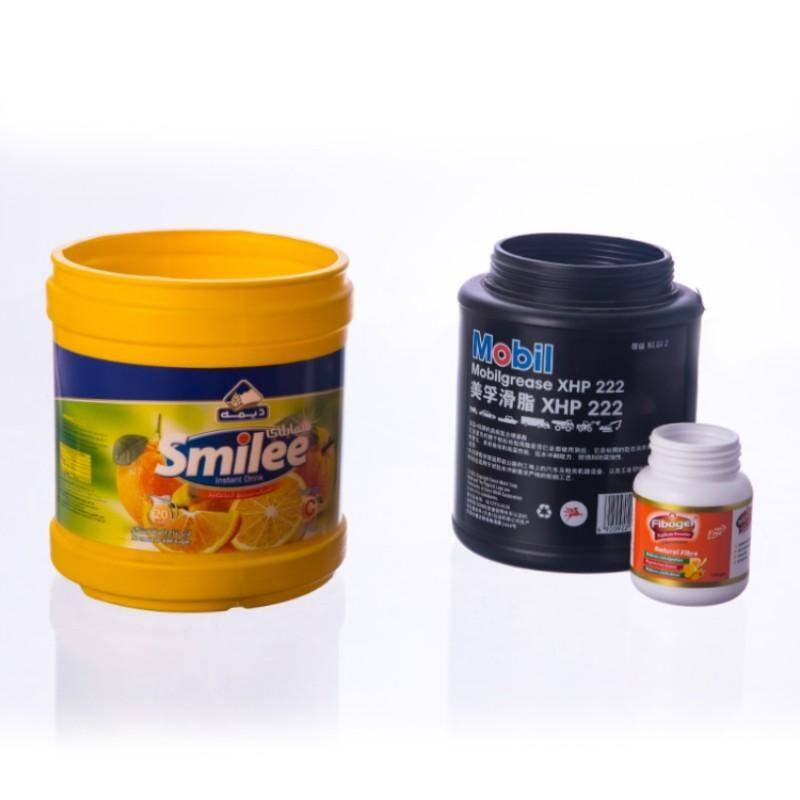
Heat transfer film has revolutionized modern manufacturing processes by offering an efficient and versatile solution for applying decorative finishes and protective coatings to various surfaces. This advanced material technology enables manufacturers to achieve high-quality decorative effects while maintaining excellent durability and performance characteristics. The growing demand for customized products across industries has made heat transfer film an essential component in today's competitive marketplace.
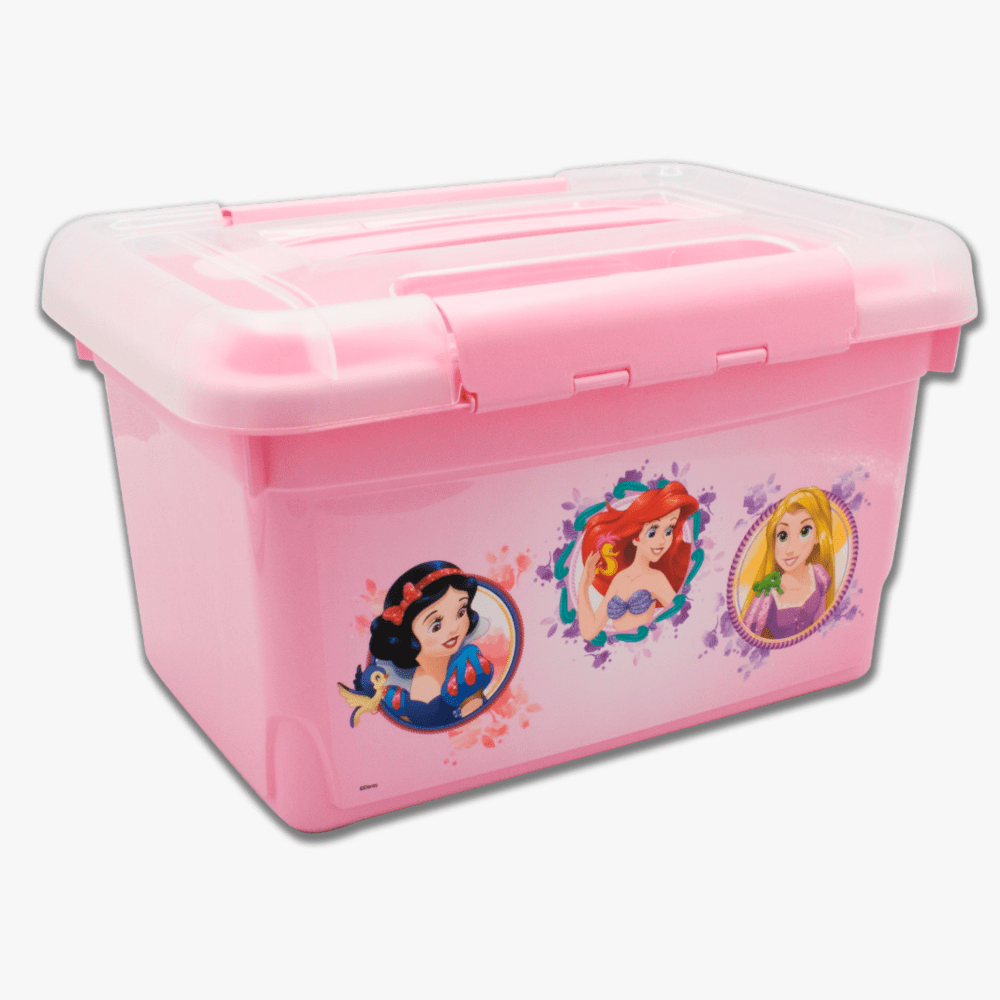
Manufacturing professionals increasingly rely on this technology to enhance product aesthetics while reducing production costs and complexity. The versatility of heat transfer film allows for consistent application across diverse materials including plastics, metals, glass, and composite materials. Understanding the various types, applications, and selection criteria for heat transfer film is crucial for making informed decisions that optimize both product quality and operational efficiency.
Understanding Heat Transfer Film Technology
Basic Principles and Mechanisms
Heat transfer film operates through a thermally activated adhesion process that bonds decorative or functional layers to target substrates. The technology relies on precise temperature and pressure control to activate specialized adhesives embedded within the film structure. This process ensures permanent adhesion while maintaining the integrity of both the decorative layer and the underlying material.
The transfer mechanism involves multiple layers working in synchronization to achieve optimal results. The carrier film provides structural support during handling and application, while the release layer facilitates clean separation after transfer completion. The decorative layer contains the desired visual elements, and the adhesive layer ensures permanent bonding to the target surface.
Advanced formulations incorporate specialized additives that enhance performance characteristics such as scratch resistance, UV stability, and chemical compatibility. These enhancements enable heat transfer film applications in demanding environments where traditional coating methods may fail to deliver adequate performance or durability.
Material Composition and Structure
Modern heat transfer film consists of carefully engineered multi-layer structures designed to optimize specific performance attributes. The base carrier film typically utilizes polyethylene terephthalate (PET) or similar high-performance polymers that provide dimensional stability and heat resistance during processing. This foundation layer ensures consistent film behavior across varying temperature and humidity conditions.
The decorative layer incorporates high-quality inks, pigments, or metallic materials that deliver the desired visual appearance. Advanced printing technologies enable complex patterns, gradients, and photorealistic images to be embedded within the film structure. These decorative elements maintain their appearance throughout the product lifecycle when properly applied and cured.
Adhesive formulations are specifically developed to match the thermal properties and surface characteristics of target materials. Different adhesive chemistries are employed depending on substrate requirements, environmental conditions, and performance expectations. This customization ensures optimal bonding strength while preventing issues such as adhesive migration or substrate damage.
Types and Categories of Heat Transfer Films
Decorative Transfer Films
Decorative heat transfer films encompass a broad range of aesthetic enhancement solutions designed to improve product appearance and market appeal. Wood grain patterns represent one of the most popular categories, enabling manufacturers to achieve realistic wood textures on plastic, metal, or composite surfaces. These films often incorporate multiple color layers and surface texturing to create convincing natural wood appearances.
Metallic finishes provide another significant category within decorative applications, offering alternatives to expensive electroplating or powder coating processes. Brushed aluminum, chrome, and copper effects can be achieved with specialized Heat Transfer Film formulations that incorporate metallic particles or reflective layers. These solutions deliver consistent appearance while eliminating environmental concerns associated with traditional metal finishing processes.
Solid color films offer virtually unlimited color options for product customization and branding applications. High-opacity formulations ensure complete coverage of underlying substrates, while transparent or translucent variants allow substrate colors to influence final appearance. Special effect films incorporate elements such as holographic patterns, color-changing properties, or textured surfaces to create unique visual experiences.
Functional Transfer Films
Functional heat transfer films prioritize performance characteristics over purely aesthetic considerations, though many products successfully combine both attributes. Scratch-resistant formulations incorporate hardened surface layers or specialized additives that significantly improve abrasion resistance compared to unprotected substrates. These films are particularly valuable for high-contact surfaces such as electronic device housings, automotive trim, and consumer appliances.
Chemical-resistant films provide protection against cleaning agents, solvents, and environmental contaminants that could damage or degrade substrate materials. Healthcare, food service, and industrial applications benefit from these protective characteristics, which extend product lifespan while maintaining appearance and functionality.
Antimicrobial films incorporate active agents that inhibit bacterial and fungal growth on treated surfaces. These specialized films address hygiene concerns in medical devices, food processing equipment, and public facility applications where traditional cleaning methods may be insufficient to maintain adequate sanitation levels.
Industrial Applications and Use Cases
Automotive Industry Applications
The automotive industry represents one of the largest and most demanding markets for heat transfer film technology. Interior trim components frequently utilize wood grain and carbon fiber effect films to achieve premium appearances at competitive costs. Dashboard panels, door trim, and center console elements benefit from the consistency and durability that heat transfer films provide compared to traditional painting or laminating processes.
Exterior applications include decorative accents, body side moldings, and trim pieces that require excellent weather resistance and color stability. Automotive-grade heat transfer films undergo extensive testing for UV exposure, temperature cycling, and chemical compatibility to ensure long-term performance in challenging environments.
Commercial vehicle applications often emphasize durability and maintenance considerations over purely aesthetic factors. Heat transfer films for trucks, buses, and construction equipment frequently incorporate enhanced scratch resistance and easy-clean surface properties that reduce maintenance requirements while maintaining professional appearance.
Electronics and Consumer Goods
Electronic device manufacturers increasingly rely on heat transfer film technology to achieve sophisticated surface finishes while maintaining electromagnetic compatibility and thermal management requirements. Smartphone and tablet housings utilize specialized films that provide grip enhancement, fingerprint resistance, and premium tactile experiences.
Home appliance applications benefit from heat transfer films that combine aesthetic appeal with functional performance. Refrigerator panels, washing machine exteriors, and small appliance housings achieve consistent appearance while providing resistance to cleaning chemicals, temperature variations, and daily wear patterns.
Gaming and entertainment devices utilize heat transfer films to create immersive visual experiences through specialized graphics, lighting effects, and textured surfaces. These applications often require precise registration and complex multi-color designs that showcase the advanced capabilities of modern film printing and application technologies.
Selection Criteria and Technical Considerations
Substrate Compatibility Assessment
Successful heat transfer film implementation begins with thorough substrate analysis to ensure compatibility between film adhesive systems and target materials. Different plastic formulations, surface treatments, and manufacturing processes can significantly impact adhesion performance and long-term durability. Surface energy measurements, contamination assessment, and compatibility testing help predict application success.
Thermal properties of substrate materials must be carefully evaluated to prevent damage during the transfer process. Heat-sensitive materials may require specialized low-temperature film formulations or modified application parameters to achieve adequate bonding without substrate degradation. Dimensional stability considerations are particularly important for large-format applications where thermal expansion could cause registration problems.
Surface preparation requirements vary significantly depending on substrate characteristics and intended application conditions. Some materials benefit from flame treatment, corona discharge, or chemical etching to optimize surface energy and adhesion performance. Understanding these requirements during the selection phase prevents costly application failures and quality issues.
Performance Requirements Analysis
Environmental exposure conditions directly influence heat transfer film selection decisions, as different formulations offer varying levels of resistance to UV radiation, temperature extremes, humidity, and chemical exposure. Indoor applications typically have less stringent requirements compared to outdoor or industrial environments where extended exposure to harsh conditions is expected.
Mechanical performance requirements including scratch resistance, impact tolerance, and flexibility must be carefully matched to expected use conditions. High-traffic surfaces require enhanced durability characteristics, while decorative-only applications may prioritize appearance over mechanical properties. Understanding the balance between performance and cost helps optimize film selection for specific applications.
Regulatory compliance considerations become increasingly important in industries such as automotive, medical devices, and food contact applications. Specialized heat transfer films meeting industry standards for flammability, toxicity, and food safety enable manufacturers to achieve regulatory compliance while maintaining design flexibility and cost effectiveness.
Application Processes and Best Practices
Equipment and Setup Requirements
Successful heat transfer film application requires properly configured equipment capable of delivering precise temperature, pressure, and timing control throughout the transfer process. Heat press machines, conveyor systems, and automated application equipment must be calibrated to match specific film requirements and production volume needs. Temperature uniformity across the application surface is critical for achieving consistent results and preventing defects.
Pressure distribution systems ensure even contact between the film and substrate during the transfer process. Inadequate pressure can result in incomplete transfer or poor adhesion, while excessive pressure may damage delicate substrates or cause film distortion. Proper tooling design and maintenance help maintain optimal pressure distribution across varying part geometries.
Environmental controls including temperature and humidity regulation help maintain consistent processing conditions that optimize film performance and reduce variability. Clean room environments may be necessary for applications requiring high visual quality or contamination-free surfaces.
Process Optimization Strategies
Process parameter development involves systematic evaluation of temperature, pressure, and dwell time variables to identify optimal settings for specific film and substrate combinations. Design of experiments methodology helps efficiently explore parameter interactions while minimizing material waste and setup time. Documentation of successful parameter sets enables consistent reproduction of quality results.
Quality control procedures including visual inspection, adhesion testing, and performance validation ensure consistent output quality and help identify process variations before they impact production efficiency. Statistical process control techniques help maintain process stability while identifying opportunities for continuous improvement.
Preventive maintenance programs for application equipment help maintain consistent performance while minimizing unexpected downtime. Regular calibration of temperature and pressure systems, replacement of wear components, and cleaning of contact surfaces are essential for long-term process reliability.
Quality Control and Testing Methods
Adhesion Testing Protocols
Adhesion strength evaluation forms the foundation of quality control programs for heat transfer film applications. Cross-hatch adhesion testing provides rapid assessment of film bonding quality and helps identify process variations that could impact long-term performance. Pull-off testing offers quantitative measurements of adhesion strength that can be compared against established specifications.
Peel strength testing evaluates the force required to remove applied films under controlled conditions, providing insights into adhesive performance and potential failure modes. These tests help validate process parameters and material selections while identifying potential quality issues before products reach end customers.
Environmental stress testing exposes film samples to accelerated aging conditions including elevated temperature, humidity, and UV exposure to predict long-term adhesion performance. These tests help validate material selections for specific application environments while identifying potential failure mechanisms that could impact product reliability.
Appearance and Durability Evaluation
Visual quality assessment requires standardized lighting conditions and evaluation criteria to ensure consistent results across different operators and locations. Color matching protocols help maintain consistency between production lots while identifying variations that could impact customer acceptance.
Surface defect evaluation including analysis of bubbles, wrinkles, contamination, and registration errors helps identify process improvements and equipment maintenance needs. Automated inspection systems can improve consistency while reducing labor requirements for high-volume production applications.
Durability testing simulates expected use conditions through accelerated testing protocols that evaluate resistance to scratching, chemical exposure, temperature cycling, and other relevant stress factors. These tests help validate material selections and provide data for warranty and performance claims.
Troubleshooting Common Issues
Adhesion Problems and Solutions
Poor adhesion represents one of the most common issues encountered in heat transfer film applications, often resulting from inadequate surface preparation, improper process parameters, or material compatibility problems. Systematic evaluation of substrate cleanliness, surface energy, and contamination levels helps identify root causes and appropriate corrective actions.
Temperature-related adhesion problems frequently occur when process parameters fall outside the recommended ranges for specific film formulations. Insufficient temperature prevents complete adhesive activation, while excessive temperature can cause adhesive degradation or substrate damage. Temperature profiling across the application surface helps identify hot spots or cold zones that could impact adhesion uniformity.
Pressure-related issues including incomplete contact or excessive force can create adhesion variations across the application surface. Proper tooling design and pressure distribution systems help ensure uniform contact while preventing substrate damage or film distortion during the transfer process.
Visual Quality Defects
Bubble formation during application typically results from trapped air, moisture, or volatile compounds that expand during heating. Proper substrate preparation including cleaning and drying helps minimize these issues, while vacuum-assisted application systems can eliminate trapped air pockets that could compromise appearance quality.
Registration problems affecting pattern alignment or color consistency often stem from dimensional stability issues in either the film or substrate materials. Temperature control during storage and handling helps maintain dimensional stability, while proper fixturing and handling procedures prevent distortion during application.
Surface contamination including dust, oils, or processing aids can create localized adhesion problems or visual defects that impact product quality. Clean room environments, proper material handling procedures, and effective cleaning protocols help minimize contamination-related quality issues.
FAQ
What factors determine the optimal temperature for heat transfer film application?
The optimal application temperature depends on the specific film formulation, substrate material properties, and desired performance characteristics. Most heat transfer films operate within temperature ranges of 140-180°C, but specialized formulations may require different parameters. Substrate heat sensitivity, adhesive activation temperature, and processing equipment capabilities all influence optimal temperature selection. Proper temperature profiling ensures uniform heating across the application surface while preventing substrate damage or incomplete transfer.
How long do heat transfer film applications typically last in outdoor environments?
Outdoor durability varies significantly depending on film formulation, environmental conditions, and maintenance practices. High-quality automotive-grade films typically provide 5-10 years of acceptable performance in moderate climates, while industrial-grade formulations may exceed 15 years in appropriate applications. UV stabilizers, weathering resistance additives, and proper surface preparation significantly impact longevity. Regular cleaning and maintenance help preserve appearance and extend service life in challenging outdoor environments.
Can heat transfer films be removed and reapplied if necessary?
Most heat transfer films are designed for permanent adhesion and cannot be easily removed without damaging either the film or substrate surface. Some specialized removable formulations are available for temporary applications or situations requiring periodic replacement. Removal typically requires heating to soften the adhesive followed by careful mechanical removal, which may leave residue requiring additional cleaning. Design applications requiring removability should specify appropriate film types during the selection phase.
What quality control measures ensure consistent heat transfer film performance?
Comprehensive quality control programs include incoming material inspection, process parameter monitoring, adhesion testing, and visual quality evaluation. Statistical process control techniques help maintain parameter stability while identifying trends that could impact quality. Regular equipment calibration, preventive maintenance, and operator training ensure consistent application techniques. Environmental testing validates long-term performance under expected use conditions, while customer feedback helps identify potential improvement opportunities.
Table of Contents
- Understanding Heat Transfer Film Technology
- Types and Categories of Heat Transfer Films
- Industrial Applications and Use Cases
- Selection Criteria and Technical Considerations
- Application Processes and Best Practices
- Quality Control and Testing Methods
- Troubleshooting Common Issues
-
FAQ
- What factors determine the optimal temperature for heat transfer film application?
- How long do heat transfer film applications typically last in outdoor environments?
- Can heat transfer films be removed and reapplied if necessary?
- What quality control measures ensure consistent heat transfer film performance?