 EN
EN


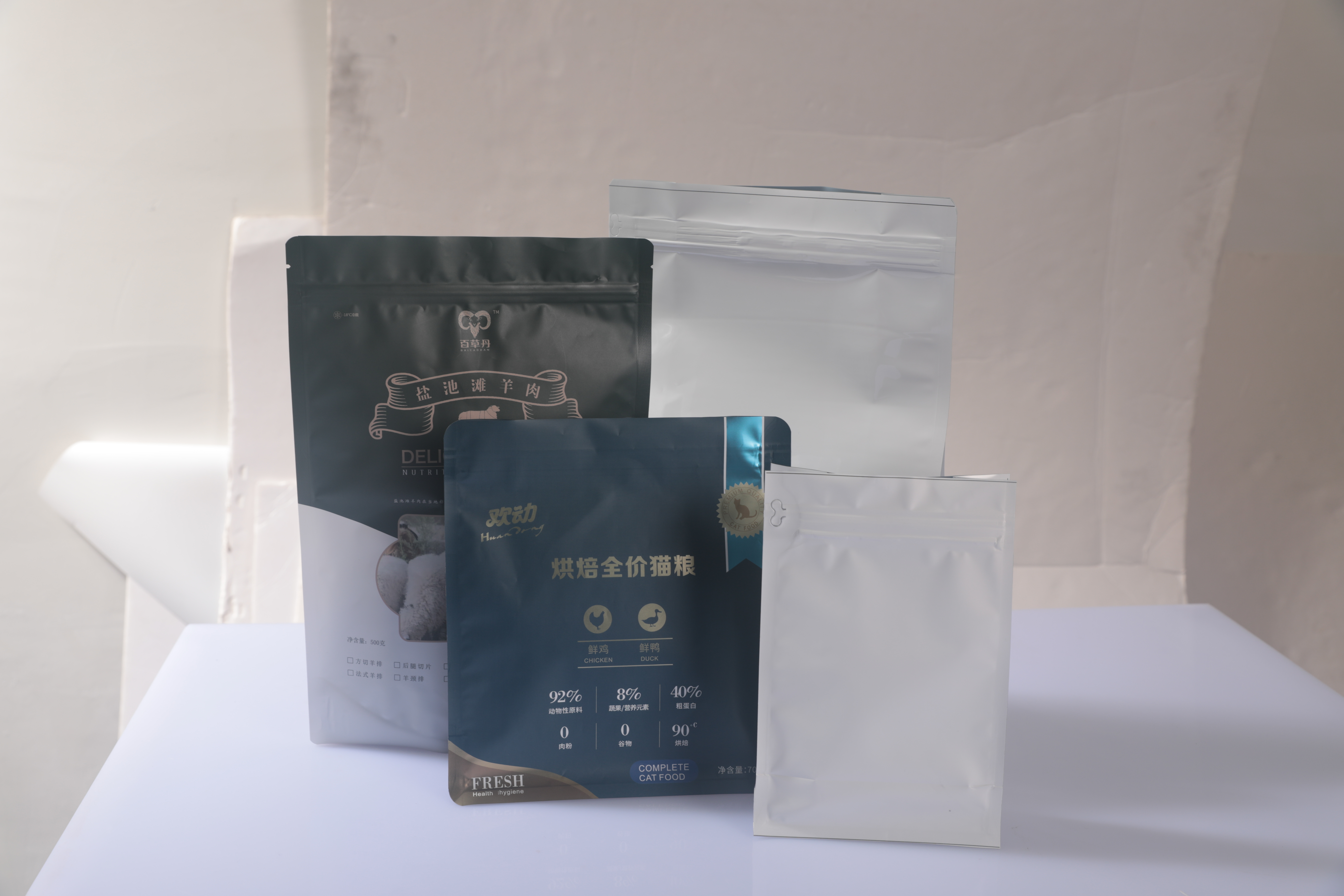
ສາຍການຈັດສົ່ງປ້າບຕິດໃນແບບ (in-mold label) ແມ່ນເປັນເຄືອຂ່າຍທີ່ຊັບຊ້ອນຂອງຂະບວນການທີ່ມີຄວາມຊ່ຽວຊານ, ເຕັກໂນໂລຢີ, ແລະ ຜູ້ມີສ່ວນຮ່ວມທີ່ເປັນພິເສດ ເຊິ່ງປ່ຽນແປງແນວຄິດດ້ານການອອກແບບເບື້ອງຕົ້ນ ໃຫ້ເປັນຜະລິດຕະພັນພາສຕິກທີ່ມີປ້າບຕິດທີ່ມີຄຸນນະພາບສູງ. ການເຂົ້າໃຈສາຍການຈັດສົ່ງທັງໝົດນີ້ແມ່ນມີຄວາມສຳຄັນຫຼາຍສຳລັບຜູ້ຜະລິດ, ເຈົ້າຂອງຍີ່ຫໍ້, ແລະ ຜູ້ຊ່ຽວຊານດ້ານການຈັດຊື້ ທີ່ຕ້ອງການຈະປັບປຸງຍຸດທະສາດການຕິດປ້າບຂອງພວກເຂົາ, ຫຼຸດຜ່ອນຕົ້ນທຶນການຜະລິດ, ແລະ ຮັບປະກັນຄຸນນະພາບທີ່ເປັນເອກະລັກທົ່ວທັງຂະບວນການຜະລິດ. ສາຍການຈັດສົ່ງປ້າບຕິດໃນແບບປະກອບດ້ວຍທຸກສິ່ງທຸກຢ່າງ ເລີ່ມຈາກການອອກແບບຮູບພາບ, ການເລືອກເອກະສານພື້ນຖານ (substrate), ຈົນເຖິງການຈັດສົ່ງຜະລິດຕະພັນສຸດທ້າຍ ແລະ ການຮັບປະກັນຄຸນນະພາບ.
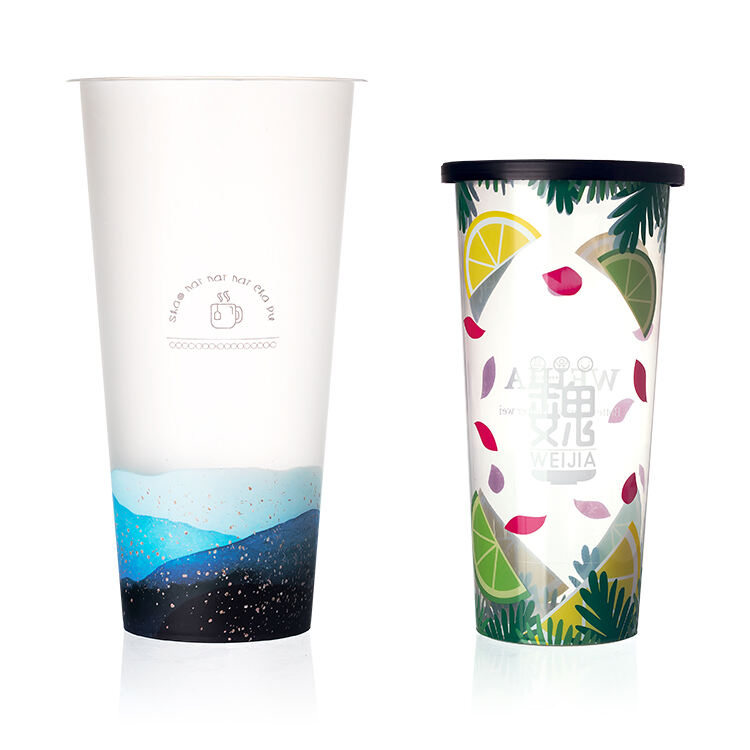
ຄວາມສັບສົນຂອງຫຼາກຫຼາຍຂະບວນການຈັດສົ່ງປ້າບຕິດໃນແບບ (in-mold label supply chain) ເກີດຈາກການບູລະນາການຂອງຫຼາກຫຼາຍຂະແໜງການຜະລິດທີ່ແຕກຕ່າງກັນ ລວມທັງການອອກແບບຮູບພາບ, ການຜະລິດເທິງຟີມ, ເຕັກໂນໂລຢີການພິມ, ການຕັດຮູບດ້ວຍແມ່ພິມ, ແລະ ຂະບວນການຂຶ້ນຮູບດ້ວຍການຫຼໍ່ເຂົ້າໃນແບບ. ແຕ່ລະຂັ້ນຕອນຕ້ອງການການປະສານງານຢ່າງຖືກຕ້ອງ ແລະ ການຄວບຄຸມຄຸນນະພາບຢ່າງເຂັ້ມງວດ ເພື່ອໃຫ້ຜະລິດຕະພັນສຸດທ້າຍທີ່ມີປ້າບຕິດສອດຄົງຕາມຄວາມຕ້ອງການທັງດ້ານຮູບລັກສະນະ ແລະ ຄວາມເໝາະສົມໃນການໃຊ້ງານ. ວິທີການທີ່ບູລະນາການນີ້ເປັນສິ່ງທີ່ແຍກແຍະການຕິດປ້າບໃນແບບ (in-mold labeling) ອອກຈາກວິທີການຕິດປ້າບຫຼັງຈາກຂຶ້ນຮູບແບບ (post-molding labeling) ທີ່ໃຊ້ຢູ່ທົ່ວໄປ, ເຊິ່ງເຮັດໃຫ້ເກີດຄວາມເປັນເອກະລັກໃນການຈັດການຫຼາກຫຼາຍຂະບວນການຈັດສົ່ງ ທີ່ມີຜົນຕໍ່ເວລານຳເຂົ້າ, ການຈັດການສິນຄ້າສຳຮອງ, ແລະ ວິທີການຮັບປະກັນຄຸນນະພາບ.
ຂະບວນການອອກແບບ ແລະ ຂະບວນການກ່ອນການຜະລິດໃນຫຼາກຫຼາຍຂະບວນການຈັດສົ່ງປ້າບຕິດໃນແບບ
ການອອກແບບຮູບພາບ ແລະ ການພັດທະນາຍີ່ຫໍ້
ສາຍການຈັດສົ່ງປ້າບຕິດໃນແບບ (in-mold label) ເລີ່ມຕົ້ນດ້ວຍການອອກແບບຮູບພາບຢ່າງເຕັມຮູບແບບ ແລະ ກິດຈະກຳການພັດທະນາຍີ່ຫໍ້ ເຊິ່ງເປັນພື້ນຖານດ້ານທັດສະນະສຳລັບຂະບວນການຜະລິດທັງໝົດ. ນັກອອກແບບມືອາຊີບເຮັດວຽກຮ່ວມກັບຜູ້ຈັດການຍີ່ຫໍ້ຢ່າງໃກ້ຊິດເພື່ອສ້າງອອກແບບປ້າບທີ່ບໍ່ພຽງແຕ່ສະທ້ອນອັตลັກສະນະຂອງຍີ່ຫໍ້ເທົ່ານັ້ນ ແຕ່ຍັງຄຳນຶງເຖິງຂໍ້ຈຳກັດດ້ານເຕັກນິກຂອງຂະບວນການຕິດປ້າບໃນແບບ (in-mold labeling) ອີກດ້ວຍ. ຂະບວນການອອກແບບນີ້ຈຳເປັນຕ້ອງພິຈາລະນາປັດໄຈຕ່າງໆ ເຊັ່ນ: ການຈັດຕັ້ງສີໃຫ້ຖືກຕ້ອງ, ຄວາມຊັດເຈນຂອງຕົວໜັງສື, ການຈັດວາງບາໂຄດ, ແລະ ຂໍ້ກຳນົດດ້ານກົດໝາຍທີ່ຈະມີຜົນຕໍ່ທຸກຂະບວນການຕໍ່ໄປໃນສາຍການຈັດສົ່ງ.
ໃ during ຂະບວນການເລີ່ມຕົ້ນນີ້, ນັກອອກແບບຈະຕ້ອງປະເມີນດ້ວຍວ່າ ວຽກອອກແບບທີ່ເຂົາເຈົ້າສ້າງຂຶ້ນຈະຖືກປະຕິບັດໄດ້ແນວໃດຜ່ານຂັ້ນຕອນຕ່າງໆຂອງຫຼາຍຂະບວນການຈັດສົ່ງປ້າຍທີ່ຕິດຢູ່ໃນແບບຂອງຜະລິດຕະພັນ (in-mold label supply chain) ເຊິ່ງລວມເຖິງຂໍ້ຈຳກັດດ້ານການພິມ, ລັກສະນະຂອງວັດຖຸພື້ນຖານ (substrate characteristics), ແລະ ຂະບວນການຂຶ້ນຮູບສຸດທ້າຍ. ການຈັດການສີຈະເປັນສິ່ງທີ່ສຳຄັນເປັນພິເສດ, ເນື່ອງຈາກສີອາດຈະປ່ຽນແປງໄປໃນຂະບວນການຂຶ້ນຮູບທີ່ມີອຸນຫະພູມສູງ, ດັ່ງນັ້ນຈຶ່ງຕ້ອງເລືອກຢ່າງລະມັດລະວັງທັງໝົດທີ່ເປັນທັງສີທີ່ໃຊ້ໃນການພິມ (inks) ແລະ ວັດຖຸພື້ນຖານ (substrates) ເພື່ອຮັກສາຄວາມຖືກຕ້ອງຂອງສີໃນທຸກຂັ້ນຕອນຂອງຫຼາຍຂະບວນການຈັດສົ່ງ. ທີມງານອອກແບບຍັງຈະຕ້ອງຮ່ວມມືກັບຊ່ຽວຊານດ້ານເຕັກນິກເພື່ອໃຫ້ແນ່ໃຈວ່າ ການອອກແບບປ້າຍນີ້ເຂົ້າກັນໄດ້ກັບຮູບຮ່າງຂອງຜະລິດຕະພັນທີ່ຕັ້ງໃຈຈະໃຊ້ ແລະ ປັບໃຫ້ເຂົ້າກັບຂໍ້ກຳນົດຂອງຂະບວນການຂຶ້ນຮູບ.
ການເລືອກວັດຖຸ ແລະ ການກຳນົດລັກສະນະຂອງວັດຖຸພື້ນຖານ
ການເລືອກວັດຖຸເປັນຈຸດຕັດສິນໃຈທີ່ສຳຄັນໃນຫຼາຍຂະບວນການຈັດສົ່ງປ້າຍທີ່ຕິດຕັ້ງໃນແບບ (in-mold label), ເນື່ອງຈາກວັດຖຸພື້ນຖານທີ່ເລືອກຈະກຳນົດຄວາມເຂົ້າກັນໄດ້ກັບການພິມ, ພຶດຕິກຳໃນການຂຶ້ນຮູບ, ແລະ ຄຸນລັກສະນະການປະຕິບັດຂອງຜະລິດຕະພັນສຸດທ້າຍ. ວັດຖຸພື້ນຖານທີ່ນິຍົມໃຊ້ປະກອບດ້ວຍຟີມໂປລີໂປລີເລນ, ຟີມໂປລີເອທີລີນ, ແລະ ກະดาດສັງເຄາະທີ່ເປັນພິເສດ, ໂດຍແຕ່ລະຊະນິດມີຂໍ້ດີທີ່ແຕກຕ່າງກັນໃນດ້ານຄວາມສາມາດໃນການພິມ, ຄວາມສາມາດໃນການປັບຕົວຕາມຮູບຮ່າງ, ແລະ ຄວາມຕ້ານທານຕໍ່ເຄມີ. ຂະບວນການເລືອກຕ້ອງມີການປະເມີນຢ່າງລະອຽດຕໍ່ສະພາບແວດລ້ອມທີ່ຈະນຳໃຊ້ສິນຄ້າ, ອາຍຸການຂອງຜະລິດຕະພັນທີ່ຄາດວ່າຈະໄດ້ຮັບ, ແລະ ຄວາມຕ້ອງການດ້ານການປະຕິບັດທີ່ເປັນເລື່ອງເພີ່ມເຕີມເຊັ່ນ: ຄວາມຕ້ານທານຕໍ່ການຂີດຂ່ວນ ຫຼື ຄວາມສະຖຽນຕໍ່ຮັງສີ UV.
ຂະບວນການກຳນົດສະເພກເຊີຟິກເຊີ່ນຂອງວັດຖຸພື້ນຖານໃນຫຼາຍຂະບວນການຈັດສົ່ງປ້າຍທີ່ຕິດຕັ້ງໄວ້ໃນແບບ (in-mold label supply chain) ຍັງປະກອບດ້ວຍການກຳນົດຄວາມໜາຂອງເມືອງທີ່ເໝາະສົມທີ່ສຸດ, ການປິ່ນປົວໜ້າພ້ອມ, ແລະ ຄຸນສົມບັດການກັ້ນ (barrier properties) ເຊິ່ງຈະຮັບປະກັນການປະສົມປະສານຢ່າງສຳເລັດຜົນກັບຂະບວນການຂຶ້ນຮູບ. ເມືອງທີ່ໜາກວ່າອາດຈະໃຫ້ຄວາມສາມາດໃນການພິມ ແລະ ຄວາມໝັ້ນຄົງທີ່ດີຂື້ນ ແຕ່ອາດຈະເກີດບັນຫາໃນຂະບວນການຂຶ້ນຮູບ, ໃນຂະນະທີ່ເມືອງທີ່ບາງກວ່າອາດຈະປັບຕົວໄດ້ດີຂື້ນກັບຮູບຮ່າງທີ່ສັບສົນ ແຕ່ຕ້ອງການການຈັດການທີ່ລະມັດລະວັງຫຼາຍຂື້ນທົ່ວທັງຫຼາຍຂະບວນການຈັດສົ່ງ. ການμີການຕັດສິນໃຈດ້ານວັດຖຸເຫຼົ່ານີ້ມີຜົນກະທົບຕໍ່ການຕັ້ງຄ່າການພິມ, ຂໍ້ກຳນົດການຕັດດ້ວຍແມ່ພິມ (die-cutting), ແລະ ການປັບປຸງຂະບວນການຂຶ້ນຮູບ.
ການຜະລິດປ້າຍ ແລະ ການດຳເນີນງານການຜະລິດ
ເຕັກໂນໂລຊີການພິມ ແລະ ການຄວບຄຸມຄຸນນະພາບ
ຂະບວນການພິມຂອງຫຼອດສາຍການຈັດສົ່ງປ້າຽບຕິດໃນແບບ (in-mold label supply chain) ໃຊ້ເຕັກໂນໂລຢີທີ່ເປັນເອກະລັກ ເພື່ອຜະລິດຮູບພາບທີ່ມີຄຸນນະພາບສູງ ເຊິ່ງສາມາດຕ້ານທືນສະພາບການທີ່ເຂັ້ມງວດຂອງຂະບວນການຂຶ້ນຮູບດ້ວຍການຫຼໍ່ (injection molding process). ເຕັກນິກການພິມແບບ flexographic, ເຕັກນິກການພິມແບບ gravure, ແລະ ເຕັກນິກການພິມດິຈິຕອນ (digital printing) ແຕ່ລະຢ່າງມີຂໍ້ດີທີ່ແຕກຕ່າງກັນສຳລັບການຜະລິດປ້າຽບຕິດໃນແບບ, ໂດຍການເລືອກໃຊ້ຈະຂຶ້ນກັບປັດໄຈຕ່າງໆ ເຊັ່ນ: ຈຳນວນການຜະລິດ (run length), ຄວາມສັບສົນຂອງສີ, ແລະ ຂໍ້ກຳນົດດ້ານຄຸນນະພາບ. ຂະບວນການພິມຈະຕ້ອງບັນລຸການຈັດຕັ້ງສີທີ່ຖືກຕ້ອງຢ່າງແນ່ນອນ, ຄວາມໜາແໜ້ນຂອງສີທີ່ເປັນເອກະພາບ, ແລະ ການຢູ່ຕິດທີ່ເໝາະສົມ ເພື່ອໃຫ້ປ້າຽບຕິດຮັກສາຮູບຮ່າງ ແລະ ຄວາມເໝາະສົມໃນການໃຊ້ງານໄວ້ໄດ້ຕະຫຼອດຂະບວນການທີ່ເຫຼືອຂອງສາຍການຈັດສົ່ງ.
ການຄວບຄຸມຄຸນນະພາບໃນຂະບວນການພິມປະກອບດ້ວຍການຕິດຕາມຢ່າງຕໍ່ເນື່ອງເຖິງຄວາມຖືກຕ້ອງຂອງສີ, ການຈັດຕັ້ງຂອງການພິມ, ແລະ ຄຸນນະພາບຂອງໜ້າພ້ອວນ ເພື່ອປ້ອງກັນຂໍ້ບົກຜ່ອງທີ່ອາດຈະເຮັດໃຫ້ຂະບວນການທັງໝົດເສຍຫາຍ. ສາຍການຈັດສົ່ງປ້າຽບຕິດໃນແບບ ລະບົບການກວດສອບຂັ້ນສູງໃຊ້ເຕັກໂນໂລຢີທີ່ອີງໃສ່ກ້ອງເພື່ອກວດຫາຂໍ້ບົກຜ່ອງໃນການພິມ, ຄວາມແຕກຕ່າງຂອງສີ, ແລະ ຂໍ້ຜິດພາດໃນການຈັດຕັ້ງຕຳແໜ່ງ (registration errors) ໃນເວລາຈິງ, ເຊິ່ງເຮັດໃຫ້ສາມາດປັບປຸງໄດ້ທັນທີເພື່ອຫຼຸດຜ່ອນຂະບວນການສູນເສຍ ແລະ ຮັກສາປະສິດທິພາບໃນການຜະລິດ. ສະຖານທີ່ຜະລິດການພິມຈະຕ້ອງຄວບຄຸມສະພາບແວດລ້ອມຢ່າງເຂັ້ມງວດເຖິງອຸນຫະພູມ ແລະ ຄວາມຊື້ນເພື່ອຮັບປະກັນວ່າສີທີ່ໃຊ້ຈະເຮັດວຽກໄດ້ຢ່າງສົມໆເທົ່າກັນ ແລະ ວັດຖຸທີ່ນຳມາພິມຈະຖືກຈັດການໄດ້ຢ່າງເໝາະສົມຕະຫຼອດຂະບວນການຜະລິດ.
ການຕັດແບບດ້ວຍແມ່ພິມ ແລະ ການປະມວນຜົນຂັ້ນສຸດທ້າຍ
ການດຳເນີນການຕັດແບບດ້ວຍເຄື່ອງຈັກໃນຫຼາຍຂະບວນການສະໜອງປ້າຍທີ່ຕິດຕັ້ງຢູ່ໃນແບບ (in-mold label) ຕ້ອງມີການຕັ້ງຄ່າແລະການໃຊ້ເຄື່ອງມືທີ່ຖືກຕ້ອງຢ່າງແນ່ນອນເພື່ອຜະລິດປ້າຍທີ່ມີຂະໜາດທີ່ຖືກຕ້ອງຢ່າງແນ່ນອນ ແລະ ມີເສັ້ນຂອບທີ່ເລີຍລຽບ ເຊິ່ງຈະສາມາດສົ່ງຜ່ານລະບົບການຈັດການອັດຕະໂນມັດໄດ້ຢ່າງຖືກຕ້ອງ. ຂະບວນການຕັດແບບດ້ວຍເຄື່ອງຈັກຈະຕ້ອງພິຈາລະນາຄວາມຕ້ອງການທີ່ເປັນເອກະລັກຂອງຂະບວນການຂຶ້ນຮູບດ້ວຍການຫຼໍ່ (injection molding) ລວມທັງຄວາມຖືກຕ້ອງຂອງການຈັດວາງປ້າຍ, ຄຸນນະພາບຂອງເສັ້ນຂອບ, ແລະ ການຄວບຄຸມຄວາມເປັນໄຟຟ້າສະຖິຕິ (static electricity) ທີ່ອາດຈະສົ່ງຜົນຕໍ່ການຈັດການ ແລະ ການຈັດວາງປ້າຍ. ລະບົບການຕັດແບບດ້ວຍເຄື່ອງຈັກແບບລ້ອດຕາຣີ (rotary die-cutting) ແມ່ນມັກຖືກນຳໃຊ້ສຳລັບການຜະລິດໃນປະລິມານຫຼາຍ, ໃນຂະນະທີ່ການຕັດແບບດ້ວຍເຄື່ອງຈັກແບບເຕັ້ນເປັນ (flatbed die-cutting) ອາດຈະເປັນທີ່ຕ້ອງການຫຼາຍຂຶ້ນສຳລັບການຜະລິດໃນປະລິມານນ້ອຍ ຫຼື ສຳລັບຮູບຮ່າງປ້າຍທີ່ສັບສົນ.
ການດຳເນີນງານຂັ້ນສຸດທ້າຍໃນຫຼອດຈັດສົ່ງປ້າຍທີ່ຕິດຕັ້ງພາຍໃນແບບ (in-mold label) ອາດປະກອບດ້ວຍຂະບວນການເພີ່ມເຕີມເຊັ່ນ: ການເຈาะຮູ, ການຂີດເສັ້ນເພື່ອໃຫ້ງ່າຍຕໍ່ການຫັກ, ຫຼື ການທາຊັ້ນພິເສດທີ່ຊ່ວຍປັບປຸງປະສິດທິພາບຂອງປ້າຍໃນຂະນະທີ່ປຶ້ມໃນແບບ ຫຼື ໃນການນຳໃຊ້ສຸດທ້າຍ. ການຄວບຄຸມຄຸນນະພາບໃນຂະບວນການຕັດດ້ວຍແມ່ພິມ (die-cutting) ເນັ້ນໃສ່ຄວາມຖືກຕ້ອງຂອງຂະໜາດ, ຄຸນນະພາບຂອງເສັ້ນຕຳຫຼວດ, ແລະ ການປົດປ່ອຍອອກຈາກວັດສະດຸທີ່ເປັນຕົວນຳ (carrier material) ໃຫ້ຖືກຕ້ອງ, ເນື່ອງຈາກຂໍ້ບົກຜ່ອງໃນເຂດເຫຼົ່ານີ້ອາດເຮັດໃຫ້ເກີດບັນຫາໃນການສົ່ງປ້າຍເຂົ້າເຄື່ອງ ຫຼື ບັນຫາໃນຂະບວນການປຶ້ມ ທີ່ສາມາດສົ່ງຜົນຕໍ່ການຜະລິດທັງໝົດ. ປ້າຍທີ່ສຳເລັດແລ້ວຈະຕ້ອງຖືກຫໍ່ຫຸ້ມຢ່າງລະມັດລະວັງ ແລະ ເກັບຮັກສາໄວ້ໃນສະພາບແວດລ້ອມທີ່ຄວບຄຸມໄດ້ເພື່ອປ້ອງກັນການປົນເປື້ອນ, ການສ້າງຄວາມຊືດ (static buildup), ຫຼື ຄວາມເສຍຫາຍທາງຮ່າງກາຍ ທີ່ອາດຈະເຮັດໃຫ້ປະສິດທິພາບຂອງປ້າຍເສຍຫາຍໃນຂະບວນການຕໍ່ໄປຂອງຫຼອດຈັດສົ່ງ.
ດ້ານການຂົນສົ່ງ ແລະ ການຈັດການສິນຄ້າເກັບສຳຮອງ
ການປະສານງານ ແລະ ການຈັດເວລາໃນຫຼອດຈັດສົ່ງ
ການປະສານງານຢ່າງມີປະສິດທິຜົນໃນຫຼອດສາຍການຈັດສົ່ງປ້າຍຕິດພາຍໃນແບບ (in-mold label) ຕ້ອງການການຈັດເວລາຢ່າງຖືກຕ້ອງລະຫວ່າງການຜະລິດປ້າຍ, ການຈັດການສິນຄ້າສຳຮອງ, ແລະ ເວລາການຂຶ້ນຮູບ (molding schedules) ເພື່ອຫຼຸດຜ່ອນຕົ້ນທຶນການເກັບຮັກສາ (carrying costs) ໃນຂະນະທີ່ຮັບປະກັນການຜະລິດຢ່າງຕໍ່ເນື່ອງ. ເວລານຳເຂົ້າ (lead times) ສຳລັບປ້າຍຕິດພາຍໃນແບບອາດແຕກຕ່າງກັນຢ່າງຫຼວງຫຼາຍ ຂື້ນກັບຄວາມສັບສົນຂອງການອອກແບບ, ຄວາມຕ້ອງການດ້ານການພິມ, ແລະ ປະລິມານການຜະລິດ, ດັ່ງນັ້ນຈຶ່ງຕ້ອງມີການວາງແຜນຢ່າງລະອຽດ ແລະ ການສື່ສານທີ່ດີລະຫວ່າງທຸກໆພາກສ່ວນທີ່ເກີ່ยวຂ້ອງໃນຫຼອດສາຍການຈັດສົ່ງ. ລະບົບການວາງແຜນຂັ້ນສູງຊ່ວຍໃນການປະສານງານລະຫວ່າງ ເວລາການຜະລິດ, ລະດັບສິນຄ້າສຳຮອງ, ແລະ ເວລາການຈັດສົ່ງ ເພື່ອເພີ່ມປະສິດທິຜົນທັງໝົດຂອງຫຼອດສາຍການຈັດສົ່ງ ແລະ ຫຼຸດຜ່ອນຄວາມສ່ຽງຂອງການຂັດຂວາງການຜະລິດ.
ຄວາມທຸກຍາກດ້ານການປະສານງານໃນຫຼອດສາຍການຈັດສົ່ງປ້າບຕິດໃນແບບ (in-mold label) ຖືກເຮັດໃຫ້ຮຸນແຮງຂຶ້ນເນື່ອງຈາກຄວາມຈຳເປັນທີ່ຕ້ອງຮັກສາຄຸນນະພາບຂອງປ້າບຕິດໄລຍະເວລາທີ່ເກັບຮັກສາ ແລະ ການຂົນສົ່ງ ເນື່ອງຈາກປ້າບຕິດອາດຈະມີຄວາມອ່ອນໄຫວຕໍ່ສະພາບແວດລ້ອມເຊັ່ນ: ອຸນຫະພູມ, ຄວາມຊື້ນ, ແລະ ພະລັງງານໄຟຟ້າສະຖິຕິ. ຜູ້ຮ່ວມງານໃນຫຼອດສາຍການຈັດສົ່ງຈຳເປັນຕ້ອງນຳໃຊ້ວິທີການທີ່ເໝາະສົມໃນການຫໍ່ຫຸ້ມ, ການຈັດການ, ແລະ ການເກັບຮັກສາເພື່ອປ້ອງກັນບໍ່ໃຫ້ປ້າບຕິດເສຍຫາຍ ຫຼື ປົນເປືືອນ ເຊິ່ງອາດຈະສົ່ງຜົນຕໍ່ປະສິດທິພາບຂອງການຂຶ້ນຮູບ. ລະບົບການສື່ສານເຮັດໃຫ້ເກີດຄວາມຊັດເຈນໃນເວລາຈິງຕໍ່ສະຖານະການການຜະລິດ, ລະດັບສິນຄ້າສຳຮອງ, ແລະ ມາດຕະການຄຸນນະພາບໃນທຸກຂັ້ນຕອນຂອງຫຼອດສາຍການຈັດສົ່ງ.
ການຮັບປະກັນຄຸນນະພາບ ແລະ ການຕິດຕາມທີ່ມາທີ່ໄປ
ການຮັບປະກັນຄຸນນະພາບໃນຕະຫຼອດລະບົບການສະ ຫນອງ ເຄື່ອງ ຫມາຍ ໃນຮູບແບບປະກອບດ້ວຍການຈັດຕັ້ງປະຕິບັດລະບົບການທົດສອບແລະເອກະສານທີ່ສົມບູນແບບເຊິ່ງຮັບປະກັນຜົນງານຂອງເຄື່ອງ ຫມາຍ ທີ່ສອດຄ່ອງຈາກການຜະລິດຜ່ານການປະຕິບັດການ molding ສຸດທ້າຍ. ແຕ່ລະຊຸດຂອງປ້າຍຕ້ອງຖືກທົດສອບຢ່າງລະອຽດ ສໍາ ລັບຄວາມຖືກຕ້ອງຂອງຂະ ຫນາດ, ຄຸນນະພາບການພິມ, ຄຸນສົມບັດຂອງພື້ນຖານ, ແລະຄວາມເຂົ້າກັນໄດ້ກັບການປ້ອນກ່ອນທີ່ຈະປ່ອຍໃຫ້ໃຊ້ໃນການຜະລິດ. ມາດຕະການຄວບຄຸມຄຸນນະພາບເຫຼົ່ານີ້ຊ່ວຍປ້ອງກັນການລົບກວນການຜະລິດທີ່ມີຄ່າໃຊ້ຈ່າຍແລະຮັບປະກັນວ່າຜະລິດຕະພັນທີ່ຖືກຕິດປ້າຍສຸດທ້າຍຕອບສະ ຫນອງ ຄວາມຊໍາລະແລະຂໍ້ ກໍາ ນົດດ້ານລະບຽບການທັງ ຫມົດ.
ລະບົບການຕິດຕາມພາຍໃນລະບົບການສະ ຫນອງ ເຄື່ອງ ຫມາຍ ໃນຮູບແບບຊ່ວຍໃຫ້ສາມາດລະບຸແລະແກ້ໄຂບັນຫາຄຸນນະພາບໄດ້ຢ່າງໄວວາໂດຍການຮັກສາບັນທຶກລາຍລະອຽດກ່ຽວກັບແຫຼ່ງວັດສະດຸ, ຕົວວັດແທກການຜະລິດ, ແລະຜົນການທົດສອບຄຸນນະພາບ ສໍາ ລັບແຕ່ລະຊຸດເຄື່ອງ ຫມາຍ. ຄວາມສາມາດໃນການຕິດຕາມໄດ້ນີ້ກາຍເປັນສິ່ງທີ່ ສໍາ ຄັນໂດຍສະເພາະເມື່ອການຈັດການກັບຜະລິດຕະພັນທີ່ຖືກກົດລະບຽບຫຼືເມື່ອບັນຫາຄຸນນະພາບເກີດຂື້ນທີ່ ຈໍາ ເປັນຕ້ອງມີການສືບສວນແລະປະຕິບັດການແກ້ໄຂ. ລະບົບຕິດຕາມດິຈິຕອນສະ ຫນອງ ການເຂົ້າເຖິງຂໍ້ມູນຄຸນນະພາບໃນເວລາຈິງແລະຊ່ວຍໃຫ້ມີການສື່ສານຢ່າງໄວວາກ່ຽວກັບບັນຫາຄຸນນະພາບຫຼືການປ່ຽນແປງໃນການຜະລິດໃນບັນດາຄູ່ຮ່ວມງານຕ່ອງໂສ້ການສະ ຫນອງ ທັງ ຫມົດ.
ການເຊື່ອມໂຍງກັບການປະຕິບັດການ molding ການສັກຢາ
ລະບົບການຈັດການແລະ ຕໍາ ແຫນ່ງ ເຄື່ອງ ຫມາຍ
ການບູລະນາການຂອງຫຼາຍຊ່ວງຂອງສາຍການຈັດສົ່ງປ້າມພິມໃນແບບກັບການປຸ້ນດ້ວຍເຄື່ອງປັ້ມຢູ່ຕ້ອງການລະບົບການຈັດການ ແລະ ການຈັດຕັ້ງປ້າມພິມທີ່ສຸກເສີນ ເຊິ່ງຮັບປະກັນການຈັດວາງປ້າມພິມຢ່າງຖືກຕ້ອງ ແລະ ການຕິດຕັ້ງທີ່ດີເລີດໃນระหว່າງຂະບວນການປັ້ມ. ລະບົບການສົ່ງປ້າມພິມອັດຕະໂນມັດຕ້ອງຈັດການປ້າມພິມຢ່າງອ່ອນໆເພື່ອປ້ອງກັນຄວາມເສຍຫາຍ ໃນເວລາທີ່ຮັກສາຄວາມຖືກຕ້ອງໃນການຈັດຕັ້ງປ້າມພິມຢ່າງແນວນອນ ເພື່ອຮັບປະກັນການຈັດວາງປ້າມພິມທີ່ເປັນປົກກະຕິໃນຊິ້ນສ່ວນທີ່ຖືກປັ້ມ. ລະບົບເຫຼົ່ານີ້ມັກຈະປະກອບດ້ວຍອຸປະກອນການກຳຈັດຄວາມຊື່ນ, ລະບົບການຈັດການດ້ວຍສຸຍ້າ, ແລະ ເຄື່ອງຈັກການຈັດຕັ້ງທີ່ມີຄວາມຖືກຕ້ອງສູງ ເຊິ່ງເຮັດວຽກຮ່ວມກັນເພື່ອຈັດວາງປ້າມພິມຢ່າງຖືກຕ້ອງໃນບ່ອນທີ່ຈະປັ້ມ.
ລະບົບການຈັດການປ້າມທີ່ໃຊ້ໃນຂະບວນການສະໜອງປ້າມໃນແບບ (in-mold label supply chain) ຕ້ອງຖືກອອກແບບເພື່ອຮັບມືກັບລັກສະນະເພີ່ມເຕີມຂອງວັດສະດຸປ້າມ ແລະ ຮູບຮ່າງທີ່ເລືອກໃຊ້ ລວມທັງປັດໄຈຕ່າງໆເຊັ່ນ: ຄວາມແຂງ, ແນວໂນ້ມທີ່ຈະເກີດຄວາມຊົງຕົວ (static tendency), ແລະ ຄວາມສາມາດໃນການປັບຕົວຕາມຮູບຮ່າງ (conformability). ການບໍາລຸງຮັກສາ ແລະ ການປັບຄ່າຢ່າງເປັນປະຈຳຂອງລະບົບເຫຼົ່ານີ້ແມ່ນມີຄວາມສຳຄັນຢ່າງຍິ່ງເພື່ອປ້ອງກັນບັນຫາການສົ່ງຜ່ານປ້າມ ຫຼື ຂໍ້ຜິດພາດໃນການຈັດຕັ້ງວາງຕຳແໜ່ງ ເຊິ່ງອາດຈະເຮັດໃຫ້ເກີດຊິ້ນສ່ວນທີ່ບໍ່ດີ ຫຼື ສົ່ງຜົນໃຫ້ການຜະລິດຕ້ອງຢຸດຊົ່ວຄາວ. ການອອກແບບລະບົບການຈັດການຍັງຈະຕ້ອງພິຈາລະນາຄວາມຕ້ອງການໃນການປ່ຽນແປງ (changeover requirements) ເມື່ອປ່ຽນຈາກການອອກແບບປ້າມຫຼື ວັດສະດຸປ້າມທີ່ແຕກຕ່າງກັນ.
ການປັບປຸງຂະບວນການຂຶ້ນຮູບ
ການປັບປຸງຂະບວນການຂຶ້ນຮູບດ້ວຍການຫຼື້ນເຂົ້າ (injection molding) ສຳລັບຊິ້ນສ່ວນທີ່ມີປ້າຽດຕິດຢູ່ໃນແບບ (in-mold labeled parts) ຕ້ອງມີການປະສານງານຢ່າງລະອຽດລະອ່ອນລະຫວ່າງຫຼາຍໆຂະບວນການຈັດສົ່ງປ້າຽດ ແລະ ຂະບວນການຂຶ້ນຮູບເພື່ອຮັບປະກັນວ່າປ້າຽດຈະຕິດຢູ່ຢ່າງດີ, ມີລັກສະນະທີ່ດີ ແລະ ມີຄວາມໝັ້ນຄົງຕໍ່ການໃຊ້ງານ. ປັດໄຈຕ່າງໆ ໃນຂະບວນການຂຶ້ນຮູບ ເຊັ່ນ: ອຸນຫະພູມ, ຄວາມກົດດັນ ແລະ ເວລາຂອງແຕ່ລະວຟິກ (cycle time) ຈະຕ້ອງຖືກປັບປຸງໃຫ້ເໝາະສົມທັງກັບວັດຖຸພາດທີ່ໃຊ້ໃນການຂຶ້ນຮູບ (plastic resin) ແລະ ວັດຖຸທີ່ໃຊ້ເຮັດປ້າຽດ (label substrate) ເພື່ອໃຫ້ໄດ້ຄວາມເຂັ້ມແຂງໃນການຕິດຢູ່ ແລະ ຮັກສາລັກສະນະ ແລະ ຄວາມໝັ້ນຄົງຂອງຂະໜາດຂອງປ້າຽດໄວ້. ຂະບວນການຂຶ້ນຮູບອາດຈະຕ້ອງມີການປັບປຸງເພື່ອໃຫ້ເໝາະສົມກັບການມີປ້າຽດຢູ່ ເຊັ່ນ: ການປັບອັດຕາການເຢັນ ຫຼື ການອອກແບບແບບທີ່ເປັນເອກະລັກ ເພື່ອຮັບປະກັນວ່າປ້າຽດຈະຕິດຢູ່ໄດ້ຢ່າງຖືກຕ້ອງ.
ການປັບປຸງຂະບວນການພາຍໃນຫຼອດສາຍການຈັດສົ່ງປ້າມປີ້ບໍ່ພາຍໃນຮູບແບບ (in-mold label) ຍັງປະກອບດ້ວຍການຕິດຕາມແລະປັບແຕ່ງຄ່າຂອງຂະບວນການຂຶ້ນຮູບຢ່າງຕໍ່ເນື່ອງເພື່ອຮັກສາຄຸນນະພາບທີ່ສອດຄ່ອງກັນໄວ້ເມື່ອສະພາບການໃນການດຳເນີນງານມີການປ່ຽນແປງ. ລະບົບການຄວບຄຸມຄຸນນະພາບຈະຕິດຕາມການຕິດຂອງປ້າມປີ້ບໍ່, ລັກສະນະພາຍນອກ, ແລະ ຕຳແໜ່ງທີ່ຕິດຕັ້ງປ້າມປີ້ບໍ່ໃນແຕ່ລະຊິ້ນສ່ວນທີ່ຖືກຂຶ້ນຮູບ, ເພື່ອໃຫ້ສາມາດຄົ້ນພົບແລະປັບປຸງຄວາມປ່ຽນແປງຂອງຂະບວນການທີ່ອາດຈະສົ່ງຜົນຕໍ່ຄຸນນະພາບຂອງຜະລິດຕະພັນໄດ້ທັນທີ. ຂະບວນການປັບປຸງນີ້ຕ້ອງການການຮ່ວມມືຢ່າງໃກ້ຊິດລະຫວ່າງຜູ້ສະໜອງປ້າມປີ້ບໍ່, ນັກວິຊາການດ້ານການຂຶ້ນຮູບ, ແລະ ວິສະວະກອນດ້ານຄຸນນະພາບເພື່ອບັນລຸຜົນໄດ້ຮັບທີ່ດີທີ່ສຸດໃນທັງໝົດຂອງການຜະລິດ.
ຄຳຖາມທີ່ຖາມບໍ່ຍາກ
ເວລານຳເຂົ້າປົກກະຕິສຳລັບສາຍການຈັດສົ່ງປ້າມປີ້ບໍ່ພາຍໃນຮູບແບບ (in-mold label) ແມ່ນເທົ່າໃດ?
ເວລາທີ່ໃຊ້ໃນການຈັດສົ່ງຫຼອດຂະບວນການສະໜອງປ້າມພິມໃນແບບ (in-mold label) ໂດຍທົ່ວໄປແມ່ນຢູ່ໃນລະດັບ 2-6 ອາທິດ ຂຶ້ນກັບຄວາມສັບສົນຂອງການອອກແບບ, ຄວາມຕ້ອງການດ້ານການພິມ, ແລະ ປະລິມານການຜະລິດ. ການອອກແບບທີ່ງ່າຍດາຍດ້ວຍວັດຖຸພື້ນຖານທີ່ມີຢູ່ທົ່ວໄປອາດຈະຜະລິດໄດ້ພາຍໃນ 2-3 ອາທິດ, ໃນຂະນະທີ່ການອອກແບບທີ່ສັບສົນດ້ວຍຫຼາຍສີ ຫຼື ວັດຖຸພື້ນຖານທີ່ມີຄວາມເປັນເອກະລັກອາດຈະຕ້ອງໃຊ້ເວລາ 4-6 ອາທິດ. ການສັ່ງຊື້ທີ່ຕ້ອງການໃຫ້ຈັດສົ່ງຢ່າງຮີບດ່ວນອາດຈະຖືກຈັດຕັ້ງໄດ້ດ້ວຍເວລາທີ່ສັ້ນລົງ ແຕ່ມັກຈະມີຄ່າໃຊ້ຈ່າຍເພີ່ມເຕີມ ແລະ ອາດຈະມີຄວາມຈຳກັດດ້ານຄວາມພ້ອມໃນການຈັດສົ່ງ ຂຶ້ນກັບຄວາມສາມາດໃນການຜະລິດ.
ການຄວບຄຸມຄຸນນະພາບເຮັດວຽກແນວໃດໃນທັງໝົດຂອງຂະບວນການສະໜອງປ້າມພິມໃນແບບ (in-mold label)?
ການຄວບຄຸມຄຸນນະພາບໃນຫຼາຍຂັ້ນຕອນຂອງສາຍການຈັດສົ່ງປ້າບຕິດໃນເວລາຂຶ້ນຮູບ (in-mold label) ລວມເຖິງຈຸດກວດສອບຫຼາຍຈຸດ ເລີ່ມຈາກການອະນຸມັດການອອກແບບ ຈົນເຖິງຂັ້ນຕອນການຂຶ້ນຮູບສຸດທ້າຍ ແຕ່ລະຂັ້ນຕອນມີການທົດສອບຄຸນນະພາບທີ່ເປັນເອກະລັກ ເຊັ່ນ: ການຈັບສີໃນເວລາພິມ, ການຢືນຢັນມິຕິໃນເວລາຕັດດ້ວຍແມ່ພິມ, ແລະ ການທົດສອບການຂຶ້ນຮູບເພື່ອຢືນຢັນປະສິດທິພາບຂອງປ້າບຕິດ ລະບົບເອກະສານທີ່ຄົບຖ້ວນ ແລະ ລະບົບຕິດຕາມທີ່ສາມາດຕິດຕາມໄດ້ຈະບັນທຶກຕິດຕາມຕົວຊີ້ວັດດ້ານຄຸນນະພາບທັງໝົດໃນສາຍການຈັດສົ່ງ ເພື່ອໃຫ້ສາມາດປະກົດ ແລະ ຕັດສິນໃຈແກ້ໄຂບັນຫາຄຸນນະພາບທີ່ອາດເກີດຂຶ້ນໄດ້ຢ່າງໄວວາ
ປັດໄຈໃດທີ່ມີຜົນຕໍ່ການເພີ່ມປະສິດທິພາບດ້ານຕົ້ນທຶນໃນສາຍການຈັດສົ່ງປ້າບຕິດໃນເວລາຂຶ້ນຮູບ?
ການເພີ່ມປະສິດທິຜົນດ້ານຕົ້ນທຶນໃນຫຼາຍຂະບວນການຈັດສົ່ງປ້າຽບຕິດພາຍໃນແບບຂອງເຄື່ອງຈັກ ຂຶ້ນກັບປັດໄຈຕ່າງໆ ເຊັ່ນ: ຈຳນວນການສັ່ງຊື້, ຄວາມສັບສົນຂອງການອອກແບບ, ການເລືອກເອກະສານພື້ນຖານ (substrate), ແລະ ປະສິດທິຜົນຂອງການຈັດຕັ້ງລະດັບການຜະລິດ. ຈຳນວນການສັ່ງຊື້ທີ່ໃຫຍ່ຂຶ້ນມັກຈະຫຼຸດຜ່ອນຕົ້ນທຶນຕໍ່ໜ່ວຍຜ່ານຜົນປະໂຫຍດຈາກການຜະລິດໃນປະລິມານຫຼາຍ (economies of scale), ໃນຂະນະທີ່ການອອກແບບທີ່ງ່າຍດາຍຂຶ້ນ ແລະ ເອກະສານພື້ນຖານທີ່ມາດຕະຖານຈະໃຫ້ຂໍ້ດີດ້ານຕົ້ນທຶນ. ການປະສານງານການຈັດຕັ້ງລະດັບການຜະລິດ ແລະ ການຮັກສາລະດັບສິນຄ້າສຳຮອງໃຫ້ເໝາະສົມຍັງສາມາດຫຼຸດຜ່ອນຕົ້ນທຶນໄດ້ ໂດຍການຫຼຸດຜ່ອນຄ່າທີ່ເພີ່ມເຕີມສຳລັບການຜະລິດດ່ວນ (rush charges) ແລະ ຄ່າໃຊ້ຈ່າຍດ້ານການເກັບຮັກສາສິນຄ້າທັງໝົດໃນຂະບວນການຈັດສົ່ງ.
ການພິຈາລະນາດ້ານສິ່ງແວດລ້ອມມີຜົນກະທົບຕໍ່ຂະບວນການຈັດສົ່ງປ້າຽບຕິດພາຍໃນແບບຂອງເຄື່ອງຈັກແນວໃດ?
ການພິຈາລະນາດ້ານສິ່ງແວດລ້ອມໃນຫຼອດສະຫຼາກຂອງປ້າມທີ່ຕິດຢູ່ໃນບ່ອນຂຶ້ນຮູບ ລວມເຖິງຄວາມສາມາດໃນການຮີໄຊເຄິ່ງຄື້ນຂອງວັດຖຸ, ການຫຼຸດຜ່ອນຂະໜາດຂອງຂະເຫຼື່ອ, ແລະ ປະສິດທິພາບດ້ານພະລັງງານໃນທຸກຂັ້ນຕອນຂອງການຜະລິດ. ຜູ້ສະໜອງຫຼາຍຄົນໃນປັດຈຸບັນນີ້ ໄດ້ສະເໜີວັດຖຸທີ່ໃຊ້ເປັນປ້າມທີ່ສາມາດຮີໄຊເຄິ່ງຄື້ນໄດ້ ແລະ ສານສີທີ່ເປັນມິດຕໍ່ສິ່ງແວດລ້ອມ ເຊິ່ງສະໜັບສະໜູນເປົ້າໝາຍດ້ານຄວາມຍືນຍົງ. ການຮີໄຊເຄິ່ງຄື້ນຂະເຫຼື່ອເປົ້າໝາຍເພື່ອເພີ່ມປະສິດທິພາບໃນການຈັດແບ່ງຮູບຮ່າງການຕັດດ້ວຍເຄື່ອງຈັກ, ຫຼຸດຜ່ອນຂະເຫຼື່ອທີ່ເກີດຂື້ນໃນຂະນະການຕັ້ງຄ່າເຄື່ອງຈັກ, ແລະ ດຳເນີນການໂຄງການຮີໄຊເຄິ່ງຄື້ນສຳລັບຂະເຫຼື່ອຈາກການຜະລິດ ແລະ ວັດຖຸທີ່ໃຊ້ໃນການຫໍ່ຫຸ້ມທີ່ໃຊ້ຢູ່ທົ່ວທັງຫຼອດສະຫຼາກ.
สารบัญ
- ຂະບວນການອອກແບບ ແລະ ຂະບວນການກ່ອນການຜະລິດໃນຫຼາກຫຼາຍຂະບວນການຈັດສົ່ງປ້າບຕິດໃນແບບ
- ການຜະລິດປ້າຍ ແລະ ການດຳເນີນງານການຜະລິດ
- ດ້ານການຂົນສົ່ງ ແລະ ການຈັດການສິນຄ້າເກັບສຳຮອງ
- ການເຊື່ອມໂຍງກັບການປະຕິບັດການ molding ການສັກຢາ
-
ຄຳຖາມທີ່ຖາມບໍ່ຍາກ
- ເວລານຳເຂົ້າປົກກະຕິສຳລັບສາຍການຈັດສົ່ງປ້າມປີ້ບໍ່ພາຍໃນຮູບແບບ (in-mold label) ແມ່ນເທົ່າໃດ?
- ການຄວບຄຸມຄຸນນະພາບເຮັດວຽກແນວໃດໃນທັງໝົດຂອງຂະບວນການສະໜອງປ້າມພິມໃນແບບ (in-mold label)?
- ປັດໄຈໃດທີ່ມີຜົນຕໍ່ການເພີ່ມປະສິດທິພາບດ້ານຕົ້ນທຶນໃນສາຍການຈັດສົ່ງປ້າບຕິດໃນເວລາຂຶ້ນຮູບ?
- ການພິຈາລະນາດ້ານສິ່ງແວດລ້ອມມີຜົນກະທົບຕໍ່ຂະບວນການຈັດສົ່ງປ້າຽບຕິດພາຍໃນແບບຂອງເຄື່ອງຈັກແນວໃດ?