 EN
EN


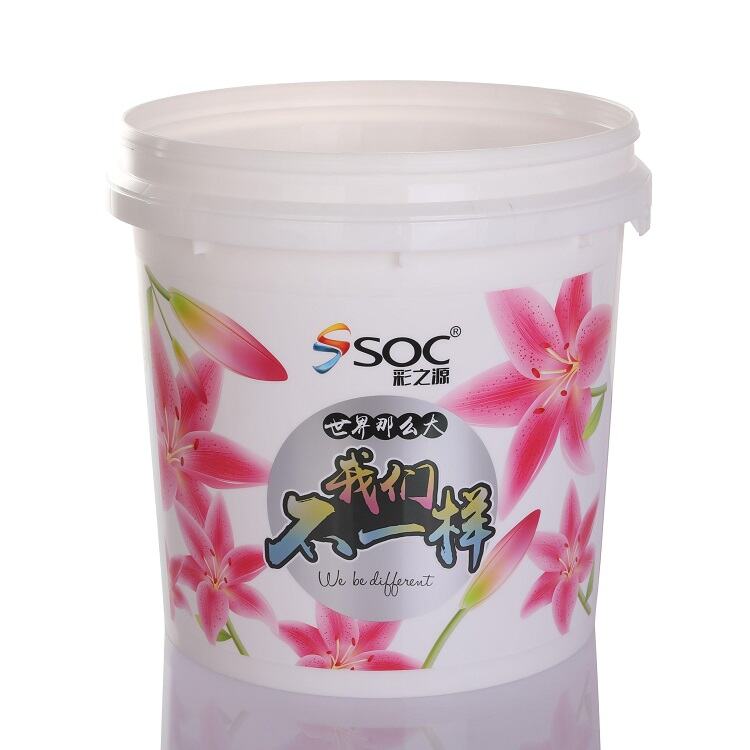
In today's competitive manufacturing environment, businesses constantly seek materials that deliver both performance and economic efficiency. Heat transfer film has emerged as a solution that bridges the gap between premium aesthetic results and cost-effective production processes. This decorative technology allows manufacturers to apply intricate designs, durable finishes, and protective coatings to plastic products without the capital investment and operational complexity associated with traditional decoration methods. Understanding the true value proposition of heat transfer film requires examining not just its upfront costs, but the comprehensive financial impact it creates across production workflows, labor requirements, waste management, and final product quality.
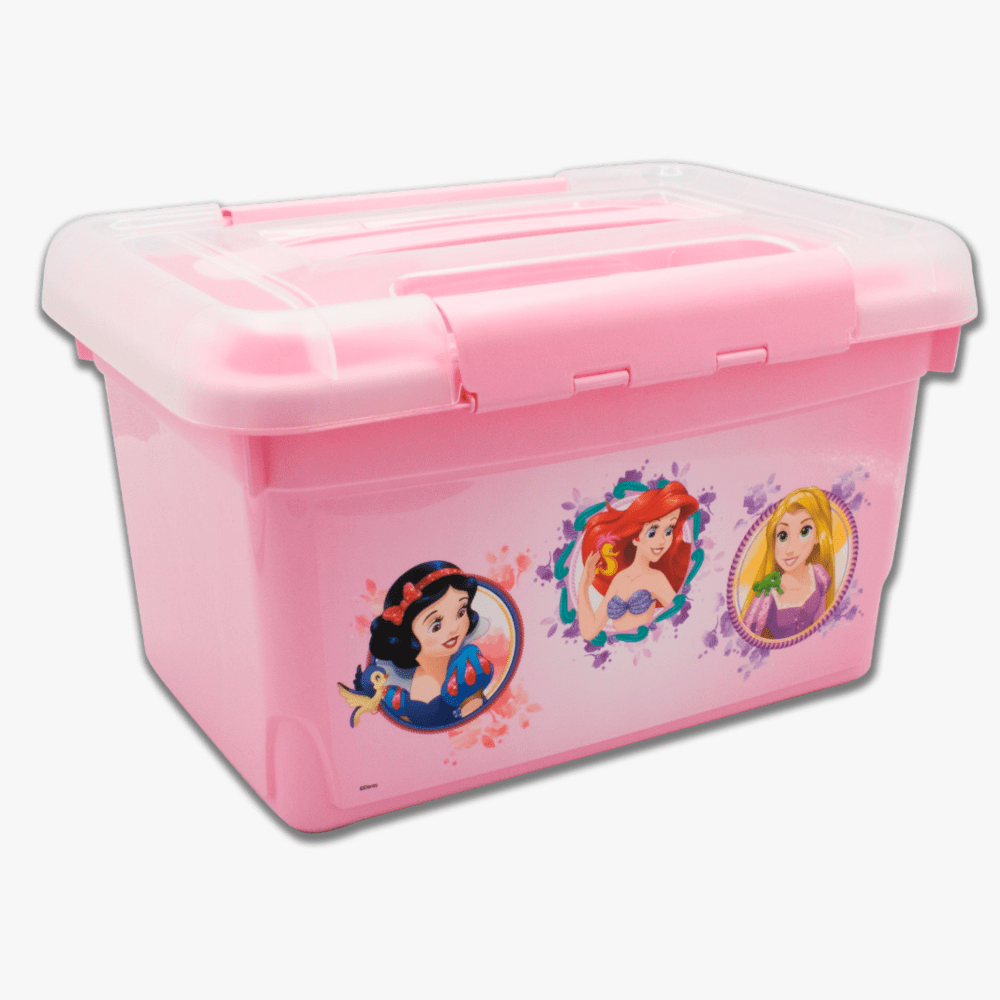
The economic rationale for adopting heat transfer film extends far beyond simple material pricing comparisons. When manufacturers evaluate decoration technologies, they must consider total cost of ownership, which encompasses equipment investments, consumable expenses, labor hours, production speed, defect rates, and the market premium that enhanced product aesthetics can command. Heat transfer film distinguishes itself by offering a favorable balance across all these dimensions, making it particularly attractive for operations ranging from small-batch customization to high-volume production runs. This analysis explores the specific financial mechanisms through which heat transfer film delivers measurable value, providing manufacturers with a framework to assess its fit within their operational and strategic objectives.
Initial Investment Requirements and Equipment Costs
Capital Expenditure Comparison with Alternative Decoration Methods
The financial entry point for heat transfer film technology presents a compelling advantage when compared to alternative decoration systems. Traditional painting operations require spray booths with sophisticated ventilation systems, curing ovens, and extensive environmental compliance infrastructure. These installations can demand capital investments ranging from $50,000 to several hundred thousand dollars for industrial-scale operations. Pad printing and screen printing systems, while less costly than complete paint lines, still require dedicated equipment, plate or screen preparation facilities, and multiple color stations for complex designs. In contrast, heat transfer film application can be implemented with thermal transfer equipment costing between $5,000 and $40,000 depending on automation level and production scale requirements.
This substantial difference in initial capital requirements fundamentally alters the financial risk profile of product decoration investments. Smaller manufacturers and businesses testing new product lines can adopt heat transfer film without committing to the six-figure investments that paint systems demand. The lower capital threshold also shortens payback periods, allowing businesses to recover their equipment investments through operational savings and increased production capacity within months rather than years. For companies operating in dynamic markets where product lifecycles are measured in seasons rather than decades, this capital efficiency provides strategic flexibility that more costly decoration systems cannot match.
Space Requirements and Facility Modification Costs
Beyond equipment purchase prices, facility requirements represent a significant hidden cost dimension where heat transfer film demonstrates clear advantages. Paint operations necessitate dedicated spray areas with explosion-proof electrical systems, specialized HVAC installations to manage volatile organic compound emissions, and segregated drying or curing spaces. These spatial requirements not only consume valuable manufacturing floor area but often trigger building modifications, permitting processes, and ongoing compliance monitoring that add tens of thousands of dollars to true implementation costs. Printing technologies similarly require climate-controlled environments and dedicated preparation areas that expand the operational footprint.
Heat transfer film systems operate within standard manufacturing environments without requiring specialized ventilation, climate control, or environmental containment infrastructure. The compact nature of thermal transfer equipment means a complete heat transfer film workstation can function within spaces measuring just a few square meters, easily integrating into existing production layouts without facility reconfiguration. This spatial efficiency translates directly to cost savings by avoiding construction expenses, reducing facility overhead allocation to decoration operations, and preserving valuable floor space for revenue-generating production equipment. For manufacturers operating in high-rent industrial areas or facing space constraints, these facility-related savings contribute substantially to the overall value proposition of heat transfer film technology.
Operational Cost Structure and Production Economics
Material Consumption and Waste Reduction Benefits
The operational phase reveals where heat transfer film generates its most significant ongoing financial advantages through superior material efficiency. Paint-based decoration systems inherently generate substantial waste through overspray, line purging when changing colors, and expired mixed materials. Industry data indicates that paint utilization rates in decorative applications typically range from 40% to 70%, meaning that 30% to 60% of purchased paint becomes waste requiring disposal. Considering that industrial decorative coatings cost $30 to $80 per gallon and often require multiple coats, material waste represents a substantial ongoing expense even before accounting for hazardous waste disposal fees.
Heat transfer film operates on a fundamentally different economic model with near-zero waste generation. Each film sheet transfers completely to the substrate during the thermal application process, with only the carrier film requiring disposal as non-hazardous waste. This precision material utilization means manufacturers purchase only the decorative material that actually appears on finished products, eliminating the continuous cost drain associated with waste-generating processes. For production runs involving multiple designs or frequent pattern changes, the economic advantage intensifies further since heat transfer film requires no purging, cleaning, or material disposal between design changes. These material efficiency characteristics create recurring cost savings that compound significantly over production volumes measured in thousands or millions of units.
Labor Requirements and Productivity Implications
Labor costs represent a major component of total decoration expenses where heat transfer film delivers measurable advantages through process simplification and reduced skill requirements. Spray painting demands trained operators capable of achieving consistent coverage, managing equipment settings, and maintaining quality across production runs. These skilled positions command premium wages, and training replacement staff requires significant time investment. The multi-step nature of painting operations, involving surface preparation, multiple coat applications, and curing time, multiplies labor hours per unit. Screen printing and pad printing similarly require operator expertise for setup, registration, and quality control across multiple color applications.
The application process for heat transfer film streamlines labor requirements through its single-step transfer mechanism. After initial setup and parameter optimization, operators can consistently apply complex multi-color designs in seconds through a straightforward positioning and pressing sequence. This simplified process reduces training time, lowers the skill threshold for acceptable operator performance, and decreases labor costs per decorated unit. Automated heat transfer film systems further amplify these labor advantages by enabling single-operator supervision of multiple machines, dramatically improving labor productivity ratios. For manufacturers facing skilled labor shortages or operating in high-wage markets, the reduced labor intensity of heat transfer film technology provides substantial and sustainable cost advantages that improve with production scale.
Energy Consumption and Utility Cost Analysis
Energy requirements constitute another operational cost dimension where heat transfer film demonstrates efficiency advantages over thermal-intensive decoration alternatives. Paint curing ovens operate continuously at temperatures between 150°C and 200°C, consuming substantial electrical or gas energy to maintain temperature and process airflow. A medium-capacity curing oven might consume 30 to 50 kilowatts continuously during operation, translating to significant monthly utility expenses. The ventilation systems required for paint spray operations add further energy demands through continuous air circulation and exhaust requirements. These energy costs accumulate throughout production shifts and represent fixed expenses that persist regardless of production volume.
Heat transfer film systems concentrate thermal energy precisely at the moment and location of film application, avoiding the continuous energy consumption characteristic of oven-based processes. Modern thermal transfer equipment cycles on only during active pressing operations, with heating elements consuming power for seconds rather than hours. Total energy consumption for heat transfer film application typically measures in single-digit kilowatts even during active production, representing a fraction of the energy intensity associated with paint curing systems. This energy efficiency translates to lower utility bills, reduced carbon footprint for manufacturers with sustainability objectives, and decreased vulnerability to energy price volatility. Over annual production cycles, energy savings alone can justify technology selection decisions in favor of heat transfer film systems.
Quality-Related Financial Benefits and Market Value
Defect Reduction and Rework Cost Elimination
Quality consistency directly impacts manufacturing profitability through its influence on defect rates, rework requirements, and scrap generation. Paint application processes face inherent challenges in achieving uniform results across production runs due to variables including operator technique, environmental conditions, material viscosity fluctuations, and equipment wear. Quality defects such as runs, orange peel texture, color inconsistency, and inadequate coverage typically affect 2% to 8% of painted products depending on complexity and quality control rigor. Each defective unit generates costs through wasted materials, consumed labor hours, and either rework expenses or complete scrap if the defect cannot be corrected economically.
Heat transfer film technology achieves remarkably consistent results because the decoration exists as a pre-formed, quality-controlled film rather than a material applied during production. Film manufacturers execute print quality control before materials reach production lines, ensuring color accuracy, pattern registration, and surface finish consistency across entire production lots. The transfer process itself introduces minimal variability since thermal and pressure parameters can be precisely controlled and monitored. Manufacturers implementing heat transfer film typically report defect rates below 1%, with many operations achieving defect levels measured in parts per thousand rather than percentage points. This quality consistency eliminates the recurring costs associated with rework stations, scrap disposal, and replacement material consumption that burden less reliable decoration methods.
Premium Product Positioning and Revenue Enhancement
The financial analysis of heat transfer film extends beyond cost reduction to encompass revenue enhancement opportunities created by superior aesthetic capabilities. This decorative technology enables effects difficult or impossible to achieve through conventional painting, including photorealistic images, fine text detail, metallic finishes, holographic effects, and complex gradients. These advanced visual characteristics allow manufacturers to differentiate products in competitive markets, command premium pricing, and access higher-value market segments. Consumer goods manufacturers using heat transfer film consistently report that enhanced product aesthetics contribute to 10% to 30% price premiums compared to conventionally decorated alternatives.
The market value dimension becomes particularly significant when analyzing cost-benefit ratios because revenue increases amplify return on investment more powerfully than equivalent cost reductions. A product line generating $1 million in annual revenue that achieves a 15% price premium through enhanced decoration yields $150,000 in additional gross revenue, a figure that often exceeds total annual decoration costs. This revenue enhancement capability transforms heat transfer film from a cost consideration into a strategic business tool for market positioning and margin improvement. For manufacturers competing in markets where visual differentiation influences purchasing decisions, the ability of heat transfer film to enable premium positioning represents value that extends far beyond operational cost comparisons.
Durability Performance and Warranty Cost Implications
Product durability directly influences lifecycle costs through its impact on warranty claims, customer satisfaction, and brand reputation. Painted surfaces face degradation challenges including UV fading, chemical exposure damage, abrasion wear, and adhesion failure under thermal cycling. These durability limitations generate warranty costs, customer service expenses, and potential revenue loss from dissatisfied customers. Industries such as appliances, automotive components, and outdoor products experience particularly acute durability challenges where inadequate decoration performance creates measurable financial consequences through product returns and brand damage.
Heat transfer film, particularly formulations engineered for scratch resistance and environmental stability, delivers durability characteristics that reduce these lifecycle costs substantially. The molecular bonding achieved during thermal transfer creates decoration that becomes integral to the substrate surface rather than a coating applied atop it. Modern heat transfer film formulations withstand standardized abrasion testing, chemical exposure protocols, and UV aging studies that simulate years of field use, demonstrating performance retention that exceeds conventional paint systems. This superior durability translates to fewer warranty claims, reduced customer service burden, and enhanced brand reputation that supports long-term revenue stability. When calculating total cost of ownership, the warranty cost avoidance enabled by heat transfer film durability represents a significant benefit category that many initial cost analyses overlook.
Production Flexibility and Strategic Business Value
Design Change Agility and Inventory Optimization
Manufacturing agility has become increasingly valuable as product lifecycles shorten and market demands shift rapidly. Traditional decoration methods impose substantial change costs through equipment reconfiguration, material inventory adjustments, and production line downtime. Paint systems require color changes involving line purging, spray equipment cleaning, and material preparation that can consume hours of production time. Screen printing necessitates new screen preparation for each design variant, with setup costs ranging from hundreds to thousands of dollars per design. These change penalties force manufacturers to produce larger batches to amortize setup costs, creating inventory carrying expenses and market responsiveness constraints.
Heat transfer film eliminates most change-related costs and delays through its design-flexible production model. Switching between designs requires only loading different film rolls or sheets, a process accomplished in minutes without cleaning, purging, or equipment reconfiguration. This rapid changeover capability enables economically viable short production runs, allowing manufacturers to respond quickly to market trends, test new designs with minimal financial risk, and reduce finished goods inventory through closer alignment between production and demand. For businesses serving markets characterized by seasonal variation, trend sensitivity, or customization demands, the strategic flexibility enabled by heat transfer film creates competitive advantages that translate directly to improved market position and financial performance.
Multi-Substrate Compatibility and Process Consolidation
Manufacturing operations often involve decorating multiple substrate materials including various plastic formulations, composites, and coated surfaces. Traditional decoration technologies frequently require different process parameters, materials, or even completely different systems for different substrate types. Paint formulations optimized for polypropylene may perform poorly on ABS, while print technologies suitable for flat surfaces struggle with complex geometries. This substrate-specific optimization creates operational complexity, requires multiple decoration systems, and fragments production flows across different process areas.
Heat transfer film technology offers exceptional substrate versatility, with properly formulated films successfully bonding to nearly all thermoplastic materials and many thermoset plastics through appropriate temperature and pressure optimization. This multi-substrate compatibility allows manufacturers to consolidate decoration operations around a single technology platform, reducing equipment investments, simplifying operator training, and streamlining production logistics. Companies manufacturing product lines involving multiple plastic materials can standardize on heat transfer film decoration, eliminating the cost and complexity of maintaining parallel decoration systems. The process consolidation benefits become particularly valuable for manufacturers pursuing lean production philosophies where simplification and standardization drive operational excellence and cost efficiency.
Scalability Economics and Growth Accommodation
Business growth trajectories require decoration technologies that scale economically from initial production volumes through mature high-volume operations. Many decoration methods exhibit unfavorable scaling characteristics where initial low-volume economics differ dramatically from high-volume cost structures, forcing disruptive technology changes as production scales. Paint systems optimized for high-volume production prove inefficient at low volumes, while manual processes suitable for prototype quantities cannot cost-effectively serve mass production requirements. These scaling discontinuities create transition costs and operational disruptions that impede growth or force premature technology investments.
Heat transfer film systems scale gracefully across volume ranges through equipment automation progression rather than fundamental process changes. Initial production can begin with manual thermal presses suitable for hundreds or thousands of units monthly, with identical film materials and process parameters. As volumes grow, manufacturers can transition to semi-automatic systems, then fully automated production cells, and ultimately integrated in-line transfer systems, all using the same core heat transfer film technology and material specifications. This scalability path avoids the disruptive technology transitions that other decoration methods impose, preserving process knowledge, maintaining quality consistency, and spreading learning investments across growth phases. For businesses with expansion ambitions or uncertain volume trajectories, the scalable economics of heat transfer film provide risk mitigation and strategic optionality that enhance its overall value proposition.
Environmental Compliance and Risk Management Value
Regulatory Compliance Cost Avoidance
Environmental regulations governing manufacturing operations have intensified globally, creating compliance costs that significantly impact decoration technology economics. Paint-based systems generate volatile organic compound emissions requiring air quality permits, continuous monitoring, and reporting obligations that impose both initial permitting costs and ongoing compliance expenses. Hazardous waste generation from paint sludge, spent solvents, and contaminated materials triggers waste management requirements including manifesting, specialized disposal contracts, and potential liability for long-term environmental impacts. These regulatory dimensions create direct costs through permitting fees and waste disposal charges, plus indirect costs through compliance staff time, recordkeeping systems, and audit preparation.
Heat transfer film processes avoid most environmental compliance burdens through their inherently clean production profile. The thermal transfer process generates no air emissions requiring permitting or control equipment, produces no hazardous waste streams, and involves no volatile solvents or reactive chemicals triggering environmental regulations. The carrier film waste stream qualifies as ordinary industrial trash requiring no special handling, manifesting, or disposal procedures. This regulatory simplicity translates to avoided permitting costs, eliminated hazardous waste fees, and reduced administrative burden that cumulatively represent substantial ongoing savings. For manufacturers operating in jurisdictions with stringent environmental regulations or facing increasing regulatory scrutiny, the compliance cost avoidance enabled by heat transfer film technology represents a significant and growing value component.
Workplace Safety and Insurance Cost Implications
Occupational safety considerations create another cost dimension favoring heat transfer film adoption through reduced workplace hazard exposure. Spray painting operations expose workers to inhalation risks from paint mist and solvent vapors, requiring personal protective equipment, respiratory protection programs, and medical monitoring that generate direct safety program costs. Chemical exposure risks increase workers' compensation insurance premiums and create potential liability for long-term health effects. Printing technologies involving solvents and UV-curable inks present similar though less severe exposure concerns requiring safety infrastructure and protective measures.
The heat transfer film application process presents minimal workplace safety risks beyond standard thermal equipment precautions already familiar to plastics manufacturers. Workers avoid exposure to volatile chemicals, aerosol inhalation risks, and dermal contact with reactive materials that characterize alternative decoration methods. This improved safety profile reduces personal protective equipment costs, simplifies safety training requirements, and potentially lowers workers' compensation insurance premiums through reduced hazard classification. While safety cost savings may appear modest in isolation, their cumulative impact over years of operation contributes meaningfully to total cost of ownership comparisons, particularly for manufacturers prioritizing workplace safety as both an ethical obligation and a business imperative.
FAQ
What is the typical payback period for heat transfer film equipment investments?
The payback period for heat transfer film equipment varies based on production volume and the decoration method being replaced, but most manufacturers realize full investment recovery within six to eighteen months of operation. Businesses transitioning from spray painting typically achieve faster payback through combined savings in material waste, labor efficiency, and eliminated environmental compliance costs. Lower-volume operations may experience payback periods extending to two years, while high-volume manufacturers often recover equipment costs within three to six months. The calculation should include not just equipment purchase price but also avoided costs in facility modifications, ventilation systems, and environmental permitting that alternative decoration methods require.
How does heat transfer film cost compare on a per-unit basis for small production runs?
For small production runs, heat transfer film demonstrates particularly strong cost advantages because it eliminates the setup costs and batch size penalties that burden alternative decoration methods. While film material cost per decorated unit might range from a few cents to several dollars depending on design complexity and size, this represents total decoration cost without additional charges for setup, color changes, or minimum order quantities. Screen printing and pad printing impose setup charges of $200 to $500 per design that must be amortized across production quantities, making small runs economically prohibitive. Paint systems require batch production to justify cleaning and changeover time. Heat transfer film allows economically viable decoration of single units if needed, making it ideal for customization, prototyping, and low-volume specialty products.
Does heat transfer film become more or less cost-effective as production volume increases?
Heat transfer film maintains strong cost-effectiveness across volume ranges, though the specific advantages evolve as production scales. At low volumes, it excels through eliminated setup costs and change flexibility. At medium volumes, operational efficiency and quality consistency provide the strongest value. At very high volumes, automated heat transfer film systems achieve per-unit costs competitive with any decoration technology while maintaining superior quality and flexibility advantages. The key distinction is that heat transfer film scales gracefully through equipment automation rather than requiring process changes, so manufacturers avoid the disruptive technology transitions common with other methods. Even at millions of units annually, heat transfer film remains cost-competitive while delivering aesthetic and durability benefits that often justify any marginal cost differences.
What hidden costs should manufacturers consider when evaluating heat transfer film adoption?
When evaluating heat transfer film technology, manufacturers should ensure their cost-benefit analysis includes several commonly overlooked factors that influence true total cost of ownership. Film storage requires climate-controlled space to maintain material quality, though space requirements are minimal compared to paint storage and mixing areas. Process development time for optimizing temperature, pressure, and timing parameters for specific substrate and film combinations represents an initial investment, typically requiring several days to weeks for complex applications. Some applications may require substrate surface treatments or primers to optimize adhesion, adding a process step and material cost. Training investments for operators and quality control staff, while modest compared to painting or printing training, should be factored into transition planning. Finally, manufacturers should consider film inventory management and potential minimum order quantities from suppliers when calculating working capital requirements, though these typically prove lower than paint and printing consumable inventories.
Table of Contents
- Initial Investment Requirements and Equipment Costs
- Operational Cost Structure and Production Economics
- Quality-Related Financial Benefits and Market Value
- Production Flexibility and Strategic Business Value
- Environmental Compliance and Risk Management Value
-
FAQ
- What is the typical payback period for heat transfer film equipment investments?
- How does heat transfer film cost compare on a per-unit basis for small production runs?
- Does heat transfer film become more or less cost-effective as production volume increases?
- What hidden costs should manufacturers consider when evaluating heat transfer film adoption?