 EN
EN


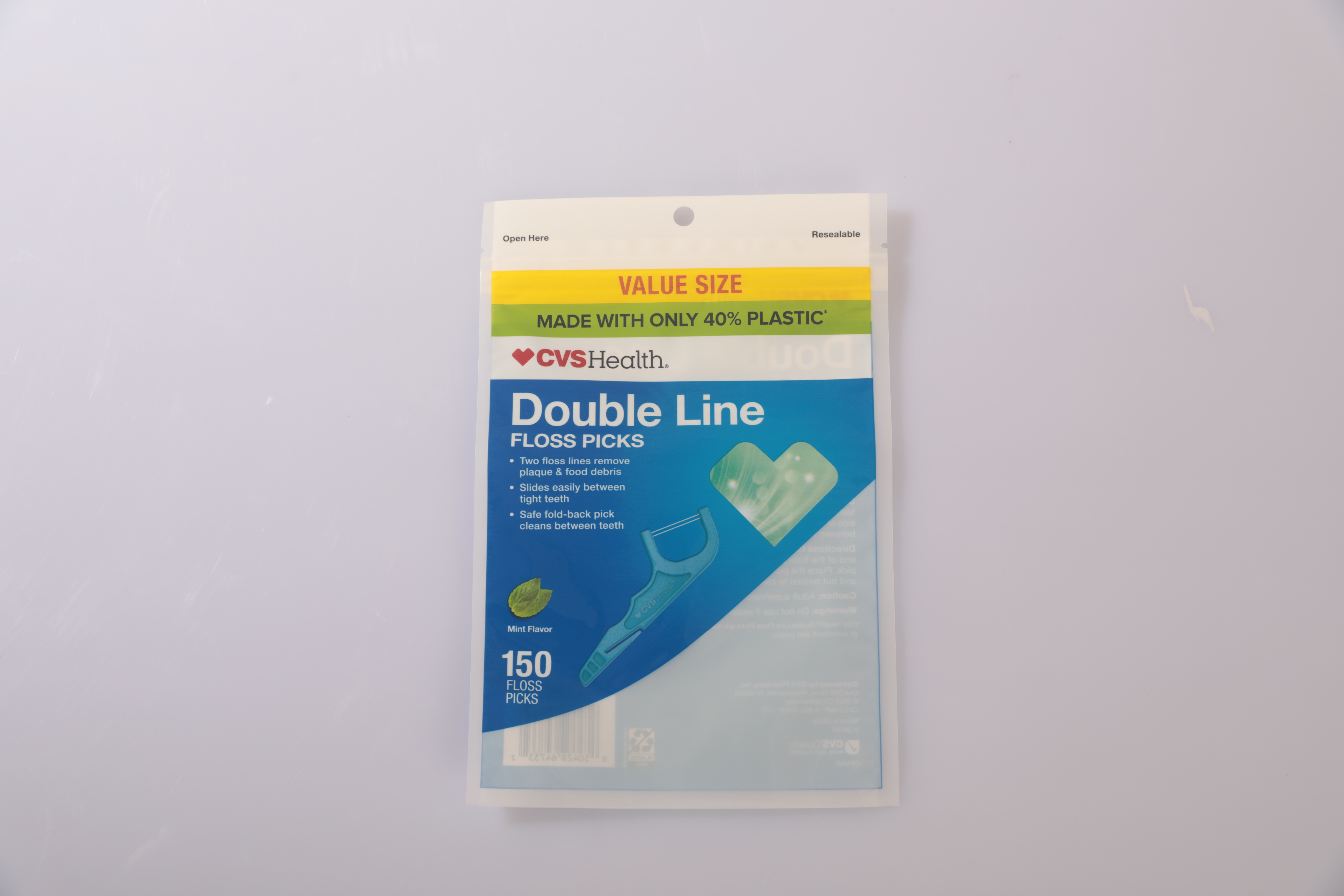
The global food industry relies on sophisticated packaging solutions to preserve freshness, extend shelf life, and enhance product appeal. Among the most critical components of modern food distribution are food packaging bags, which have evolved from simple containment vessels into engineered systems designed for specific applications. Understanding the distinct types of food packaging bags—including stand-up pouches, zipper bags, and vacuum bags—enables manufacturers, distributors, and retailers to select optimal packaging that protects product integrity while meeting consumer expectations. Each category serves unique functional requirements, from flexible storage options to advanced barrier protection, and their proper application directly impacts food safety, waste reduction, and brand differentiation in competitive markets.
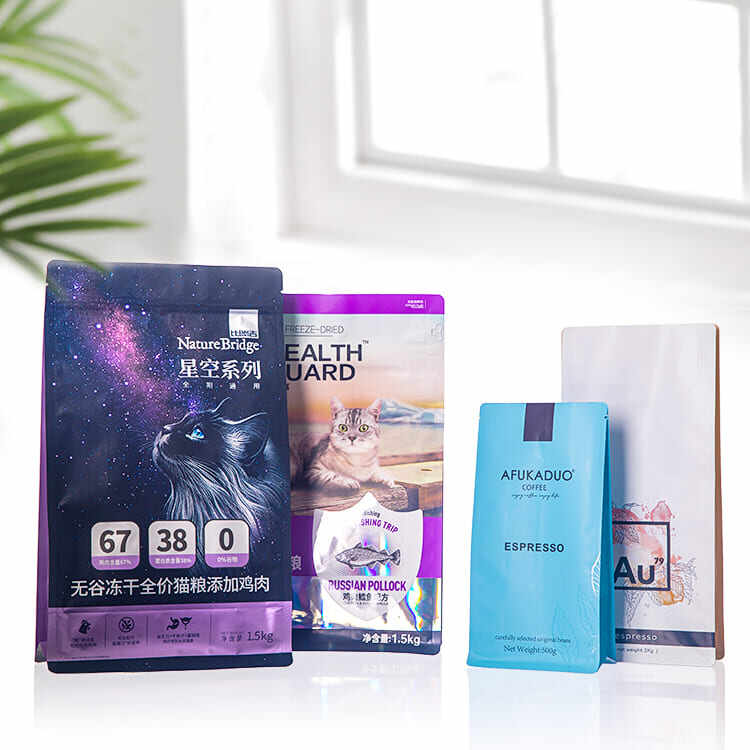
The selection of appropriate food packaging bags involves analyzing multiple variables including product characteristics, storage conditions, transportation requirements, and end-user convenience. Stand-up pouches offer vertical display capability and resealable features that appeal to retail environments, while zipper bags provide consumer-friendly access for products requiring repeated opening and closing. Vacuum bags eliminate oxygen exposure for perishable items, significantly extending storage duration. This comprehensive exploration examines the structural characteristics, material compositions, functional advantages, and optimal application scenarios for each major category of food packaging bags, providing actionable insights for businesses seeking to optimize their packaging strategies across diverse food product lines.
Understanding Stand-Up Pouches for Food Packaging
Structural Design and Stability Features
Stand-up pouches represent a significant advancement in food packaging bags technology, featuring a gusseted bottom structure that allows the package to stand upright on retail shelves without external support. This vertical orientation maximizes shelf visibility and creates a billboard effect that enhances brand recognition. The structural integrity derives from precisely engineered bottom folds that distribute product weight evenly across the base, preventing collapse even when partially filled. Multiple seal configurations, including flat-bottom, K-style, and plow-bottom designs, accommodate different product densities and filling requirements. The self-supporting characteristic eliminates the need for secondary packaging or display fixtures, reducing overall packaging costs while improving retail presentation.
Material Composition and Barrier Properties
Modern stand-up food packaging bags utilize multi-layer laminate structures combining polyethylene, polyester, aluminum foil, and specialized barrier films to create comprehensive protection against moisture, oxygen, light, and contaminants. The typical construction includes an outer printable layer for graphics, middle barrier layers for product protection, and inner sealant layers compatible with food contact. Material selection depends on specific product requirements, with high-barrier options incorporating metallized films or aluminum foil for oxygen-sensitive products like coffee, nuts, and dried fruits. Standard configurations range from simple two-layer constructions for dry goods to seven-layer laminates for products requiring extended shelf life. The barrier properties directly influence product freshness retention, with oxygen transmission rates measurable in cubic centimeters per square meter per day.
Resealable Closure Systems
Contemporary stand-up food packaging bags frequently incorporate zipper closures, press-to-close seals, or slider mechanisms that enable repeated opening and closing while maintaining product freshness. These resealable features address consumer demand for convenience and portion control, particularly in snack foods, pet treats, and dried ingredients. Zipper tracks are typically integrated during the pouch formation process, positioned below the tear notch to provide easy initial access followed by secure reclosure. The closure strength must balance ease of opening with sufficient seal integrity to prevent accidental opening during handling and transportation. Advanced designs include audible or tactile feedback mechanisms that confirm proper closure, reducing user error and product waste.
Optimal Applications for Stand-Up Pouches
Stand-up food packaging bags excel in applications requiring premium shelf presence, product visibility through transparent windows, and consumer convenience. Coffee roasters utilize these pouches with degassing valves to release carbon dioxide while preventing oxygen ingress. Snack manufacturers leverage the vertical format for chips, nuts, and dried fruits, often incorporating clear panels to showcase product quality. Pet food producers have widely adopted stand-up pouches for treats and smaller kibble formats due to their food packaging bags resealability and space efficiency. Frozen food applications benefit from the pouches' ability to withstand temperature extremes without compromising structural integrity. The format also suits liquid and semi-liquid products through specialized fitments and spouts, expanding application potential into sauces, beverages, and baby food categories.
Zipper Bags for Food Storage and Distribution
Mechanical Closure Design Variations
Zipper bags represent a versatile category of food packaging bags distinguished by their mechanical interlocking closure systems that provide secure, repeatable sealing without additional tools or heat. The most common configuration features interlocking ridges and grooves that press together to create an airtight seal, with profiles ranging from single-track designs for light-duty applications to double-track systems for enhanced security. Slider zipper mechanisms incorporate a plastic slider component that compresses the zipper tracks closed as it moves along the seal, offering improved ease of use for consumers with reduced hand strength. The zipper placement typically positions several centimeters below the bag opening to accommodate filling operations and prevent product interference with seal integrity. Material selection for zipper components must consider flexibility across temperature ranges, particularly for frozen food applications where brittle failure can occur.
Material Specifications and Transparency Options
Food packaging bags with zipper closures utilize polyethylene-based films in various densities and thicknesses depending on intended applications and required durability. Low-density polyethylene provides flexibility and clarity for refrigerated storage bags, while high-density variants offer superior puncture resistance for items with sharp edges. Multi-layer coextruded films combine different polyethylene grades to optimize clarity, strength, and seal performance simultaneously. Transparent zipper bags allow visual product inspection without opening, reducing handling and contamination risk while facilitating inventory management. Opaque and tinted versions provide light protection for photosensitive products. Thickness typically ranges from 2 mils for light-duty storage to 6 mils or greater for heavy-duty commercial applications, with direct correlation between thickness and puncture resistance, tear strength, and overall durability.
Hygiene Standards and Food Safety Compliance
Manufacturing food packaging bags with zipper closures requires strict adherence to food contact regulations including FDA Title 21 CFR Part 177 in the United States and European Union Regulation 10/2011. Raw materials must be food-grade certified with documented migration testing demonstrating no harmful substance transfer into food products under intended use conditions. Production facilities implement quality control protocols including metal detection, visual inspection, and periodic seal strength testing to ensure consistent performance. Zipper bags intended for direct food contact undergo sterilization or sanitization processes appropriate to their application, with validated procedures for microbial reduction. Packaging must include appropriate food safety labeling regarding temperature limitations, intended use, and reusability guidance to ensure proper consumer handling.
Commercial and Consumer Application Scenarios
Zipper food packaging bags serve diverse applications across retail, foodservice, and home storage contexts. Retail applications include fresh produce packaging where breathable films with zipper closures extend shelf life while allowing consumers to inspect quality. Deli and prepared food sections utilize zipper bags for sliced meats, cheeses, and salads, with clear labeling areas for product information and dates. Commercial kitchen operations employ heavy-duty zipper bags for ingredient storage, marinating, and sous vide cooking applications where seal integrity under liquid immersion is critical. Consumer home storage represents a significant market segment, with multipurpose zipper bags marketed for refrigerator organization, freezer storage, and pantry management. The reusability factor appeals to environmentally conscious consumers seeking to reduce single-use packaging waste while maintaining food freshness across multiple use cycles.
Vacuum Bags for Extended Preservation
Vacuum Sealing Mechanics and Air Removal
Vacuum food packaging bags function through the principle of atmospheric pressure differential, where air removal from the package interior creates negative pressure that draws the flexible film tightly against the product surface. This compression eliminates oxygen that would otherwise promote oxidation, microbial growth, and freezer burn in stored foods. The vacuum sealing process requires specialized equipment that extracts air through the bag opening before creating a heat seal that maintains the vacuum state. Effective vacuum packaging depends on film flexibility to conform to irregular product shapes without puncturing, adequate seal strength to withstand external atmospheric pressure, and sufficient barrier properties to prevent air permeation over extended storage periods. The degree of vacuum typically ranges from 95% to 99.9% air removal depending on product characteristics and equipment capabilities.
Film Characteristics for Vacuum Applications
Specialized food packaging bags designed for vacuum sealing incorporate materials with specific performance characteristics distinct from standard flexible packaging. The film structure must combine high puncture resistance to withstand sharp product edges during compression with sufficient flexibility to conform tightly without creating air pockets. Common constructions utilize polyamide (nylon) as an outer layer for abrasion resistance and puncture strength, combined with polyethylene inner layers for heat sealability and food compatibility. Co-extruded films integrate these materials in a single manufacturing process, eliminating delamination risks associated with adhesive-laminated alternatives. Embossed or textured vacuum bags feature a raised pattern that creates channels for air evacuation, particularly critical when using chamber vacuum sealers or processing moist products where smooth films might block air extraction. Barrier properties focus on oxygen transmission prevention, with quality vacuum films exhibiting oxygen transmission rates below 50 cubic centimeters per square meter per 24 hours.
Shelf Life Extension Capabilities
The primary advantage of vacuum food packaging bags lies in dramatic shelf life extension compared to conventional storage methods, with preserved foods maintaining quality two to five times longer depending on product type and storage temperature. Meat products vacuum-sealed and refrigerated can maintain freshness for two to three weeks versus three to five days in standard packaging, while frozen vacuum-packed items resist freezer burn for twelve to eighteen months. The shelf life improvement derives from multiple preservation mechanisms including oxygen exclusion that inhibits aerobic bacterial growth and oxidative rancidity, moisture retention that prevents dehydration, and compression that reduces surface area exposed to environmental factors. However, vacuum packaging alone does not sterilize products or eliminate anaerobic pathogens, requiring proper refrigeration or freezing as complementary preservation measures. Foods with high moisture content or delicate structures may require modified atmosphere packaging rather than full vacuum to prevent compression damage.
Industry-Specific Vacuum Packaging Applications
Commercial meat processing operations extensively utilize vacuum food packaging bags for primal cuts, portion-controlled servings, and value-added products, with transparent films allowing quality inspection without package opening. Cheese manufacturers employ vacuum packaging to prevent mold growth and maintain moisture content during aging and distribution, with special attention to prevention of anaerobic bacterial development. Seafood processors vacuum-pack fresh and frozen products to minimize oxidation of delicate oils and prevent freezer burn during extended frozen storage. Prepared meal delivery services leverage vacuum sealing to extend refrigerated shelf life of fully cooked dishes, enabling weekly delivery schedules without preservatives. Coffee roasters use vacuum bags with one-way degassing valves for whole beans, balancing fresh roast preservation with carbon dioxide release. Pharmaceutical and medical food products requiring sterile packaging combine vacuum sealing with sterilization protocols for critical contamination control.
Comparative Analysis of Food Packaging Bag Types
Cost Considerations Across Packaging Categories
Economic factors significantly influence food packaging bags selection, with material costs, production complexity, and required equipment varying substantially across stand-up pouches, zipper bags, and vacuum bags. Stand-up pouches typically represent the highest per-unit material cost due to multi-layer laminate constructions and integrated zipper systems, but offer value through enhanced shelf presence and potential for premium pricing. Simple zipper bags provide mid-range cost profiles with economies of scale in high-volume production, making them suitable for value-oriented brands and commodity products. Vacuum bags require specialized sealing equipment representing significant capital investment for commercial operations, though material costs remain moderate and per-serving costs decrease with volume. Total cost analysis must incorporate waste reduction benefits, with resealable options potentially offsetting higher initial costs through extended product life and reduced consumer disposal of stale products. Labor costs for filling and sealing vary by automation level, with stand-up pouches generally requiring more sophisticated filling equipment than flat zipper bags.
Environmental Impact and Sustainability Factors
Sustainability considerations increasingly influence food packaging bags selection as brands respond to consumer environmental concerns and regulatory pressures regarding plastic waste. Multi-layer laminate pouches present recycling challenges due to material separation difficulties, though emerging technologies enable polyethylene-based mono-material structures with improved recyclability while maintaining barrier properties. Zipper bag recyclability depends on composition, with pure polyethylene versions accepted in many plastic film recycling streams, while multi-resin constructions require specialized processing. Vacuum bags face similar recycling limitations when incorporating multiple polymer types, though their shelf life extension capabilities reduce food waste, offsetting packaging material impact. Life cycle assessments reveal that packaging-related environmental impacts often constitute a small fraction of total food production footprints, suggesting that packaging optimized for waste reduction may provide greater sustainability benefits than minimal packaging with higher spoilage rates. Compostable and biodegradable alternatives enter the market gradually, though performance limitations and higher costs currently restrict widespread adoption.
Consumer Convenience and User Experience
User interaction design significantly impacts food packaging bags acceptance and repeat purchase decisions, with convenience features directly influencing consumer satisfaction. Stand-up pouches excel in retail environments through self-supporting stability and resealable closures that facilitate portion control and multiple-use scenarios. Transparent windows address consumer demand for product visibility while maintaining barrier protection for the majority of the package surface. Zipper bags provide intuitive opening and closing mechanisms familiar to most consumers, with tactile and audible feedback confirming proper seal engagement. Vacuum-sealed packages prioritize preservation over access convenience, typically requiring scissors or cutting for opening and offering no resealability, positioning them for bulk storage or single-use applications. Ease of dispensing varies by product viscosity and package design, with stand-up pouches incorporating fitments and spouts for controlled pouring of liquids and granular products. Clear labeling areas and printing surfaces support brand communication and regulatory information display across all food packaging bags categories.
Regulatory Compliance and Labeling Requirements
All food packaging bags must comply with comprehensive regulatory frameworks governing food contact materials, labeling accuracy, and safety information disclosure. Material composition must meet migration limits for potential contaminants, with testing requirements varying by intended food contact duration and temperature. Nutritional labeling follows prescribed formats with specific font sizes, panel placement, and content requirements depending on jurisdiction. Allergen declarations require prominent placement using standardized terminology to alert sensitive consumers. Storage instruction accuracy is critical, particularly for vacuum-sealed products where temperature abuse could enable pathogen growth in oxygen-depleted environments. Recycling symbols and disposal instructions increasingly appear on packaging as extended producer responsibility regulations expand globally. Traceability requirements in many markets mandate lot coding systems enabling rapid recall execution when safety issues arise. Package integrity indicators including tamper-evident features provide consumers with confidence regarding product safety and supply chain security throughout distribution.
Selection Criteria for Food Packaging Bags
Product Characteristic Matching
Optimal food packaging bags selection begins with comprehensive product analysis including physical properties, chemical composition, moisture content, and sensitivity to environmental factors. Dry, shelf-stable products like grains, pasta, and baking mixes perform well in stand-up pouches with moderate barrier properties, while moisture-sensitive items require high-barrier films with aluminum or metallized layers. Oily products demand grease-resistant materials, typically incorporating polyester or nylon layers that prevent fat migration through package walls. Products with sharp edges or hard textures benefit from puncture-resistant vacuum bag constructions or thicker gauge zipper bags to prevent failure during handling. Frozen foods require materials maintaining flexibility and seal integrity at sub-zero temperatures without becoming brittle. Liquid and semi-liquid products need leak-proof seal configurations with consideration for internal pressure changes during temperature fluctuations. Products requiring modified atmosphere packaging may utilize zipper bags with gas-flush capabilities or stand-up pouches with integrated valves for controlled atmosphere maintenance.
Distribution Channel Requirements
The intended distribution path significantly influences appropriate food packaging bags selection, with retail, foodservice, and direct-to-consumer channels presenting distinct requirements. Retail applications prioritize visual appeal and shelf presence, favoring stand-up pouches with high-quality graphics and transparent windows that showcase product quality. Transportation durability becomes critical for products moving through multiple handling points, with adequate seal strength and material toughness preventing failure during shipping vibration and impacts. Temperature-controlled distribution enables use of standard materials, while ambient distribution may require enhanced barrier properties to maintain quality without refrigeration. E-commerce channels introduce specific challenges including compression during shipping and potential rough handling, suggesting vacuum bags or reinforced zipper bags for direct consumer shipments. Foodservice applications often prioritize functionality over appearance, with bulk-size zipper bags or vacuum pouches enabling efficient kitchen storage and portion control. Export markets may impose additional material restrictions or labeling requirements affecting packaging configuration.
Equipment Compatibility and Production Efficiency
Manufacturing operations must consider equipment capabilities and throughput requirements when specifying food packaging bags for production lines. Stand-up pouches require specialized form-fill-seal equipment or pre-made pouch filling systems with precise alignment mechanisms to ensure proper filling and sealing of the complex structure. Zipper bag filling can utilize simpler equipment configurations, though zipper integration adds complexity compared to plain heat-seal bags. Vacuum packaging demands dedicated chamber or external vacuum sealers with appropriate cycle times matching production rates. Line speed capabilities vary significantly, with high-speed vertical form-fill-seal systems achieving over 100 packages per minute for simple configurations, while complex stand-up pouches may process at 30 to 60 units per minute. Changeover time between product runs impacts overall efficiency, with simpler bag styles generally enabling faster transitions. Material waste during setup and production affects cost calculations, particularly for expensive multi-layer laminates. Integration with upstream and downstream processes including metal detection, check weighing, and case packing influences overall system design and food packaging bags specification.
Budget Optimization and Value Engineering
Cost-effective food packaging bags selection balances material expenses, production efficiency, product protection requirements, and market positioning objectives through systematic value engineering. Material downgrading opportunities exist where over-specification provides unnecessary performance, such as reducing barrier layers for products with naturally long shelf life or rapid turnover. Standardizing bag dimensions across product lines enables volume purchasing discounts and simplified inventory management. Generic zipper bag formats offer cost advantages over custom printed stand-up pouches for private label or value brands where premium presentation is less critical. Hybrid approaches combine cost-effective primary packaging with secondary cartons or sleeves that provide branding and information display. Right-sizing packages to product volumes minimizes material usage and shipping costs while preventing excessive headspace that compromises product presentation. Long-term supply agreements with packaging manufacturers can secure favorable pricing while ensuring consistent material quality and availability. However, cost reduction must not compromise food safety, regulatory compliance, or minimum quality standards that could generate liability or brand damage exceeding any savings achieved.
FAQ
What are the main differences between stand-up pouches and regular flat bags?
Stand-up pouches feature a gusseted bottom design that allows them to stand vertically without support, providing superior shelf presence and display visibility compared to flat bags that require hanging or lying down. The structural difference creates better retail presentation and often incorporates resealable zippers for consumer convenience, while flat bags typically use simpler heat seals. Stand-up pouches generally utilize more complex multi-layer materials with enhanced barrier properties and cost more per unit, but their premium appearance supports higher price points. Flat bags offer advantages in storage efficiency before filling and simpler filling equipment requirements, making them suitable for bulk products or applications where display orientation is not critical.
Can zipper bags be used for freezer storage of food products?
Yes, zipper bags specifically designed for freezer use can effectively store food products at sub-zero temperatures when manufactured from appropriate materials. Freezer-grade food packaging bags utilize polyethylene formulations that maintain flexibility and seal integrity at low temperatures without becoming brittle or cracking. The zipper mechanism must be constructed from materials that remain functional across temperature ranges, with proper closure preventing freezer burn through moisture loss and oxidation. However, not all zipper bags are freezer-suitable, as standard room-temperature designs may fail under frozen conditions. Products labeled for freezer use undergo testing to verify performance at -18°C or lower, and users should verify freezer suitability before use to prevent package failure and product degradation during frozen storage.
How long can vacuum-sealed food products be safely stored?
Vacuum-sealed food storage duration depends on product type, storage temperature, and initial product quality, with refrigerated vacuum-packed items typically lasting two to three times longer than conventionally stored equivalents. Fresh meats refrigerated in vacuum food packaging bags maintain quality for two to three weeks compared to three to five days in standard packaging, while frozen vacuum-sealed products resist freezer burn for twelve to eighteen months versus six to twelve months in regular freezer bags. However, vacuum packaging alone does not sterilize food or prevent growth of anaerobic bacteria like Clostridium botulinum, requiring proper refrigeration or freezing as critical safety measures. Dry goods such as grains, coffee, and nuts stored in vacuum bags at room temperature can maintain quality for several months to over a year depending on initial moisture content and oxygen sensitivity. Always observe safe food handling practices and discard products showing signs of spoilage regardless of packaging method.
Are food packaging bags with zippers recyclable?
Recyclability of zipper food packaging bags varies significantly based on material composition and local recycling infrastructure capabilities. Single-material bags made entirely from polyethylene are potentially recyclable through plastic film collection programs where available, though consumers must typically remove and dispose of zipper components separately if made from different plastics. Multi-layer bags combining different polymer types face recycling challenges due to material separation difficulties, with most municipal systems unable to process complex laminates. Some manufacturers now produce mono-material structures using compatible polymers for both bag body and zipper, improving recyclability while maintaining performance. However, acceptance in recycling streams depends on local facility capabilities, and consumers should verify with their waste management providers. Store drop-off programs for plastic films often accept clean, dry food packaging bags when curbside collection does not, providing an alternative disposal route that diverts material from landfills.