 EN
EN



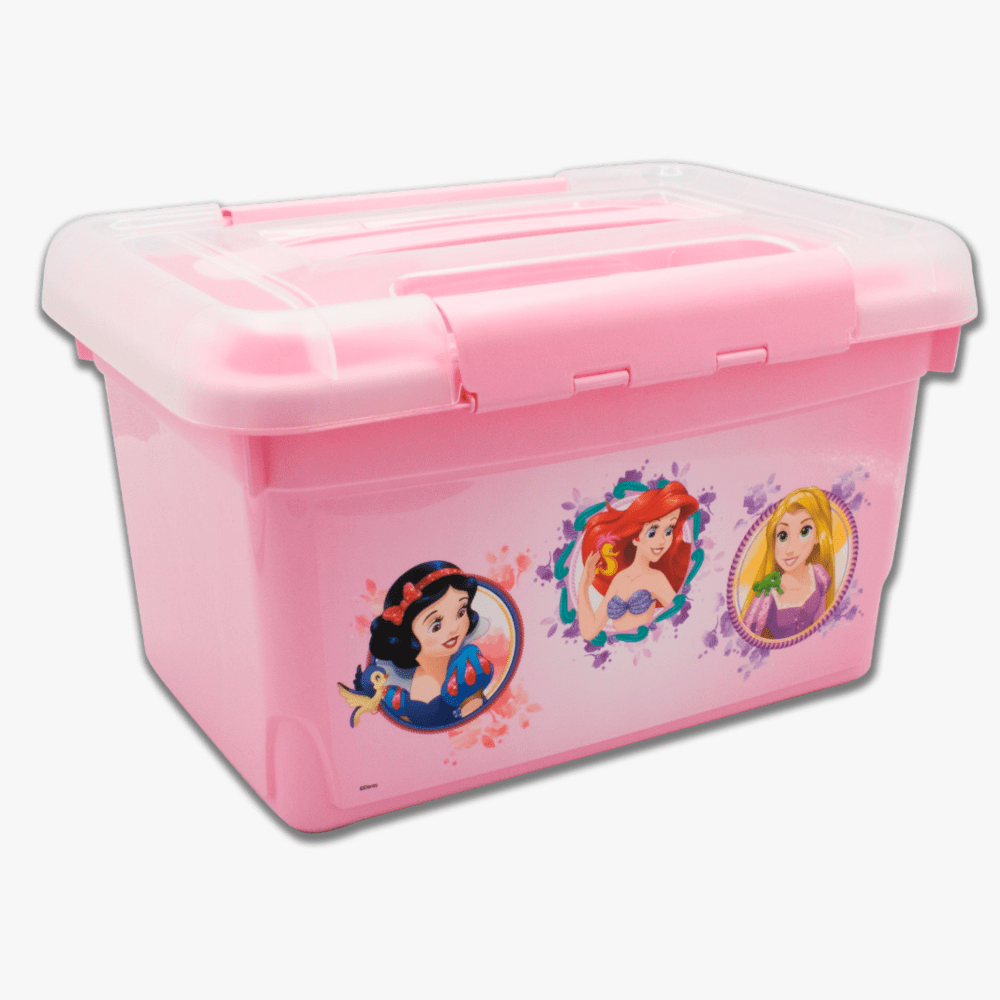
The electronics industry continues to evolve rapidly, with manufacturers constantly seeking innovative ways to enhance product aesthetics while maintaining functionality and durability. Heat transfer film has emerged as a revolutionary solution for electronics appearance decoration, offering unprecedented versatility in surface finishing and design customization. This advanced material technology enables manufacturers to achieve sophisticated visual effects, improved scratch resistance, and enhanced product differentiation in an increasingly competitive marketplace. The application of heat transfer film in electronics represents a significant advancement in surface decoration technology, providing both aesthetic appeal and functional protection for consumer devices.
Understanding Heat Transfer Film Technology
Material Composition and Structure
Heat transfer film consists of multiple specialized layers designed to work synergistically during the transfer process. The base layer typically comprises a release liner that facilitates easy separation after application. Above this foundation lies the decorative layer, which contains the actual design elements, colors, or patterns that will be transferred to the electronics surface. The adhesive layer ensures strong bonding between the film and the target substrate, while protective coatings provide additional durability and resistance properties. This multilayer construction allows heat transfer film to deliver exceptional performance characteristics that traditional decoration methods cannot match.
The chemical composition of each layer is carefully engineered to withstand the thermal activation process without degrading or losing adhesion strength. Modern formulations incorporate advanced polymer resins that maintain flexibility while providing excellent dimensional stability. These materials are specifically selected for their compatibility with various electronic device substrates, including plastics, metals, and composite materials commonly used in consumer electronics manufacturing.
Thermal Activation Process
The thermal activation of heat transfer film involves precise temperature and pressure control to ensure optimal adhesion and appearance quality. During application, controlled heat softens the adhesive layer while simultaneously activating the bonding mechanism between the film and the substrate surface. This process typically occurs at temperatures ranging from 150 to 200 degrees Celsius, depending on the specific film formulation and substrate material properties.
Pressure application during the thermal process ensures complete contact between the film and the substrate surface, eliminating air bubbles and ensuring uniform adhesion across complex geometries. The timing of heat and pressure application is critical, as insufficient activation may result in poor adhesion, while excessive heat or pressure can cause film distortion or substrate damage. Modern application equipment incorporates sophisticated control systems to maintain optimal processing parameters throughout the decoration cycle.
Design Flexibility and Customization Options
Color and Pattern Variations
One of the most significant advantages of heat transfer film in electronics decoration is the virtually unlimited design possibilities it offers manufacturers. The film can accommodate complex color gradients, metallic finishes, holographic effects, and intricate patterns that would be impossible to achieve through traditional painting or molding processes. This flexibility enables electronics brands to create distinctive visual identities and differentiate their products in crowded market segments.
Digital printing technologies have revolutionized the production of custom heat transfer film designs, allowing for rapid prototyping and small-batch customization. Manufacturers can now implement seasonal design changes, limited edition appearances, or region-specific decorative themes without significant tooling investments. The ability to reproduce photographic quality images and fine details makes heat transfer film particularly suitable for premium electronics products where visual appeal is paramount.
Texture and Surface Effects
Beyond visual elements, heat transfer film can incorporate various surface textures and tactile effects that enhance the user experience. Textured films can simulate materials such as leather, carbon fiber, wood grain, or brushed metal, providing premium aesthetics at a fraction of the cost of genuine materials. These texture effects are particularly valuable in electronics applications where weight reduction and cost control are essential considerations.
Advanced embossing techniques allow for the creation of three-dimensional surface effects that add depth and visual interest to flat electronic device surfaces. These textural elements can serve functional purposes as well, providing improved grip surfaces for handheld devices or creating tactile reference points for user interfaces. The combination of visual and tactile enhancement through Heat Transfer Film technology represents a comprehensive approach to product decoration and user experience optimization.
Performance Characteristics in Electronics Applications
Durability and Environmental Resistance
Electronics devices face demanding environmental conditions throughout their operational lifecycle, making durability a critical consideration for any decoration method. Heat transfer film demonstrates exceptional resistance to temperature fluctuations, humidity variations, and UV exposure that commonly affect electronic products. The film maintains its appearance integrity even under extreme conditions, preventing fading, cracking, or delamination that could compromise product aesthetics or functionality.
Chemical resistance is another crucial performance characteristic, particularly for electronics exposed to cleaning solvents, oils, or other potentially harmful substances. High-quality heat transfer film formulations resist degradation from common household chemicals and industrial cleaning agents, ensuring long-term appearance retention. This chemical stability extends the product lifecycle and reduces warranty claims related to cosmetic degradation.
Scratch and Wear Resistance
Consumer electronics frequently experience physical contact through handling, transportation, and normal use patterns. Heat transfer film provides excellent scratch resistance through specialized surface coatings that maintain appearance quality despite repeated contact. The film acts as a protective barrier, preventing direct damage to the underlying substrate while maintaining the decorative appearance.
Wear resistance testing demonstrates that properly applied heat transfer film can withstand thousands of abrasion cycles without significant appearance degradation. This durability characteristic is particularly valuable for frequently handled devices such as smartphones, tablets, and gaming controllers where surface wear is a common concern. The protective qualities of heat transfer film can actually extend the aesthetic lifetime of electronics products beyond what would be achievable with unprotected surfaces.
Application Processes and Equipment Requirements
Manual Application Techniques
Small-scale production and prototype development often utilize manual heat transfer film application methods that require minimal equipment investment. Heat guns, domestic irons, or small heat presses can provide sufficient thermal energy for successful film transfer on simple geometries. Manual application techniques demand careful attention to temperature control, application pressure, and timing to achieve consistent results across multiple parts.
The learning curve for manual application is relatively gentle, making heat transfer film accessible to small manufacturers and custom electronics producers. Proper surface preparation, including cleaning and degreasing, is essential for achieving optimal adhesion in manual applications. Temperature measurement tools such as infrared thermometers help ensure accurate heat application without risking substrate damage or incomplete film activation.
Industrial Automation Systems
High-volume electronics manufacturing requires automated application systems capable of maintaining consistent quality while achieving rapid production throughput. Industrial heat transfer film application equipment incorporates precise temperature control, programmable pressure profiles, and automated positioning systems to ensure repeatable results across thousands of production cycles. These systems can accommodate complex part geometries and multiple decoration zones within a single operation.
Integration with existing production lines is facilitated through modular equipment designs that can be customized for specific manufacturing environments. Automated systems often include quality monitoring capabilities that verify proper film adhesion and appearance characteristics before parts continue through the production process. This real-time quality control capability minimizes defect rates and ensures consistent decoration quality in mass production environments.
Quality Control and Testing Standards
Adhesion Strength Evaluation
Proper evaluation of heat transfer film adhesion requires standardized testing protocols that simulate real-world service conditions. Peel strength testing measures the force required to separate the film from the substrate, providing quantitative data on bond quality. Cross-hatch adhesion tests evaluate the film's resistance to removal under scoring and tape-pull conditions, simulating potential damage scenarios.
Environmental conditioning prior to adhesion testing ensures that results reflect actual service performance rather than idealized laboratory conditions. Temperature cycling, humidity exposure, and UV radiation conditioning help identify potential adhesion weaknesses before products reach end users. These comprehensive testing approaches help manufacturers establish quality specifications and process parameters that ensure reliable long-term performance.
Appearance Quality Assessment
Visual quality standards for heat transfer film applications in electronics must account for the high expectations of consumer markets. Color matching tolerances, gloss uniformity, and surface defect criteria require careful definition and consistent measurement procedures. Digital color measurement instruments provide objective assessment of color accuracy and consistency across production batches.
Surface inspection techniques identify potential defects such as air bubbles, wrinkles, or incomplete coverage that could affect product appearance or durability. Automated vision systems can perform rapid quality assessment in production environments, flagging parts that fail to meet established appearance standards. This systematic approach to quality control ensures that heat transfer film decorated electronics meet market expectations for premium appearance quality.
Cost-Effectiveness and Manufacturing Benefits
Production Efficiency Advantages
Heat transfer film application offers significant time savings compared to traditional decoration methods such as painting, pad printing, or in-mold decoration. The rapid thermal activation process typically requires only seconds to complete, enabling high production throughput without compromising quality. This efficiency advantage translates directly into reduced manufacturing costs and improved production capacity utilization.
Setup time reduction is another major benefit, particularly for manufacturers producing multiple product variants or frequent design changes. Heat transfer film graphics can be changed quickly without extensive equipment cleaning or color changeover procedures required by painting systems. This flexibility enables manufacturers to respond rapidly to market demands and implement product customization strategies that would be economically prohibitive with traditional decoration methods.
Material Waste Reduction
Traditional decoration methods often generate significant waste through overspray, rejected parts, and color changeover procedures. Heat transfer film application generates minimal waste since the film is cut to exact part dimensions and applied with near-perfect material utilization efficiency. Any waste material generated during the cutting process can often be recycled or repurposed for smaller decoration applications.
The elimination of volatile organic compounds and hazardous air pollutants associated with painting processes represents both environmental and cost benefits. Heat transfer film application requires no special ventilation systems, waste treatment facilities, or environmental monitoring equipment, reducing both capital investment and ongoing operational costs. These environmental advantages align with increasing corporate sustainability initiatives and regulatory requirements in electronics manufacturing.
FAQ
What temperature range is required for heat transfer film application
Most heat transfer films designed for electronics applications require activation temperatures between 150-200°C (302-392°F), though specific requirements vary by film formulation and substrate material. The exact temperature should be determined through testing with sample parts to ensure proper adhesion without substrate damage. Temperature uniformity across the application area is crucial for consistent results, and infrared temperature measurement tools help maintain proper control during the process.
How long does heat transfer film decoration last on electronics products
When properly applied and formulated for electronics applications, heat transfer film can maintain its appearance and adhesion for the entire product lifecycle, typically 3-5 years or longer depending on usage conditions. The film's durability depends on factors such as UV exposure, temperature cycling, chemical contact, and mechanical wear. High-quality films with appropriate protective topcoats can withstand normal handling and environmental conditions without significant degradation throughout the product's useful life.
Can heat transfer film be applied to curved or complex electronic device surfaces
Heat transfer film can conform to moderately curved surfaces and simple geometric shapes through the thermal activation process, which softens the film and allows it to follow substrate contours. However, extremely complex shapes, deep draws, or sharp corners may require specialized film formulations or application techniques. Pre-cutting the film to accommodate specific geometries and using appropriate application pressure and heat distribution helps achieve successful decoration on curved electronics housings and components.
What quality control measures ensure consistent heat transfer film application
Effective quality control includes temperature monitoring during application, adhesion strength testing, visual appearance inspection, and environmental conditioning testing. Automated application systems should include temperature and pressure monitoring with data logging capabilities. Regular calibration of heating equipment, standardized surface preparation procedures, and statistical process control help maintain consistent decoration quality across production batches. Visual inspection standards should define acceptable tolerances for color matching, surface defects, and coverage uniformity.
Table of Contents
- Understanding Heat Transfer Film Technology
- Design Flexibility and Customization Options
- Performance Characteristics in Electronics Applications
- Application Processes and Equipment Requirements
- Quality Control and Testing Standards
- Cost-Effectiveness and Manufacturing Benefits
-
FAQ
- What temperature range is required for heat transfer film application
- How long does heat transfer film decoration last on electronics products
- Can heat transfer film be applied to curved or complex electronic device surfaces
- What quality control measures ensure consistent heat transfer film application