 EN
EN


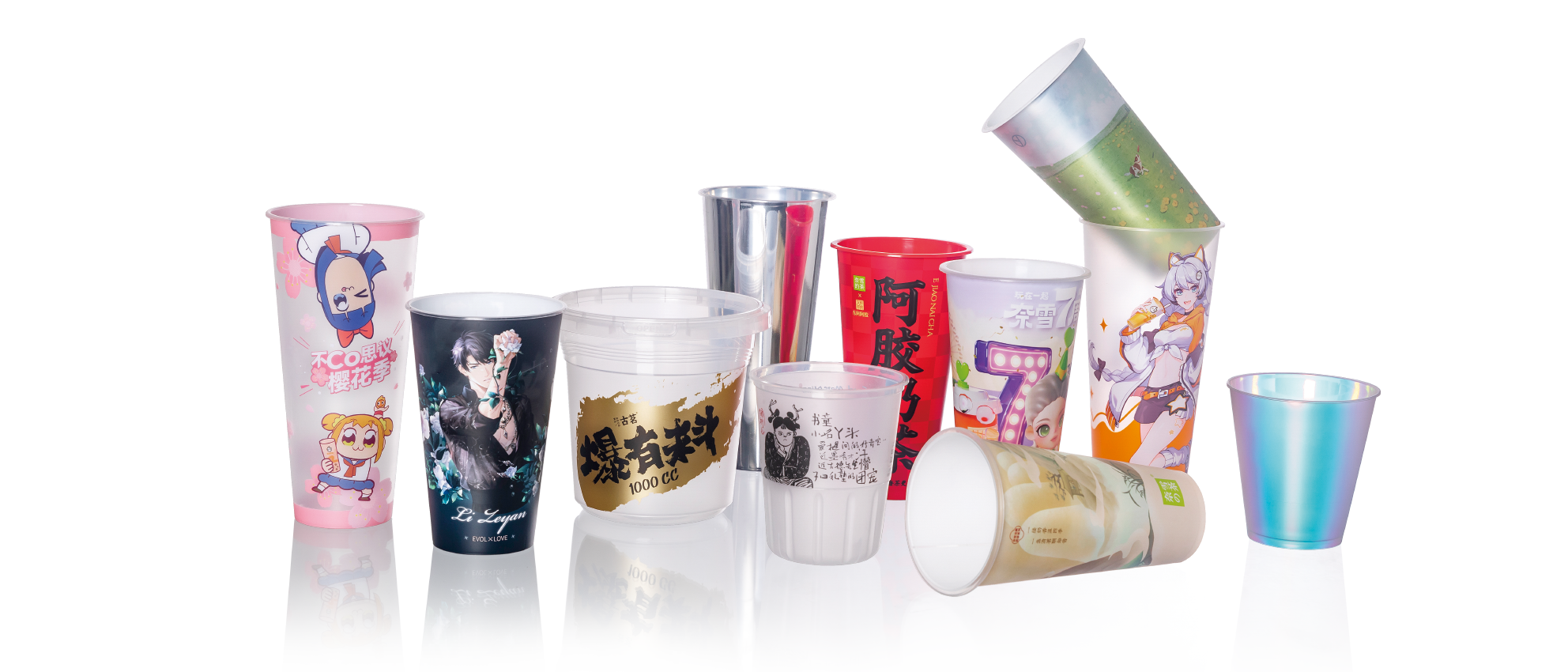
In-mold labels have earned a strong reputation in the packaging industry, delivering vibrant graphics, durable finishes, and seamless integration with plastic containers. Many brands turn to in-mold labels as a premium decorating solution for food, beverage, and consumer goods packaging. Yet despite all these advantages, in-mold labels are not a universal answer. There are specific scenarios, production conditions, and product requirements where in-mold labels fall short — and understanding those limitations is just as important as knowing their strengths.
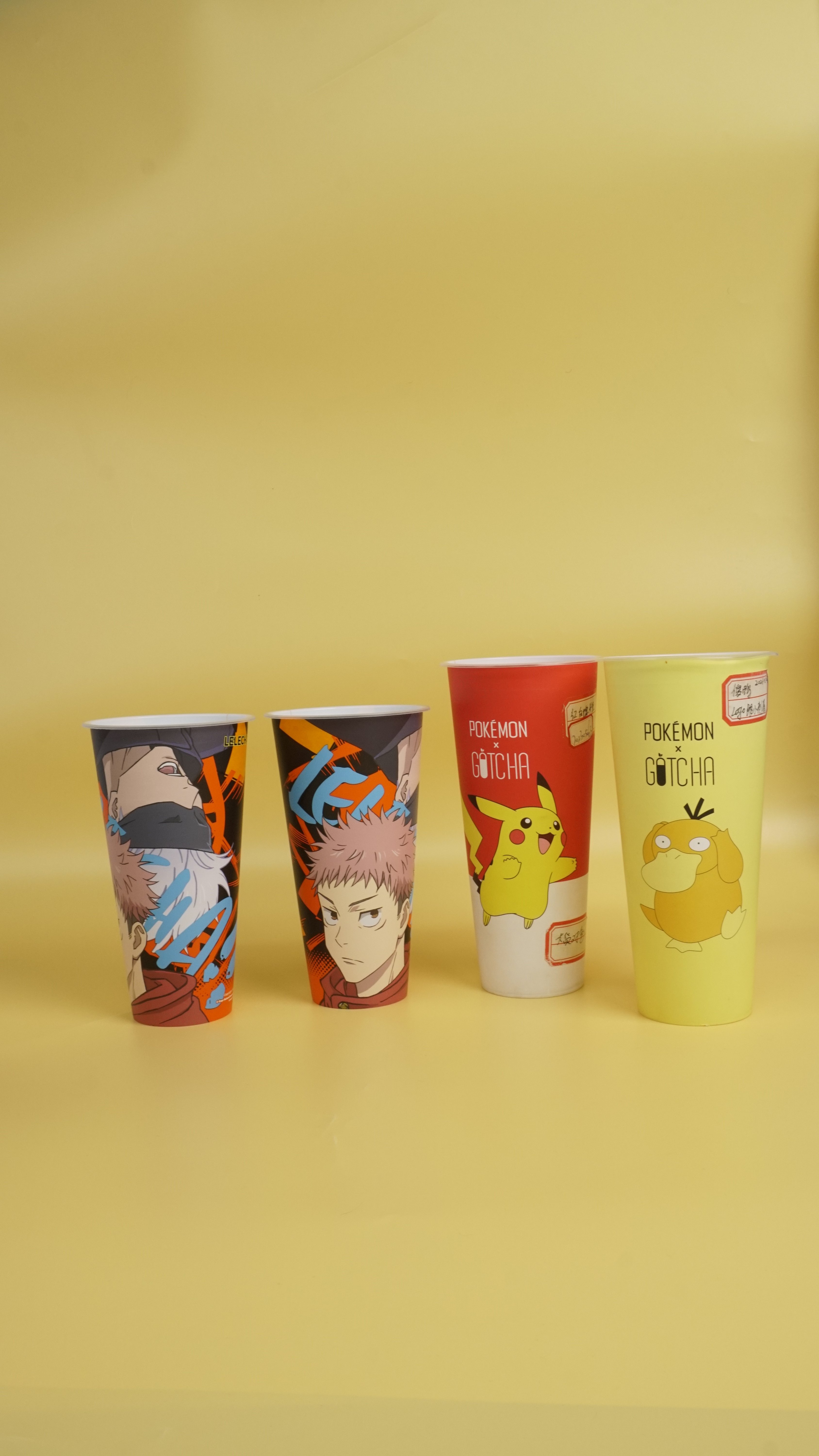
This article examines the real-world limitations of in-mold labels and identifies the conditions under which they are genuinely not suitable. If you are evaluating whether in-mold labels fit your production process or product line, this guide will help you make a clearer, more informed decision before committing to tooling and material investments.
High Tooling Costs and Low-Volume Incompatibility
The Investment Barrier for Small Runs
One of the most significant limitations of in-mold labels is the upfront investment required. The molds used in in-mold labels production are precision-engineered and expensive to manufacture. For brands producing high volumes, this cost is easily amortized. However, for short production runs or seasonal products with limited quantities, in-mold labels become economically impractical. The per-unit cost rises steeply when order volumes are low, making pressure-sensitive or wrap-around labels a far more cost-effective alternative.
Additionally, any design change — such as updating regulatory information or refreshing brand visuals — requires new tooling or label repositioning. Unlike pressure-sensitive labels that can be swapped quickly, in-mold labels lock in the design at the molding stage. This rigidity is a serious constraint for products that undergo frequent label updates or market-specific variations.
Design Iteration Challenges
When a brand needs to test multiple label designs or adapt packaging for different regional markets, in-mold labels create logistical complexity. Each variation requires a separate production setup, increasing both time and cost. For agile product development or limited-edition campaigns, the inflexibility of in-mold labels is a meaningful drawback that product teams must account for early in the planning process.
Substrate and Shape Compatibility Constraints
Not All Materials Work with In-Mold Labels
In-mold labels are primarily compatible with thermoplastic substrates such as polypropylene, polyethylene, and certain grades of PET. They are not suitable for glass, metal, cardboard, or thermoset plastics. If your product requires packaging in non-plastic materials, in-mold labels simply cannot be applied. This restricts their use to a defined subset of packaging formats, leaving a wide range of containers outside the scope of in-mold labels technology.
Even within plastic substrates, adhesion and finish quality can vary depending on resin grade and mold surface conditions. Inconsistent substrate quality can lead to label lifting, poor adhesion, or cosmetic defects — outcomes that undermine the very premium appearance that in-mold labels are supposed to deliver.
Geometric Complexity and Surface Limitations
In-mold labels perform best on containers with relatively straightforward geometry — cylindrical cups, rectangular tubs, and flat-sided containers. Highly complex shapes with deep undercuts, sharp angles, or compound curves create placement challenges for in-mold labels. The label film must conform precisely to the mold cavity, and irregular surfaces can result in wrinkles, misalignment, or incomplete bonding. For uniquely shaped premium containers, alternative decoration methods may offer better dimensional conformity and visual results than in-mold labels.
Process Sensitivity and Quality Control Demands
Strict Process Parameters Required
The application of in-mold labels requires precise control over injection molding parameters including temperature, pressure, cycle time, and mold alignment. Any deviation in these variables can lead to label displacement, bubbling, or incomplete fusion between the label and the container wall. This level of process sensitivity means that in-mold labels are not well-suited for facilities with inconsistent molding conditions or limited quality control infrastructure. Manufacturers must invest in equipment calibration and operator training to maintain acceptable output quality when using in-mold labels.
Static electricity is another common challenge in in-mold labels production. Labels must be placed accurately inside the mold cavity, often using automated placement systems. Static buildup can cause labels to shift during placement, leading to misregistration. While anti-static systems can mitigate this, they add to equipment complexity and maintenance demands — factors that smaller or less specialized operations may find difficult to manage reliably.
Scrap Rates and Recyclability Concerns
During the startup and adjustment phase of in-mold labels production, scrap rates can be higher than with conventional labeling. Rejected containers represent a combined loss of both the molded part and the label, increasing material waste costs. Furthermore, although in-mold labels are often praised for being recyclable when made from compatible materials, real-world recycling outcomes depend heavily on local sorting infrastructure and material stream purity. In regions where mixed-material recycling is poorly developed, the environmental advantage of in-mold labels may not be fully realized.
FAQ
Are in-mold labels suitable for glass or metal containers?
No. In-mold labels are designed specifically for thermoplastic injection molding and blow molding processes. They cannot be applied to glass, metal, or non-plastic substrates. For those materials, pressure-sensitive labels, heat-shrink sleeves, or direct printing are more appropriate decoration methods.
Can in-mold labels be used for small production runs or limited editions?
In-mold labels are generally not cost-effective for small or short production runs due to high tooling and setup costs. The per-unit economics only become favorable at higher volumes. For limited editions or test batches, pressure-sensitive or digitally printed labels typically offer a more flexible and affordable solution than in-mold labels.
Do in-mold labels work on all plastic container shapes?
In-mold labels work best on containers with simple, smooth geometries. Complex shapes with deep undercuts, sharp angles, or compound curves can cause label placement errors, wrinkling, or adhesion failures. If your container has a highly irregular shape, you should evaluate whether in-mold labels can be applied with the precision your quality standards require before proceeding with mold investment.