 EN
EN


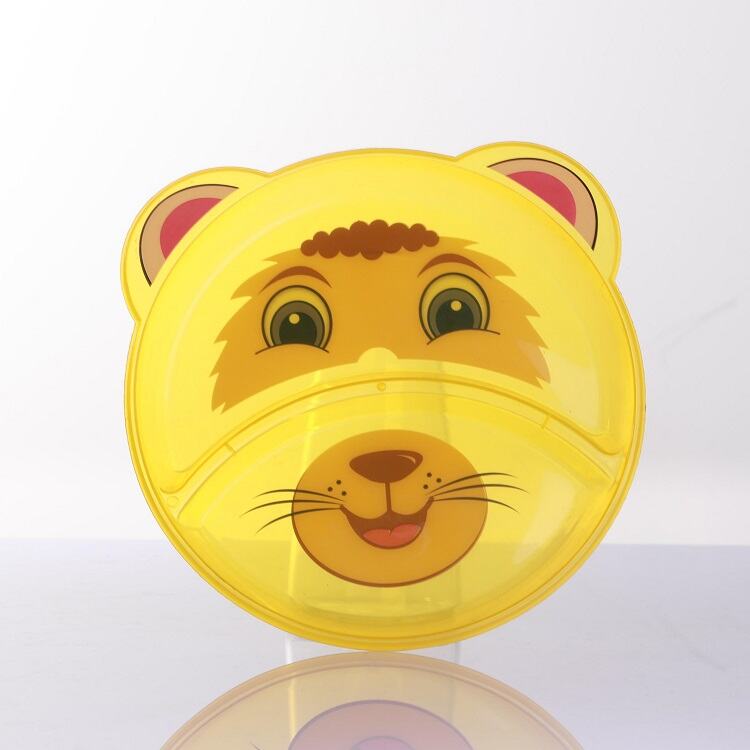
When it comes to product packaging that demands both visual impact and long-term durability, in-mold labels have become the preferred solution across a wide range of industries. Unlike pressure-sensitive or heat-shrink labels applied after molding, in-mold labels are integrated directly into the container during the injection or blow molding process, creating a seamless, permanent bond between the label and the substrate. This integration means that the printed graphics become part of the product itself, which places extraordinary demands on the printing process used to produce them.
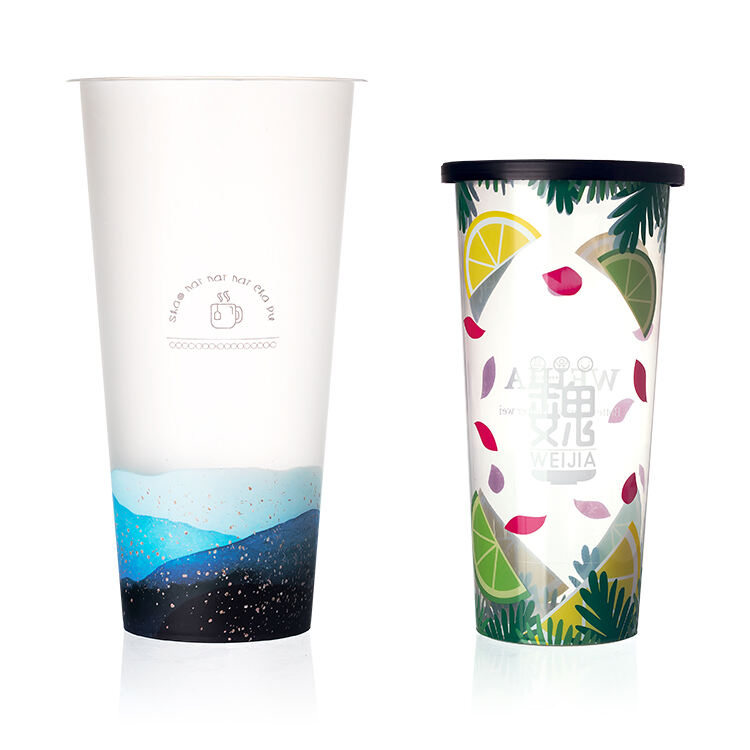
Achieving high-quality graphics and colors on in-mold labels is not simply a matter of choosing the right ink or press. It requires a carefully coordinated workflow that spans substrate selection, prepress preparation, printing technology, ink chemistry, and post-print finishing. Each stage of this process directly influences how the final label will look once it has been fused to a molded container under heat and pressure. Understanding how these variables interact is essential for converters, brand owners, and packaging engineers who want to consistently deliver sharp, vibrant, and commercially reliable in-mold labels.
Understanding the Substrate Foundation for In-Mold Labels
Why Substrate Choice Drives Print Quality
The substrate used for in-mold labels is not ordinary paper or film. It must be engineered to withstand the thermal and mechanical stresses of the molding cycle while simultaneously providing a printable surface capable of reproducing fine detail and accurate color. Biaxially oriented polypropylene, commonly known as BOPP, is the dominant substrate choice for in-mold labels because it offers the right combination of stiffness, heat resistance, and surface energy for high-quality printing.
The surface energy of the substrate determines how well inks and coatings adhere and spread. For in-mold labels, the printable face of the film is typically corona-treated or coated to raise its surface energy to a level that supports strong ink adhesion. Without adequate surface treatment, inks may bead, mottle, or delaminate during the molding process, resulting in defective graphics that cannot be corrected after the label is fused to the container.
Substrate opacity and whiteness also play a critical role. Most in-mold labels use a white or cavitated BOPP film that provides a bright, neutral base for color reproduction. The opacity of the substrate prevents the color of the molded container from bleeding through and distorting the printed image, which is particularly important when the container is made from natural or pigmented polypropylene.
Matching Substrate Properties to the Molding Process
Different molding processes impose different conditions on in-mold labels. Injection molding subjects the label to high temperatures and pressures for a short duration, while blow molding involves lower pressures but requires the label to conform to a curved or irregular surface. The substrate must be selected and specified with these conditions in mind, because a film that performs well in one process may wrinkle, distort, or delaminate in another.
For injection-molded applications such as dairy containers, food tubs, and beverage cups, the substrate must have a precisely controlled shrinkage rate that matches the thermal expansion of the mold. If the label shrinks at a different rate than the container, the printed graphics will distort, registration will shift, and fine details such as text and barcodes may become illegible. Substrate suppliers work closely with converters to provide films with tightly controlled dimensional stability specifications for in-mold labels used in demanding applications.
Printing Technologies Used for In-Mold Labels
Offset Lithography and Its Role in High-Resolution Graphics
Offset lithography remains one of the most widely used printing technologies for in-mold labels, particularly when the application demands photographic-quality images, fine halftone screens, and precise color matching. The process transfers ink from a plate to a rubber blanket and then to the substrate, which allows for very fine dot reproduction and smooth tonal gradations that are difficult to achieve with other printing methods.
For in-mold labels, offset printing is typically performed using UV-curable inks rather than conventional solvent-based or water-based inks. UV inks cure instantly under ultraviolet light, which eliminates the risk of ink penetration into the film substrate and ensures that the printed surface remains dimensionally stable. This is critical for in-mold labels because any solvent absorption or moisture uptake in the substrate can cause curling, registration errors, and adhesion failures during the molding cycle.
The ability of offset lithography to reproduce fine text, intricate patterns, and photorealistic imagery makes it the preferred choice for premium in-mold labels used on consumer goods where shelf appeal is a primary commercial driver. Brand owners who require consistent Pantone color matching across large production runs also benefit from the color consistency that offset printing delivers.
Flexographic Printing for High-Speed Production
Flexographic printing is the dominant technology for high-volume in-mold label production, particularly in the food and beverage sector where run lengths are long and production speeds must be maximized. Modern flexographic presses equipped with high-definition plates and anilox rolls capable of fine cell geometries can now achieve print quality that approaches offset standards, making flexography a highly competitive option for in-mold labels that require both quality and throughput.
The use of UV-LED curing systems on flexographic presses has been a significant advancement for in-mold label production. UV-LED systems generate less heat than conventional UV lamps, which reduces the risk of substrate distortion during printing and allows for tighter dimensional control. This is especially important for in-mold labels printed on thin BOPP films where even minor heat-induced shrinkage can cause registration problems across multiple color stations.
Flexographic printing also offers flexibility in terms of the range of inks and coatings that can be applied in a single pass. Converters producing in-mold labels on flexographic presses can apply process colors, spot colors, metallic inks, and protective varnishes in sequence, reducing the number of passes required and improving overall production efficiency.
Digital Printing and Its Growing Role
Digital printing has entered the in-mold label market primarily for short-run and versioned applications where the economics of plate-based printing are unfavorable. Inkjet and electrophotographic digital presses can produce in-mold labels with variable data, regional language variants, and promotional graphics without the setup costs associated with conventional printing methods.
The challenge for digital printing of in-mold labels lies in achieving the ink adhesion and durability required to survive the molding process. Digital inks must be formulated or overcoated to withstand the heat and pressure of injection or blow molding without cracking, delaminating, or losing color fidelity. Advances in primer technology and UV-curable digital ink chemistry have made it increasingly feasible to produce commercially acceptable in-mold labels using digital presses, though the technology continues to evolve.
Ink Selection and Color Management for In-Mold Labels
Ink Chemistry Requirements for Mold-Resistant Performance
The inks used for in-mold labels must meet a set of performance requirements that go well beyond those of conventional label printing. Because the label is exposed to elevated temperatures during the molding cycle, the ink system must be thermally stable and must not soften, migrate, or off-gas in ways that could contaminate the mold or compromise the bond between the label and the container.
UV-curable inks are the standard choice for in-mold labels because their fully cross-linked polymer network provides excellent thermal stability, chemical resistance, and adhesion to polypropylene substrates. The photoinitiators and monomers used in UV ink formulations must be carefully selected to ensure complete cure, because incompletely cured inks can remain tacky, migrate into the substrate, or release volatile compounds during molding that cause surface defects on the finished container.
Ink film thickness is another critical variable for in-mold labels. Excessively thick ink layers can create stress concentrations at the label-container interface during molding, leading to delamination or cracking. Converters must balance the need for rich, saturated color with the requirement to keep ink film thickness within the range that the molding process can accommodate without generating defects.
Color Management Workflows for Consistent Reproduction
Achieving consistent, accurate color on in-mold labels requires a disciplined color management workflow that accounts for the unique optical properties of the substrate and the color shift that can occur during the molding process. The high gloss of a finished in-mold label container can make colors appear more saturated than they do on the flat printed film, which means that color targets must be established and verified on molded samples rather than on flat print proofs.
ICC color profiles developed specifically for the substrate and ink combination being used allow prepress operators to predict how colors will reproduce on press and to make corrections before plates or sleeves are produced. Spectrophotometric measurement of printed color against defined tolerances is standard practice for in-mold label production, and many brand owners specify tight Delta-E tolerances that must be maintained across the entire production run.
Spot color matching is particularly important for in-mold labels used on branded consumer products where corporate color standards must be maintained. Converters working with in-mold labels must account for the fact that the same Pantone formula may produce a slightly different visual result on a BOPP film than it does on paper, and adjustments to ink formulation or mixing ratios may be necessary to achieve the required match on the specific substrate being used.
Finishing, Varnishing, and Surface Protection for In-Mold Labels
The Role of Overprint Varnishes and Coatings
The printed surface of in-mold labels is typically protected by an overprint varnish or coating that serves multiple functions. It protects the ink from abrasion and chemical exposure during handling and storage before molding, it provides the desired surface finish — gloss, matte, or satin — on the finished container, and it can enhance the adhesion of the label to the container during the molding process.
UV-curable gloss varnishes are the most common choice for in-mold labels used on food and beverage containers because they provide a high-clarity, scratch-resistant surface that enhances the visual impact of the printed graphics. Matte varnishes are used when a premium, understated aesthetic is desired, and they can be combined with gloss varnish in a spot application to create tactile contrast effects that add perceived value to the packaging.
Some in-mold label applications require coatings with specific functional properties, such as resistance to moisture, oils, or cleaning chemicals. In these cases, the coating formulation must be engineered to maintain its protective properties under the conditions the finished container will encounter in use, while also being compatible with the molding process and the substrate.
Backside Treatments and Adhesion Promotion
The backside of in-mold labels — the surface that bonds to the container during molding — requires careful attention to ensure reliable adhesion. For polypropylene containers, the backside of the BOPP film is typically left untreated or given a specific surface treatment that promotes fusion with the molten polypropylene during injection or blow molding.
In some cases, a heat-activatable adhesive or tie layer is applied to the backside of the label to improve bond strength, particularly for applications where the container will be subjected to mechanical stress, temperature cycling, or chemical exposure in use. The selection of the appropriate backside treatment is a critical engineering decision that must be made in consultation with the substrate supplier and the molder to ensure compatibility across the entire production system.
Static charge management is also an important consideration for in-mold labels. The label must be electrostatically charged to adhere to the mold wall before the molten polymer is injected, and the level of static charge must be precisely controlled to ensure consistent label placement and to prevent double-feeding or misalignment. The backside treatment of the label must be compatible with the static charging system used in the molding machine.
Quality Control and Defect Prevention in In-Mold Label Production
Inspection Systems and Print Quality Verification
Inline inspection systems are standard equipment on modern presses producing in-mold labels. Camera-based vision systems scan every printed label at press speed, comparing the printed image against a reference standard and flagging or rejecting labels that fall outside defined tolerances for color, registration, print defects, and barcode readability. This level of automated inspection is essential for in-mold labels because a defective label that reaches the molder will produce a defective container that cannot be reworked.
Color measurement is performed at regular intervals during the press run using spectrophotometers that measure the printed color against the defined target values. Any drift in color that exceeds the specified tolerance triggers a press adjustment to bring the color back within specification. This closed-loop color control approach is particularly important for in-mold labels used on high-profile consumer products where color consistency is a brand requirement.
Registration control is equally critical for in-mold labels with multicolor designs. Misregistration between color stations produces visible color fringing, blurred edges, and loss of fine detail that are immediately apparent on the finished container. Modern presses use servo-driven registration systems and real-time feedback from inline cameras to maintain registration within tolerances of a few micrometers across the entire press run.
Handling, Storage, and Pre-Molding Quality Assurance
Even perfectly printed in-mold labels can be compromised by improper handling and storage before they reach the molder. The labels must be stored in controlled temperature and humidity conditions to prevent dimensional changes in the substrate that could affect label placement accuracy in the mold. Exposure to excessive heat, moisture, or UV light can also degrade the ink and coating system, leading to color shifts or adhesion failures during molding.
Labels are typically supplied to molders in stacks or rolls, and the packaging must protect the labels from contamination, static discharge, and physical damage during transit and storage. Contamination of the label surface — even by fingerprints or dust — can prevent proper adhesion to the mold wall and result in label placement defects on the finished container.
Pre-molding quality checks at the molder's facility are an important final step in the quality assurance process for in-mold labels. Visual inspection of label stacks for print defects, dimensional verification of label size and registration marks, and testing of static charge levels are all standard checks that help prevent defective labels from entering the molding process and generating scrap containers.
FAQ
What printing method produces the best color quality for in-mold labels?
Offset lithography with UV-curable inks is generally considered to produce the highest color quality for in-mold labels, particularly for photographic images and fine halftone screens. However, modern high-definition flexographic printing can achieve comparable quality at higher production speeds, making it the preferred choice for long-run applications. The best method depends on the specific quality requirements, run length, and production economics of each application.
Why do colors sometimes look different on finished in-mold label containers compared to flat print proofs?
The high gloss surface of a molded container with an in-mold label can make colors appear more saturated and vivid than they do on a flat printed film. Additionally, the curvature of the container and the viewing angle affect color perception. For this reason, color targets for in-mold labels should always be established and verified on molded samples rather than flat proofs, and color management profiles should be developed specifically for the substrate and molding conditions being used.
Can in-mold labels be printed with metallic or special-effect inks?
Yes, in-mold labels can be printed with metallic inks, pearlescent inks, and other special-effect coatings. However, these materials must be carefully selected and tested to ensure they are compatible with the molding process and do not cause adhesion failures or surface defects on the finished container. Metallic inks in particular must be formulated to withstand the thermal conditions of injection or blow molding without oxidizing or losing their reflective properties.
How does substrate selection affect the final print quality of in-mold labels?
The substrate is the foundation of print quality for in-mold labels. Its surface energy, opacity, whiteness, and dimensional stability all directly influence how inks adhere, how colors reproduce, and how the label performs during and after the molding process. A substrate with insufficient surface energy will cause ink adhesion problems, while a substrate with poor dimensional stability will cause registration errors and graphic distortion. Selecting the right substrate for the specific printing process and molding application is one of the most important decisions in the production of high-quality in-mold labels.
Table of Contents
- Understanding the Substrate Foundation for In-Mold Labels
- Printing Technologies Used for In-Mold Labels
- Ink Selection and Color Management for In-Mold Labels
- Finishing, Varnishing, and Surface Protection for In-Mold Labels
- Quality Control and Defect Prevention in In-Mold Label Production
-
FAQ
- What printing method produces the best color quality for in-mold labels?
- Why do colors sometimes look different on finished in-mold label containers compared to flat print proofs?
- Can in-mold labels be printed with metallic or special-effect inks?
- How does substrate selection affect the final print quality of in-mold labels?