 EN
EN


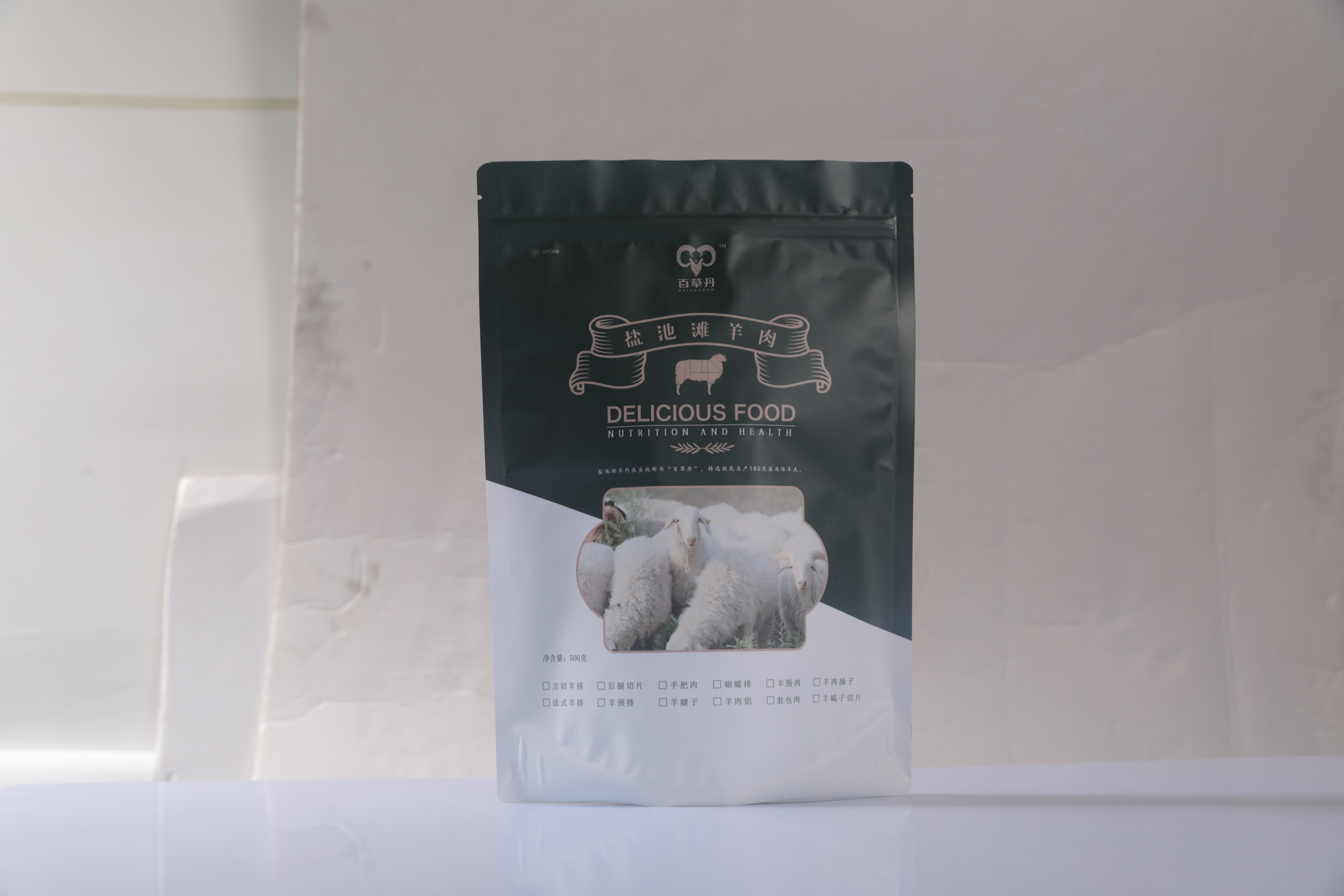
If you have ever picked up a plastic container and noticed that the label seemed to be part of the container itself — perfectly smooth, with no edges to peel and no bubbles beneath the surface — you were almost certainly holding a product made with in-mold labeling. This manufacturing technique has quietly transformed how brands decorate plastic packaging, eliminating many of the limitations associated with traditional labeling methods. Understanding what in-mold labeling actually is, and how the process works from start to finish, gives manufacturers, brand owners, and packaging engineers the foundation they need to make smarter decisions about their production lines.
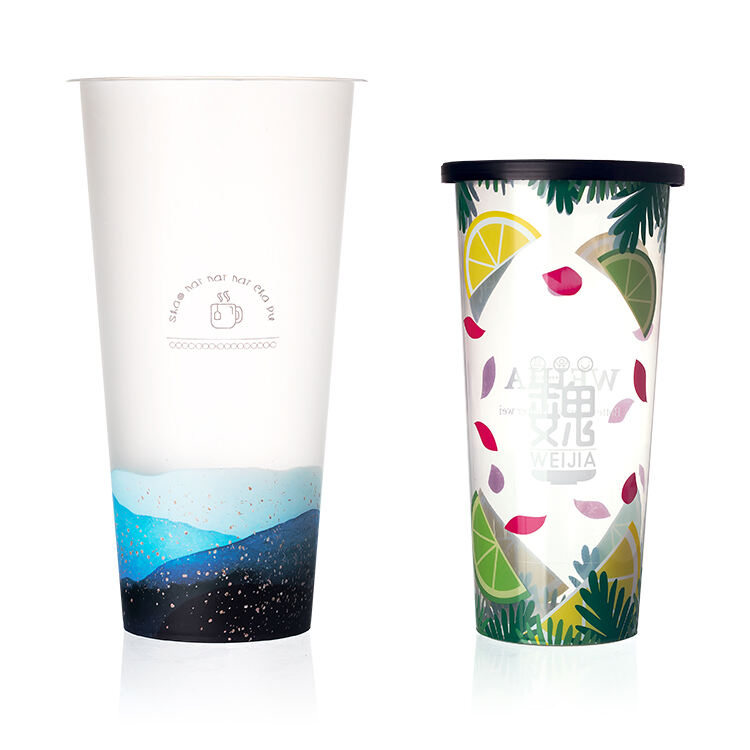
in-mold labeling is not a single isolated step but rather an integrated system that combines label production, automation, and plastic forming into one seamless workflow. The result is packaging that is more durable, more visually consistent, and in many cases more economical than packaging that relies on post-molding decoration. This complete guide walks through the definition, the mechanics, the materials, the benefits, and the practical applications of in-mold labeling so that every stakeholder in the supply chain can evaluate it with clarity and confidence.
Defining In-Mold Labeling and Its Core Concept
What the Term Actually Means
At its most fundamental level, in-mold labeling is a process in which a pre-printed label is placed inside a mold before plastic is injected, blown, or thermoformed around it. The heat and pressure of the molding process cause the label to bond directly with the plastic substrate, creating a finished decorated part in a single cycle. Unlike pressure-sensitive labels or shrink sleeves that are applied after the container is formed, in-mold labeling makes the decoration and the container one unified object.
The term itself is straightforward: the label is applied in the mold, during forming, rather than outside the mold after the fact. This distinction is the defining characteristic that separates in-mold labeling from every other decorating method in plastic packaging. The label does not sit on top of the container — it becomes the container's outer surface layer, integrated at the molecular level through heat fusion.
Because the label and the plastic part are formed simultaneously, the production line can eliminate an entire post-processing stage. This matters enormously in high-volume manufacturing environments where every additional step adds time, labor, equipment cost, and potential for error or contamination.
How In-Mold Labeling Differs from Conventional Labeling
Traditional labeling approaches — whether pressure-sensitive adhesive labels, heat-shrink sleeves, or glue-applied paper labels — all share one common trait: they are applied to a container that already exists. This means the container must be transported, stored, and fed into a separate labeling line, which introduces additional handling, infrastructure, and potential for misalignment or damage.
In-mold labeling collapses those steps. The container and its decoration emerge from the mold together, ready for filling or downstream packaging. There is no adhesive that can fail in cold or humid environments, no sleeve that can shift during transportation, and no label edge that can snag or lift. For categories like food containers, dairy products, beverage cups, and personal care packaging, this level of integration translates into a noticeably superior end product.
From a quality control standpoint, in-mold labeling also reduces the number of variables that can go wrong. When decoration is handled inside the mold rather than on a separate line, registration is consistent, adhesion is inherent, and cosmetic defects linked to label application are essentially eliminated.
The In-Mold Labeling Process Step by Step
Label Preparation and Material Selection
The in-mold labeling process begins with the label itself. IML labels are not ordinary paper or film labels — they are specifically engineered to withstand the temperature and pressure conditions inside an injection mold, blow mold, or thermoforming tool. The most common substrate used for in-mold labeling labels is biaxially oriented polypropylene film, commonly known as BOPP, though polyethylene and polystyrene films are also used depending on the base resin of the container being produced.
The label is printed using high-resolution offset, gravure, or digital printing techniques that deliver photographic-quality graphics across the entire container surface. Because in-mold labeling covers the full exterior of the part, brands can use edge-to-edge decoration without the visual limitations imposed by a smaller adhesive label. Once printed, the labels are die-cut to the exact shape required and stacked into magazines or trays for automated feeding.
Material compatibility is critical at this stage. The label film must have a heat-activation layer on its inner face that will bond with the molten plastic during the forming cycle. Selecting the wrong film chemistry for a given resin can result in poor adhesion, delamination, or visual distortion — outcomes that undermine the entire value proposition of in-mold labeling.
Label Placement Inside the Mold
Once the labels are prepared, they must be placed accurately inside the open mold cavity before each shot. In modern in-mold labeling systems, this is accomplished by robotic pick-and-place units that use vacuum grippers to lift individual labels from a magazine and position them precisely against the mold wall. Electrostatic attraction or vacuum channels built into the mold hold the label flat against the cavity surface until the mold closes.
Speed and repeatability are paramount at this stage. In high-speed injection molding cycles that run in under five seconds, the robot must complete its placement routine within the available inter-cycle window without becoming the bottleneck. Modern in-mold labeling automation cells are designed with this constraint in mind, using high-speed servo-driven arms and optimized path planning to achieve cycle compatibility without sacrificing placement accuracy.
Any misalignment of the label at this stage will result in a cosmetic defect that cannot be corrected downstream. For this reason, vision systems are often integrated into in-mold labeling lines to verify label position before the mold closes, catching errors before they become scrap parts.
The Molding Cycle and Label Integration
With the label correctly positioned, the mold closes and the plastic forming step begins. In injection molding — the most widely used method for in-mold labeling — molten plastic resin is injected at high pressure into the cavity. As the hot resin contacts the back face of the label, it melts the heat-activation layer and fuses with the label film at the polymer chain level. When the part cools and the mold opens, the label is no longer a separate component — it is the outer skin of the container.
The same fundamental principle applies in blow molding and thermoforming variants of in-mold labeling, though the mechanics differ. In blow molding, the label is placed in the mold before the parison is expanded by air pressure. In thermoforming, the label is placed in the tool before the heated sheet is pressed or drawn into the cavity. In every case, the defining event is the same: heat and pressure fuse the label to the part during forming rather than after.
The result is a container where the decorated surface is mechanically and chemically integrated with the substrate. Scratch resistance, moisture resistance, and UV stability all become properties of the container wall itself rather than of a surface coating that can be damaged or removed.
Materials and Design Considerations in In-Mold Labeling
Resin and Label Film Compatibility
Successful in-mold labeling depends heavily on matching the label film chemistry to the base resin of the molded part. Polypropylene is by far the most common resin used in conjunction with in-mold labeling, and it pairs naturally with BOPP label films because both materials share a similar surface energy and melting behavior. High-density polyethylene is another common substrate, particularly in blow-molded bottles and containers for household products.
When the label and the container share the same polymer family, the bonded composite is also more favorable from a recycling standpoint. A polypropylene container with a polypropylene IML label can be processed in the same recycling stream without the need for label removal, which is a meaningful sustainability advantage compared to containers carrying adhesive labels made from incompatible materials.
Designers working with in-mold labeling must also account for the gate location, wall thickness, and flow pattern of the molded part. The incoming melt must flow smoothly behind the label without causing it to shift, wrinkle, or create air traps. Mold design and process parameters — including injection speed, melt temperature, and cooling time — must all be optimized together with label selection to achieve consistently defect-free results.
Graphic Design and Print Quality Advantages
One of the most commercially compelling aspects of in-mold labeling is the visual quality it enables. Because the label covers the entire container surface and is protected by the outer wall of the part itself, graphics can be printed at very high resolution with vivid color saturation that remains unchanged through the product's entire lifecycle. There is no overlaminate that can yellow, no adhesive that can cloud, and no surface coating that can chip or flake.
Brands working with in-mold labeling can use metallic inks, holographic films, embossed textures, and transparent window effects that are simply not achievable with conventional label technologies at comparable cost. For premium food and beverage packaging, personal care containers, and point-of-sale items, this level of visual impact differentiates the product on the shelf without requiring expensive secondary decoration processes.
The label also provides a smooth, continuous surface across the entire container, eliminating the stepped edges and tactile discontinuities that adhesive labels create. This contributes both to a more upscale aesthetic and to improved hygiene, as there are no recessed label edges where contamination can accumulate.
Applications and Industries That Rely on In-Mold Labeling
Food and Beverage Packaging
The food and beverage sector is the largest and most well-established application domain for in-mold labeling. Margarine tubs, yogurt containers, ice cream tubs, ready-meal trays, and beverage cups are among the most commonly produced items using IML techniques. The ability to withstand cold chain conditions — including freezer storage and condensation — without any risk of label lifting or adhesive failure makes in-mold labeling especially valuable for refrigerated and frozen food packaging.
Beverage cups represent one of the fastest-growing segments for in-mold labeling, particularly in the milk tea, specialty coffee, and premium cold beverage categories. Injection-molded PP cups with in-mold labeling offer scratch-resistant, wear-resistant decoration that retains its appearance throughout the consumer experience, from production through to the moment the cup is discarded. This durability is critical in foodservice environments where containers are handled repeatedly before reaching the end consumer.
From a food safety perspective, in-mold labeling also eliminates the adhesives and solvents associated with conventional label application, which is an advantage when packaging products that are sensitive to chemical migration. The label is a physical part of the container wall, so there is no adhesive boundary layer that could interact with food contact surfaces.
Industrial, Personal Care, and Consumer Goods
Beyond food and beverage, in-mold labeling is well established in personal care packaging — shampoo bottles, lotion dispensers, cosmetic containers — where premium appearance and durability are both required. The process is equally applicable to household chemical containers, paint buckets, automotive fluid packaging, and agricultural product containers, where resistance to harsh chemicals and outdoor weathering is more important than aesthetic appeal.
In the consumer electronics and durable goods sectors, in-mold labeling is used for product identification panels, control interfaces, and branded enclosures where the label must endure years of physical contact without degradation. The scratch resistance inherent to in-mold labeling makes it a natural fit for these applications, where a standard adhesive label would show wear within weeks of use.
The versatility of in-mold labeling across such a wide range of end markets reflects how broadly applicable the core process is. Whether the priority is visual quality, chemical resistance, cold chain durability, or production efficiency, in-mold labeling can be engineered to deliver against that requirement when the process parameters are correctly specified.
Key Advantages and Limitations of In-Mold Labeling
Why Manufacturers Choose In-Mold Labeling
The primary driver for adopting in-mold labeling is the combination of production efficiency and finished product quality that no other labeling method matches at high volumes. By integrating decoration into the molding cycle, manufacturers eliminate a dedicated labeling line, reduce labor requirements, and cut the floorspace and capital investment associated with post-molding decoration equipment. For operations running millions of units per year, these savings are substantial and recurrent.
Quality consistency is another major advantage. Because the label is applied by a robot under controlled, repeatable conditions within the mold — rather than by a separate inline labeling machine with its own set of variables — registration accuracy is high and cosmetic reject rates are low. Brands that have experienced high label waste or frequent misalignment issues with conventional labeling systems often find that in-mold labeling significantly improves their overall yield.
The durability of the finished decoration is perhaps the most visible advantage to end consumers. In-mold labeling produces containers where the graphics cannot be scratched, peeled, soaked off, or separated from the substrate under normal use conditions. This durability enhances the perceived quality of the packaging and protects brand equity across the entire distribution and retail chain.
Limitations and Considerations to Plan For
In-mold labeling is not without its constraints, and manufacturers should understand these clearly before committing to the technology. The upfront tooling and automation investment is higher than for conventional labeling: the mold must be designed or adapted to accommodate IML labels, and a robotic handling cell must be integrated into the production cell. For low-volume or highly varied production schedules, these fixed costs may not be recoverable at acceptable payback periods.
Label lead times are also longer than for conventional labels, because IML labels require precision die-cutting and specific film substrates that are not always stocked by all label suppliers. Brands that frequently change their label graphics must account for the time and cost of ordering new label sets, which is less flexible than simply printing new adhesive labels on a roll.
Process window management is another consideration. Achieving consistent in-mold labeling quality requires careful control of mold temperature, injection parameters, and label conditioning. Operations without strong process engineering capabilities may experience higher defect rates during startup or when switching between products. Investing in training and process documentation is essential for extracting the full potential of in-mold labeling on the production floor.
FAQ
What types of plastic can be used with in-mold labeling?
In-mold labeling is compatible with a wide range of thermoplastic resins, including polypropylene, high-density polyethylene, polystyrene, and certain engineering resins. Polypropylene is the most commonly used material because it offers excellent compatibility with BOPP label films and performs well in both food-contact and general-purpose applications. The key requirement is that the label film's heat-activation layer must be chemically compatible with the base resin so that proper bonding occurs during the molding cycle.
Is in-mold labeling recyclable?
In many configurations, in-mold labeling offers better recyclability than conventional labeled packaging. When the label film and the container are made from the same polymer family — such as a polypropylene label on a polypropylene container — the entire assembly can be processed in the same recycling stream without requiring label removal. This mono-material construction is increasingly valued in markets where extended producer responsibility regulations require packaging designers to minimize the use of incompatible materials.
How does in-mold labeling compare to shrink sleeve labeling in terms of quality?
Both in-mold labeling and shrink sleeve labeling can deliver full-body decoration with high-quality graphics, but they differ significantly in durability and process integration. Shrink sleeves are applied after molding and can potentially shift, wrinkle, or be removed. In-mold labeling, by contrast, permanently fuses the label to the container surface during forming, producing a scratch-resistant, wear-resistant decoration that is structurally part of the container. For applications where label durability and tamper evidence are priorities, in-mold labeling generally provides a more robust solution.
What industries benefit most from in-mold labeling?
In-mold labeling delivers the greatest value in industries that combine high production volumes with demanding label performance requirements. Food and beverage packaging — particularly for dairy, frozen foods, and premium beverages — is the largest application sector. Personal care and household chemical packaging also rely heavily on in-mold labeling for its chemical resistance and premium appearance. Industrial containers, automotive parts, and consumer electronics enclosures represent additional growth areas where the durability and integration advantages of in-mold labeling are commercially significant.