Food-Grade In Mold Labels: Advanced Safety and Efficiency in Food Packaging

Get a Free Quote

Our representative will contact you soon.
Email
Name
Company Name
Message
0/1000

food-grade in mold label

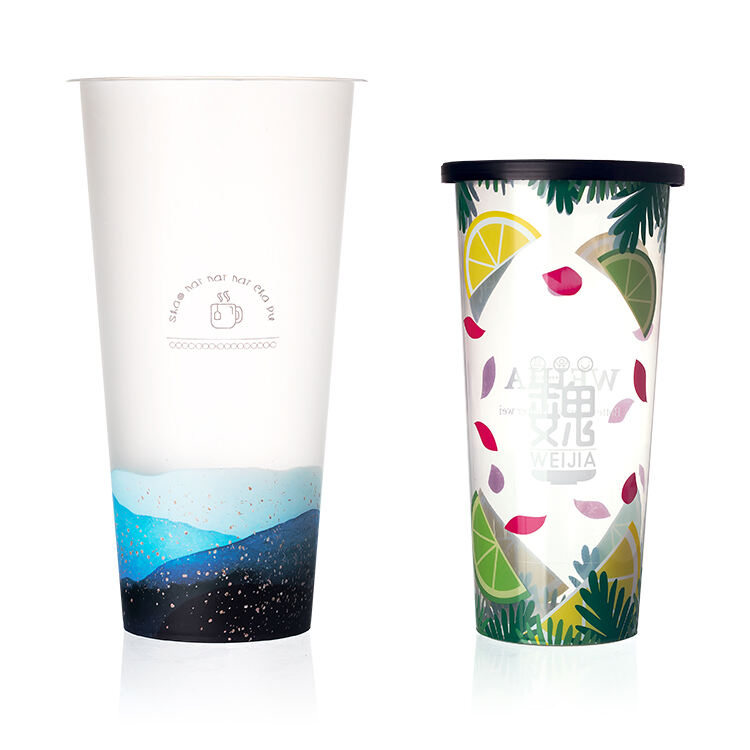
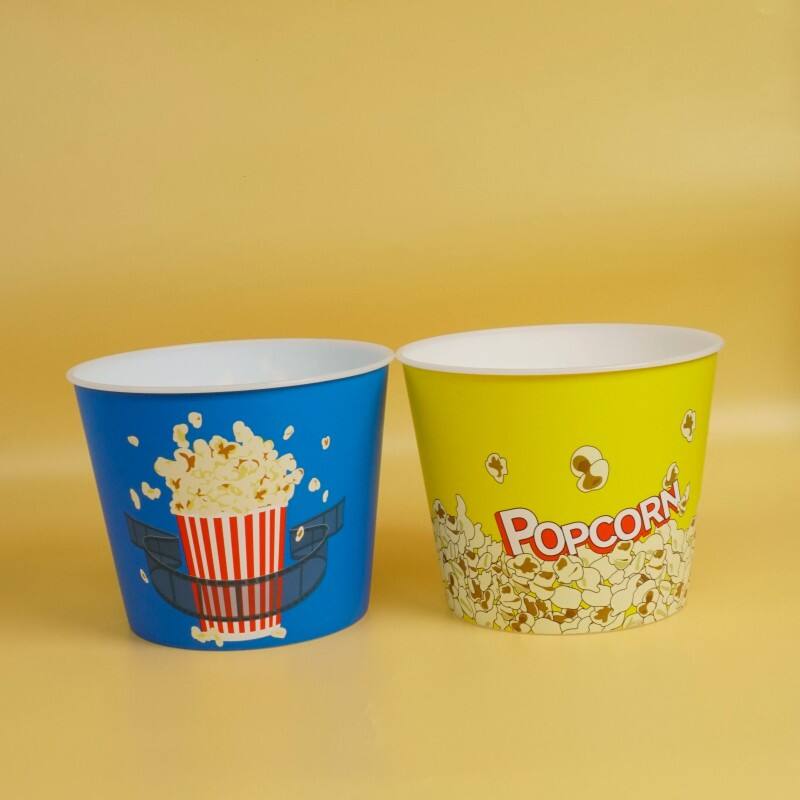
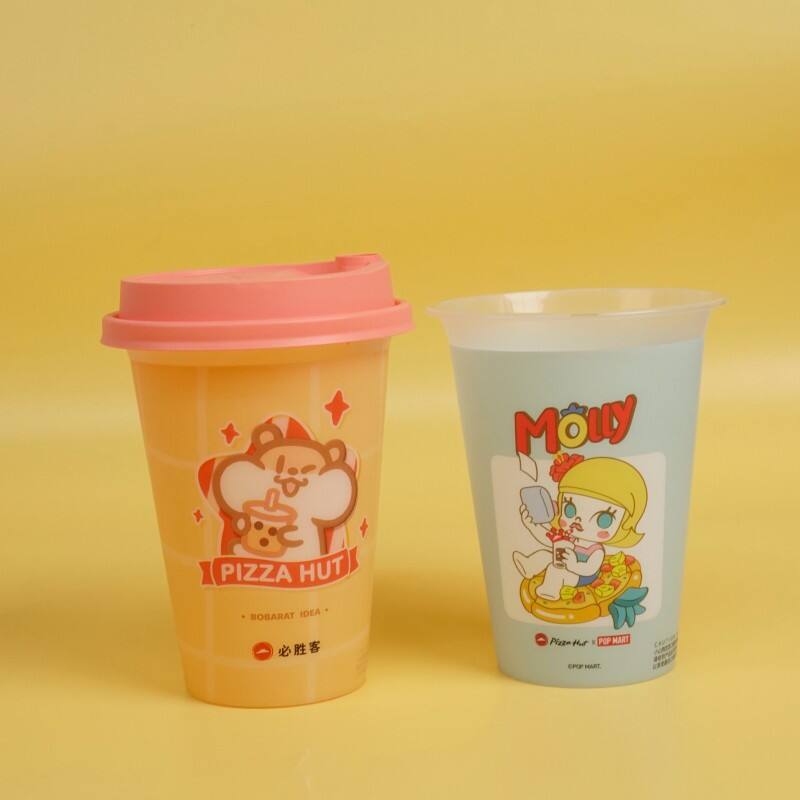
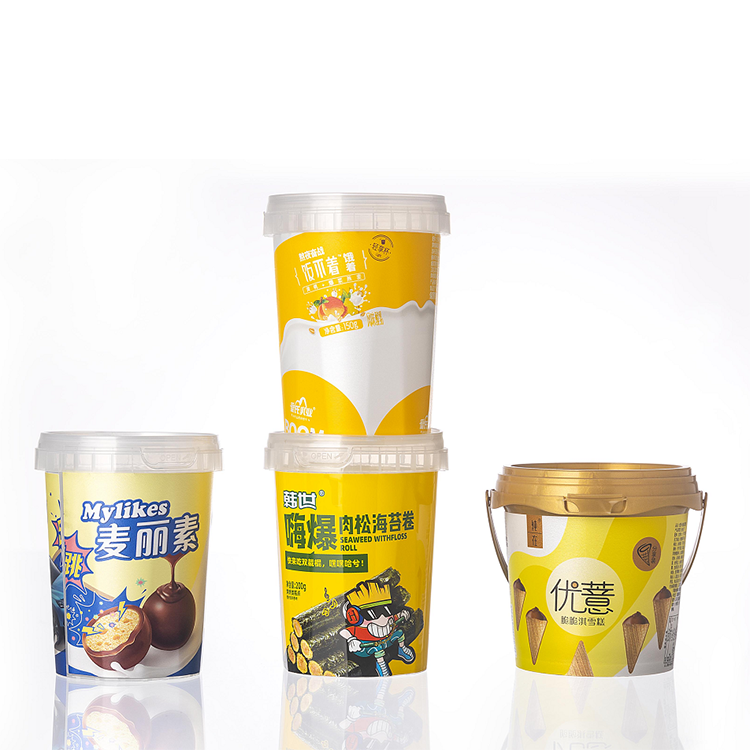
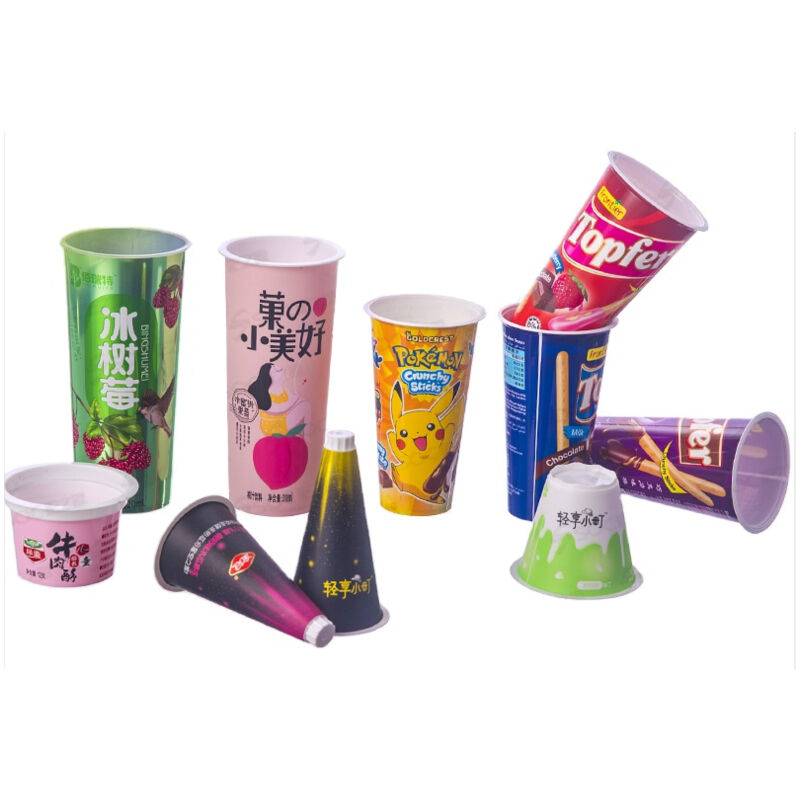
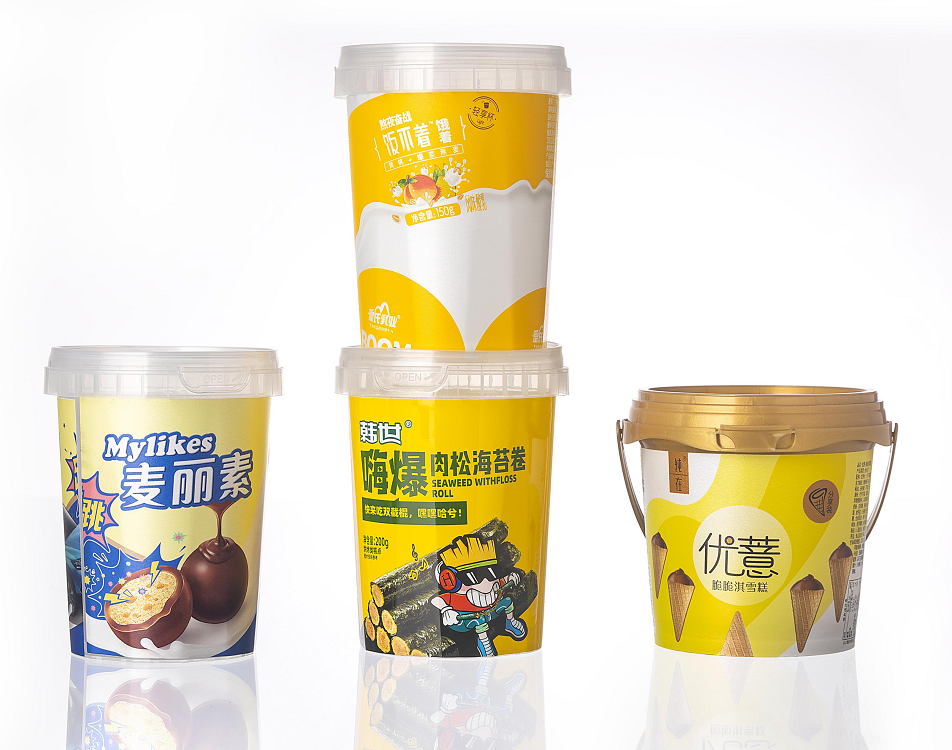
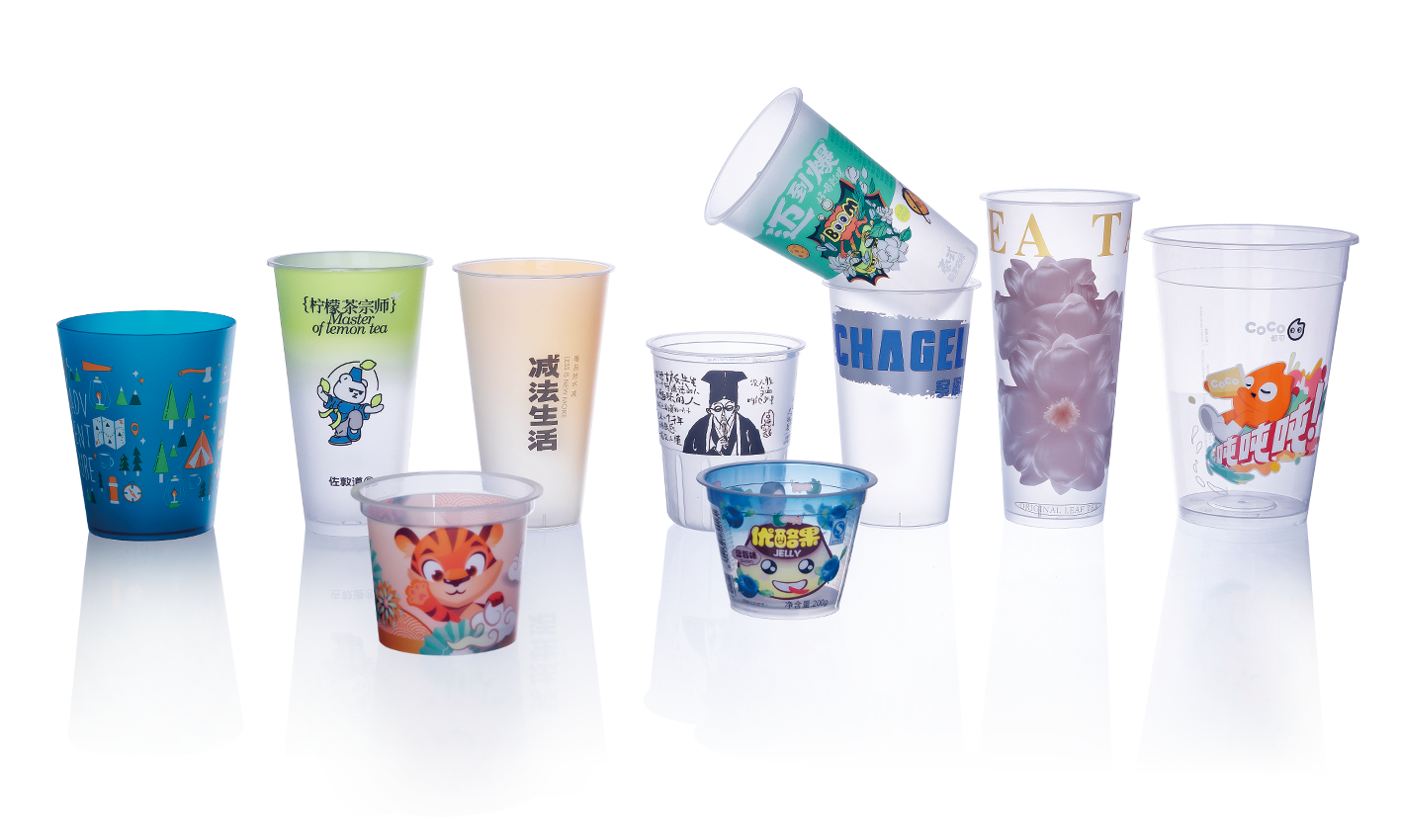
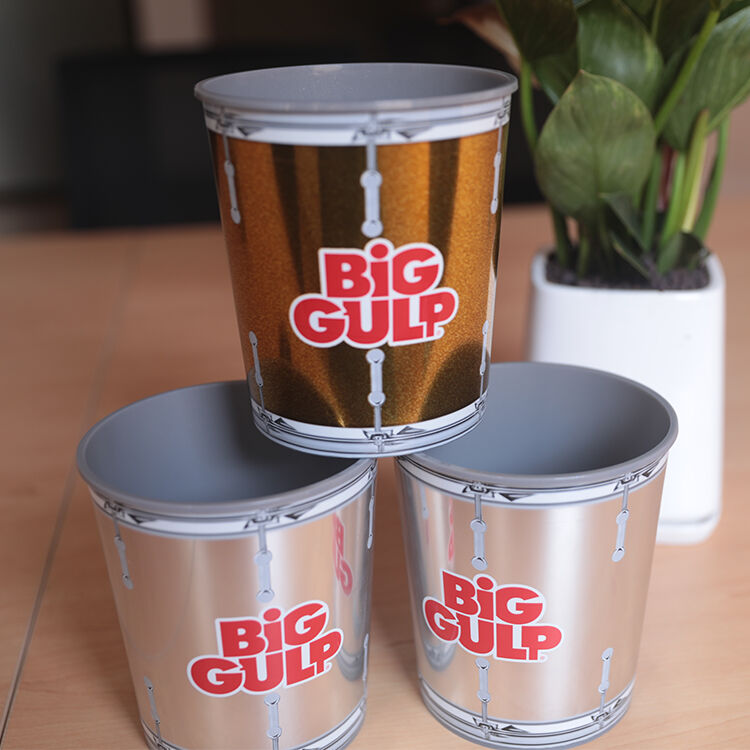
Food-grade in mold labels represent a cutting-edge technology in packaging and labeling solutions, specifically designed for food containers and packaging materials. These labels are integrated directly into the molding process of containers, creating a seamless, permanent, and hygienic labeling solution. Unlike traditional labels that are applied post-production, in mold labels become an integral part of the packaging during the manufacturing process. The technology utilizes advanced polymer materials that meet strict food safety regulations and standards, ensuring zero contamination risk to food products. The process involves placing a pre-printed label into the mold before the injection molding process begins. When the molten plastic fills the mold, it fuses with the label, creating a single, inseparable unit. This integration ensures superior durability, resistance to temperature variations, moisture, and chemical exposure. The technology supports high-quality graphics and printing options, allowing for vibrant colors and detailed designs that remain intact throughout the product's lifecycle. These labels are particularly valuable in the food industry, where they're used for containers ranging from ice cream tubs and margarine containers to ready-meal packaging and beverage bottles. The seamless integration also eliminates the risk of label peeling or degradation, which is crucial for maintaining product information and branding integrity in food applications.

New Product Recommendations

Food-grade in mold labels offer numerous compelling advantages that make them an ideal choice for food packaging applications. First, they provide unmatched durability and longevity, as the label becomes an integral part of the container itself, eliminating concerns about peeling, scratching, or degradation even under challenging conditions like freezing or moisture exposure. This integration also creates a more aesthetically pleasing appearance, with no visible edges or corners that could catch or lift. From a food safety perspective, these labels excel by eliminating any potential gaps between the label and container where bacteria could accumulate, making them inherently more hygienic than traditional labeling methods. The production process is more efficient and cost-effective in the long run, as it eliminates the need for separate labeling operations and reduces overall manufacturing time. Environmental benefits are significant, as the single-material construction makes these containers easier to recycle compared to traditionally labeled products. The high-quality printing capabilities ensure that branding and required information remain clear and legible throughout the product's entire lifecycle, enhancing brand recognition and consumer trust. The technology also offers excellent chemical resistance, ensuring that the label maintains its integrity even when exposed to oils, cleaning agents, or other substances commonly encountered in food storage and handling. Additionally, the seamless integration supports extended product shelf life by eliminating label degradation issues that could affect product presentation or safety information visibility. These labels also provide greater design flexibility, allowing for complex graphics and 360-degree decoration options that can significantly enhance shelf appeal.

Latest News

What is an In-Mold Label? An In-Depth Look at How It Works and Its Benefits

03

Nov

What is an In-Mold Label? An In-Depth Look at How It Works and Its Benefits

In the world of modern manufacturing, packaging innovation continues to drive competitive advantages across countless industries. One particularly remarkable advancement that has transformed how products are labeled and branded is the In Mold Label t...
View More
Why Premium Brands Prefer Using In-Mold Labels

05

Nov

Why Premium Brands Prefer Using In-Mold Labels

Premium brands across industries are increasingly turning to advanced labeling solutions that offer superior durability, aesthetic appeal, and cost-effectiveness. Among the most innovative technologies gaining traction in high-end packaging is the In...
View More
How a Heat Transfer Machine Works: The Perfect Balance of Pressure, Temperature, and Time

10

Nov

How a Heat Transfer Machine Works: The Perfect Balance of Pressure, Temperature, and Time

In the modern manufacturing landscape, precision and efficiency drive innovation across countless industries. One technology that exemplifies this pursuit of excellence is the heat transfer machine, a sophisticated piece of equipment that has revolut...
View More
Printing Processes for Food Packaging Bags: Choosing Safe and Attractive Inks

12

Nov

Printing Processes for Food Packaging Bags: Choosing Safe and Attractive Inks

The printing process for food packaging bags requires careful consideration of both safety standards and visual appeal to ensure consumer protection while maintaining brand recognition. Modern food packaging bag production involves sophisticated prin...
View More

Get a Free Quote

Our representative will contact you soon.
Email
Name
Company Name
Message
0/1000

food-grade in mold label

Superior Food Safety and Compliance

Superior Food Safety and Compliance

Food-grade in mold labels set the industry standard for safety and regulatory compliance in food packaging applications. The seamless integration of the label into the packaging material eliminates any potential contamination points that could harbor bacteria or other harmful substances. This technology utilizes specially formulated materials that meet or exceed all relevant food safety regulations, including FDA standards and European food contact requirements. The manufacturing process ensures that no adhesives or additional chemicals are needed for label application, further reducing potential contamination risks. The durability of these labels means that crucial safety information, allergen warnings, and nutritional data remain clearly visible and legible throughout the product's entire shelf life, helping manufacturers maintain compliance with food labeling regulations. The technology also supports traceability features and anti-counterfeiting measures, providing additional safety assurances for both manufacturers and consumers.
Enhanced Production Efficiency

Enhanced Production Efficiency

The implementation of food-grade in mold labeling technology brings significant improvements to production efficiency and cost-effectiveness. By integrating the labeling process directly into the container manufacturing stage, manufacturers can eliminate separate labeling operations, reducing production time and labor costs. This streamlined approach minimizes handling requirements and decreases the likelihood of labeling errors or defects. The technology supports high-speed production lines while maintaining consistent quality, enabling manufacturers to meet demanding production schedules without compromising on label appearance or performance. The reduction in production steps also leads to lower energy consumption and decreased waste, contributing to both cost savings and environmental sustainability. The durability of in mold labels reduces the need for replacement or rework due to label damage during handling and distribution, further enhancing operational efficiency.
Sustainable Packaging Solution

Sustainable Packaging Solution

Food-grade in mold labels represent a significant advancement in sustainable packaging solutions for the food industry. The single-material construction, where the label becomes part of the container itself, simplifies the recycling process by eliminating the need to separate different materials. This integration supports closed-loop recycling systems and helps reduce waste in the packaging lifecycle. The durability of these labels means less frequent replacement and reduced packaging waste due to damage or degradation. The technology also supports the use of recycled materials in the manufacturing process, helping companies meet their sustainability goals while maintaining high-quality packaging standards. The elimination of separate labeling processes and associated materials reduces the overall environmental impact of packaging production. Additionally, the long-lasting nature of these labels ensures that important recycling information remains visible throughout the product's life, encouraging proper disposal and recycling practices by consumers.

Get a Free Quote

Our representative will contact you soon.
Email
Name
Company Name
Message
0/1000